



Antique French Glass Figure
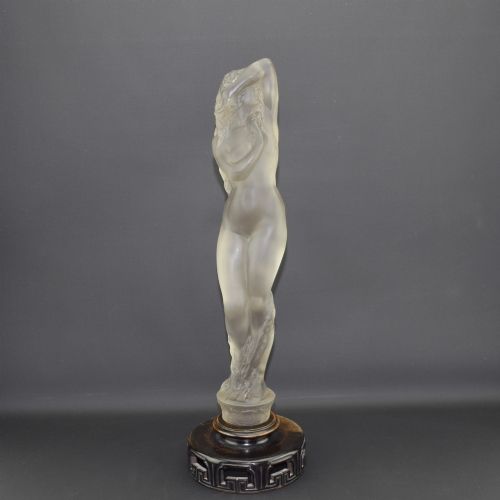
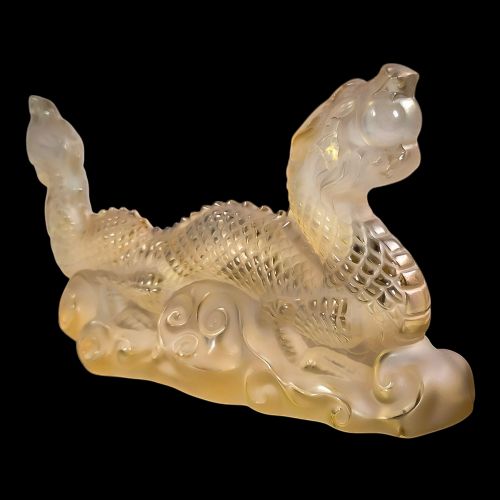
These antique french glass figure pieces combine delicate moulding with cast metal mounts, offering an authentic touch of period elegance to any interior.
Antique French Glass Figure
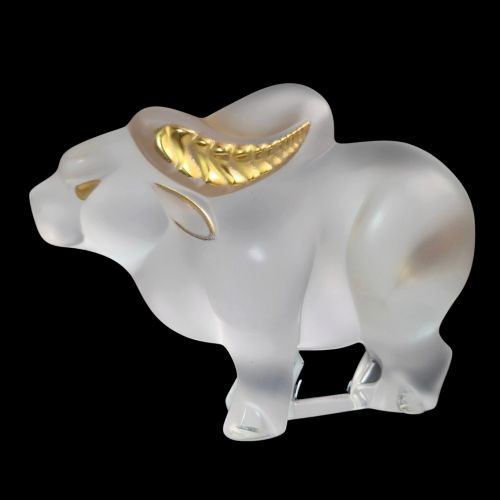
When you search for an antique french glass figure, you encounter works spanning from the 18th century through the Art Deco era, including table lamps, paperweights, and statuettes. The most frequent pieces on this page stem from the 1920s and 1930s, reflecting the strong influence of Art Deco and Art Nouveau design.
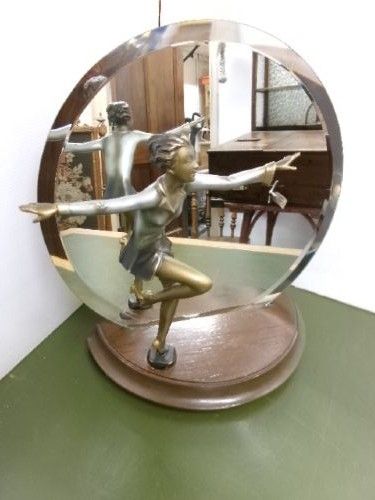
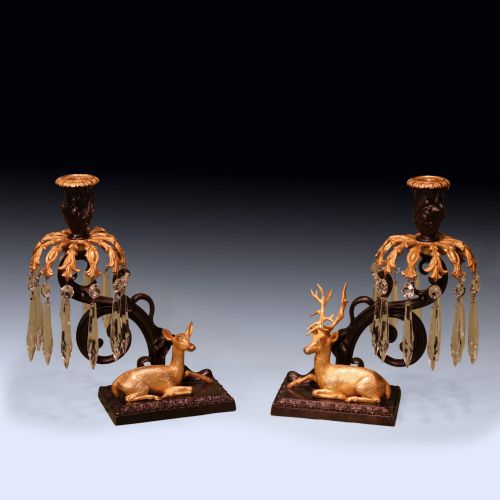
Materials extend beyond pure glass to incorporate bronze, spelter, marble, and ormolu bases, frequently mounting figures of dancers, animals, or mythological subjects. Early examples include 18th-century devotional shadow boxes featuring Nevers glass figures alongside Victorian and 19th-century bronze and glass lamp combinations.
Materials and methods of construction
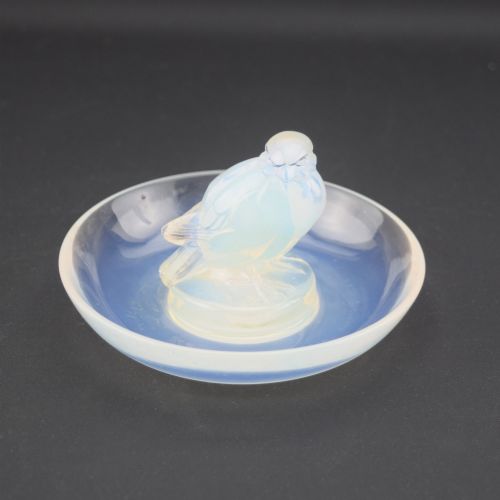
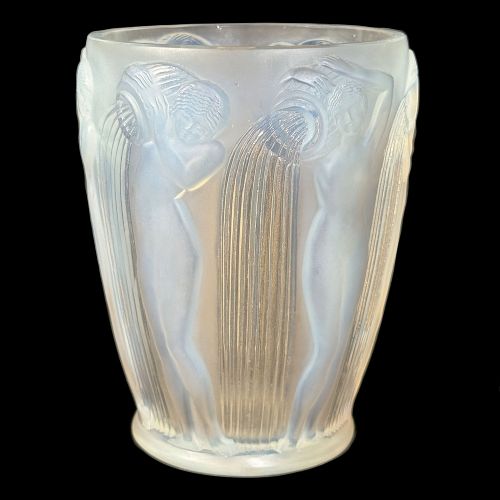
Makers utilised glass moulding techniques alongside metal casting in bronze, spelter, and ormolu to construct these figures and their associated table lamps or paperweights. Frosted and opalescent glass finishes appear regularly, sometimes paired with marble bases or wooden cabinetry elements.
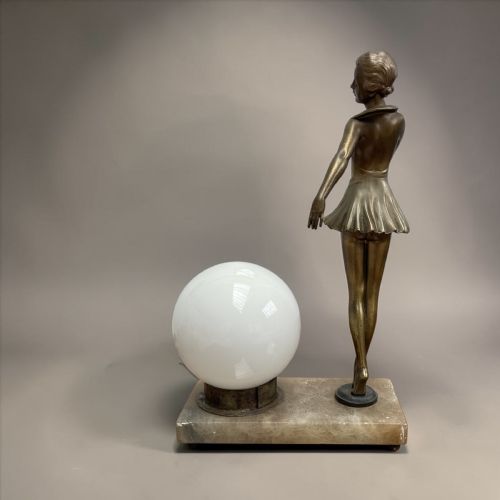
Many items integrate illumination, combining glass figures or shades with bronze and brass lampbases, while others utilise silvered spelter or stained glass details to create distinct visual textures.
Antique French Glass Figure Retail Price Guide 2026
Typical asking prices for french glass figure among the pieces listed under this phrase on Sellingantiques today, from the lower quarter to the upper quarter. They describe what is for sale here now, not the wider market.
Cats and dogs share the spotlight with dancers, proving that Art Deco households loved their pets in glowing glass and spelter just as much as we do.
Distinctions in craftsmanship and execution
Integration between the glass element and its mount - whether bronze, ormolu, or marble - determines the structural harmony of lamps and shadow boxes, separating exceptional decorative objects from simpler items.
Rene Lalique·Emile Picault·Auguste Moreau·Baccarat
The Antique French Glass Figure Glossary
- Spelter
- A zinc alloy commonly used as a substitute for bronze in 19th and 20th-century figures. It accepts silvered or painted finishes quite readily.
- Ormolu
- Gilt bronze ornamentation applied to furniture, clocks, and lamp bases. It provides a bright golden decorative accent.
- Opalescent glass
- Glass that displays milky, milky-blue, or fire-like colour variations when light passes through it. This technique was favoured by prominent glassmakers.
- Shadow box
- A deep, glass-fronted framed recess designed to protect and display small three-dimensional groupings. Nevers glass figures frequently appear within these devotional displays.
- Socle
- A short plinth or pedestal supporting a statue, vase, or paperweight. It elevates the central glass figure visually.
Antique French Glass Figure: Frequently Asked Questions
What periods do these glass figures come from?
The listings span multiple centuries, ranging from 18th-century devotional shadow boxes to 19th-century bronze and glass combinations.
By the 1920s and 1930s, Art Deco aesthetics dominated, bringing opalescent glass vases, animal paperweights, and figural lamps into production.
How were these glass figures used originally?
Many served as decorative paperweights on desks, while others formed the central sculptural components of table lamps and night lights.
Earlier examples functioned as devotional displays in shadow boxes or as decorative elements on credenzas and mantelpieces.
What materials accompany the glass in these pieces?
Makers frequently mounted glass figures onto bases of marble, bronze, spelter, or wood.
Metal components in brass, ormolu, and silvered spelter frequently provide structural support for figural lampbases and candlesticks.
How can I distinguish between different styles?
Nineteenth-century items often feature classical or pastoral subjects combined with bronze and opaline glass.
Twentieth-century pieces lean towards stylised animal forms, dancers, and geometric Art Deco treatments using frosted or opalescent glass.