





Antique French Fire Irons
Antique French fire irons and hearth furniture bring character and functional elegance to a period fireplace.
Antique French Fire Irons
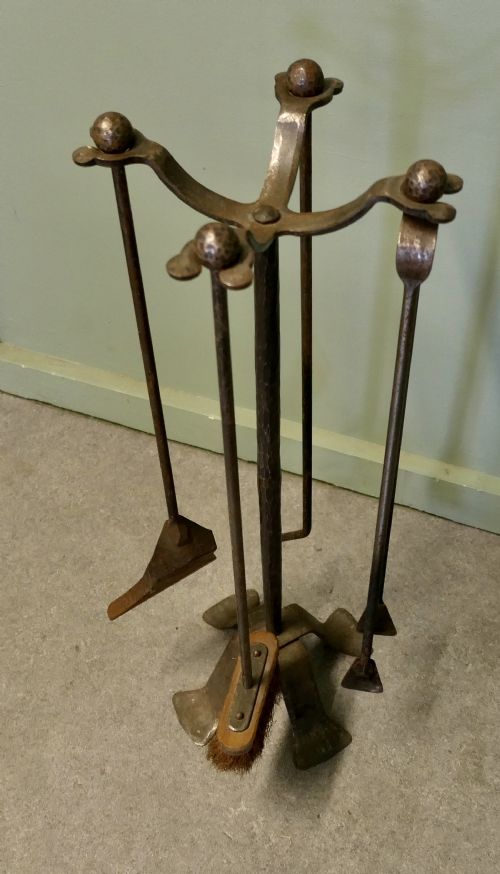
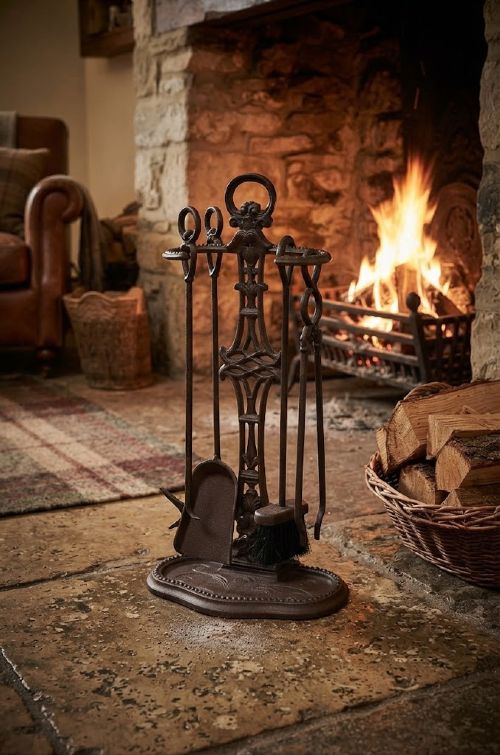
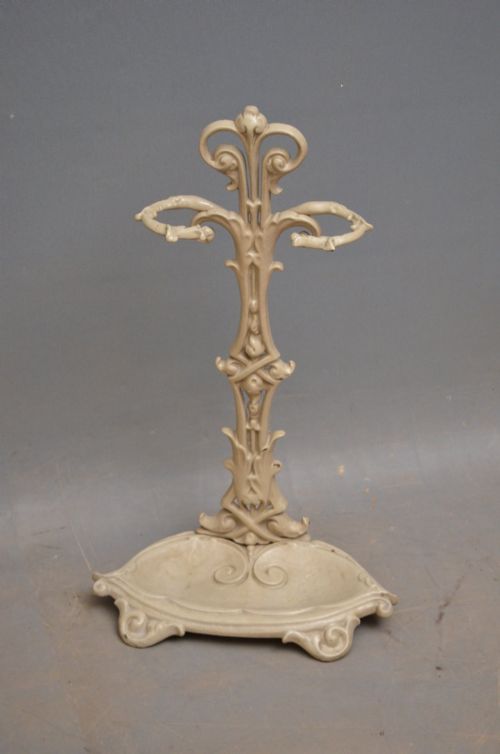
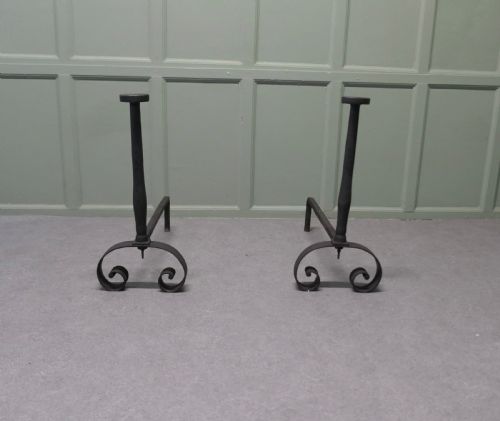
When you search for antique french fire irons, you are looking at hearth implements and companion sets designed to manage an open fire with continental style. The selection includes wrought iron companion sets, heavy cast iron tools, and companion stands from the nineteenth century.
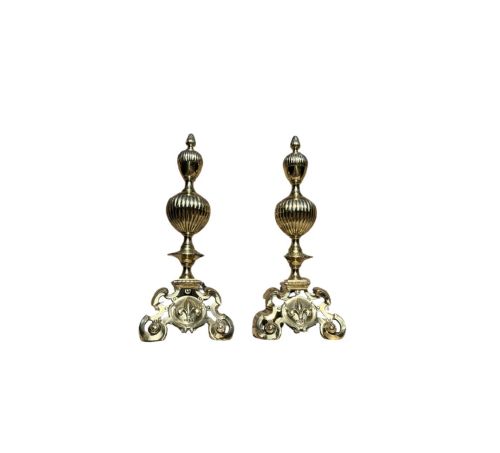
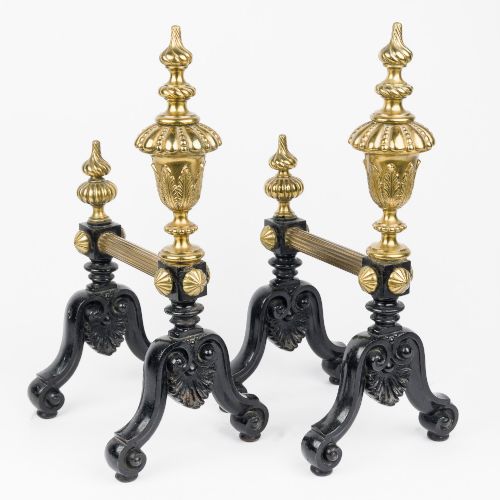
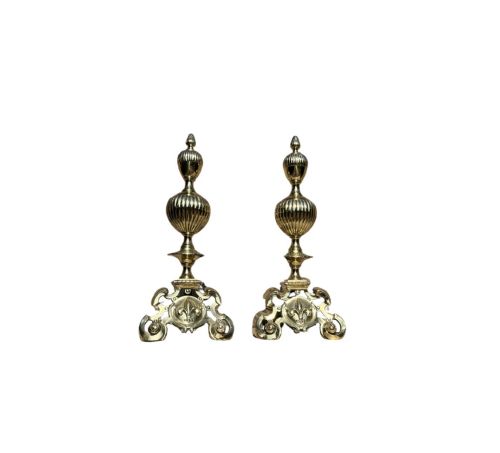
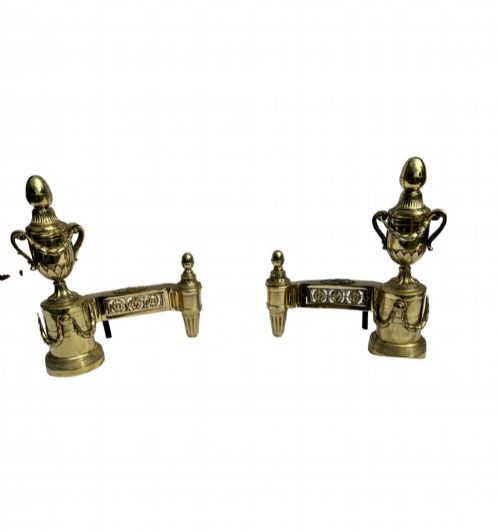
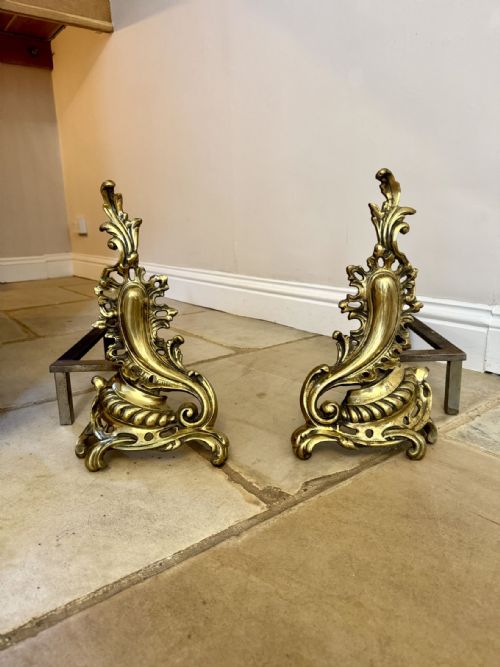
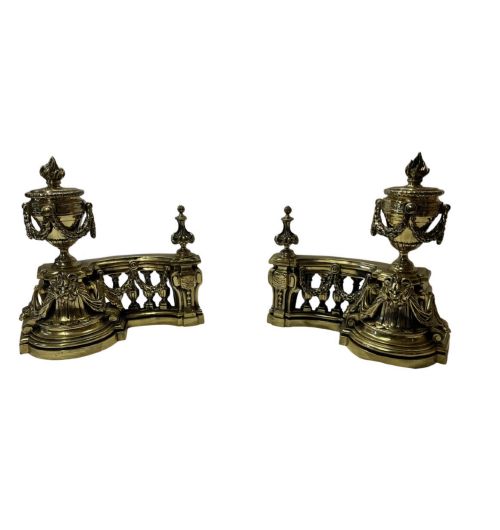
You are most likely to meet pieces cast in iron or formed from brass and bronze, often associated with fire dogs and fenders. These accessories range from utility items for country houses to decorative sets finished with gilt or ormolu mounts.
How they were made
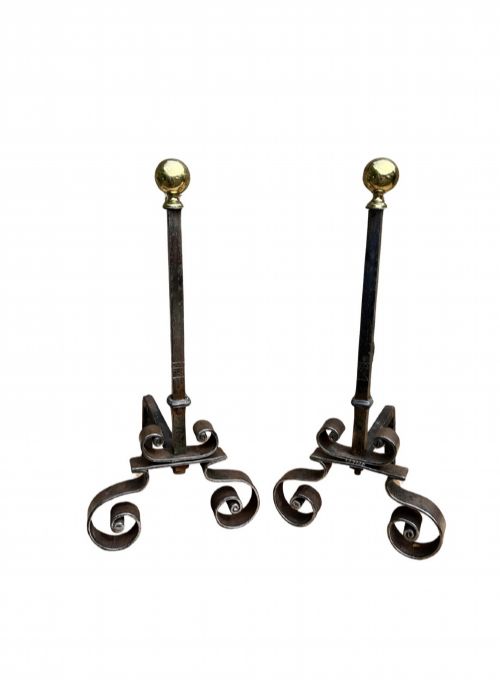
Artisans shaped these hearth pieces using traditional metalworking techniques such as hand-forging wrought iron and casting molten brass and bronze. Decorative elements frequently involved applied ormolu, parcel gilt finishes, and intricate moulding.
Materials span sturdy cast iron and wrought iron for functional parts, alongside copper, brass, and bronze for decorative components like chenets and companion stands. These metals were combined to balance durability under high heat with ornamental detail.
Antique French Fire Irons Retail Price Guide 2026
Typical asking prices for french fire irons among the pieces listed under this phrase on Sellingantiques today, from the lower quarter to the upper quarter. They describe what is for sale here now, not the wider market.
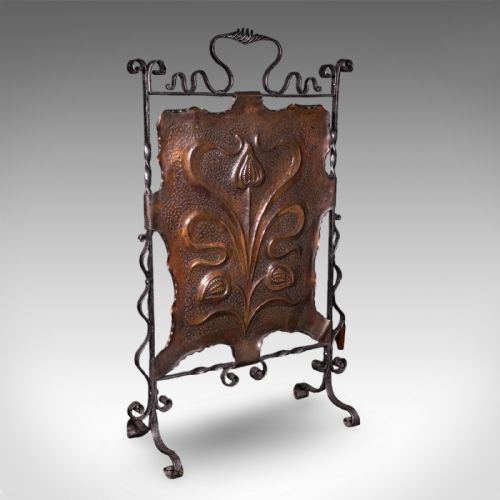
Styles represented include French Rococo, Art Nouveau, Empire, Baroque, and provincial country house designs.
What varies in quality
Quality rests in the weight of the metal, the crispness of the casting, and the refinement of hand-forged details. Finer items display clean chasing on bronze mounts and substantial gauges of iron that endure regular use.
Plain utility pieces sit at one end of the spectrum, while elaborate rococo or art nouveau examples with parcel gilt or ormolu detailing represent the other. The integrity of the joins and the original finish determine the standing of each piece.
The Antique French Fire Irons Glossary
- Chenet
- An alternative term for an andiron, used to support logs in a fireplace while often displaying decorative front mounts. They frequently match companion sets and fire irons.
- Andiron
- A horizontal metal support raised on legs, designed to hold burning wood in an open hearth. Pairs of these items frame the fire basket.
- Fender
- A low metal guard placed on the hearth in front of a fireplace to contain ash and embers. Adjustable versions allow for different hearth widths.
- Ormolu
- A gilded bronze technique used on decorative mounts and fire dogs during periods like the rococo revival. It provides a bright golden surface finish.
- Companion set
- A collection of hearth tools, including pokers and tongs, usually housed in a matching stand or holder beside the fireplace.
Antique French Fire Irons: Frequently Asked Questions
How do I clean antique fire irons?
Use a soft dry cloth to remove soot and surface dust without disturbing the original metal patina. Avoid harsh chemical polishes that strip historical finishes from brass and bronze.
Iron elements benefit from a light application of protective wax or oil to prevent rust in damp environments.
Can I use these fire irons daily?
Wrought iron and heavy cast iron tools remain entirely suitable for managing a working hearth fire. Lighter decorative pieces in ormolu or gilt brass are better suited for display.
Check the weight and handle security before putting older companion sets to regular practical use.
What styles do these pieces feature?
The selection encompasses French Rococo, Art Nouveau, Empire, and Baroque stylistic influences from the nineteenth century. Country house and provincial designs appear alongside formal gilt styles.
Matching andirons and companion stands often share motifs like cherubs, armour, or floral lines.
How do I match irons to andirons?
Look for matching materials such as cast iron, brass, or bronze across both the fire irons and the companion andirons. Stylistic details like rococo scrollwork or art nouveau curves help unify the hearth.
Tool stands often incorporate rests that physically align with the design of the main fire dogs.