


Antique French Figure Painting
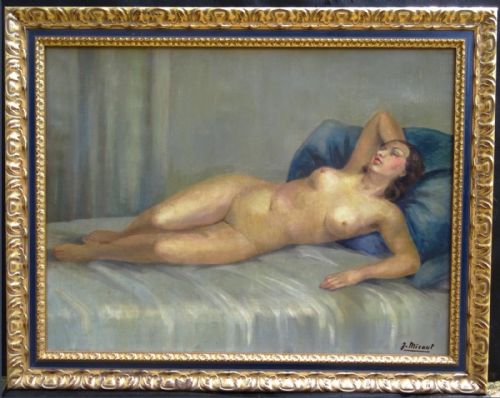
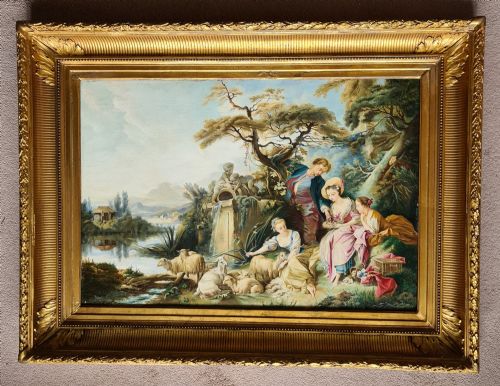
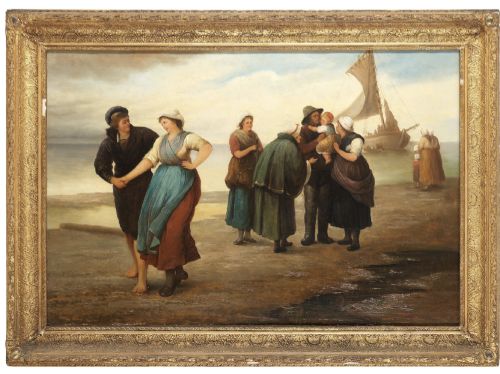
Searching for antique french figure painting brings together canvas portraits, classical oils and sculptural depictions spanning multiple centuries of European artistry.
Antique French Figure Painting
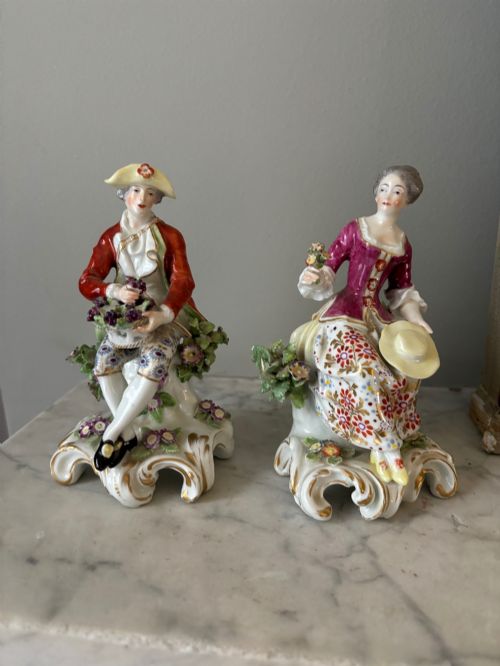
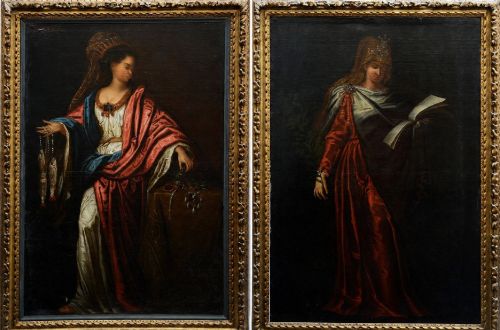
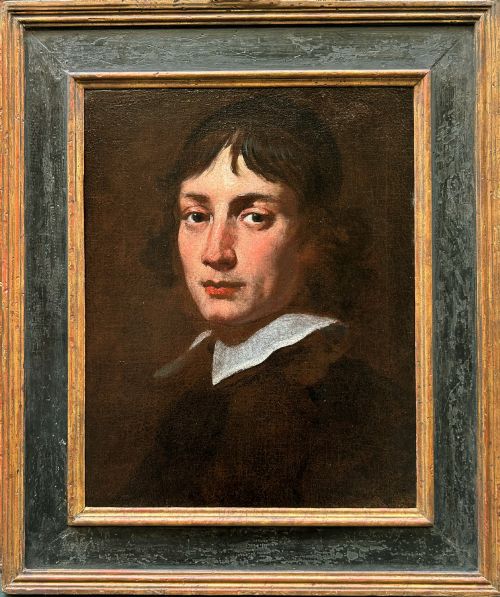
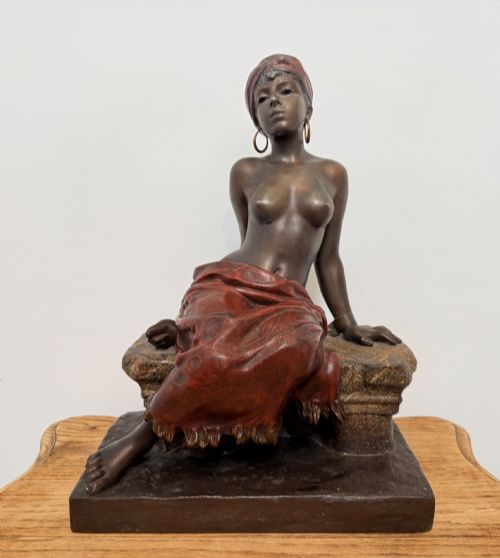
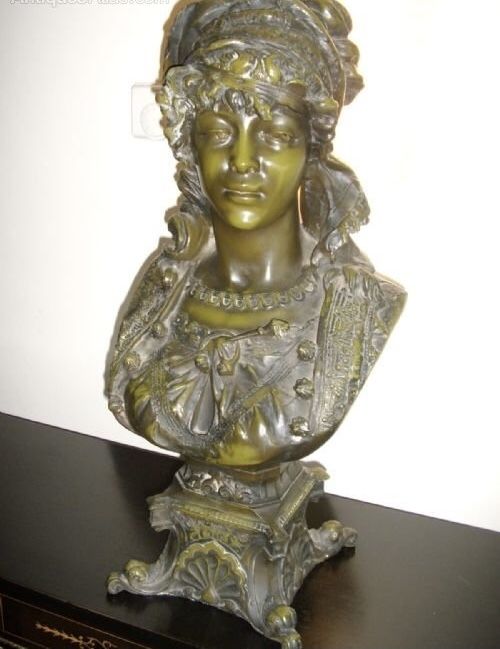
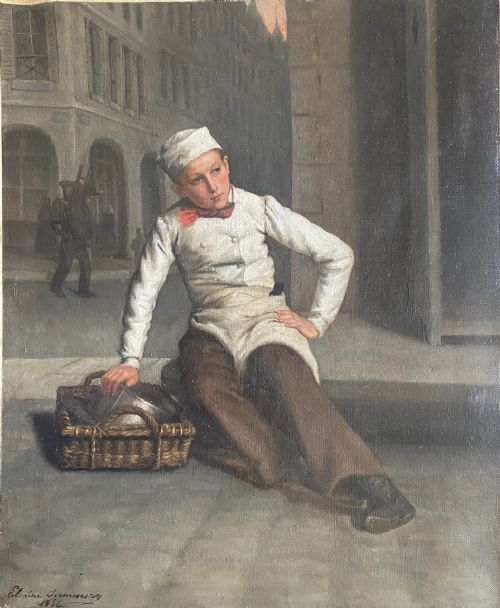
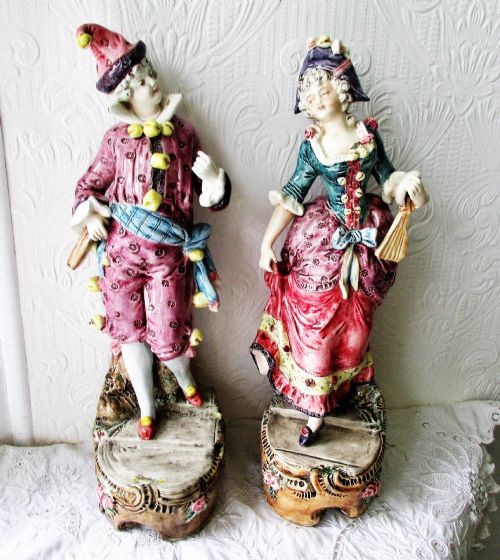
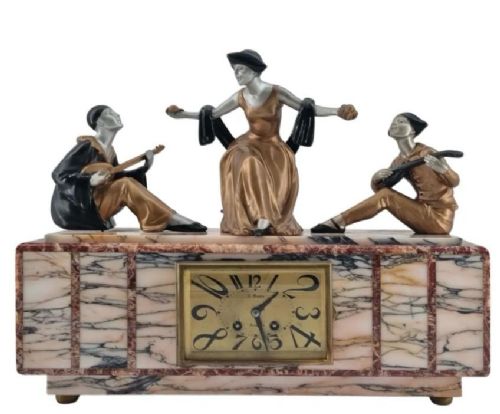
An antique french figure painting encompasses oil works on canvas and wood panel alongside sculptural forms such as porcelain figures, earthenware figurines, and cold-painted bronze statuary.
Buyers will encounter eighteenth-century classical scenes, nineteenth-century academic portraits, and early twentieth-century genre paintings alongside decorative porcelain groups and faïence ceramics.
The selection ranges from intimate framed portraits of single subjects to sweeping mythological narratives and pastoral landscapes populated by human and divine figures.
How they were made
Painters utilised oil on canvas or wood panel, applying pigments with varying brushwork to achieve chiaroscuro depth, chiaroscuro contrast, and fine facial detailing.
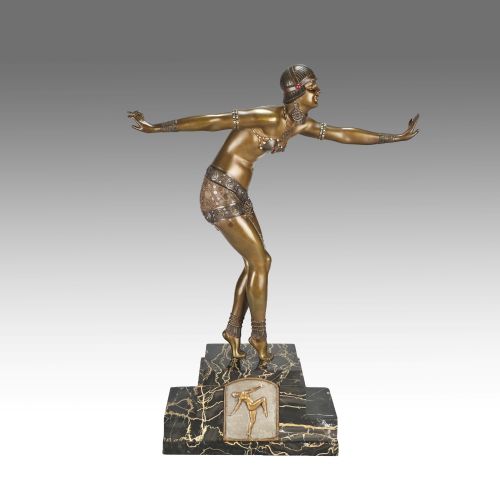
Sculptural and ceramic pieces combine materials such as bronze, terracotta, and porcelain, often enhanced with hand-painting, gold leaf, enamel work, and cold-painted polychrome finishes.
Materials represented across the inventory include canvas, wood panel, terracotta, porcelain, enamel, and gold leaf.
What varies in quality
Quality rests in the precision of draughtsmanship, particularly the rendering of human anatomy, facial expression, and the psychological weight conveyed by the subject.
Sculptural works display distinction through the crispness of the casting, the delicacy of hand-painted enamel or gilding, and the fidelity of the maker's mark.
Pierre le Faguays·Guillaume Courtois·E Villanis·L & F Moreau·Demetre Chiparus·Bourdois & Bloch·Letu & Mauger·Honore Cavaroc·Ferdinand Victor Leon Roybet·Antoine Calbet·Gaetan Dumas·Paul Philippe
The Antique French Figure Painting Glossary
- Chiaroscuro
- The strong contrast between light and dark within a painting, used to give volumetric depth to figures. This technique defines many nineteenth-century tavern and portrait scenes.
- Biscuit porcelain
- Unglazed white porcelain fired to a matte, marble-like finish. Makers utilised this material extensively for nineteenth-century romantic figures and sculptural groups.
- Faïence
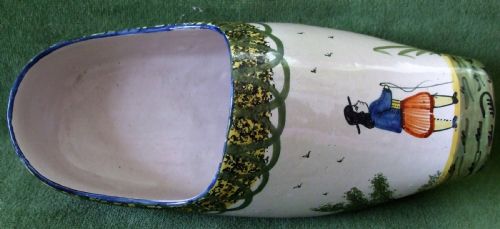
- Tin-glazed earthenware produced across French manufactories. Items such as water pitchers and pin trays frequently feature painted mythological figures and cherubs.
- Chryselephantine
- A term describing statues made of bronze and ivory combined. This method defined luxury Art Deco dancer and figural sculptures from the early twentieth century.
- Genre painting
- The pictorial representation of scenes from everyday life involving ordinary people. These works often depict figures in interiors, rustic settings, or outdoor markets.
Antique French Figure Painting: Frequently Asked Questions
How do I identify a nineteenth-century painting?
Nineteenth-century paintings often show academic training through precise brushwork, balanced composition, and a focus on historical, mythological, or genre subjects. The materials, including canvas preparation and framing style, also offer clues to the era.
Examination of the reverse canvas, stretcher bars, and any signatures can help verify the period alongside stylistic markers typical of French school artists.
How should I display figure paintings at home?
Figure paintings benefit from wall spaces protected from direct sunlight to preserve oil pigments and canvas integrity over time. Placing them away from heat sources prevents warping of wooden panels and stretcher frames.
Pairing a framed canvas with directional picture lighting enhances the chiaroscuro depth and brings out the subtle tonal shifts in the subject's face and clothing.
Are porcelain figures marked by makers?
Many French porcelain and faïence figures bear factory stamps, hand-painted monograms, or impressed anchor marks on the underside or base. These marks point to specific Parisian manufactories and regional potteries.
Absence of a mark does not preclude authenticity, as many decorative figures relied on paper labels that perished over decades of handling.