


Antique French Andirons
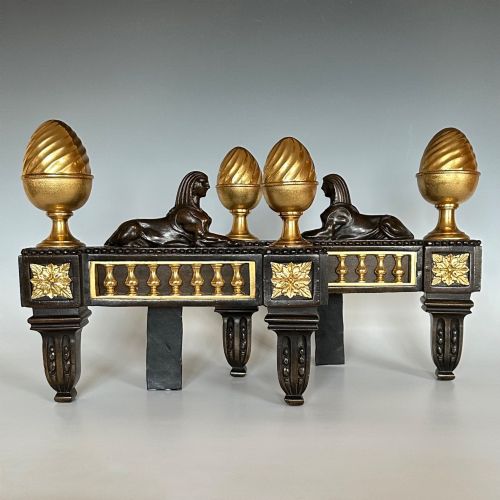
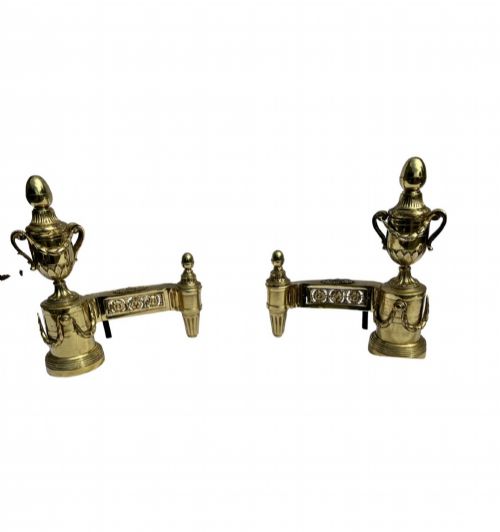
Antique French andirons anchor the hearth with sculptural bronze and iron work designed to hold logs above the hearth floor.
Antique French Andirons
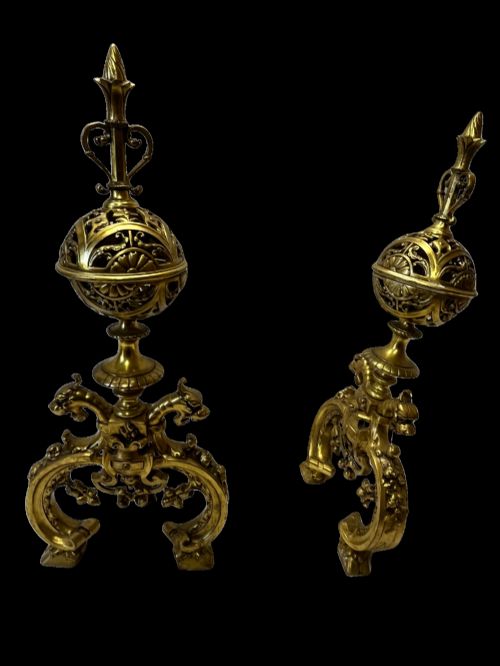
Antique French andirons, also known as chenets or fire dogs, serve both a practical role in supporting firewood and a decorative purpose within the hearth. You will frequently encounter pairs fashioned in brass, bronze, and iron, often standing as matching sets on either side of the fireplace.
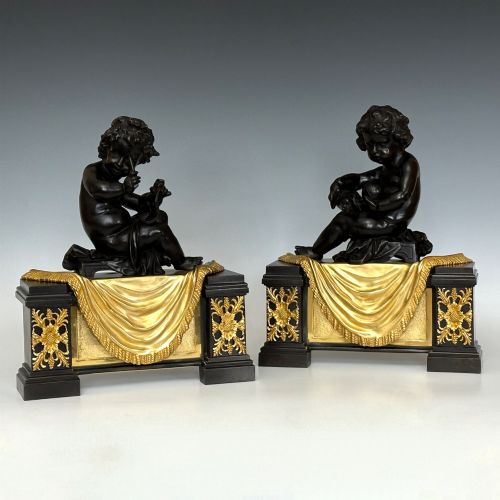
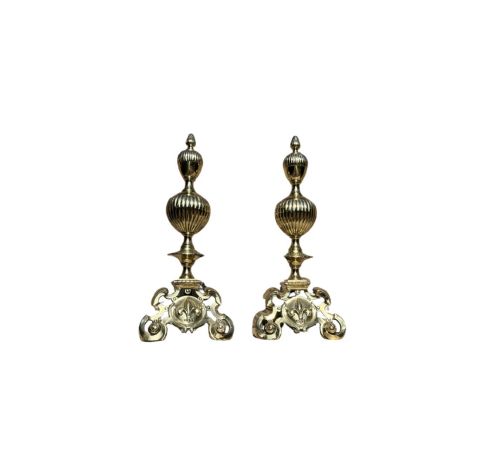
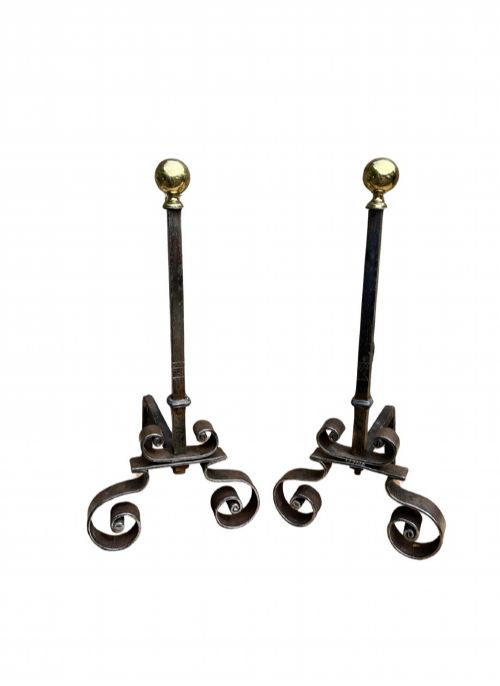
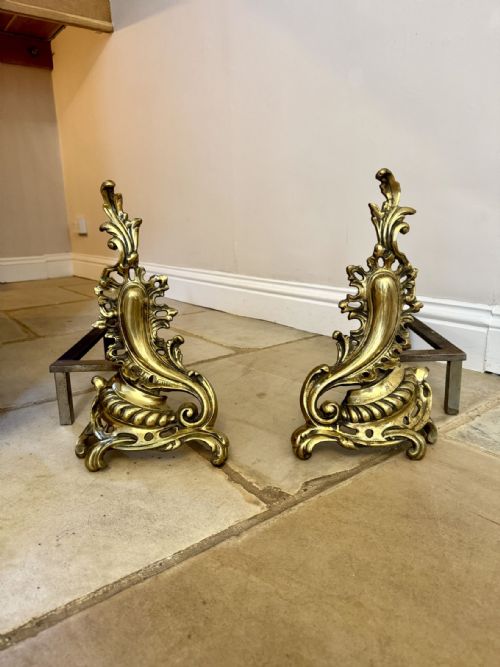
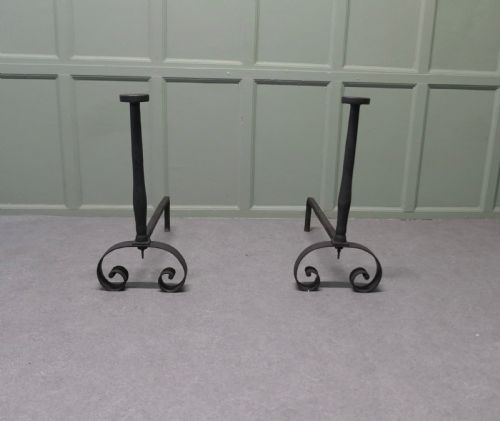
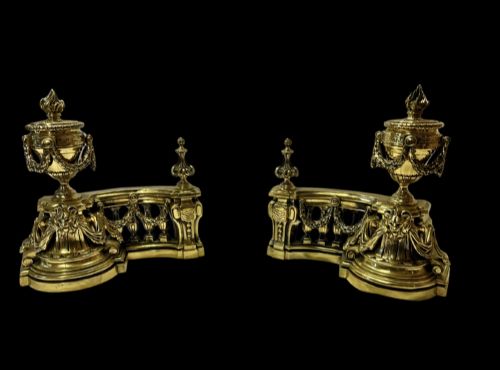
The pieces on this page span the nineteenth century and earlier, drawing on traditional French styles such as Rococo, Neoclassical, and Baroque. Makers produced robust utilitarian iron forms for country houses alongside elaborate ormolu and gilt bronze figural designs for formal reception rooms.
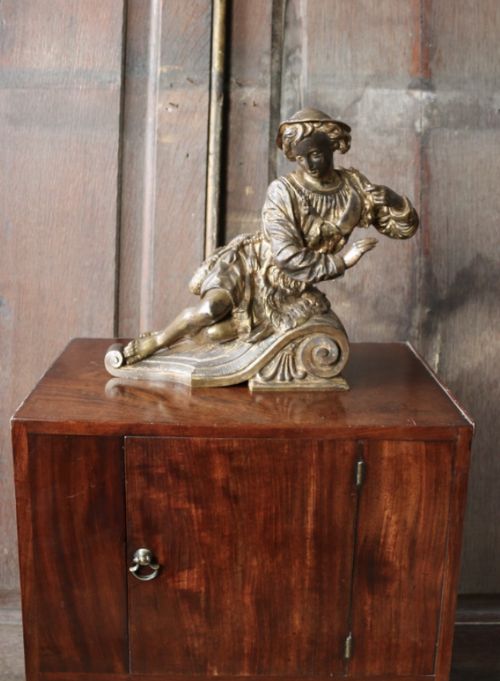
Form follows function across the selection, featuring horizontal billet bars to hold logs and vertical front standards decorated with urns, cherubs, or scrollwork. These accessories reflect the shifting interior tastes of French domestic life from the eighteenth century through to the early twentieth century.
Materials and construction methods
Foundry workers utilised casting techniques for bronze, brass, and cast iron components, shaping intricate scrolls and figural motifs in moulds before hand-finishing the metal. Ormolu and gilt finishes were applied to bronze surfaces to create rich golden highlights that caught the flickering light of the fire.
Blacksmiths forged heavy wrought iron by hand, hammering and bending the metal to build durable fire dogs and tool rests designed to withstand intense hearth temperatures. Combined materials such as bronze mounts fixed to iron billet bars appear frequently, uniting decorative appeal with structural strength.
Several pairs feature cheerful cherubs keeping watch over the hearth through centuries of soot.
Judging the quality of manufacture
The integrity of the assembly separates superior pairs from standard utilitarian items, particularly in how securely the vertical front connects to the horizontal log support. Heavier gauge metals and meticulous hand-chasing on gilt bronze or ormolu indicate a higher grade of workshop production.
The Antique French Andirons Glossary
- Chenet
- An alternative French term for andiron, referring to the decorative metal supports placed on the hearth. They often incorporate upright ornamental fronts and rear bars for holding wood.
- Ormolu
- Finely ground high-carat gold mercury-gilded onto a bronze base. This technique creates a brilliant golden surface finish characteristic of high-status French decorative arts.
- Billet bar
- The horizontal iron bar extending backward from the front standard of an andiron. Its primary function is to elevate logs to improve airflow beneath the fire.
- Firedog
- A heavy metal support used in pairs to keep logs off the floor of the fireplace. The terms andiron and fire dog are used interchangeably in historical and modern listings.
- Cast brass
- Molten brass poured into a mould to form decorative hearth ornaments. This method allows for repeatable production of complex scrollwork and symmetrical designs.
Antique French Andirons: Frequently Asked Questions
What is the difference between andirons and fire dogs?
There is no functional or physical difference between the two terms, as both refer to the paired metal supports used to hold logs in an open hearth. French makers and dealers historically used chenet, fire dog, and andiron to describe the exact same category of fireplace accessory.
Regional terminology and personal preference usually dictate which word a dealer or collector chooses to use. Both descriptions apply equally to simple iron hearth furniture and ornate gilt bronze showpieces.
How do I know if my andirons are antique?
Examining the construction marks, metal composition, and wear patterns helps determine the age of hearth pieces. Hand-forged iron elements, old casting irregularities, and traditional joining methods point toward nineteenth-century or earlier production.
Stylistic cues such as Regency, Rococo Revival, or Baroque ornament also align the pieces with historical design periods. Comparing the weight, patina, and tool marks against documented examples confirms their era.
Can I use antique andirons in a working fireplace?
Most antique metal andirons are robust enough to withstand heat, provided they are made from heavy cast iron or substantial bronze. Iron versions with thick billet bars handle burning wood comfortably.
However, delicate ormolu or fire-gilt decorative surfaces benefit from careful placement to avoid smoke damage or excessive heat exposure. Many buyers choose to use sturdy iron pairs for burning logs while keeping ornate ormolu pieces for decorative display.
How do I clean antique brass and bronze andirons?
Gentle dusting with a soft, dry cloth is the safest way to maintain metal hearth accessories without disturbing the historic patina. Avoid harsh chemical polishes that strip away the aged surface character and any remaining original gilding.
If necessary, a light wipe with a damp cloth followed by immediate drying removes soot accumulation. Preserving the natural darkening and mellow tones is standard practice for maintaining the value of antique metalwork.