





Antique French Accent Mirror
An antique french accent mirror brings light and decorative presence to a room, drawing on classical European styles and nineteenth-century forms.
Antique French Accent Mirror
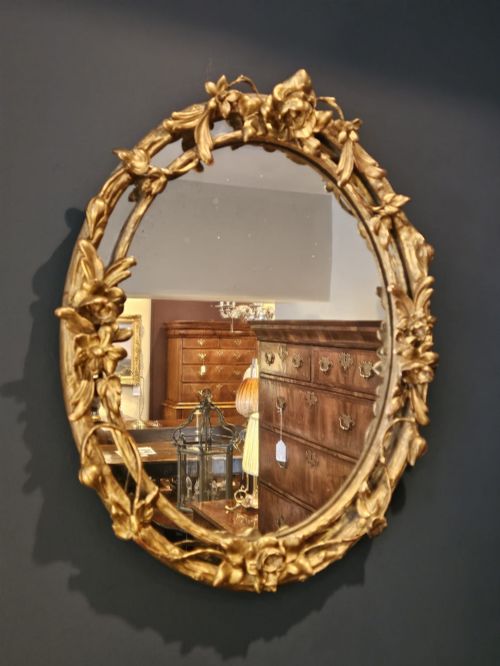
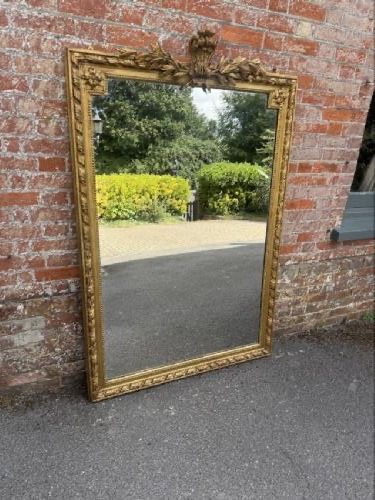
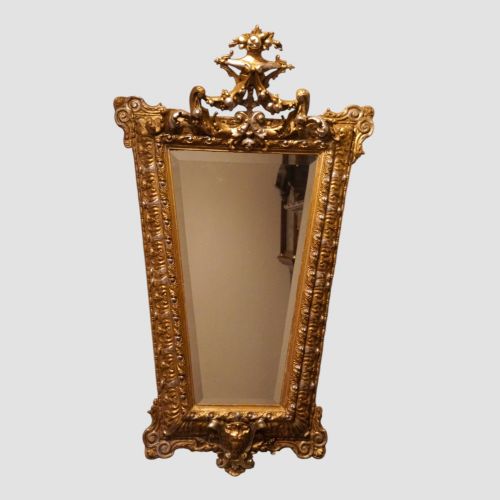
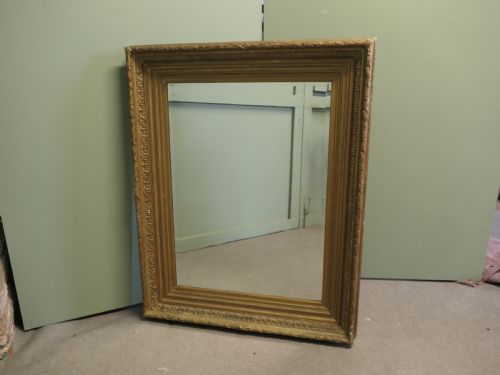
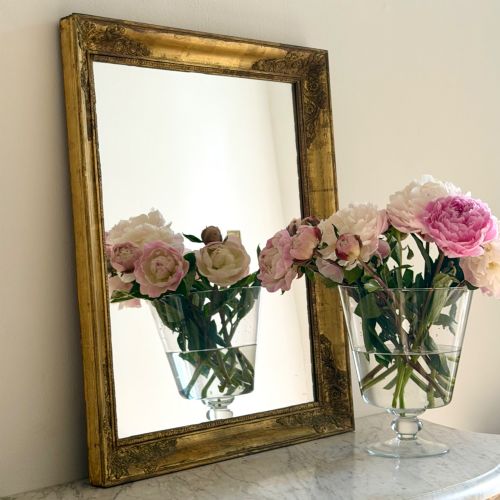
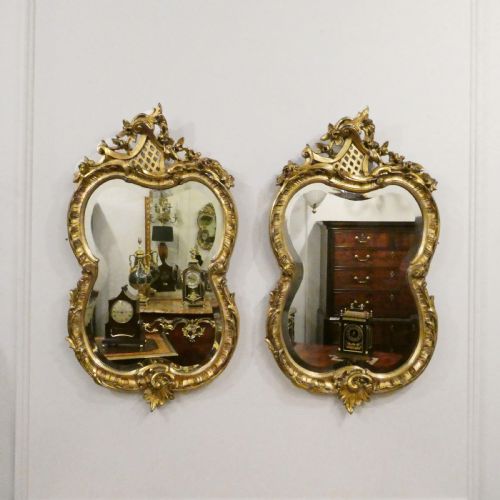
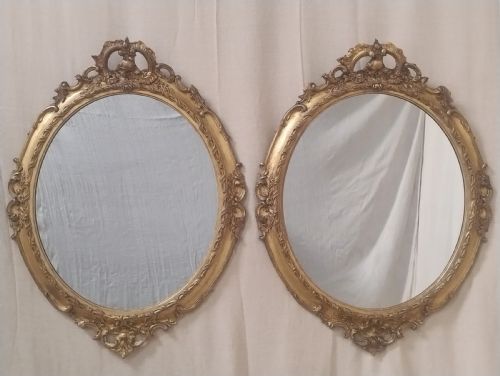
An antique french accent mirror is a decorative wall hanging or overmantel piece, typically originating from the nineteenth century or early twentieth century. These mirrors appear in various formats, including rectangular, oval, cartouche, and trapezoidal shapes designed to reflect light and enhance interior spaces.
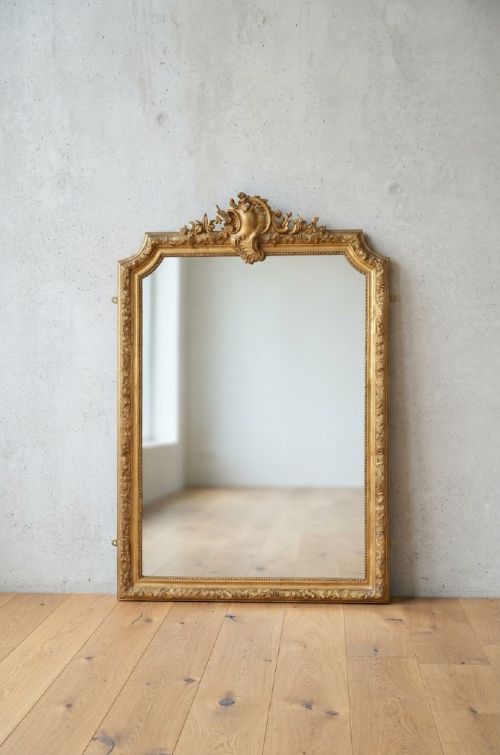
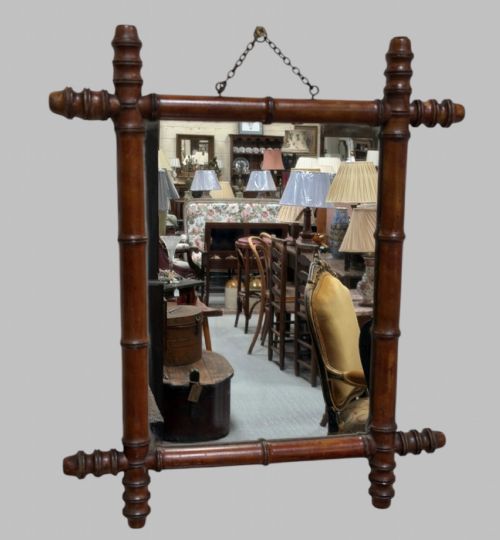
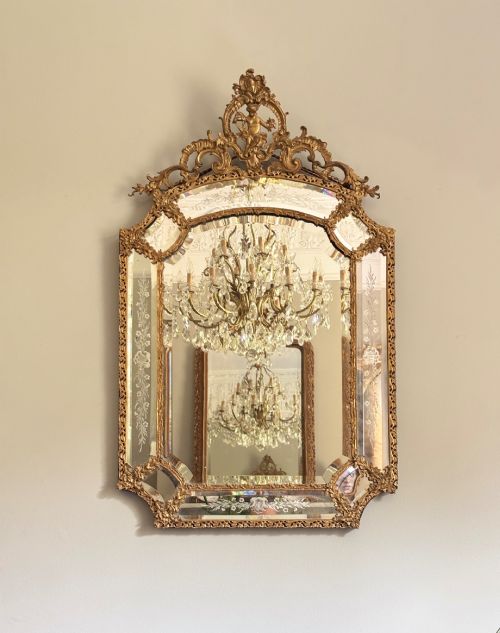
The selection includes pieces created in distinct regional interpretations, such as French Chateau, Rococo Revival, and Baroque styles. Many examples utilise traditional giltwood and gesso frames, while others display carved wood or alternative materials like bamboo.
Overmantel mirrors and wall mirrors dominate the selection, often featuring ornate cresting, floral motifs, or ribbon and bow details. Buyers encounter pieces spanning several decades of the nineteenth century, reflecting changing decorative tastes across European workshops.
How they were made
Frames are constructed primarily from wood, including oak, timber, and carved wood substrates that provide structural integrity. Artisans applied layers of gesso to the wooden base to create smooth surfaces suitable for subsequent gilding.
Giltwood, gold leaf, and silver-gilt finishes were applied to achieve reflective metallic surfaces, often burnished to catch the light. Paint, black lacquer, and gilt bronze provide alternative surface treatments seen across various examples.
Mirror glass is set within these frames, occasionally accompanied by painted silk panels or marble tops on related pedestal stands. Carving and rope twist details were shaped by hand before finishing.
Materials recorded on this page include giltwood, gesso, glass, paint, and carved wood.
What varies in quality
The depth and intricacy of the wood carving distinguish simpler frames from more elaborate examples. High-quality pieces display crisp relief work in the gesso and giltwood, particularly around foliate crests and scrollwork.
The integrity of the original gilding and the preservation of the mirror glass contribute significantly to an item's character. Frames retaining their original gold leaf or silver-gilt surfaces demonstrate superior craftsmanship compared to later overpainting.
The Antique French Accent Mirror Glossary
- Giltwood
- Wood that has been coated with gold leaf or a gold-coloured finish. This technique creates a luminous surface common on decorative frames from the nineteenth century.
- Gesso
- A plaster-like mixture applied to wood frames to create a smooth base for gilding. It allows carvers to achieve fine detail before applying metallic leaf.
- Overmantel mirror
- A large mirror designed to hang specifically above a fireplace mantelpiece. These pieces often span significant horizontal proportions to sit above hearths.
- Rococo Revival
- A nineteenth-century design style emulating the curved, asymmetrical ornamentation of the eighteenth-century French Rococo movement. It frequently incorporates C-scrolls, foliage, and naturalistic motifs.
- Cartouche
- An ornamental frame or tablet resembling a scroll or sheet of paper with rolling edges. In mirror design, it describes frames with distinctive, irregular scrolled outlines.
Antique French Accent Mirror: Frequently Asked Questions
How do I identify a Rococo Revival frame?
Rococo Revival frames display characteristic asymmetrical curves, C-scrolls, and plant motifs such as rose vines or foliate cresting.
They reflect the nineteenth-century revival of eighteenth-century French decorative arts.
Are the mirror plates original?
Many nineteenth-century mirrors retain their original glass, which may exhibit minor foxing or age spots from oxidation.
Replacement glass is sometimes fitted during restoration to ensure clarity.
What is an overmantel mirror used for?
An overmantel mirror was traditionally positioned above a fireplace to distribute light and fill the vertical space of the chimney breast.
Today, they function similarly in dining rooms, hallways, and principal reception rooms.