
Antique Framed Wall Picture
An antique framed wall picture brings historical depth and visual presence to a room through centuries of painted, printed or stitched artistry.
Antique Framed Wall Picture
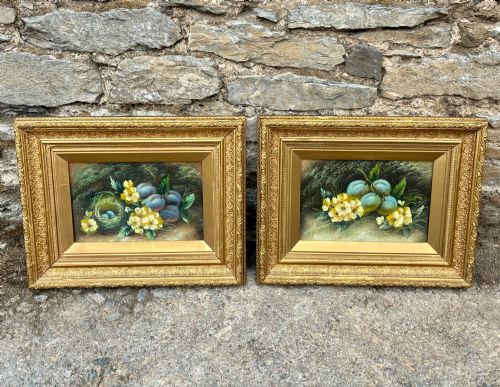
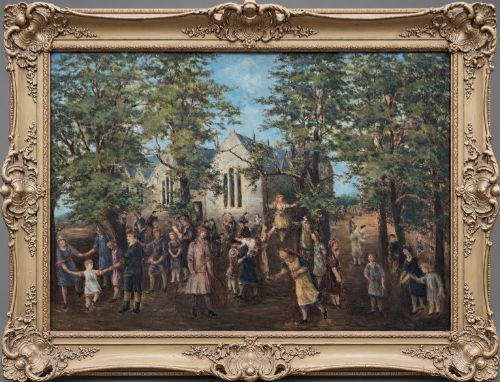
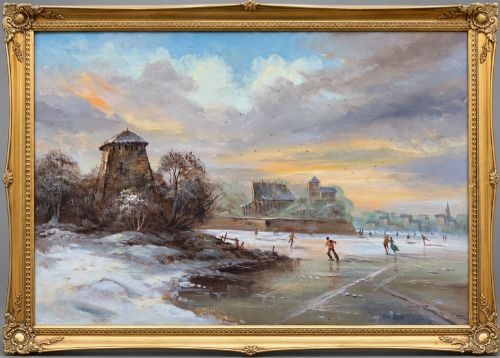
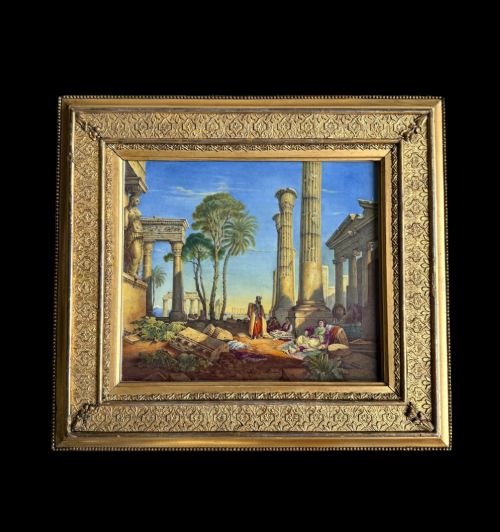
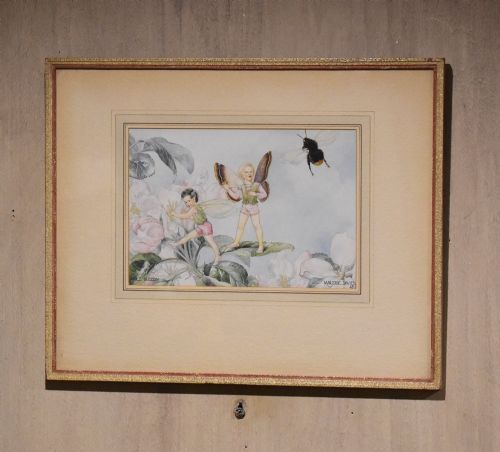
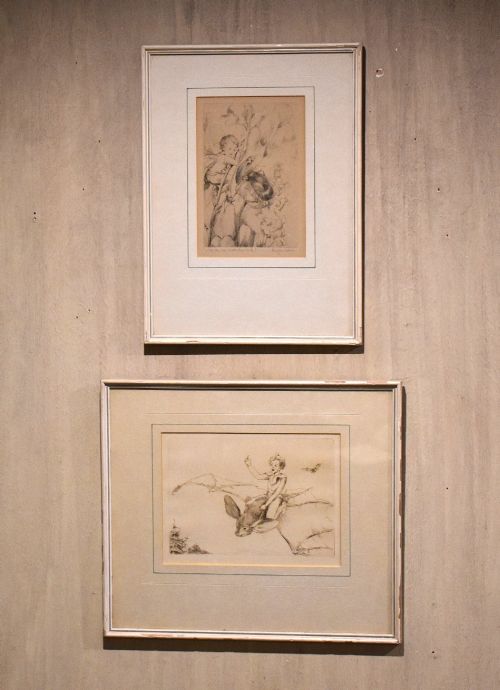
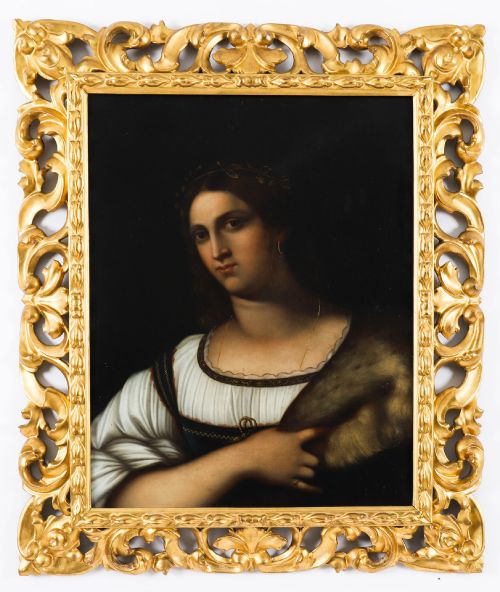
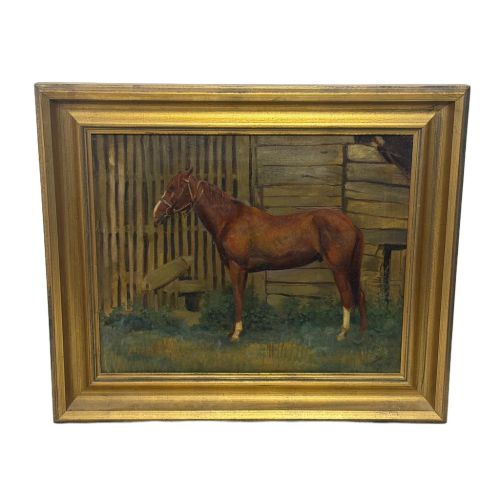
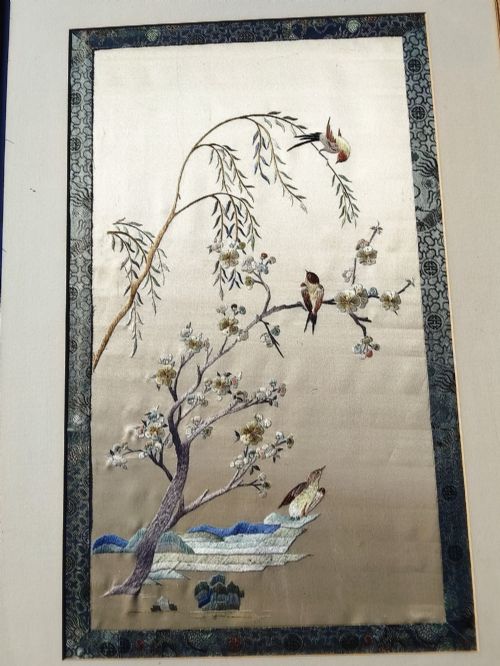
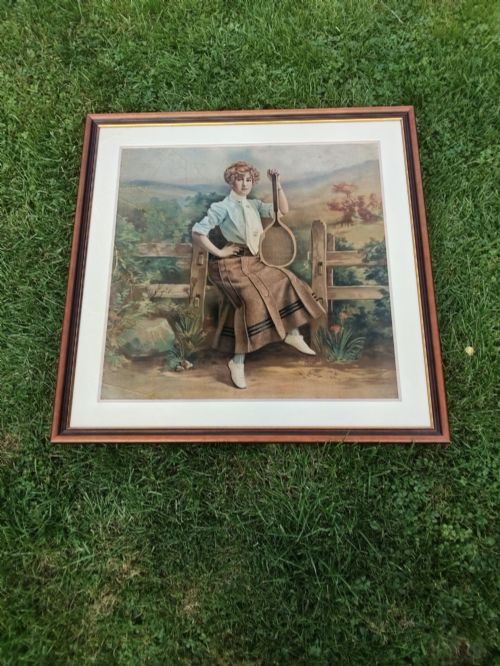
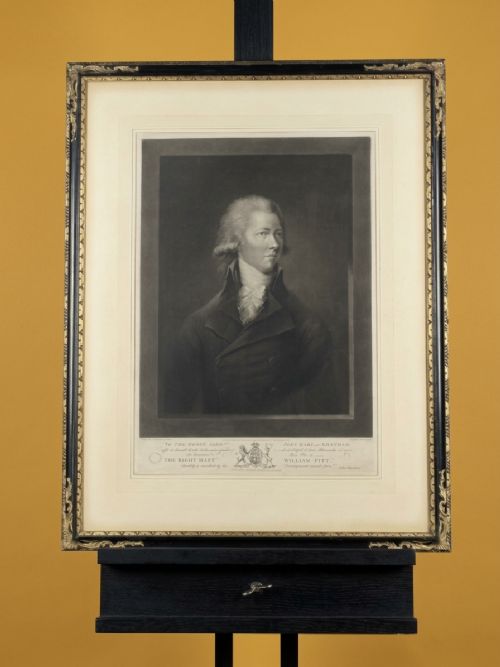
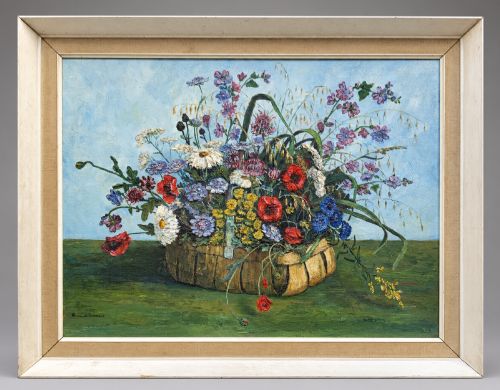
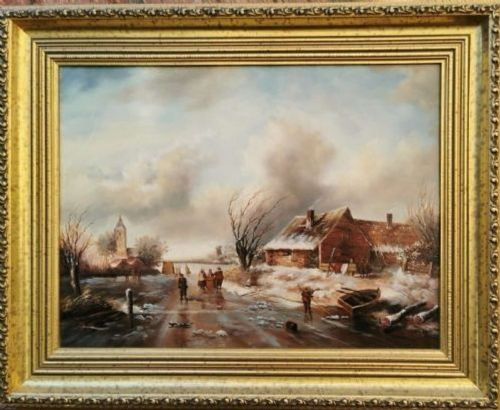
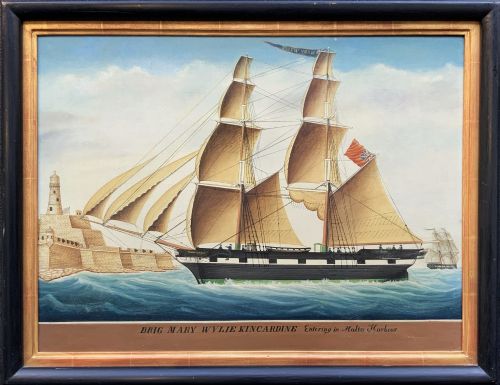
An antique framed wall picture encompasses oil paintings, watercolours, engravings, lithographs and needlework textiles spanning from the seventeenth century through to the mid-twentieth century. Buyers encounter oil on canvas portraits, delicate botanical watercolours and reverse glass mezzotints housed in period surrounds. Victorian and Edwardian examples sit alongside eighteenth-century works and pieces bearing distinct Georgian or Regency aesthetics.
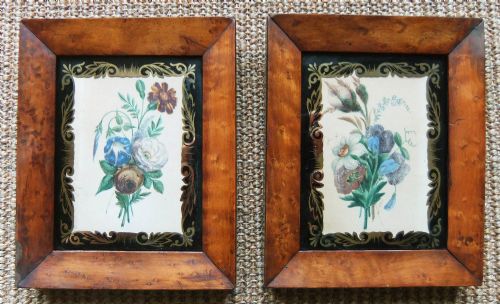
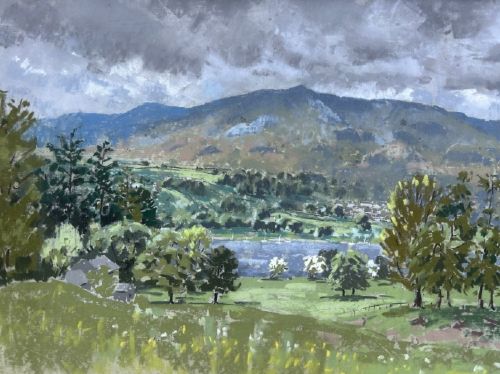
The version most commonly met on this page is the nineteenth-century oil painting or watercolour, often depicting landscapes, portraits or maritime scenes. These works frequently retain their original wooden, giltwood or burr maple frames, preserving the complete object as it hung in period interiors. Alongside these paintings, framed prints, woolwork panels and botanical studies represent the varied domestic output of past centuries.
Materials and technique
The physical construction relies heavily on traditional supports such as canvas, wood panels, paper and textiles, worked in oil, watercolour, pastel, ink or coloured thread. Canvases are stretched over wooden frames and secured within hand-carved or moulded surrounds of giltwood, gesso and rosewood. Glass protects delicate paper prints, watercolours and reverse glass mezzotints from atmospheric damage.
Makers utilised gold leaf, gesso and specialised pigments to build luminous surfaces on both the artwork and the protective housing. Frame construction often involved carved acanthus leaf decoration or burr maple veneers, matching the stylistic demands of periods from British Baroque to Academic Realism.
Listings span eight distinct centuries, with nineteenth-century works forming the largest grouping of framed art.
Judging the work
Quality rests upon the execution of the primary image, whether the confident brushwork of an oil painting or the meticulous hand-colouring of an eighteenth-century engraving. Superior pieces demonstrate anatomical accuracy, spatial depth and a sure handling of light that separates professional studio output from vernacular production.
The relationship between the artwork and its frame dictates much of the visual success. Original frames that complement the exact period and style of the picture elevate the piece, whereas mismatched or later replacements alter the integrity of the object.
Sir Godfrey Kneller·Maurice Quentin de la Tour·Sebastiaan Vrancx·Sir Peter Lely·William Powell Frith
The Antique Framed Wall Picture Glossary
- Reverse glass mezzotint
- A print transferred onto glass and hand-coloured from the reverse side. This technique produces a glossy finish and vibrant hues unique to eighteenth-century interior decoration.
- Giltwood
- Timber carved and coated with a thin layer of gold leaf or metallic powder. It provides a reflective, ornate border designed to catch candle or natural light.
- Berlin work
- A type of coloured needlework pattern charted on squared paper popular during the nineteenth century. Wool is stitched onto canvas to create textured images like animals or domestic scenes.
- Plushwork
- A textile craft using raised, velvet-like pile threads to form tactile surface decoration. It adds a distinct three-dimensional texture to Victorian wall hangings.
- Gesso
- A plaster mixture applied to wood frames and moulded into decorative reliefs before gilding. It allows for crisp, intricate ornamentation such as floral or leaf motifs.
Antique Framed Wall Picture: Frequently Asked Questions
How do I date an antique picture?
Dating relies upon examining the materials of the support, the formulation of the pigments, and the construction methods of the frame. Stylistic clues within the subject matter, such as costume and hairstyle, also provide reliable chronological markers.
Paper stock, canvas weave and stretcher construction offer further physical evidence for narrow timeframes. Comparing the backing boards and fixings helps confirm whether the picture remains in its original housing.
Are these works original?
The inventory includes original hand-painted oils and watercolours alongside period engravings, lithographs and printed reproductions. Each listing specifies the exact medium used to create the image.
Printed items are often period impressions rather than modern copies, capturing the printmaking technology of their respective centuries. Hand-coloured prints feature applied pigment over ink lines.
How should I hang these pieces?
Antique framed wall pictures require stable wall fixings suited to the weight of solid wood and plaster frames. Secure picture wire or brass rings attached to the original frame structure distribute the load evenly.
Placement should avoid direct sunlight and damp environments to protect vulnerable paper, canvas and gilt surfaces from fading or moisture damage. Maintaining consistent indoor temperatures preserves the wooden frames.
What is a reverse glass mezzotint?
A reverse glass mezzotint involves transferring a printed mezzotint image onto the underside of a glass pane. The artisan then applies oil colours and metallic leaf directly to the back of the glass.
When viewed from the front, the glass acts as a protective glaze while imparting a luminous, enamel-like quality to the colours. This technique was particularly fashionable during the eighteenth century.