
Antique Framed Needlepoint
Antique framed needlepoint brings hand-stitched historical scenes and samplers onto the wall inside period wood and gilt surrounds.
Antique Framed Needlepoint
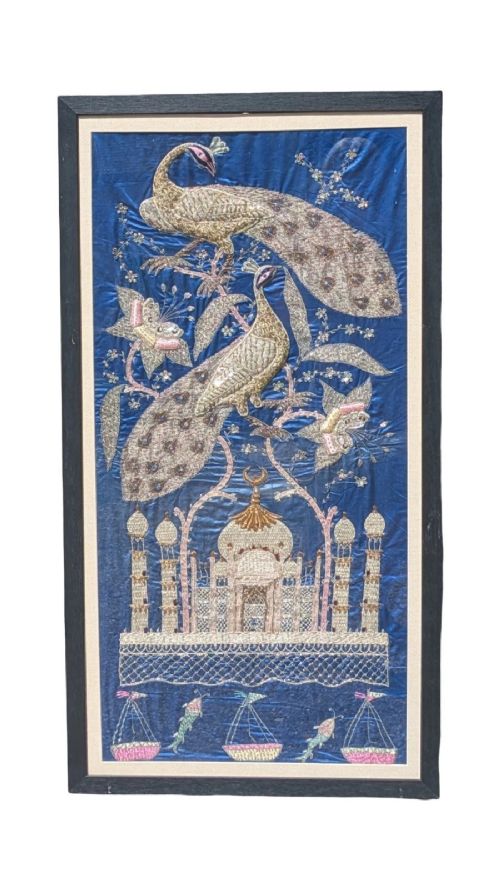
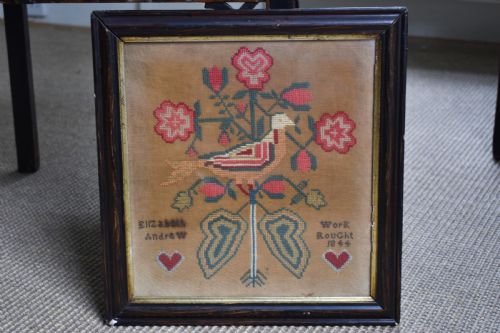
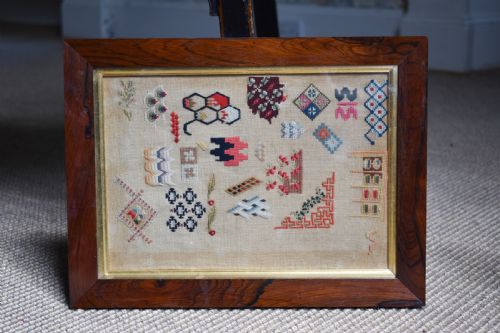
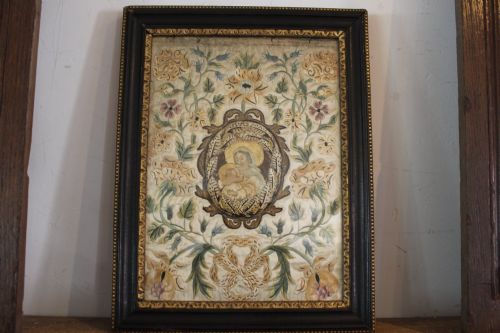
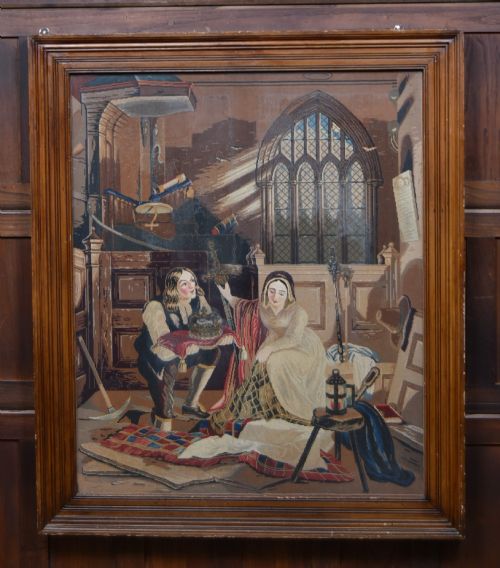
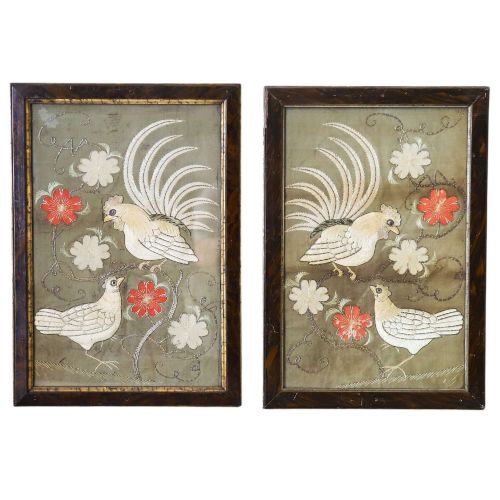
When searching for antique framed needlepoint, buyers encounter textile art ranging from early schoolgirl samplers to large woolwork pictures and silk embroidered panels. These pieces span centuries of domestic handcraft, originating from English, French, Chinese and continental workshops in various regional styles.
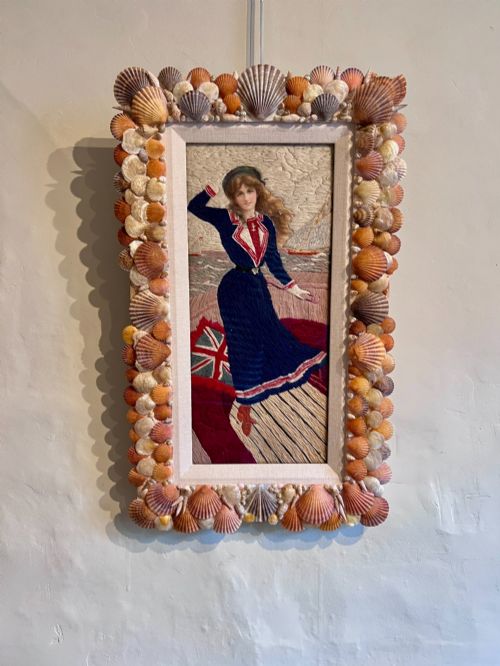
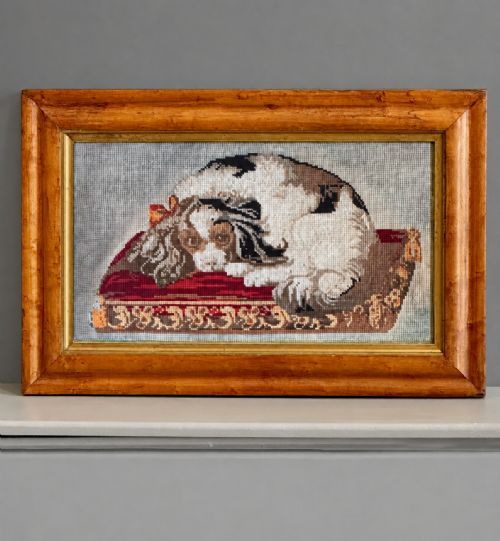
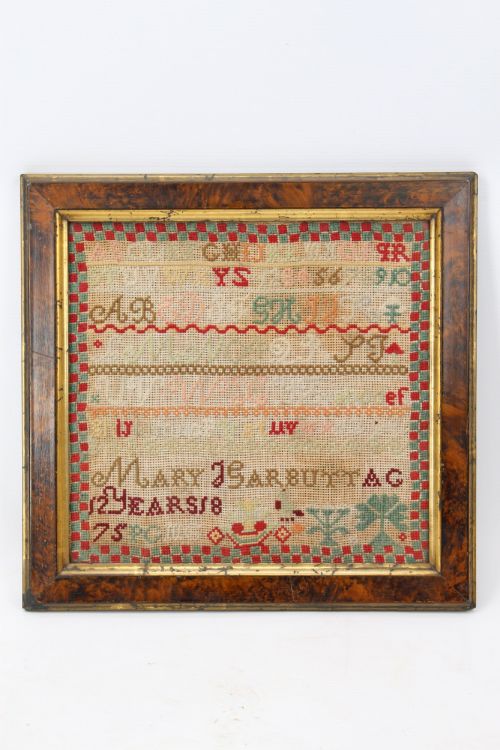
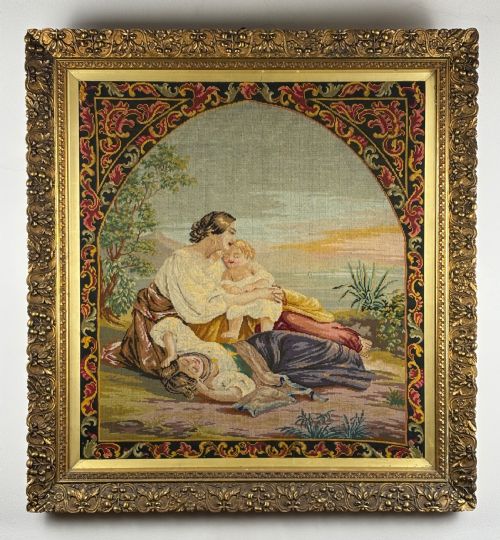
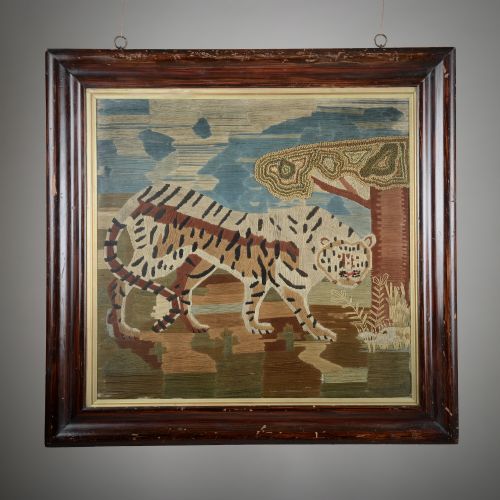
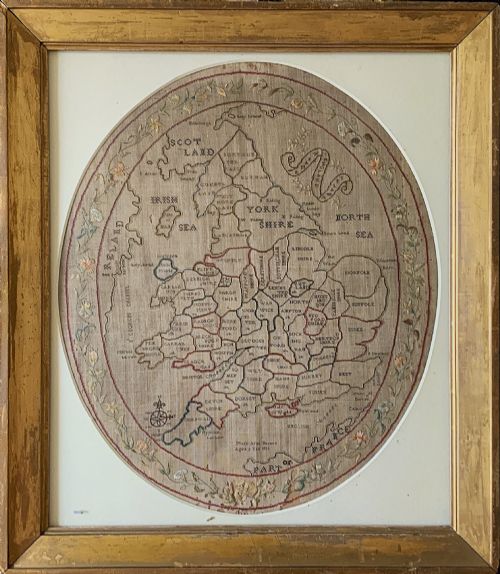
The nineteenth century provides the highest volume on this page, dominated by Victorian Berlin woolwork, woolies depicting sailors, and plushwork animals. Earlier examples stretch back to the seventeenth century with band samplers, beadwork fragments, and classical embroidered panels framed behind glass.
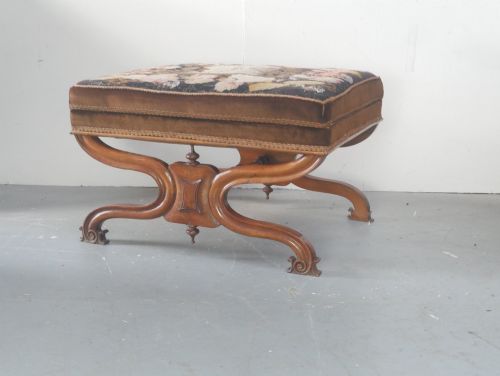
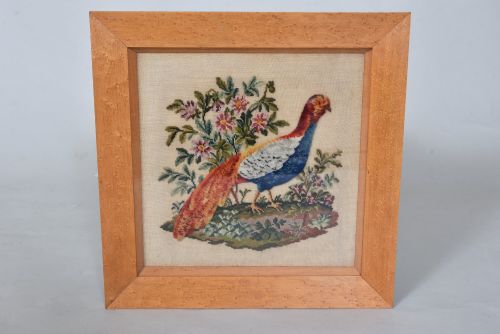
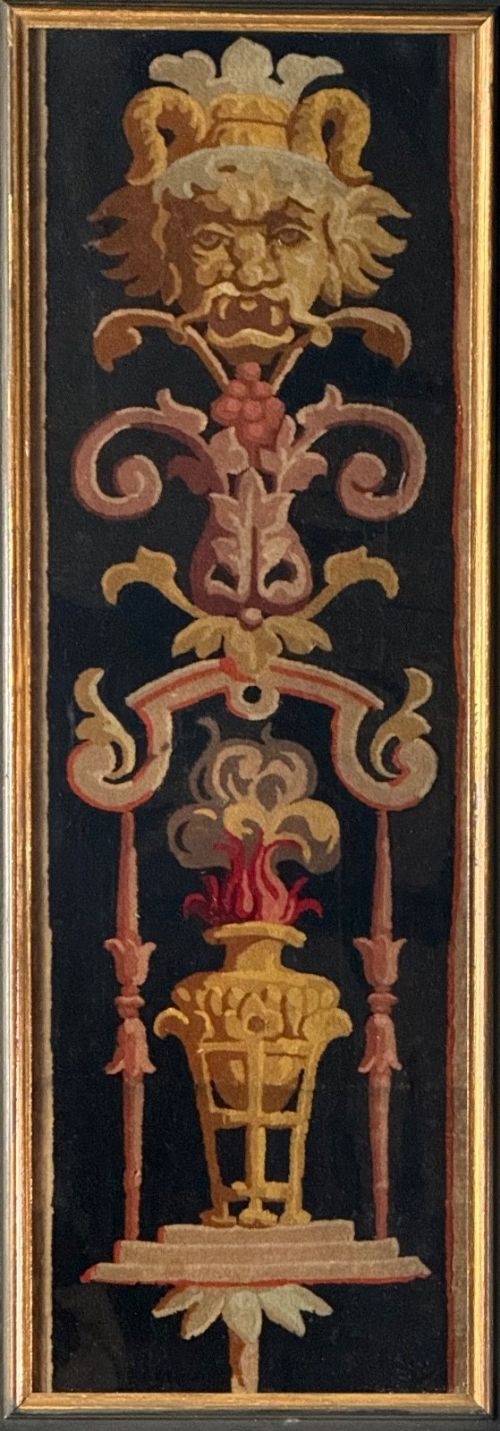
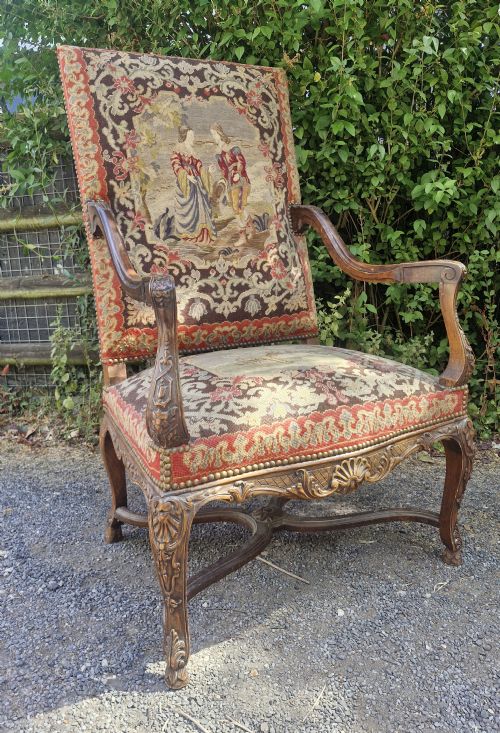
Beyond wall art, the selection includes framed textile fragments integrated into furniture such as Scottish baronial stools and carved armchairs. Most domestic output focuses on framed wall panels, botanical studies, pastoral farming pictures, and narrative scenes from literature.
How They Were Made
Needlework pieces are constructed by working wool, silk, or metal thread onto a foundation of canvas, linen, or silk mesh using various embroidery stitches. Gros-point and tent stitches create dense woolwork pictures, while finer silk floss handles detailed facial expressions and botanical motifs.
Frames form an integral part of the construction, utilising materials such as wood, giltwood, burr maple, and faux tortoiseshell. Many period panels are protected behind glass, occasionally incorporating verre églomisé borders to frame the textile artwork.
Materials recorded across the inventory include wool, silk, linen, glass, canvas, and gilt wood.
What Varies in Quality
Quality rests in the precision of the stitching and the complexity of the design, distinguishing hurried schoolroom exercises from accomplished pictorial works. The integration between the textile and its original housing dictates overall preservation.
Original frames - particularly burr maple, period giltwood, or verre églomisé glass mounts - elevate a textile above pieces placed in later substitute surrounds. The condition of the thread fibres and the survival of fugitive silk colours heavily influence desirability.
The Antique Framed Needlepoint Glossary
- Berlin Work
- A type of needlepoint worked in wool on canvas from painted squared paper charts, highly popular during the nineteenth century. It allowed stitchers to create elaborate, colourful pictorial scenes with shaded depth.
- Sampler
- A piece of needlework produced by a beginner or child to demonstrate mastery of various stitches and alphabets. They often record the maker's name, age, and date, providing a firm historical record.
- Plushwork
- A variant of needlework where loops of wool are cut to create a velvet-like, raised pile texture. This technique gives animals and subjects a tactile, three-dimensional presence.
- Band Sampler
- A long, narrow format popular in the seventeenth century featuring horizontal bands of different geometric and floral embroidery patterns. They served as permanent pattern reference libraries for the household.
- Verre Églomisé
- A process of applying cold gilding and painting to the rear face of glass to create a decorative mirror finish. It appears on quality frames surrounding period silkworm and woolwork pictures.
Antique Framed Needlepoint: Frequently Asked Questions
How do I date an antique sampler?
Many samplers include embroidered dates, children's ages, and maker names directly within the canvas layout, offering a clear point of origin. Lettering styles, framing materials, and the progression from seventeenth-century band formats to Victorian pictorial woolwork provide further chronological markers.
Examining the reverse of the frame often reveals ageing timber, old hand-cut nails, or historic backing papers that corroborate the operational period of the textile.
What is the difference between tapestry and needlepoint?
Needlepoint is stitched onto an open-weave canvas foundation where the thread covers the entire mesh grid in counted patterns. True tapestry is woven on a loom as an integrated fabric structure during the creation of the textile itself.
Many antique pieces described as tapestries in historical trade terms are actually heavy wool needlepoint or gros-point embroidery panels intended for wall hanging.
How should I hang needlepoint away from sunlight?
Silk and wool threads used in antique needlework are sensitive to ultraviolet light, which causes historical dyes to fade rapidly over time. Hang pieces on interior walls away from direct sunlight and strong halogen spotlights to preserve pigment integrity.
Maintaining stable room humidity prevents the degradation of antique canvas foundations and protects delicate wooden or gilt frames from warping.
Are framed needlework panels fragile?
Historical textiles rely on tensioned canvas and framing support to maintain their structural integrity without tearing or sagging. Silk threads from the Georgian and Victorian eras are particularly prone to splitting if subjected to physical shock or heavy vibration.
Glazed frames protect the delicate stitching from atmospheric dust, airborne grease, and direct physical contact, ensuring the textile remains stable during display.