



Antique Footstool Gold
These antique footstool gold pieces bring warmth and gilded nineteenth-century craft to a room.
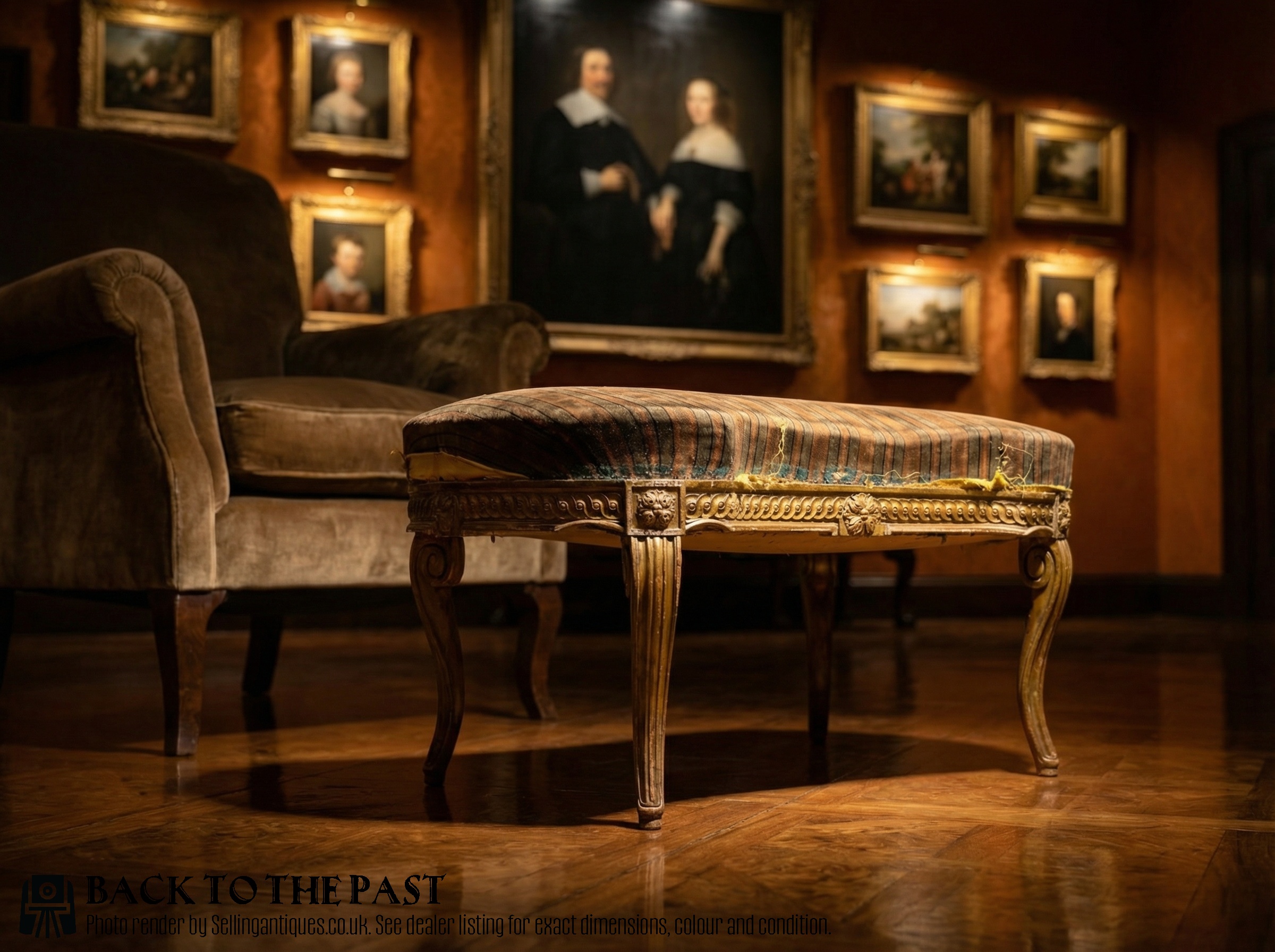
Antique Footstool Gold
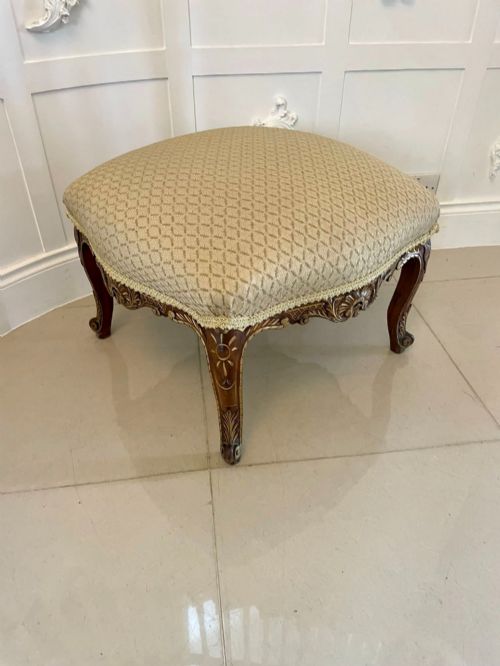
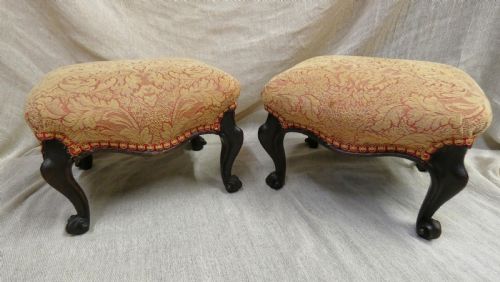
An antique footstool gold search uncovers a collection dominated by nineteenth-century Victorian and French revival pieces. These low seats serve as functional footrests or decorative dressing stools.
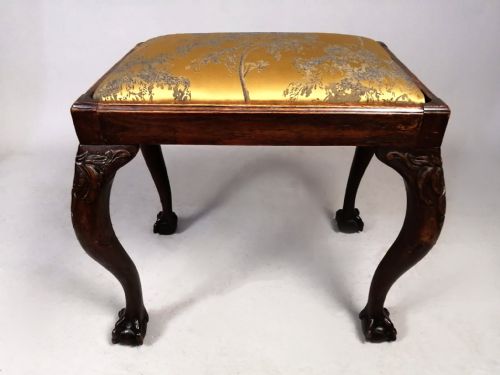
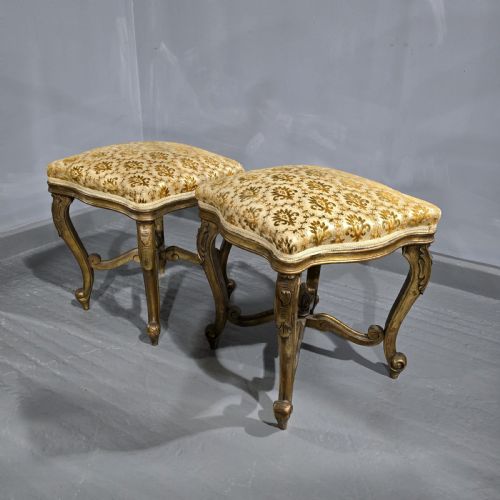
The inventory includes walnut, mahogany, and giltwood frames upholstered in silk, velvet, and patterned fabric. Makers range from Paris workshops to English cabinet makers working in revival styles.
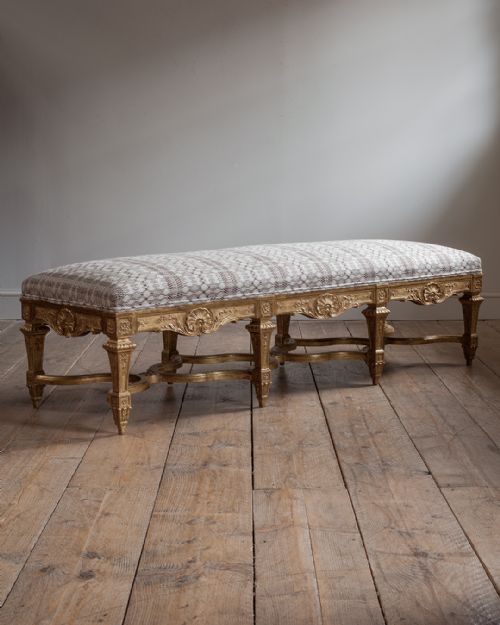
Buyers encounter everything from grand parcel-gilt centrestools to small boudoir stools and rocking gout stools. The variety spans Louis XIV, Louis XVI, and Rococo interpretations alongside standard Victorian forms.
Materials and Construction
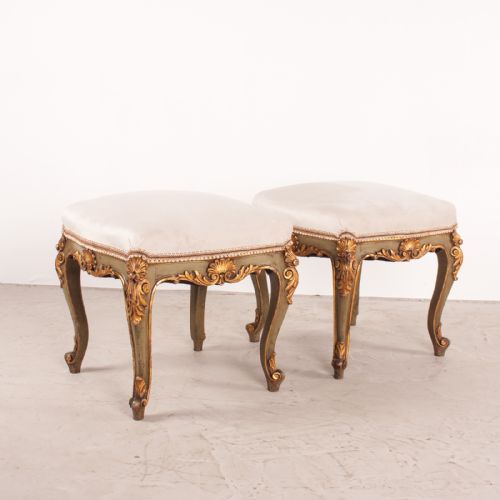
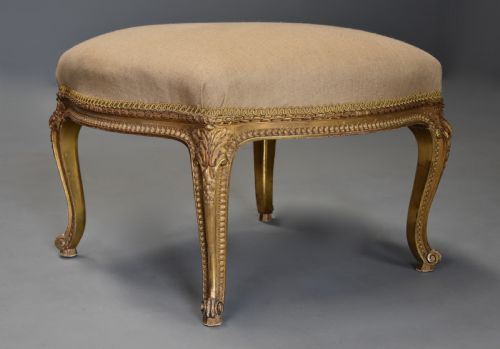
Frames rely on hardwoods such as walnut, mahogany, and timber, shaped through hand carving and joinery. Gilding is applied to the wood using gold leaf or paint to achieve a luminous finish.
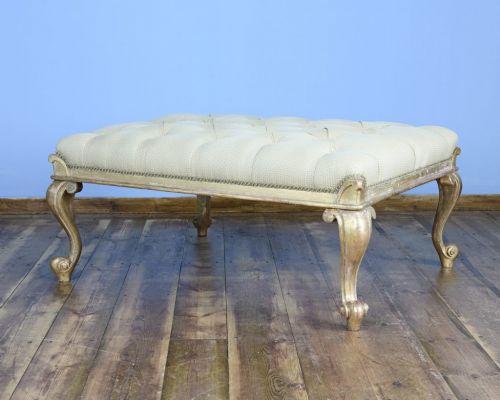
Upholstery uses traditional stuffing enclosed in textiles like velvet, silk, and woven fabric. Buttoning and decorative trims secure the cushioning to the wooden base.
Listings feature eighteenth and nineteenth-century periods, spanning Georgian, Regency, Victorian, and Edwardian eras.
Assessing Quality and Craftsmanship
Quality rests upon the crispness of the wood carving and the integrity of the gilding. Deft hand carving on walnut or giltwood separates superior workshop output from simpler production.
The durability of the frame and the choice of original textile finish influence the standing of each piece. Maker stamps provide distinct markers of origin and high-tier attribution.
LOIDRAULT FRERES PARIS·A M E Fournier
The Antique Footstool Gold Glossary
- Giltwood
- Timber treated with gold leaf or a gold-coloured finish. This surface treatment defines much of the nineteenth-century seating on display.
- Parcel Gilt
- Woodwork where only specific carved details receive gilding while the base timber remains exposed or painted. It highlights particular decorative motifs on the frame.
- Ottoman
- A padded seat or footstool without a back, sometimes incorporating internal storage. These larger pieces function as flexible living room furniture.
- Curule Stool
- An ancient Roman chair shape revived in nineteenth-century design, featuring X-shaped legs. These pieces add a classical architectural silhouette to interiors.
- Gout Stool
- An adjustable footrest designed to elevate feet affected by discomfort. Nineteenth-century versions often incorporate rocking mechanisms for gentle movement.
Antique Footstool Gold: Frequently Asked Questions
How do I use a gilt footstool today?
These pieces fit easily beside armchairs as functional footrests or serve as low decorative seats in dressing rooms.
Their compact size allows them to move between rooms as flexible accent seating.
What periods do these gold stools come from?
The selection draws primarily from the nineteenth century, encompassing Victorian and Regency eras.
French revival styles from the same period appear frequently alongside earlier Georgian influences.
How do I identify a French style stool?
French revival pieces often display intricate giltwood carving inspired by Louis XIV and Louis XVI designs.
Upholstery choices like red silk and deep buttoning point toward continental aesthetic traditions.
What fabrics are used for upholstery?
Original and replacement coverings include plush velvet, woven fabric, and rich silk.
Buttoned finishes and decorative trims are common across Victorian and French styles.