





Antique Folk Portrait
An antique folk portrait captures the unvarnished character of ordinary people and animals through the direct hand of self-taught provincial painters.
Antique Folk Portrait
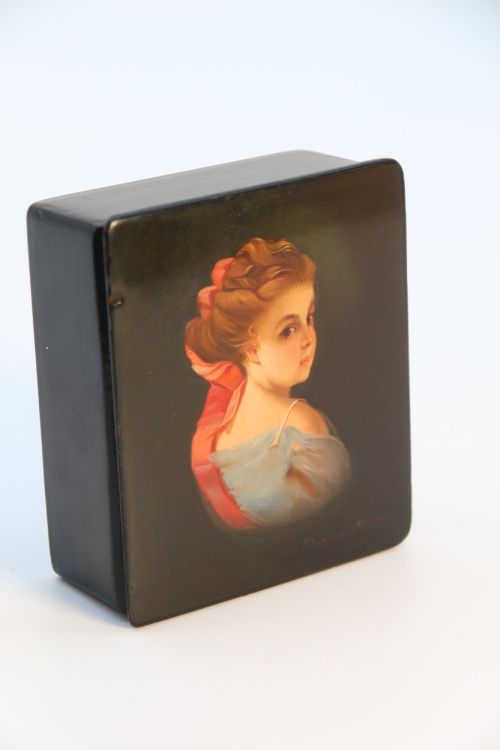
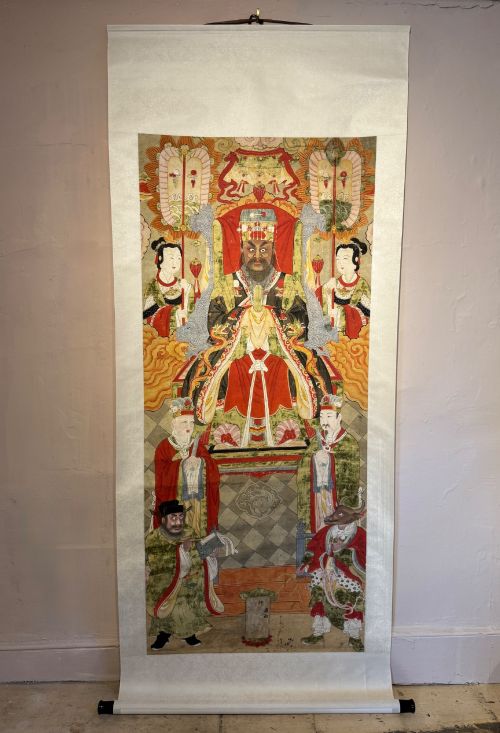
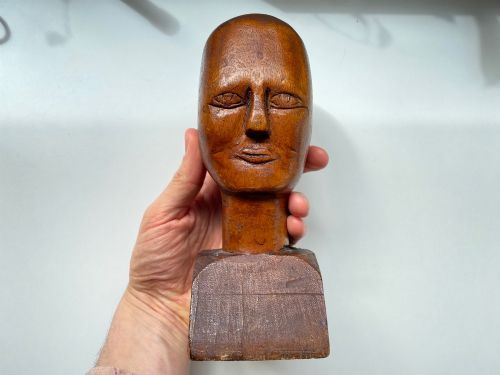
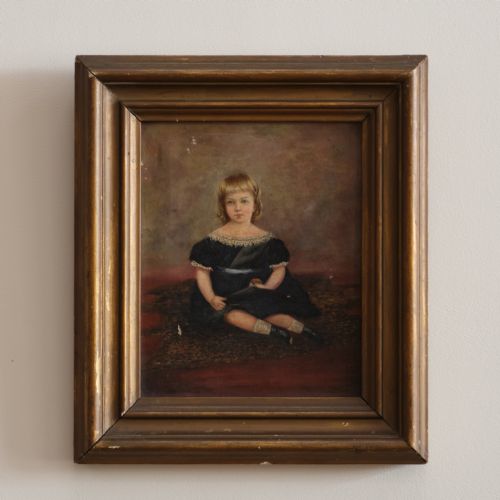
When you search for an antique folk portrait, you encounter unpretentious depictions created outside academic traditions during the eighteenth, nineteenth, and early twentieth centuries. These works record sitters with a flat perspective and straightforward honesty, relying on the maker's eye rather than formal training in proportion.
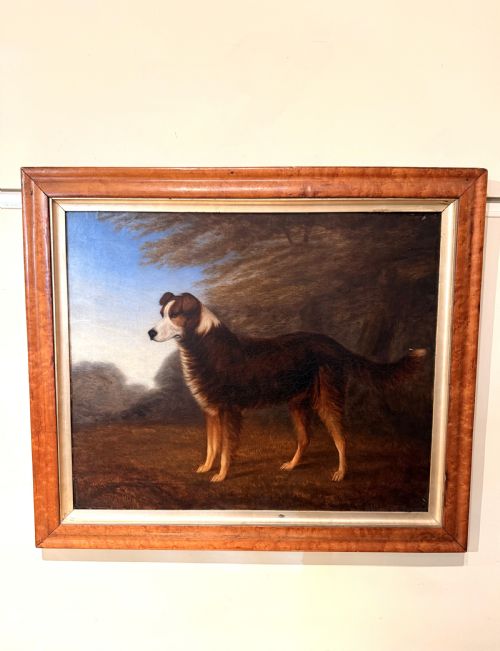
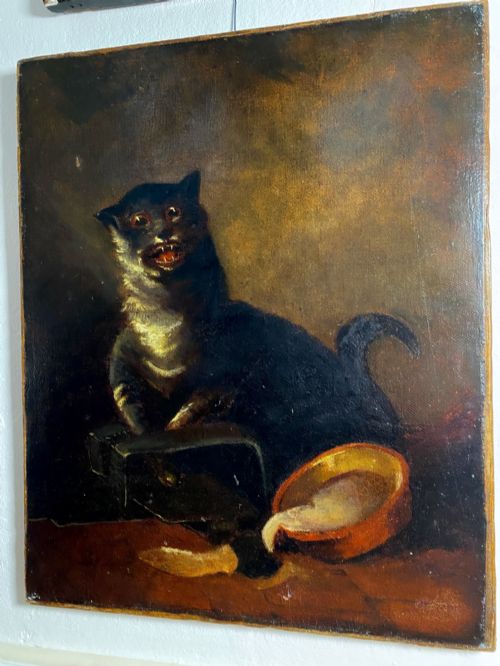
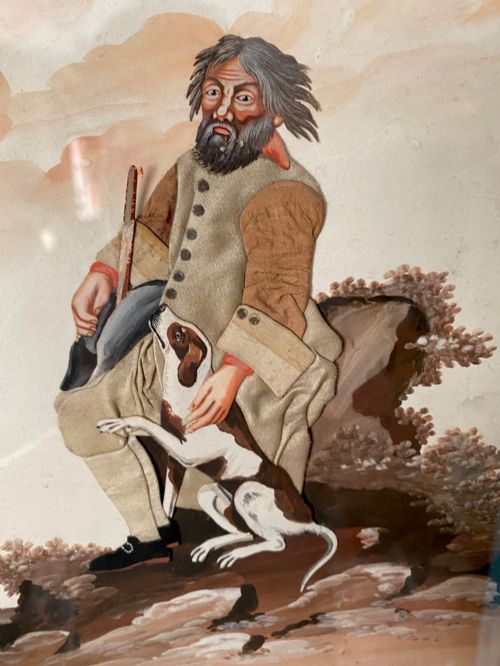
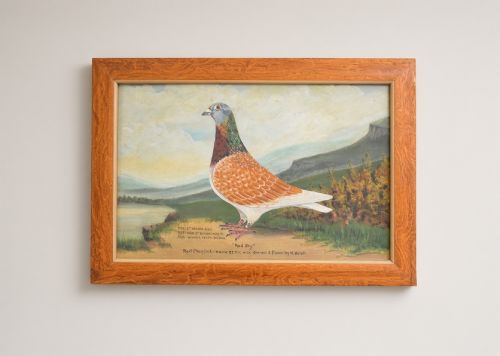
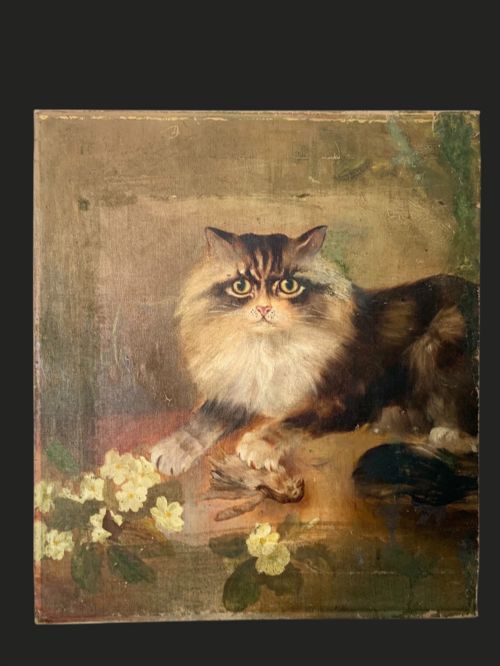
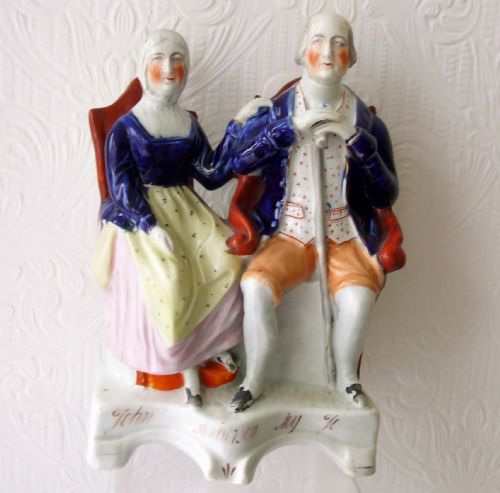
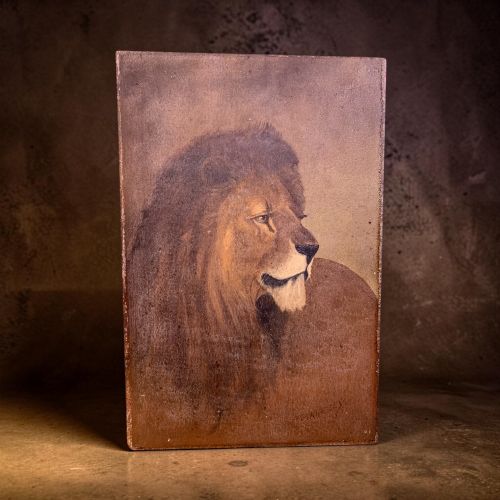
The nineteenth century provides the greatest number of examples on this page, spanning canvas, panel, and paper. Portraits of children, gentlemen, and family groups appear alongside representations of animals and provincial characters painted by makers working in British, American, and European naive styles.
How they were made
Makers utilised oil paint applied to canvas, wood panels, or board, building up plain surfaces with direct brushwork. Others worked in watercolour and ink on paper, sometimes framing their subjects in rosewood or mounting panels for display.
Support materials reflect local availability and common household items repurposed by provincial artists. Canvases show simple stretches, while panel paintings utilise timber boards prepared with basic grounds before receiving pigment.
Antique Folk Portrait Retail Price Guide 2026
Typical asking prices for folk portrait among the pieces listed under this phrase on Sellingantiques today, from the lower quarter to the upper quarter. They describe what is for sale here now, not the wider market.
Listings span the eighteenth, nineteenth, and early twentieth centuries, incorporating oil on canvas, watercolour on paper, and wood panels.
What varies in quality
The strength of a piece rests in the directness of the characterisation and the confidence of the line. Superior works capture an uncompromised psychological presence that draws the viewer to the sitter, regardless of anatomical accuracy.
Compositional layout and the preservation of original surfaces distinguish individual examples. Intact framing, legible period inscriptions, and minimal intervention separate pieces retaining their original visual power from those heavily restored.
Ferruccio Vitale·J Brown
The Antique Folk Portrait Glossary
- Naive school
- Art produced by painters lacking formal academic training, characterised by flattened perspective and direct representation. It values expressive immediacy over classical proportions.
- Primitive
- A descriptive term for early works executed with rudimentary techniques and simple materials. These pieces predate academic refinement in regional art.
- Panel painting
- An artwork executed on a rigid wooden support rather than flexible canvas. Wood panels provide a sturdy ground for oil and pigment in earlier provincial works.
- Watercolour
- A paint method using water-soluble pigments applied to paper. It appears frequently in intimate nineteenth-century portraiture and records fine linear details.
Antique Folk Portrait: Frequently Asked Questions
What defines an antique folk portrait?
These works are paintings and watercolours produced by self-taught or provincial artists who worked outside the established academic rules of proportion and perspective.
They depict sitters with a direct, honest simplicity that captures individual character through unvarnished observation rather than polished technique.
How were these portraits used?
Provincial families commissioned or purchased these likenesses to record loved ones, children, and esteemed pets for domestic display in homes.
They served as personal mementoes and records of lineage, functioning within communities where academic portrait painters were unavailable or unaffordable.
How do I live with these pieces?
Display these works away from direct sunlight to protect fragile watercolours, oil pigments, and nineteenth-century papers from fading over time.
Keep them in stable room environments with controlled humidity to preserve wooden panels, frames, and canvas integrity.
How do I tell periods apart?
Eighteenth-century examples often feature muted earth palettes and simpler wooden panels, while nineteenth-century pieces frequently utilise canvas supports and brighter provincial pigments.
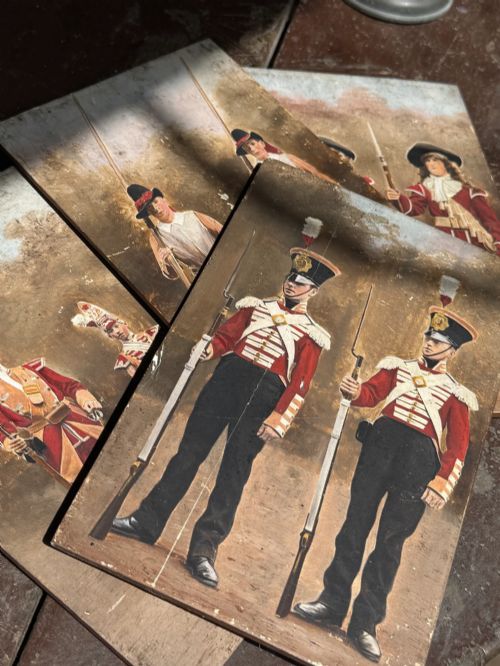
Early twentieth-century works introduce fairground panels and distinct folk-art revivals alongside traditional regional materials.