




Antique Folk Art Display
These pieces of antique folk art display bring vernacular character and handmade narrative straight into domestic spaces.
Antique Folk Art Display
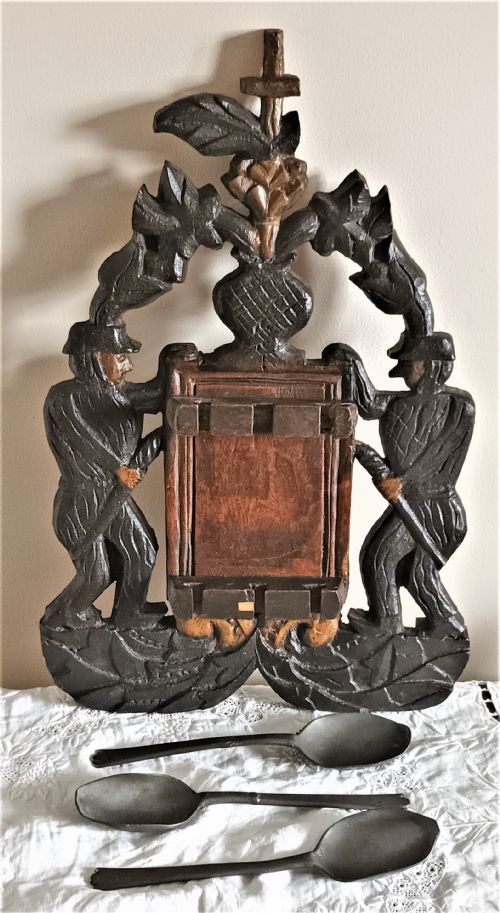
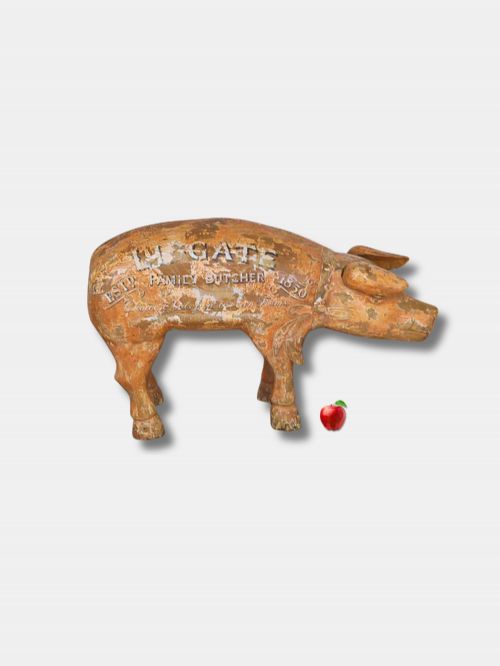
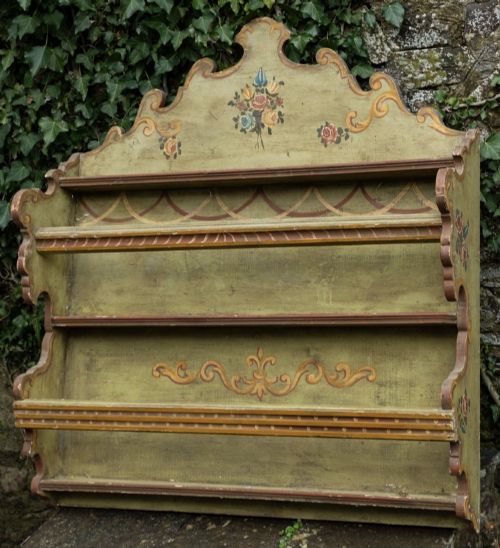
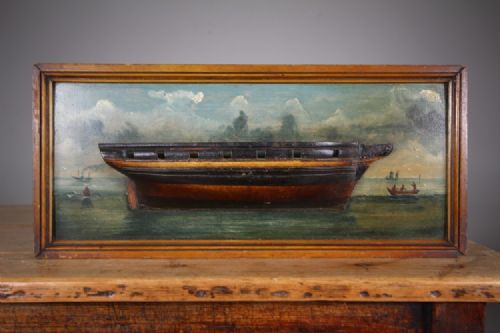
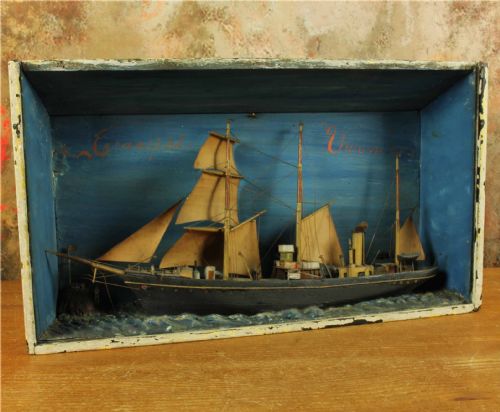
When you search for antique folk art display, you find vernacular objects made outside the formal academic traditions of design. These pieces include maritime dioramas, trade signs, wall shelves, and shop display models from the eighteenth, nineteenth, and early twentieth centuries. The selection leans heavily toward maritime dioramas, painted wooden trade signs, and functional household pieces like spoon racks.
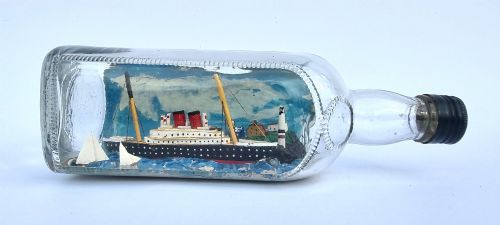
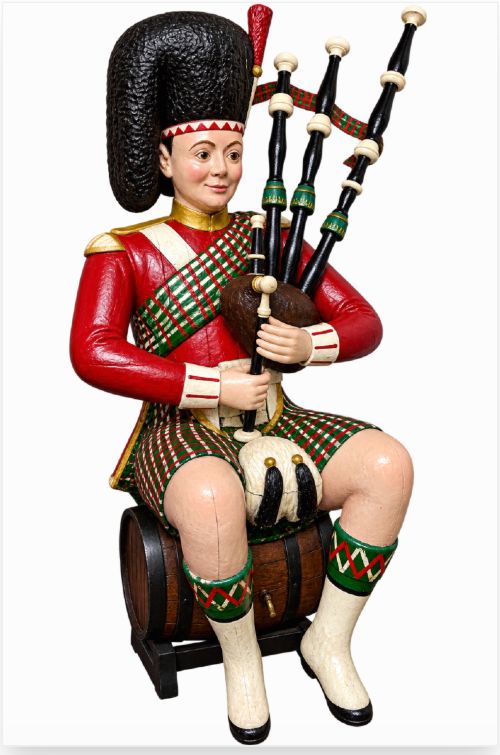
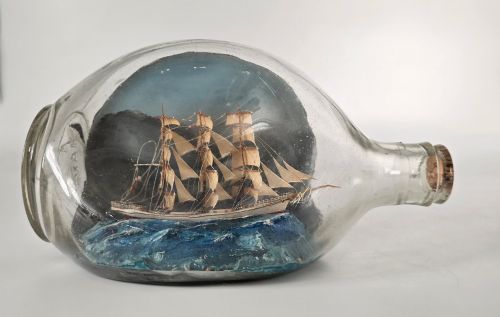
Originating across Britain, Europe, and America, these items served commercial, decorative, or personal purposes in everyday life. You encounter figures, ship models in boxes or bottles, and carved shop displays that once advertised butchers, bakers, and milliners. Each object reflects the regional materials and traditions of its maker, from Dutch polychrome chargers to Swedish painted cabinets.
How they were made
Makers utilised readily available timber such as pine, oak, and other native woods, shaping them with hand tools, carving, and peg construction. Many surfaces carry original layers of paint, showing how creators transformed plain wood and plaster into striking commercial and decorative statements.
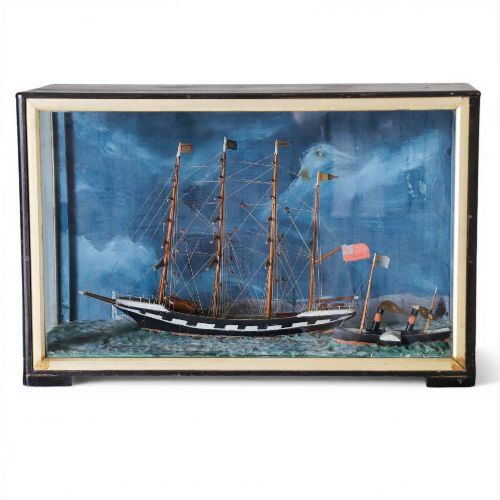
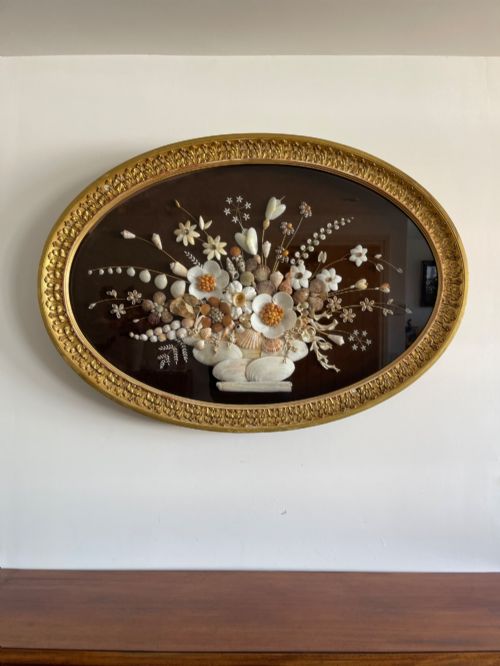
Maritime dioramas and shadow boxes combine painted backdrops with carved wooden hulls, glass fronts, and intricate rigging made from thread or wire. Shellwork pictures and grottoes incorporate natural marine specimens arranged meticulously by hand to create layered textures.
Sailors constructed intricate dioramas at sea using scraps of bone and canvas, turning lonely voyages into miniature floating worlds.
What varies in quality
The strength of an antique folk art display depends upon the conviction of the carving and the preservation of its original surface. Pieces retaining their unstripped, patinated paintwork carry greater visual power than those stripped back to raw timber.
Proportion and scale distinguish finer display items from simpler utilitarian versions. Stronger examples exhibit deliberate composition, spatial depth within dioramas, and expressive character in trade figures.
The Antique Folk Art Display Glossary
- Diorama
- A three-dimensional scene enclosed in a box or case, often depicting ships at sea or interior rooms using layered perspective. This form allowed makers to construct miniature worlds with remarkable spatial depth.
- Trade sign
- A board or figure hung outside a shop or placed inside to advertise specific goods and services. These objects rely on bold lettering and figurative carving to communicate trade to a largely literate or semi-literate public.
- Polychrome
- Decorated in multiple colours, frequently seen on ceramics, carved figures, and painted furniture from the eighteenth and nineteenth centuries. This technique brings vibrancy and decorative contrast to the surface.
- Trefid spoon
- An early form of spoon with a lobed, three-cleft terminal on the handle, commonly found in pewter during the seventeenth and eighteenth centuries. These items often appear alongside oak spoon racks in early dining collections.
Antique Folk Art Display: Frequently Asked Questions
What is antique folk art display?
Antique folk art display encompasses vernacular objects, trade signs, shop models, and dioramas made by self-taught or traditional craftsmen. These pieces reflect regional practices and everyday commerce rather than academic studio design.
Items range from large painted pine business signs to detailed maritime ship models housed in glass boxes and bottles.
How were trade signs used?
Shopkeepers utilised trade signs outside and inside their premises to signal their specific trade to passersby. Figures of butchers, bakers, and milliners, alongside large painted boards, served as physical advertisements.
These objects stood on counters or hung from brackets, combining utility with direct visual communication.
How do I date a maritime diorama?
Dating maritime dioramas involves examining the vessel types, rigging styles, construction techniques, and enclosing cases. Ship designs shifted from four-masted sailing vessels to steam barges across the nineteenth and early twentieth centuries.
Materials such as early hand-blown glass, construction pine, and aged adhesives offer further clues to the period of creation.
How do I care for painted folk art?
Preserving painted folk art requires keeping pieces away from direct sunlight and maintaining stable indoor humidity. Harsh chemical cleaners strip fragile historic patinas, so gentle dusting with a soft brush remains best.
Protecting original surfaces ensures the character and pigment layers survive intact for future years.