





Antique Folio Cabinet
An antique folio cabinet holds large papers, prints and maps flat and safe, bringing traditional library practicality into a modern room.
Antique Folio Cabinet
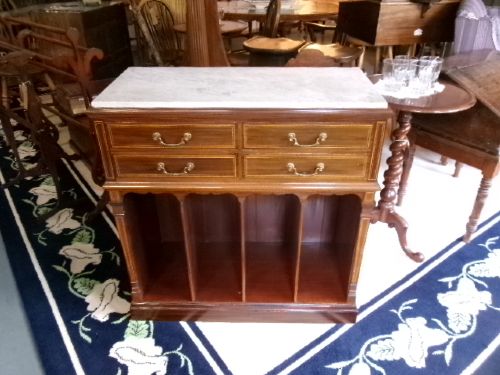
An antique folio cabinet is designed specifically for the storage of large sheets of paper, prints, drawings and maps without bending them. The pieces found here span multiple periods, from the eighteenth century through the Victorian and Edwardian eras, reflecting changing domestic tastes in library and study furniture.
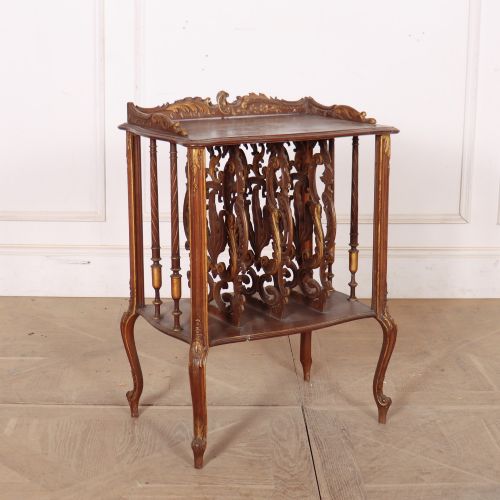
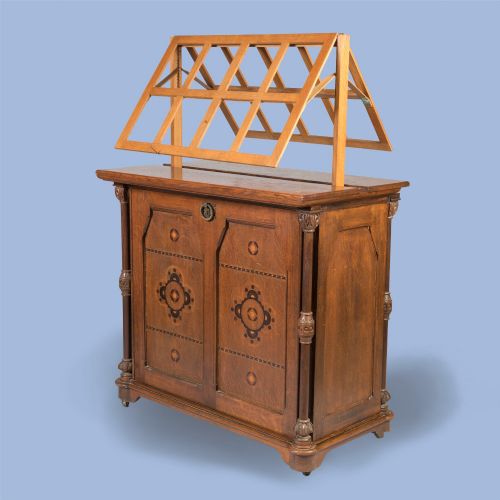
Mahogany and walnut predominate among the surviving examples, often enriched with satinwood, boxwood inlay or brass details. Forms range from floor-standing cabinets and side pieces to specialised tables and music cabinets that double as document storage.
Buyers will encounter revival styles alongside period originals, including Sheraton Revival, Gothic Revival and French Rococo Revival interpretations. These pieces served scholars, artists and gentlemen who required organised storage for large collections of unbound papers.
Materials and construction
Cabinet makers utilised dense hardwoods such as mahogany, walnut and rosewood to build robust carcases capable of supporting heavy paper contents. Finer examples incorporate contrasting veneers, boxwood inlay and satinwood banding to decorate the exterior surfaces.
Antique Folio Cabinet Retail Price Guide 2026
Typical asking prices for folio cabinet among the pieces listed under this phrase on Sellingantiques today, from the lower quarter to the upper quarter. They describe what is for sale here now, not the wider market.
Recorded periods span from the eighteenth century through the Regency era and into late Victorian and Edwardian revival styles.
Evaluating craftsmanship and distinction
Quality in an antique folio cabinet rests upon the selection of timber and the precision of the internal sliding trays or shelves. Finely figured mahogany or birds-eye maple veneers and crisp boxwood stringing indicate workshop effort above standard utility pieces.
Maker attribution elevates certain examples, particularly those bearing the marks of established firms like Whytock & Reid, Collinson & Lock or Benjamin Taylor & Sons. Original brasses, smooth drawer actions and intact internal partitions distinguish superior survivors from altered or heavily restored pieces.
Whytock & Reid of Edinburgh·Collinson & Lock London·Benjamin Taylor & Sons
The Antique Folio Cabinet Glossary
- Folio
- A sheet of paper folded once, or a large book size, which dictated the broad, shallow proportions of these storage cabinets.
- Inlay
- A decorative technique where contrasting woods or materials are set into recesses flush with the surface of the carcase.
- Revival
- A nineteenth-century design movement that reinterpreted earlier historical styles such as Sheraton, Gothic or Chippendale.
- Satinwood
- A lustrous, hard timber from the tropics utilised extensively for decorative banding and contrasting veneers in fine cabinetmaking.
- Carcase
- The main structural body or shell of a piece of furniture before drawers, doors and decorative veneers are added.
Antique Folio Cabinet: Frequently Asked Questions
What is an antique folio cabinet?
An antique folio cabinet is a specialised piece of furniture designed to store large sheets of paper, prints, drawings and maps flat.
These pieces typically feature wide, shallow internal trays or drawers that protect unbound materials from folding or creasing.
How were folio cabinets used originally?
Scholars, cartographers, artists and collectors utilised these cabinets to organise their maps, prints and important documents safely.
The shallow compartments allowed owners to browse through large collections without damaging the edges of the paper.
How do I style a folio cabinet at home?
A folio cabinet works effectively as a side table or serving surface in a study, library or living room.
The wide top surface provides a convenient place to display lamps, books or decorative objects while the interior stores your papers.
How can I tell the period of a cabinet?
Dating relies on observing the combination of timber, construction methods, revival styles and secondary woods used inside.
Georgian and Regency pieces display different joinery and decorative motifs compared to later Victorian and Edwardian examples.