

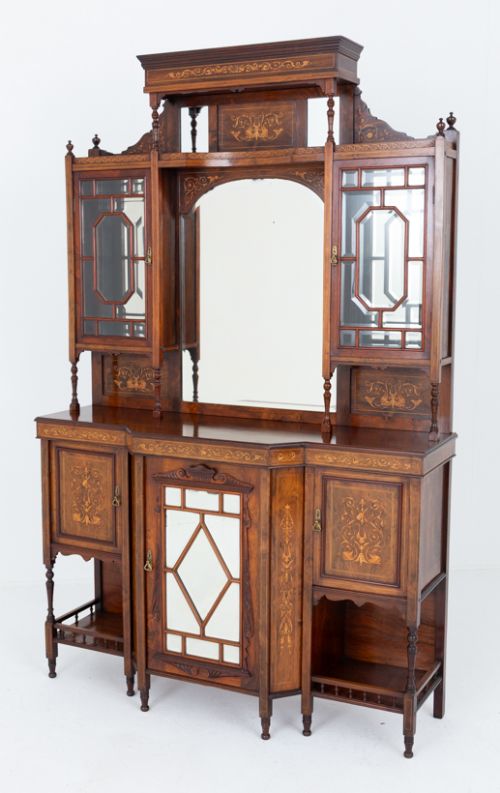


Late Victorian Rosewood Cabinet
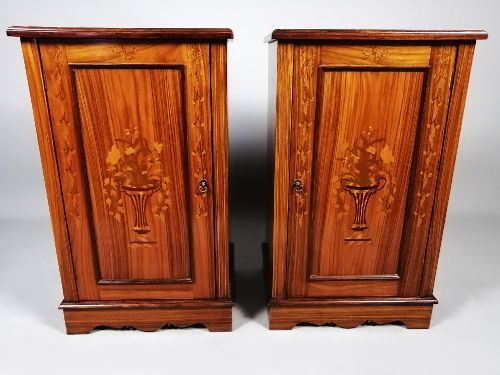
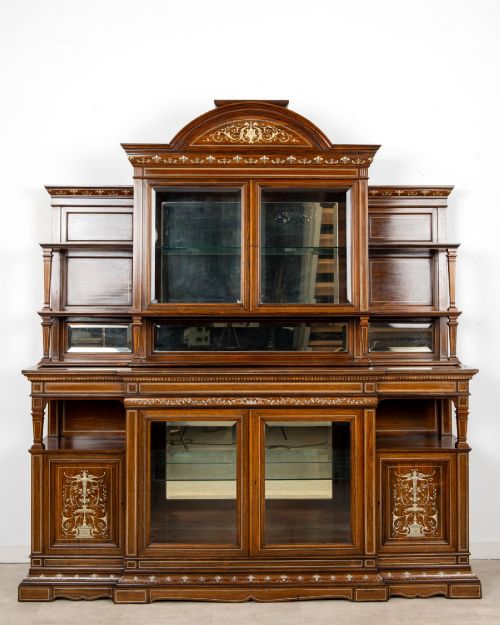
These late victorian rosewood cabinet examples bring refined marquetry and dense timber into a room, offering both display space and discrete storage.
Late Victorian Rosewood Cabinet
A late victorian rosewood cabinet encompasses varied forms from the late nineteenth century, predominantly appearing as music cabinets, side cabinets, display pieces, and bedside cupboards. These items reflect the Aesthetic Movement and French revival tastes of the period, often incorporating intricate marquetry and inlaid boxwood details.
Music cabinets and bedside cupboards represent the most frequent iterations on this page, designed for specific domestic functions within late nineteenth-century parlours and bedrooms. Side cabinets and corner cabinets also emerge regularly, utilising compact footprints alongside rich timber grains.
Materials and Construction
Makers built these pieces using dense rosewood, frequently supported by secondary timbers like mahogany and walnut, and enriched with contrasting boxwood inlay or brass hardware. Marquetry patterns feature heavily across doors and panels, demonstrating precise cutting and fitting of lighter woods into the dark rosewood ground.
Glass panels and mirrored backs appear on display cabinets and vitrines, expanding light reflection within interior spaces. Construction methods combine traditional joinery with decorative veneering to achieve the polished surfaces typical of late nineteenth-century workshops.
Listings demonstrate the frequent use of boxwood inlay and marquetry across nineteenth-century rosewood side and music cabinets.
Assessing Quality and Craftsmanship
Quality rests primarily on the crispness and complexity of the marquetry work and the selection of the rosewood grain. Superior examples exhibit tightly controlled boxwood inlay and balanced proportions without relying on excessive embellishment.
The integration of functional elements, such as fitted interior shelves in music cabinets or secure door hinges, distinguishes finer production. Attribution to notable makers or documented workshops further elevates the standing of a piece.
Collinson and Lock·James Plunckett·Stephen Webb
The Late Victorian Rosewood Cabinet Glossary
- Marquetry
- Decorative veneer work forming pictures or geometric patterns by fitting together small pieces of various woods. In these pieces, boxwood frequently provides a pale contrast against darker rosewood.
- Vitrine
- A glass-fronted display cabinet used for showcasing small objects or curiosities. These often feature internal shelving and mirrored elements.
- Secretaire Abattant
- A writing cabinet with a fall-front desk flap that conceals small drawers and pigeonholes. This form combines storage with a compact writing surface.
- Credenza
- A low dining or salon cabinet, often featuring doors and central shelving. These pieces frequently incorporate extensive inlay and mirror backs in late nineteenth-century examples.
- Pier Cabinet
- A narrow display or storage cabinet designed specifically to fit against the wall space between windows. They make efficient use of slender domestic areas.
Late Victorian Rosewood Cabinet: Frequently Asked Questions
What rooms suit a late victorian rosewood cabinet?
These cabinets suit drawing rooms, bedrooms, and hallways where their compact proportions and decorative surfaces complement traditional interiors. Music cabinets and bedside cupboards function well as small storage units or side tables.
Display cabinets and vitrines serve effectively in living spaces for exhibiting small decorative objects while protecting them behind glass doors.
How do music cabinets differ from standard cupboards?
Music cabinets feature internal tiers or drop-front drawers originally engineered to organise sheet music within Victorian homes. Their internal compartments remain useful for sorting papers or slim items.
Standard bedside cupboards and side cabinets offer deeper shelving or enclosed compartments designed for general domestic storage rather than specialised paper organisation.
How do I care for rosewood surfaces?
Rosewood benefits from occasional treatment with appropriate furniture wax to nourish the dense timber and maintain its natural lustre. Avoiding direct sunlight prevents the rich grain from fading over time.
Dusting regularly with a soft, dry cloth preserves the inlaid boxwood and marquetry details without introducing moisture to older veneer joints.
What defines the Aesthetic Movement style?
The Aesthetic Movement prioritised visual beauty and craftsmanship over strict historical revival, leading to refined furniture designs. Pieces from this era often feature restrained forms combined with intricate boxwood inlay.
Cabinets from this design tradition balance dark rosewood surfaces with geometric or floral marquetry, reflecting a shift toward artistic interior decoration.