


Antique Folding Furniture
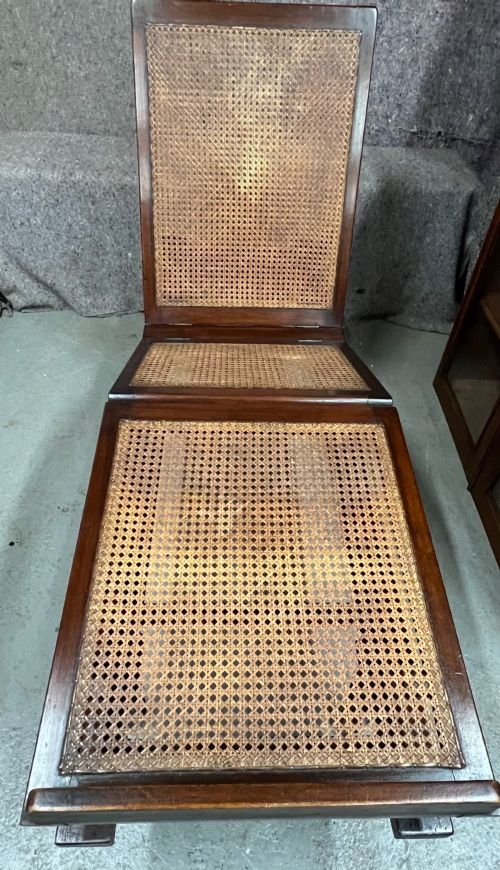
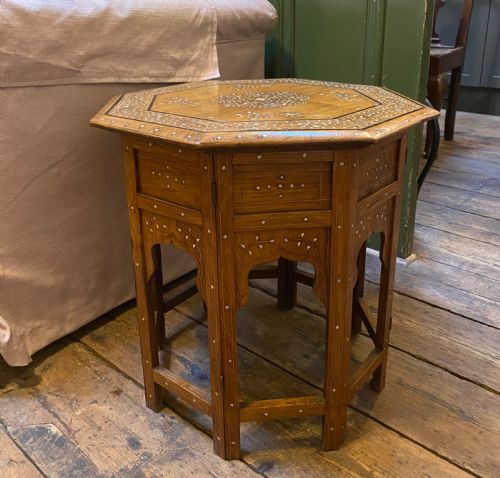
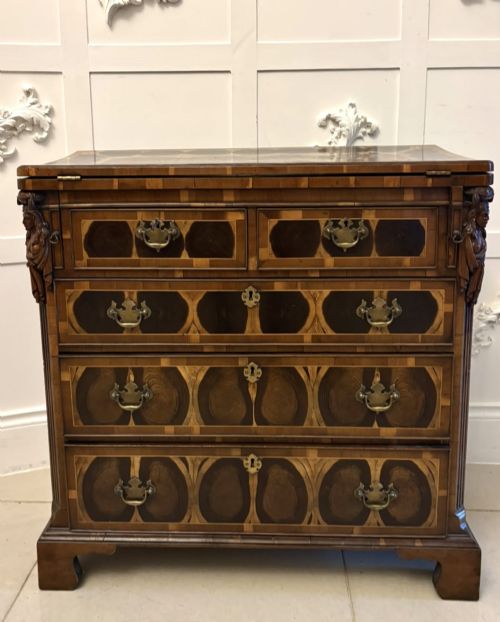
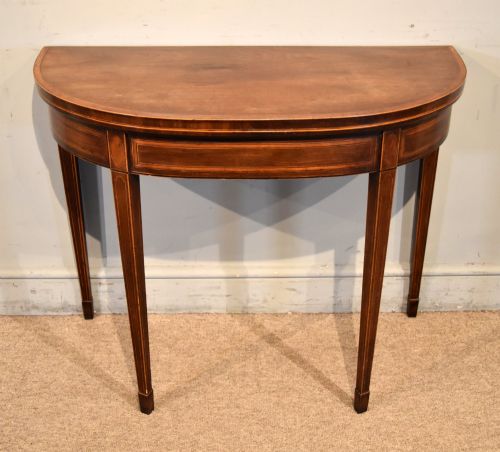
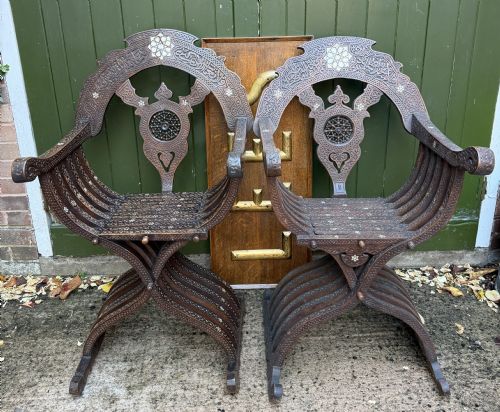
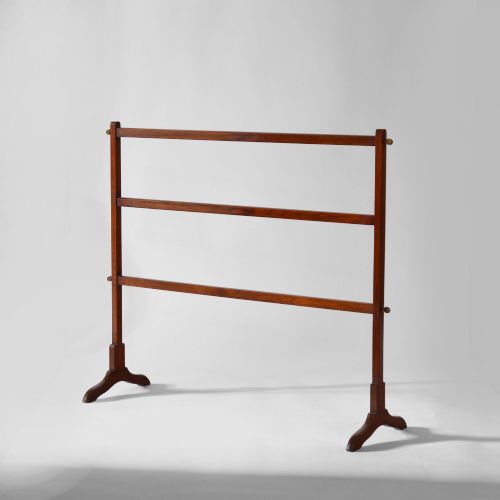
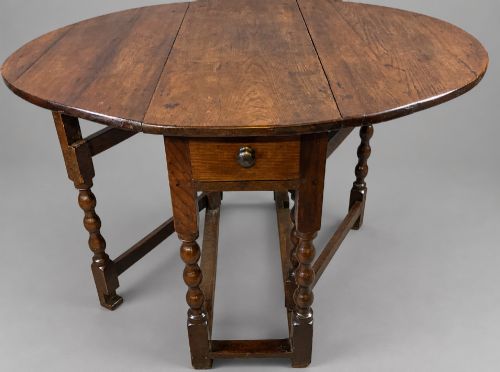
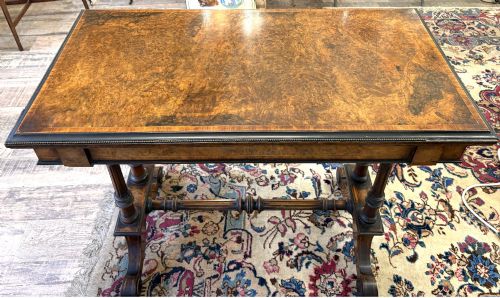
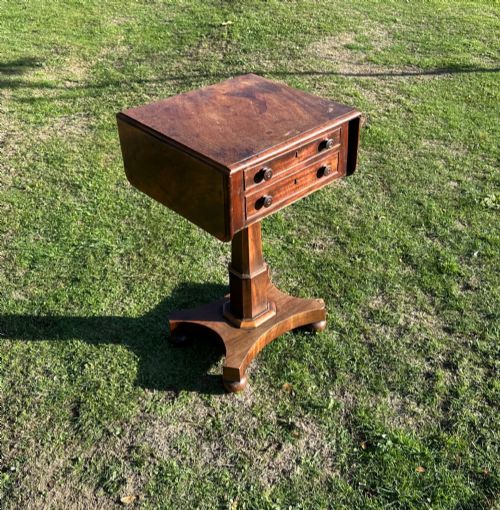
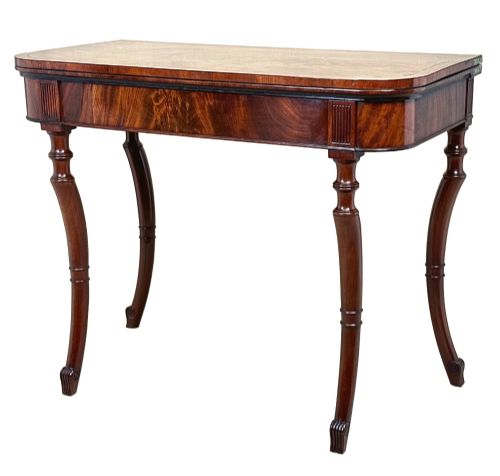
These pieces of antique folding furniture span card tables, tea tables and trays designed to adapt to domestic spaces.
Antique Folding Furniture
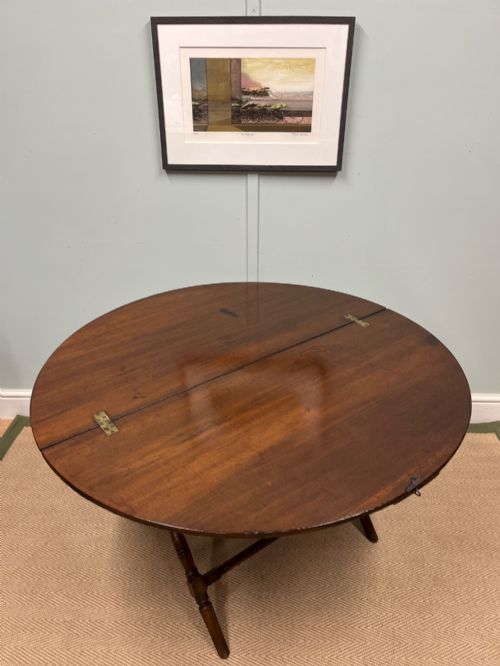
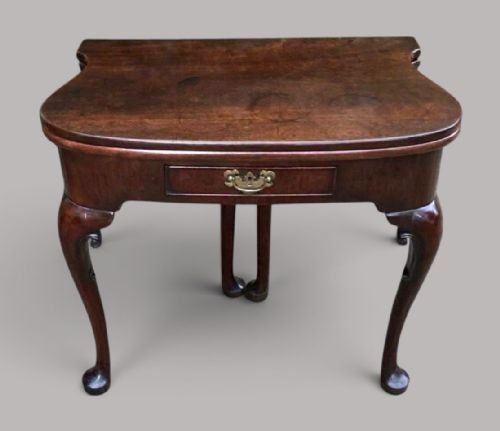
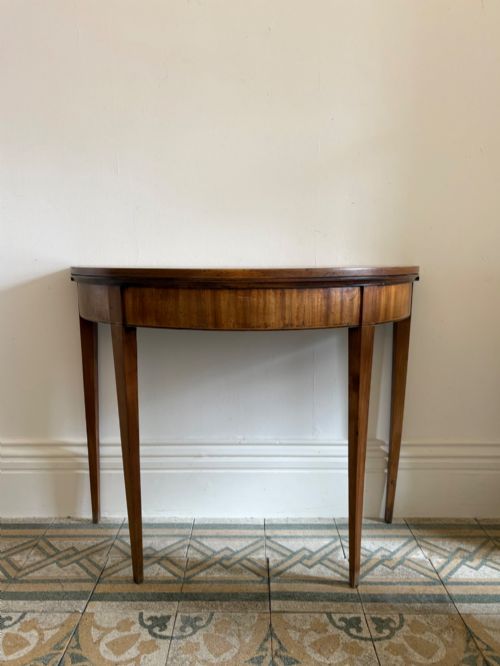
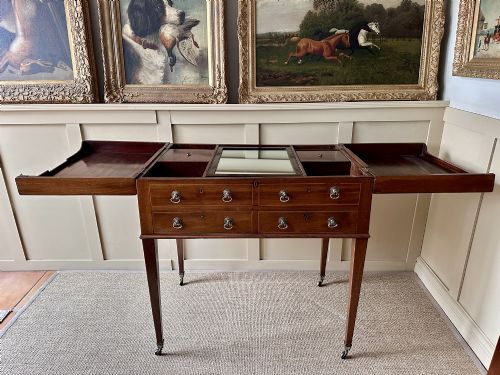
When you search for antique folding furniture, you encounter versatile domestic items designed to expand or contract for specific tasks. The selection here ranges from 18th-century card and tea tables to Victorian coaching tables, butler trays and Edwardian envelope tables.
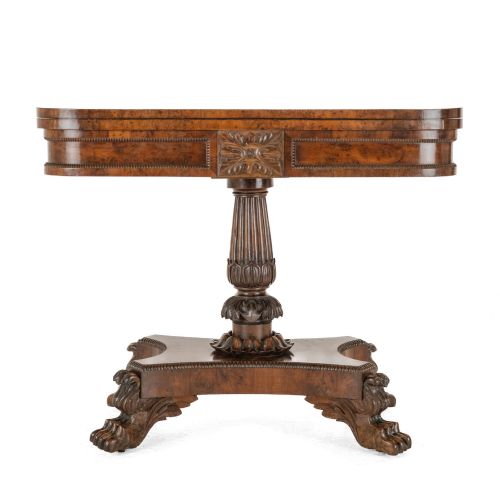
The most common forms are foldover card tables and games tables, which double their surface area when opened. Pieces span periods from the Georgian and Regency eras through the Victorian and Edwardian decades, reflecting the shifting social demands for multipurpose rooms.
Materials and construction
Cabinetmakers utilised dense timbers such as mahogany, rosewood and walnut, frequently applying veneers of satinwood, burr walnut or kingwood. Inlays of boxwood, brass and mother-of-pearl accent structural surfaces on tables and trays.
Hinges, pivots and folding mechanisms permit leaves to rotate, drop or fold flat without compromising the stability of the legs. Joints rely on traditional cabinetmaking methods adapted to movable parts.
Antique Folding Furniture Retail Price Guide 2026
Typical asking prices for folding furniture among the pieces listed under this phrase on Sellingantiques today, from the lower quarter to the upper quarter. They describe what is for sale here now, not the wider market.
The inventory spans the 18th century, Regency period, Victorian era and Edwardian years.
What separates the grades
Quality rests in the precision of the folding mechanism and how seamlessly the leaves align when opened. Superior examples conceal hinges neatly and maintain structural rigidity across the joints.
The selection of timber veneers and the intricacy of marquetry or brass inlay dictate the tier of the piece. Master workshops employed finely figured grain and meticulous joinery that survived decades of movement.
George Bullock·E.W Godwin
The Antique Folding Furniture Glossary
- Foldover top
- A hinged table surface that opens out to reveal a larger area, frequently lined with baize or felt for card games.
- Envelope table
- A square card table with four triangular flaps that fold inward to overlap each other like an envelope.
- Butlers tray
- A shallow wooden tray with hinged or fixed sides, designed to lift off its folding stand for serving.
- Marquetry
- Decorative patterns formed by fitting contrasting veneer pieces into a wood background.
- Crossbanding
- A narrow strip of veneer applied around the border of a table top with the grain running at right angles to the centre.
Antique Folding Furniture: Frequently Asked Questions
How do foldover card tables work?
The upper leaf rotates on a pivot or lifts on hinges to rest upon a swing leg or frame. This motion doubles the usable surface area.
Once opened, the interior often reveals compartments or a textile playing surface designed for social gaming.
Where were coaching tables used?
Coaching tables and butler trays served portable functions for travel or flexible entertaining in domestic quarters. Their folding X-frames allowed rapid packing and storage.
Victorian households utilised them for serving refreshments in various rooms before folding them away.
How do I care for antique folding mechanisms?
Keep moving joints clean and free from excess moisture to preserve the original timber and metal components. Operate the folding leaves gently to avoid straining historical hinges.
Apply suitable wax polish to maintain the timber surfaces without interfering with the pivot points.