

Antique Folding Frame
An antique folding frame provides clever space-saving engineering alongside period craftsmanship, offering versatile display and support solutions for the home.
Antique Folding Frame
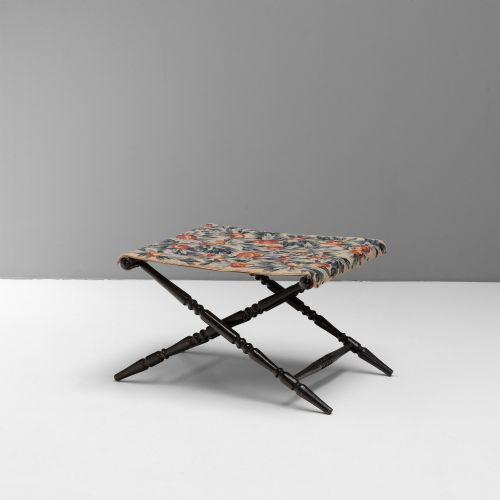
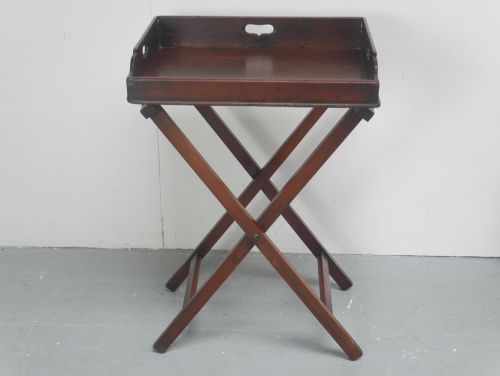
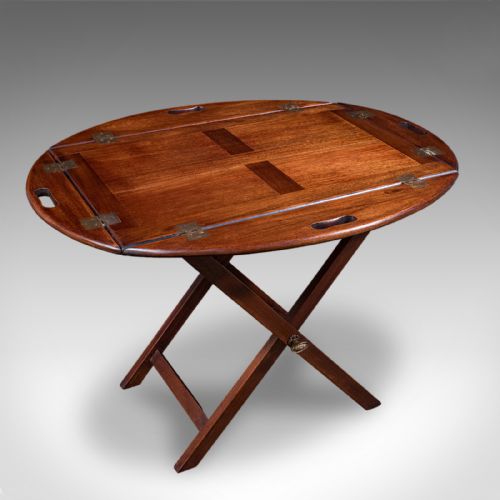
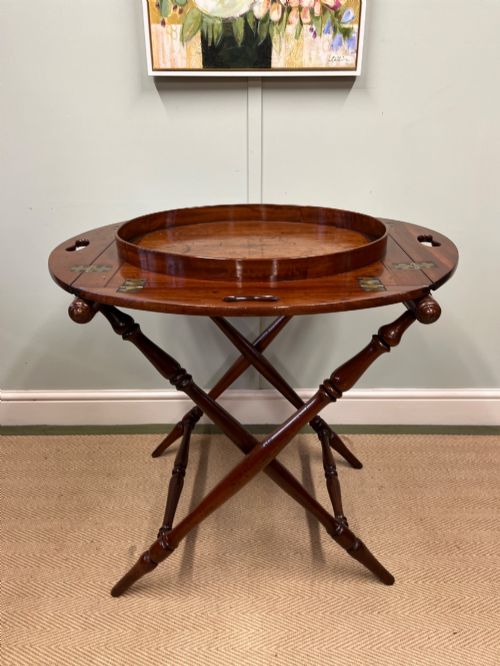
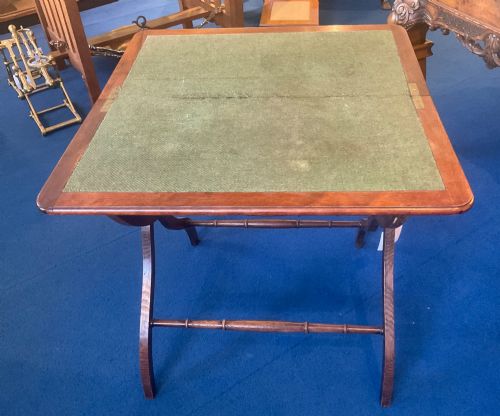
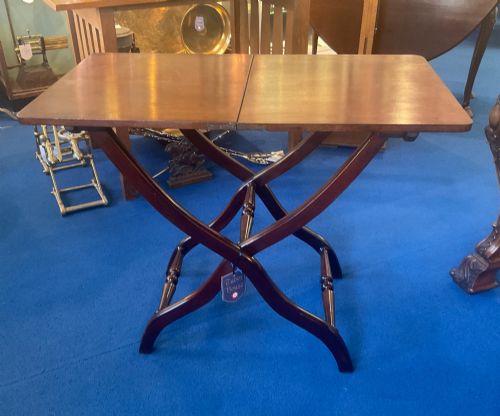
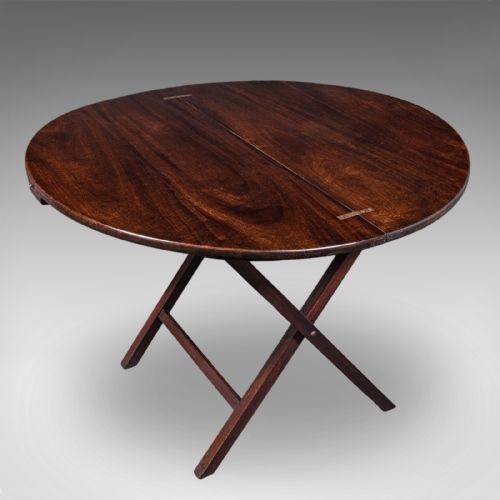
When you search for an antique folding frame, you encounter a diverse group of objects designed to collapse or fold away when not in use. These pieces range from tabletop photograph mounts and travelling mirrors to butler's trays on folding stands and compact coaching tables.
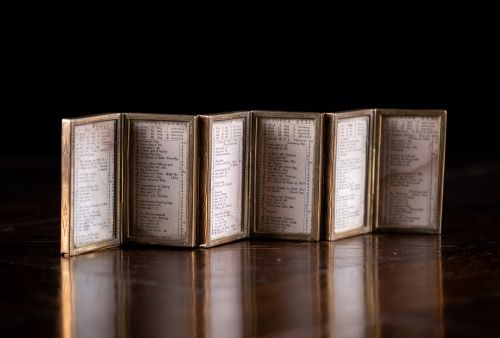
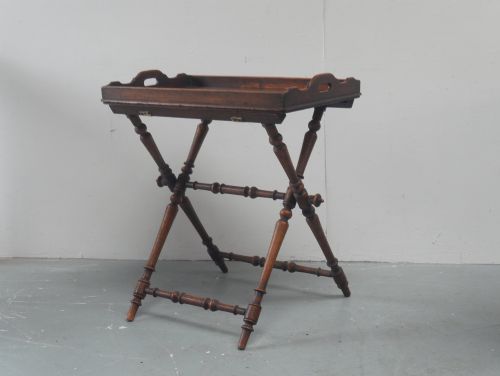
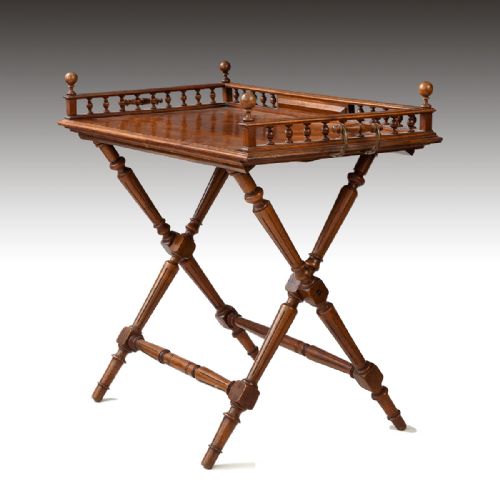
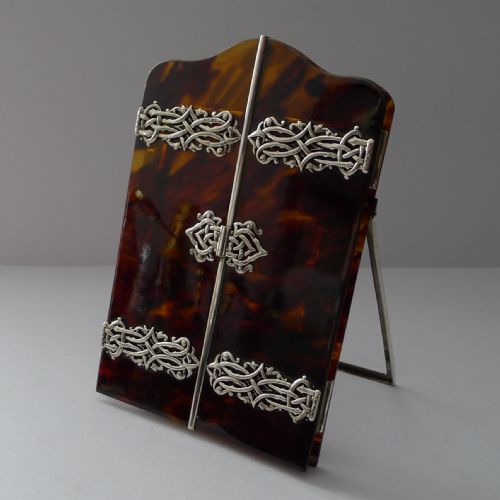
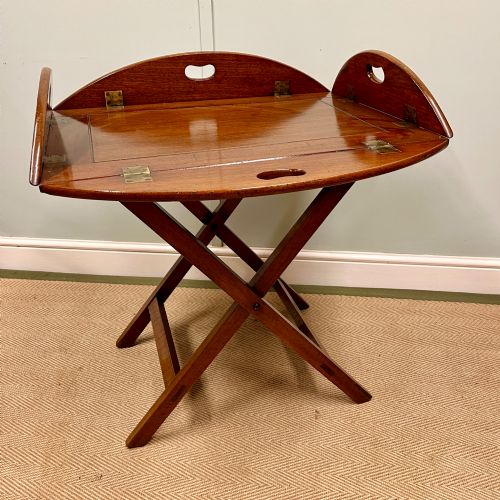
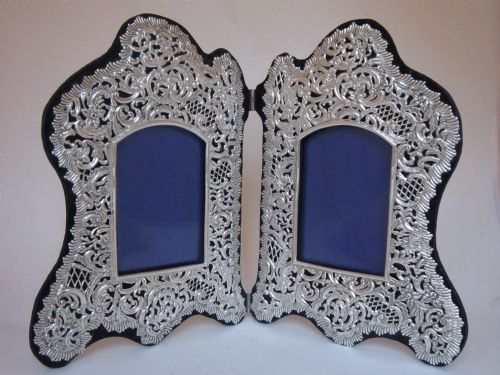
The version you are most likely to meet on this page is the nineteenth-century butler's tray on a folding X-frame stand, or a hinged multi-panel photograph frame in silver, brass, or wood. Alongside these, domestic items such as folding campaign stools, chairs, and occasional tables appear regularly across Georgian, Victorian, and Edwardian periods.
Originating from a period when domestic space required adaptability, these folding pieces combine practical utility with traditional cabinet-making. They served travelling gentlemen, busy country houses, and compact urban drawing rooms alike.
Materials and construction
Timbers such as mahogany, walnut, and oak form the structural backbone of most wooden trays, stands, and folding chairs. Cabinet-makers selected these hardwoods for their tensile strength, allowing hinged joints and folding X-frames to endure repeated movement without splitting.
Metal components - principally brass, ormolu, and sterling silver - frequently appear as hinges, mounts, and dedicated photograph frames. These metals were cast, beaten, or chased, then secured to leather, glass, or wooden backings to create sturdy, articulate joints.
Object types span from occasional tables and butler's tray stands to multi-panel folding photograph frames and travelling chairs.
Distinctions in quality
The caliber of an antique folding frame rests upon the precision of its mechanical joints and hinges. Superior pieces operate smoothly without wobbling, utilising tight-fitting pins and well-cast brasswork that aligns perfectly when opened.
Material selection and decorative enrichment further divide the standard range from exceptional examples. Finer items display carefully figured wood veneers, hand-carved details, or fully intact silver hallmarks, whereas basic utilitarian versions rely on plain timber and simple iron fittings.
Hardy Brothers
The Antique Folding Frame Glossary
- Butler's tray
- A removable wooden tray featuring raised sides, often pierced with handgrips, designed to sit upon a separate folding X-frame stand.
- X-frame
- A structural support formed by two intersecting members pivoting around a central axis, allowing the base to collapse flat.
- Campaign furniture
- Portable furnishings built for travel and military use, typically featuring folding frames, detachable legs, and brass protective corners.
- Ormolu
- Gilt bronze ornamentation cast and finished with mercury gilding, commonly applied to nineteenth-century French frames and stands.
- Gesso
- A plaster-like mixture applied to wooden frames or mirrors as a smooth base for subsequent gilding or painting.
Antique Folding Frame: Frequently Asked Questions
How do butler's tray stands fold?
Most butler's tray stands utilise a folding X-frame design where the two wooden legs pivot on a central pin. This allows the entire support to collapse flat for storage.
The tray itself simply lifts off the top, meaning the base and tray function as two distinct, portable components.
Were folding frames used for travel?
Many folding frames and tables were indeed engineered for portability, particularly campaign pieces designed for officers and travellers. Hinged joints and collapsible stands allowed heavy furniture to pack tightly into carriages or ships.
Other domestic examples, such as folding photograph frames, were built to travel inside luggage or fold shut to protect delicate images.
How do I date a folding photo frame?
Dating a photograph frame often relies on accompanying hallmarks stamped into the silver or metal mounts. Maker's marks and date letters provide precise years of manufacture for Victorian and Edwardian pieces.
Stylistic cues such as Art Nouveau curves or heavy Victorian cresting also help narrow down the period when hallmarks are absent.
Are folding tables stable enough for daily use?
Quality antique folding tables and stands use tight mortise and tenon joints alongside sturdy brass hinges to ensure structural rigidity. When fully opened and locked into position, they offer robust support for serving or display.
Over time, pivots can loosen, so checking the tension of the central pins helps maintain their daily reliability.