



Folding Picture Frame
A folding picture frame offers a clever way to display multiple portraits, and the pieces here range from silver to tortoiseshell.
Folding Picture Frame
A folding picture frame groups multiple apertures together in a hinged layout designed for tabletop display or travel. When you search for a folding picture frame, you encounter designs that span the late nineteenth century into the twentieth century, taking in both Victorian and Edwardian periods.
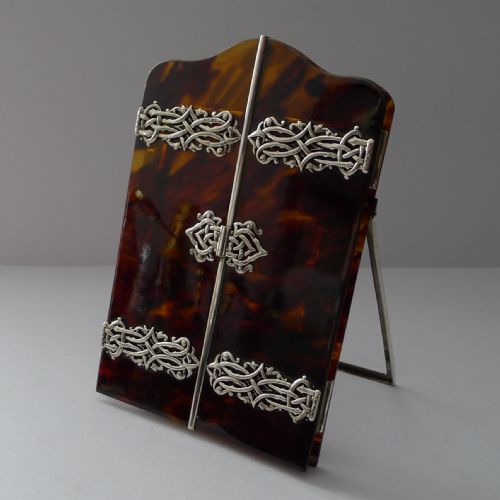
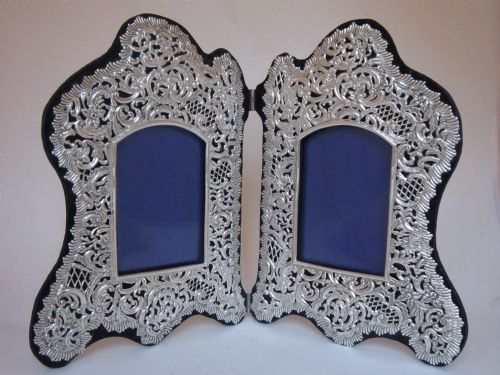
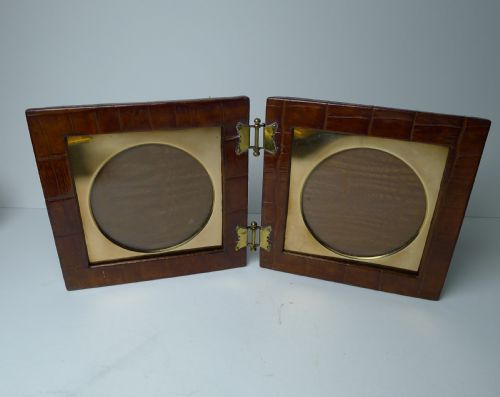
The most common formats on this page are double and multiple photo frames configured to stand on desks or dressing tables. Pieces emerge in materials such as brass, silver plate, and sterling silver, alongside novelty forms like crocodile and tortoiseshell.
Origins stretch from British workshops associated with makers like Hardy Brothers to French ormolu examples and Italian pieces linked to Florence. Some variations incorporate watercolour paintings rather than empty apertures, providing a complete decorative object from the start.
Materials and construction
Metals form the backbone of these pieces, utilising brass, ormolu, silver plate, and sterling silver to create sturdy hinged structures. Silversmiths worked in centres such as Sheffield, while other items rely on cast bronze and gilded mounts.
Organic and decorative materials provide surface richness, combining tortoiseshell, agate, and crocodile skin over rigid internal cores. Velvet often lines the backs and folding panels, whilst glass protects the paper or photographic contents within.
One travel frame comes wrapped in actual crocodile skin, proving Victorians took their family portraits very seriously indeed.
Assessing craftsmanship and finish
Quality reveals itself in the precision of the hinges and the weight of the metalwork used to join the panels. Finer examples display crisp chasing on ormolu and well-fitted bezels that hold the glass securely without play.
The choice of secondary materials marks out better grades, such as genuine tortoiseshell backed by quality velvet rather than imitation substitutes. Hallmarks on silver components provide reliable indicators of origin and standard.
The Folding Picture Frame Glossary
- Ormolu
- Gilded bronze or brass, popular for decorative mounts in nineteenth-century French and English decorative arts. It gives a rich gold-coloured surface finish without solid gold.
- Sterling silver
- An alloy containing ninety-two point five percent silver by mass, standard for quality British plate and frames. Items often bear city marks and date letters.
- Tortoiseshell
- The shell of certain turtle species used as a decorative veneer over metal or wood bases. It provides a warm, mottled brown and amber tone.
- Double photo frame
- A hinged piece designed to hold two distinct images side by side. It folds inwards to protect the glass during transit or storage.
Folding Picture Frame: Frequently Asked Questions
How do I date a silver folding frame?
Check for hallmarks stamped on the silver bezels or borders, which indicate the assay office and the year of manufacture. Stylistic clues like Victorian Gothic motifs or Edwardian pastoral engraving also narrow down the era.
Maker's marks provide additional confirmation when present, matching records from workshops in Sheffield or London.
Can I travel with these antique frames?
Many period examples were specifically made as travel frames, featuring folding hinges and durable outer covers like crocodile skin. They close securely to protect the glass and portraits inside.
Care should be taken with delicate materials like tortoiseshell or agate during transit.
What maintenance do silver and brass frames need?
Gentle dusting with a soft cloth keeps surfaces clean without wearing down thin silver plate or gilt layers. Avoid harsh chemical polishes that can damage velvet linings or organic veneers like tortoiseshell.
Store them in stable humidity to prevent the warping of internal wooden cores.
How do I replace the photographs inside?
Most frames use backing boards held by turn-buttons or sliding pins that lift out to reveal the glass aperture. Handle the inner edges carefully, as old glass can be brittle and backing materials fragile.
Ensure new photographs match the exact dimensions of the window before inserting them.