




Light Wood Frame
Light wood frame pieces bring warmth and pale tones to interiors through mirrors, beds, and furnishings spanning the nineteenth and twentieth centuries.
Light Wood Frame
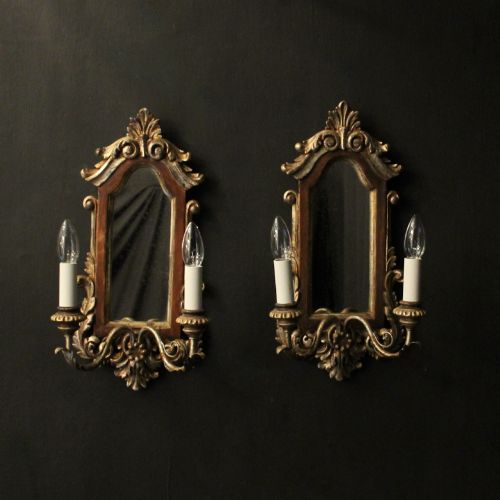
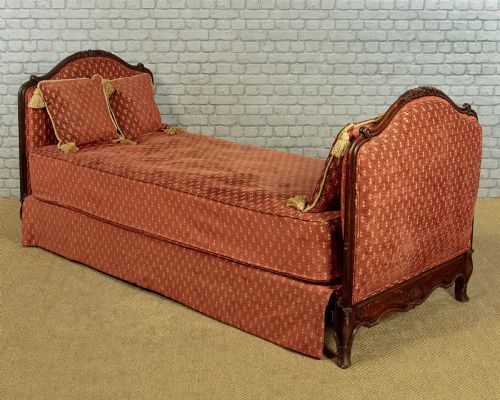
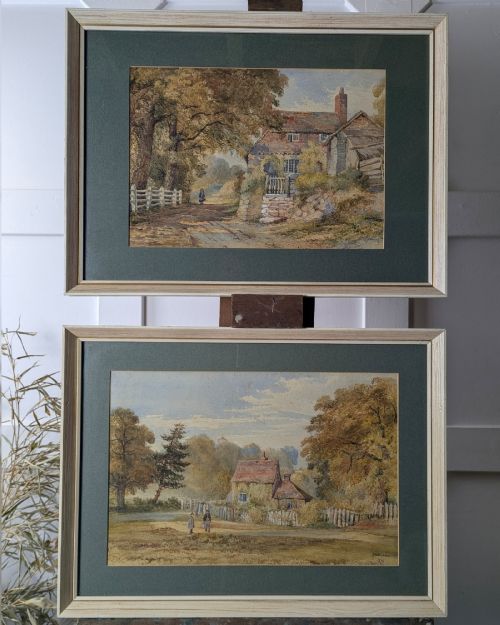
A light wood frame selection gathers items constructed from paler timbers such as maple, oak, and pine, alongside bleached finishes. These objects include domestic furniture like beds and daybeds, alongside mirrors and framed artwork spanning from the nineteenth century into the mid-twentieth century.
The varieties met most frequently on this page comprise mirrors with pale wooden surrounds, timber bed frames from the Art Deco period, and occasional seating or daybeds featuring exposed lighter wood structures. Many examples reflect specific regional aesthetics including French provincial designs and British modernist output.
Buyers select these items to introduce natural grain and luminosity into domestic spaces without heavy, dark timber dominating the room. The lighter tones bridge traditional antique forms and cleaner modernist interiors effectively.
How they were made
Construction relies heavily on solid timbers such as oak, maple, and walnut, often shaped into structural frames for mirrors and beds. Joinery techniques reflect the period of origin, ranging from traditional hand-carved elements on nineteenth-century frames to cleaner veneered surfaces on Art Deco bedroom suites.
Surface treatments vary from natural polished finishes displaying the grain to applied paint, bleaching, and giltwood accents. Many mirror frames combine carved wood with moulded gesso to achieve ornate decorative profiles before receiving paint or metallic leaf.
The furniture selection spans functional daybeds, dressing room mirrors, and king-size beds finished in bleached oak and birds-eye maple.
What varies in quality
Quality differences depend largely on the selection of timber and the precision of the construction. Superior pieces utilise finely figured woods like birds-eye maple or well-seasoned oak with crisp, deep carving rather than shallow moulded details.
The integrity of the structural joinery and the preservation of original surface treatments distinguish finer examples from more utilitarian items. Original glass in mirrors and intact integrated cabinetry further elevate the standing of a piece.
Betty Joel·Lionel Horsnell·Jean-Baptiste Olive·Robert A Nottingham
The Light Wood Frame Glossary
- Gesso
- A plaster-like mixture applied to wood frames to create a smooth surface for gilding or painting. Artisans carve intricate relief patterns directly into this layer.
- Girandole
- An ornamental wall mirror featuring attached candle branches or sconces. The reflective glass multiplies the light cast from the candles.
- Birds-eye maple
- A decorative timber figuring resembling small, swirling eyes dotting the grain. It appears frequently in luxury furniture from the twentieth century.
- Overmantle mirror
- A large horizontal mirror designed to hang directly above a fireplace mantelpiece. These pieces often incorporate arched tops and gesso mouldings.
- Cheval mirror
- A full-length floor mirror suspended on a vertical swiveling frame. This freestanding form allows the glass to tilt at various angles.
Light Wood Frame: Frequently Asked Questions
How do I clean a light wood frame?
Dust timber surfaces regularly with a soft, dry cloth to prevent particulate buildup in the grain. Avoid chemical sprays and excessive moisture that might damage older polished or painted finishes.
For gilt or gesso sections, use an exceptionally gentle touch to protect the raised decoration from chipping. Professional conservation advice is recommended for delicate antique surfaces.
Where should I place a large mirror?
Position wall mirrors opposite windows to maximise natural light distribution throughout the room. Placing them above furniture like mantelpieces or sideboards creates a balanced focal point.
Ensure wall fixings are adequately rated for the weight of carved wood and glass assemblies. Floor-standing cheval mirrors require stable placement on level flooring.
Are these beds standard modern sizes?
Older bed frames often reflect historical sizing standards that differ from contemporary mattress dimensions. King-size, double, and single designations vary across different periods and European countries.
Measure the interior dimensions carefully before sourcing a mattress to ensure a proper fit. Custom mattress fabrication may be necessary for specific antique bedstead proportions.
How do I identify Art Deco pieces?
Art Deco furniture favors streamlined geometric forms, sleek symmetry, and striking veneers like blonde maple. Ornate historical carving gives way to clean lines and functional integration.
Look for architectural shapes and matching built-in cabinetry characteristic of the 1920s and 1930s. These designs prioritized modern living alongside decorative impact.