
Antique Flower Artwork
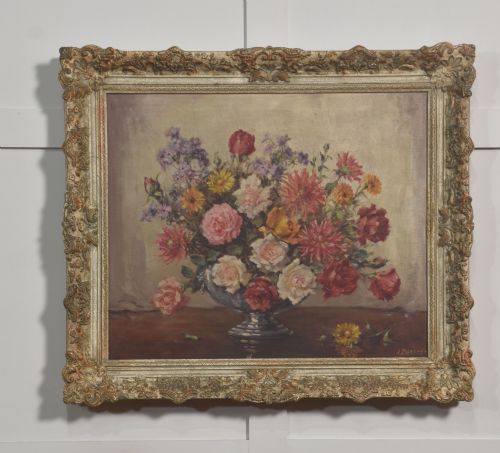
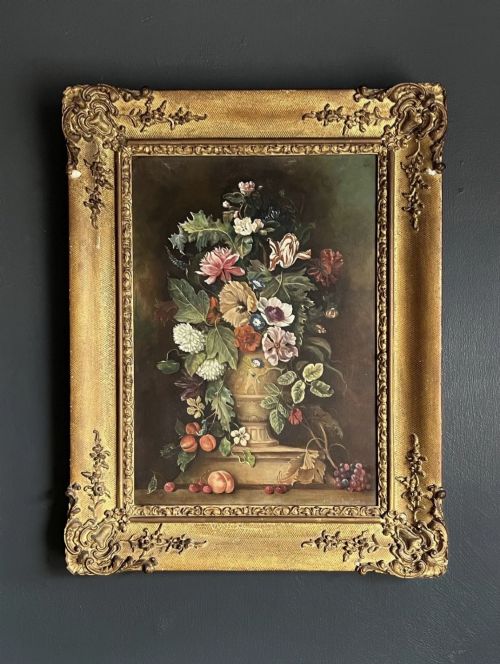
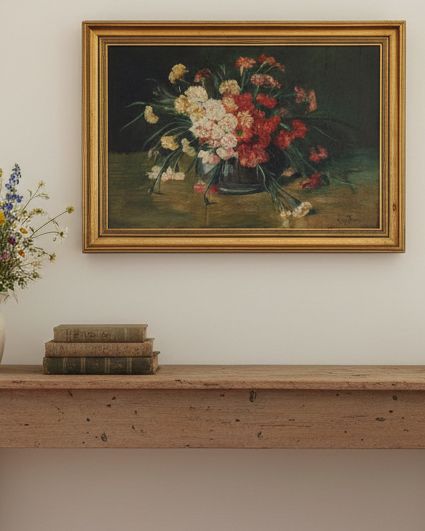
These pieces of antique flower artwork capture centuries of botanical observation through oils, watercolours, and delicate cut paper.
Antique Flower Artwork
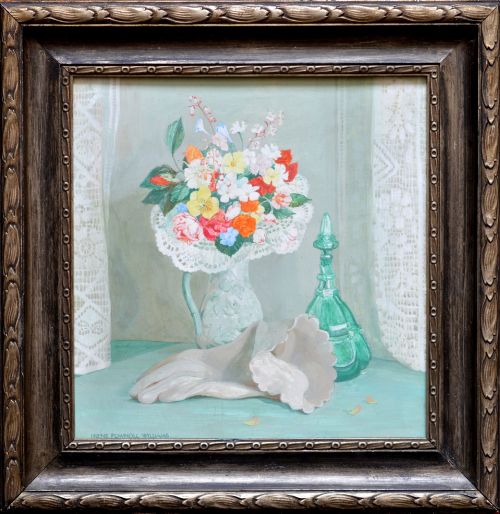
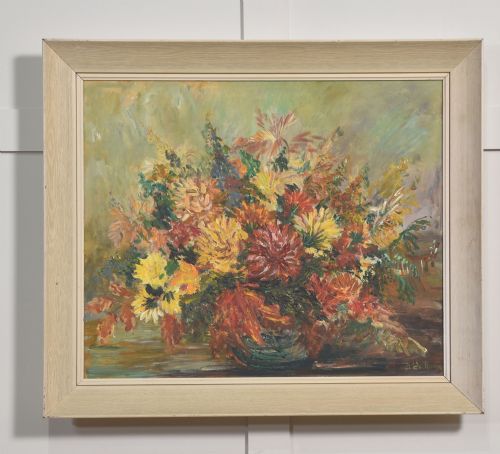
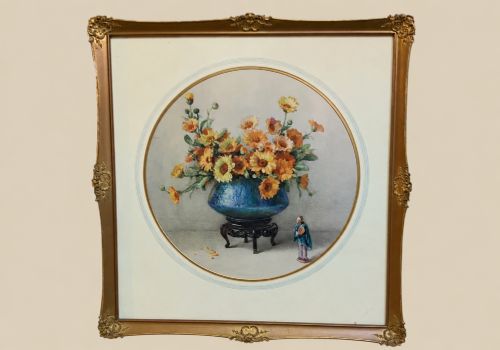
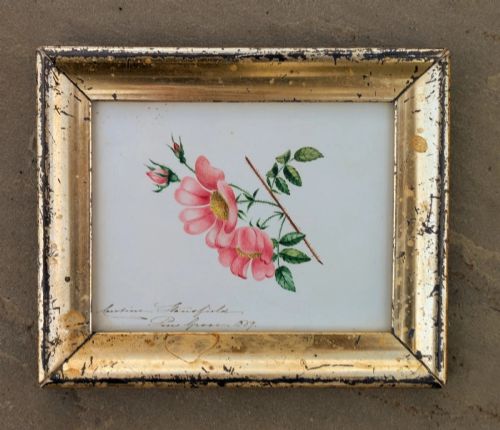
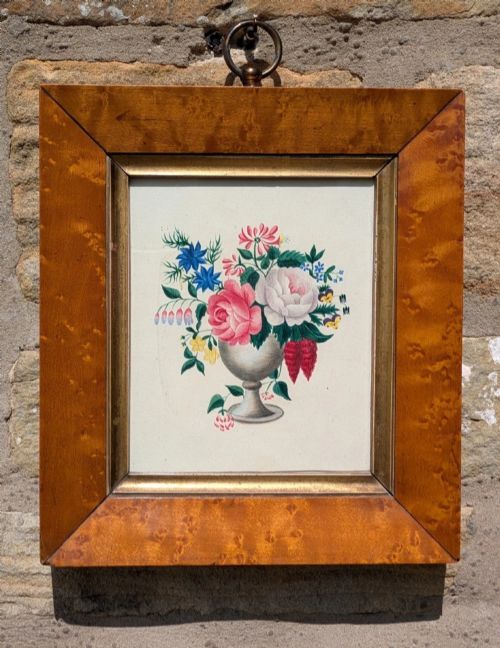
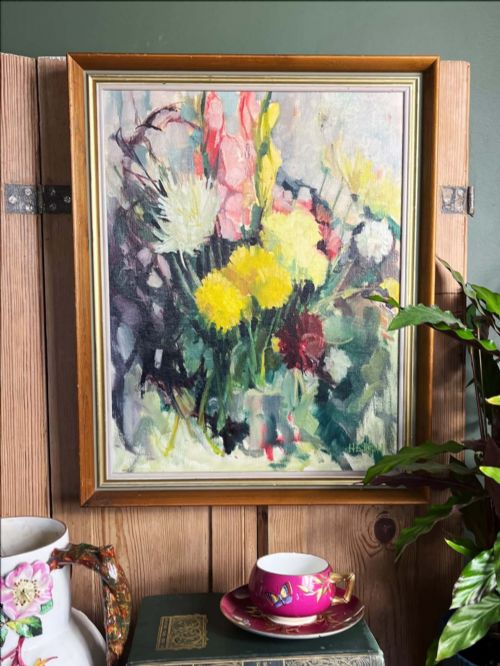
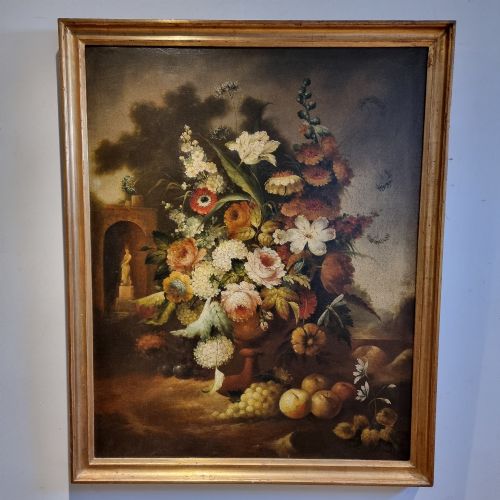
When you search for antique flower artwork, you encounter a diverse range of botanical representations spanning from the Regency period through to the mid-twentieth century. The selection encompasses finely detailed watercolours on paper alongside substantial oil paintings on canvas and panel.
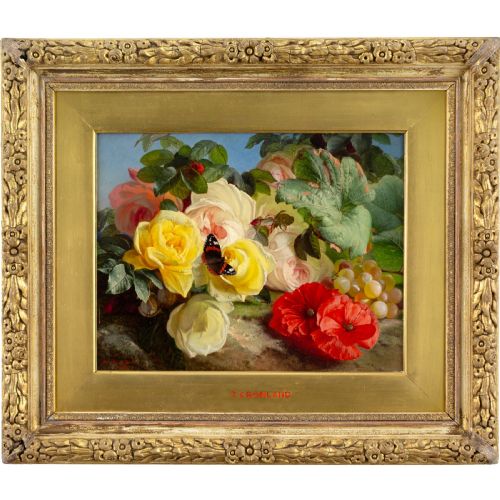
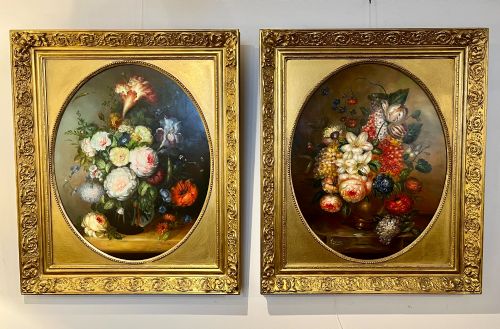
You are most likely to meet floral still lifes and botanical studies originating from British, Dutch, and Austrian traditions. These works frequently depict roses, carnations, and mixed garden bouquets arranged in vases or baskets.
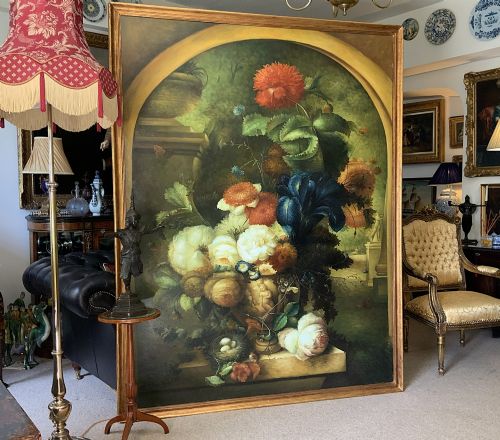
The assortment includes domestic watercolours alongside monumental Dutch style compositions intended for grand wall placement. Framed artwork forms the vast majority of the items, preserved within period wooden and gilt gesso frames.
Materials and technique
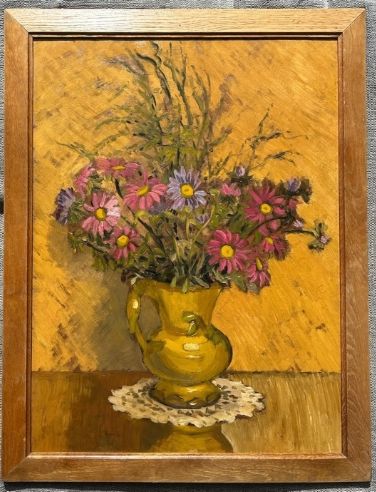
Artists relied primarily on oil paint applied to canvas, wood panels, or board to build rich textures and deep tones. Watercolours and gouache on paper offer a lighter, more translucent handling of botanical subjects.
Support structures range from stretched canvas to solid wood panels and hand-cut paper constructions. Frames utilise gilded wood and moulded gesso to complement the painted imagery.
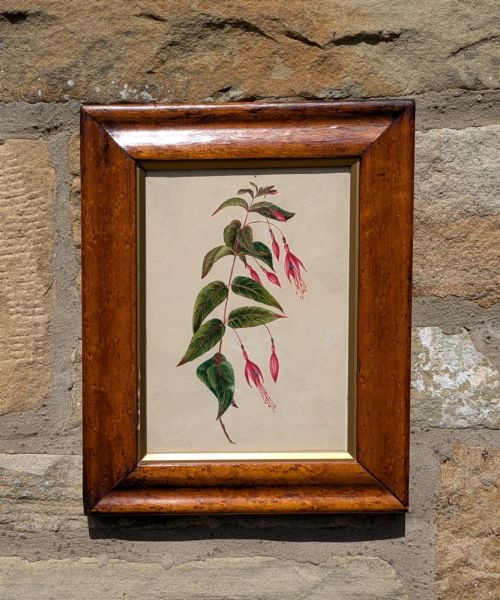
A meticulous nineteenth-century artist painted delicate fuchsias with such devotion that the tiny stamens seem ready to tremble in a draft.
Assessing quality
The strength of the composition and the precision of botanical rendering distinguish superior works from simpler student pieces. Mastery of light passing through glass vases or falling across petals marks the finest examples.
Original framing adds significant integrity to a piece, particularly when period gilt gesso frames remain matched to the artwork. The clarity of the medium, whether oil or watercolour, indicates the artist's technical control.
Theude Grönland·Gaspar Peeter Verbruggen·Konstantin Stoitzner·Edwin Steele·William Watt Milne·Owen Bowen·Alice Anne Renshaw·Gertrude Hayes·Simon Pietersz Verelst·Harry Wanless
The Antique Flower Artwork Glossary
- Still life
- A painting or drawing focussing on inanimate objects, such as cut flowers in a bowl or basket. This genre allows artists to explore light, colour, and arrangement.
- Gesso
- A plaster-like mixture applied to wood frames before gilding or painting. It provides a smooth surface for intricate decorative moulding.
- Tempera
- A permanent, fast-drying painting medium consisting of pigmented powder mixed with a water-soluble binder. It creates a matte finish often seen on panel supports.
- Watercolour
- A paint where the pigments are suspended in a water-based solution. It is traditionally applied to paper to achieve delicate, luminous botanical studies.
Antique Flower Artwork: Frequently Asked Questions
How do I care for antique watercolours?
Keep watercolours away from direct sunlight to prevent the pigments from fading over time. Ensure they are displayed in rooms with stable humidity levels to protect the paper.
Glazing with conservation-grade glass offers additional protection against ultraviolet light and atmospheric pollutants.
What is a Dutch style floral still life?
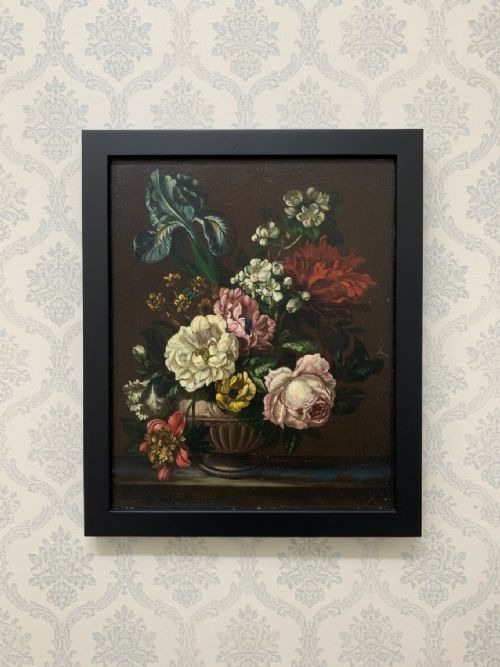
These compositions draw inspiration from the elaborate floral paintings of the Dutch Golden Age. They typically feature dense arrangements of blooms from different seasons combined within a single vase.
Artists often included insects like butterflies or crawling caterpillars to add movement and naturalism to the scene.
How can I tell oils and watercolours apart?
Oil paintings feature a thicker, tactile paint layer that often displays visible brushstrokes and a slight sheen. They are commonly executed on stretched canvas or solid wooden panels.
Watercolours present a flat, smooth surface on paper, frequently protected behind glass to prevent moisture damage to the delicate pigments.
Where were these flower paintings displayed?
Smaller botanical watercolours were traditionally kept in private drawing rooms, boudoirs, or studies for close personal enjoyment. They served as both decorative items and records of natural history.
Larger oil paintings were designed for formal reception rooms and dining spaces, intended to make a striking visual statement on the wall.