



Ceramic Vase Botanical Painting
These ceramic vase botanical painting examples bring together floral artistry and ceramic forms from the nineteenth century onward.
Ceramic Vase Botanical Painting
A ceramic vase botanical painting combines three-dimensional ceramic vessels with detailed depictions of flora, spanning periods from the Regency era through the mid twentieth century. Buyers seeking this specific combination encounter works ranging from utilitarian ceramic bodies adorned with floral motifs to dedicated paintings on paper depicting flowers arranged in vessels.
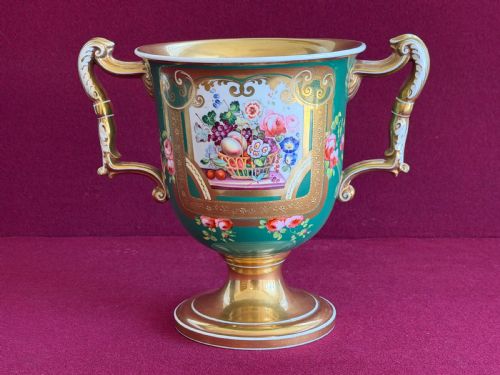
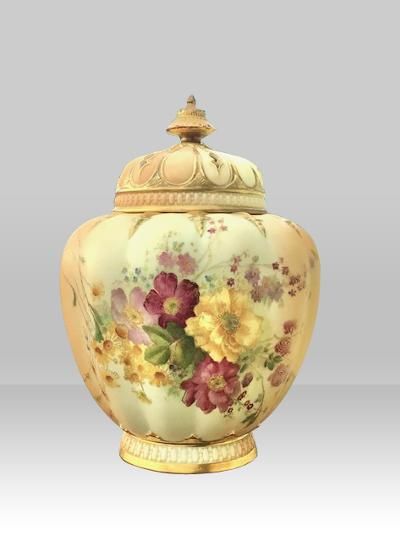
The selections on this page encompass various forms including twin handled urns, loving cups, pot pourri vessels, and pedestal ewers alongside framed watercolour and oil paintings. Victorian and Art Nouveau aesthetic influences dominate the physical vessels, while artists working across the nineteenth and twentieth centuries capture garden subjects on both ceramic surfaces and flat supports.
Materials and methods
Potters shaped clay into porcelain, bone china, and faience bodies before applying glazes and hand painted botanical decorations. Gilding, gold leaf, and enamel accents frequently highlight the rims, handles, and surfaces of these ceramic pieces.
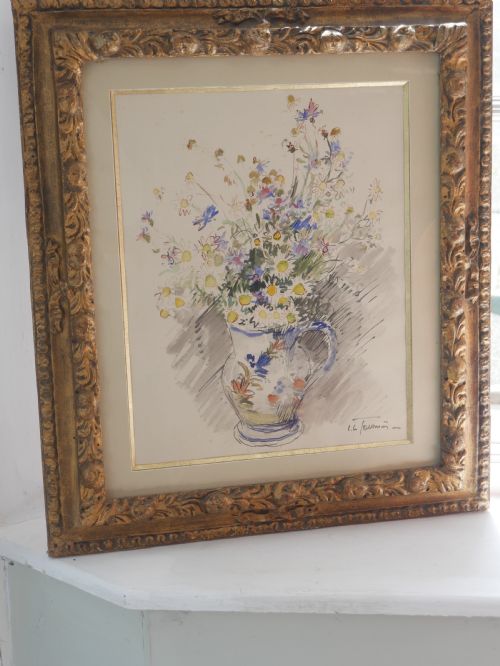
Works on paper utilise watercolour or oil paint to depict blooms such as sweet williams, pelargoniums, wallflowers, and spring flowers. Some Japanese pieces incorporate lacquer over paint applied directly to the ceramic substrate.
The listings feature porcelain, enamel, paper, gold leaf, watercolour, gilding, and ceramic across multiple centuries.
Assessing quality
Quality rests in the precision of the hand painted floral detail and the integration of the artwork with the ceramic form. Finer examples display meticulous brushwork that captures botanical accuracy without stiffness.
The reputation of the manufactory or the documented skill of the artist elevates certain pieces. Well preserved gilding and the absence of clumsy restoration preserve the integrity of the original design.
H and R Daniel·Meissen·Spode·Doulton Lambeth·Flight Barr and Barr·Ernst Wahliss·Royal Worcester
The Ceramic Vase Botanical Painting Glossary
- Porcelain
- A white, vitrified ceramic material fired at high temperatures to achieve translucency and strength. It serves as the primary canvas for many finely painted botanical designs.
- Faience
- Tin glazed earthenware that provides an opaque ground for decorative painting. This technique appears on specialised nineteenth century vessels.
- Pot Pourri
- A pierced vessel designed to hold dried scented plant material while allowing fragrance to diffuse. These often feature elaborate botanical or gilt decoration.
- Ewer
- A large jug with a wide spout and shaped handle, frequently produced as a decorative display piece rather than for utility. Pedestal variants elevate the form on a distinct foot.
- Watercolour
- A paint medium utilising water soluble pigments on paper, employed by artists to render botanical studies and still life compositions. These works frequently depict flowers positioned in vases or jugs.
Ceramic Vase Botanical Painting: Frequently Asked Questions
What is blush ivory porcelain?
Blush ivory refers to a soft, matte cream coloured ceramic body developed by manufacturers like Royal Worcester. It creates a subtle background for painted floral decoration.
This finish became popular during the late Victorian period and gives pieces a warm, understated appearance.
Are these botanical paintings original works?
The flat artworks listed include original oil paintings and watercolours signed by period artists. They record specific floral subjects like sweet williams and wallflowers.
Ceramic items feature hand painted botanical decoration applied directly to the glaze by skilled artisans.
How can I date a ceramic vase?
Examine the bottom of the vessel for factory marks, registration numbers, or impressed stamps. Style indicators like Art Nouveau curves or Regency forms also help narrow the timeframe.
Comparing the painting technique to documented artist periods provides further chronological context.