




Antique Floral Wall Plaque
An antique floral wall plaque brings botanical form into interior decoration through carved timber, enamelled metal, and painted porcelain.
Antique Floral Wall Plaque
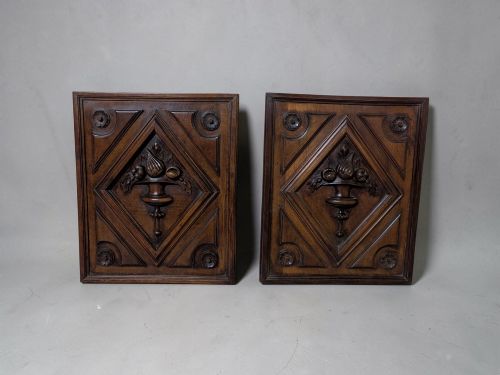
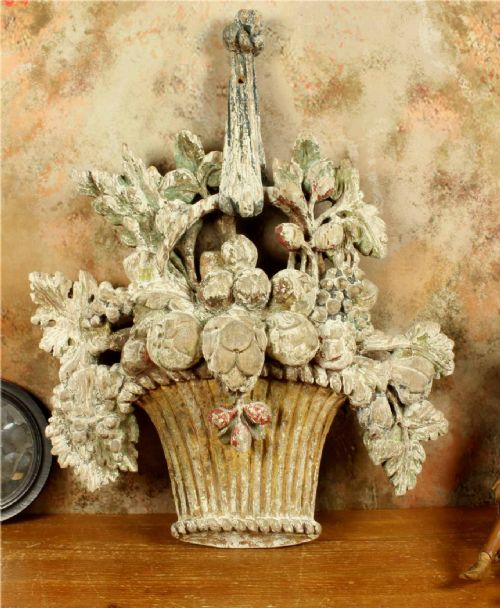
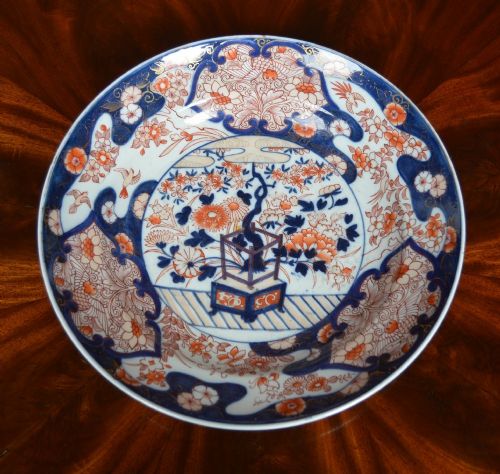
An antique floral wall plaque encompasses carved wooden panels, enamelled metal chargers, and hand-painted ceramic plates designed specifically for display on interior surfaces. Buyers seeking an antique floral wall plaque will encounter a wide geographic and stylistic range spanning Japanese Imari plates, English porcelain cabinet plates, and European carved wooden reliefs.
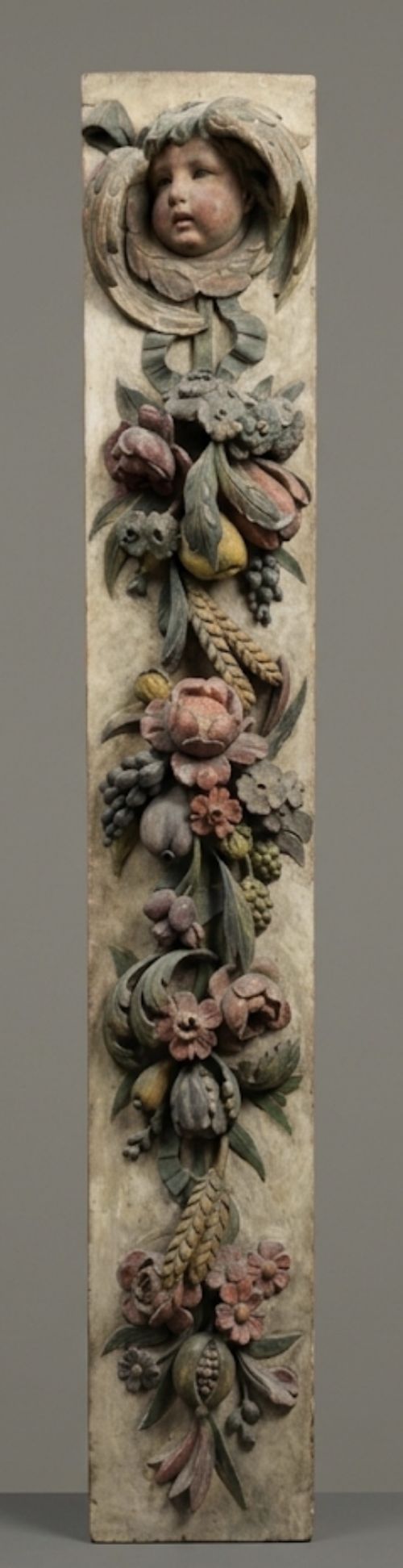
The material expression varies from deeply carved oak and gilt wood temple panels to smooth cloisonne enamel depicting chrysanthemums and lilies. Many pieces reflect distinct historical revivals, including Renaissance Revival, English Rococo, and Neoclassical design principles applied to floral motifs.
How these pieces were made
Carved wooden plaques rely on skilled hand-chiselling across dense timbers such as oak, often integrating polychrome pigments or gilt highlights directly onto the grain. Metal examples utilise cloisonne wirework soldered to brass or copper bases, where enamel pastes are packed into cells before firing.
Ceramic plaques and plates employ hand-painted underglaze and overglaze pigments on porcelain, majolica, or pottery bodies. Each technique demands precise thermal control during kiln firing or careful carving to preserve crisp botanical detail.
Antique Floral Wall Plaque Retail Price Guide 2026
Typical asking prices for floral wall plaque among the pieces listed under this phrase on Sellingantiques today, from the lower quarter to the upper quarter. They describe what is for sale here now, not the wider market.
Among the botanical displays, a cloisonne charger quietly hosts a frog alongside traditional chrysanthemums, proving that master artisans enjoyed unexpected company.
What varies in quality
Quality rests upon the execution of the botanical design, distinguishing rigidly mechanical decoration from fluent, confident artistic expression in carving or brushwork. The depth and precision of relief work on wooden panels or the intricacy of wire cells in cloisonne separate standard production from masterworks.
Condition of the surface medium, whether the preservation of polychrome pigment, the integrity of enamel fields, or the crispness of carved edges, dictates the standing of an individual piece.
H. Meeson·Copeland
The Antique Floral Wall Plaque Glossary
- Cloisonne
- A decorative metalwork technique where thin flat wires are soldered to a metal base to form compartments filled with enamel paste. This method creates defined borders between different coloured vitreous pastes before firing.
- Imari
- A style of Japanese export porcelain characterised by a palette of underglaze blue, iron red, and gilt highlights. These plates frequently incorporate intricate floral and botanical arrangements.
- Majolica
- A type of earthenware coated with an opaque tin-glaze and painted with metallic oxide colours. It permits vibrant depiction of natural subjects such as birds and sunflowers.
- Polychrome
- The practice of decorating architectural elements, carvings, or ceramics in a variety of bright colours. It adds visual depth and naturalistic warmth to wood and plaster surfaces.
Antique Floral Wall Plaque: Frequently Asked Questions
Where should an antique floral wall plaque hang?
These pieces suit living rooms, dining spaces, or hallways where flat surfaces allow their detailed carving or colourful enamel work to catch natural light. They work effectively as focal points above furniture or grouped within a balanced gallery arrangement.
Ensure the mounting method respects the weight and material of the specific plaque, using appropriate brackets for heavy carved timber or secure plate hangers for ceramic chargers.
What maintenance do carved wooden panels need?
Carvation requires stable indoor humidity away from direct heat sources to prevent the timber from splitting or warping over time. Gentle dusting with a soft, dry brush keeps the recesses free from particle accumulation without disturbing the patina.
Avoid liquid polishes or aggressive cleaning agents, which can strip historic finishes or damage original polychrome and gilt highlights.
How do cloisonne and enamel plaques differ?
Cloisonne involves raised metal wires creating distinct cells for varied enamel colours, producing a tactile and visually segmented surface. Standard enamel or painted metal plaques rely on smooth, continuous pigment application across a flat metal plate.
Both techniques provide durable surfaces, but cloisonne offers a characteristic textured grid that defines its botanical motifs.