
Antique Floral Side Cabinet
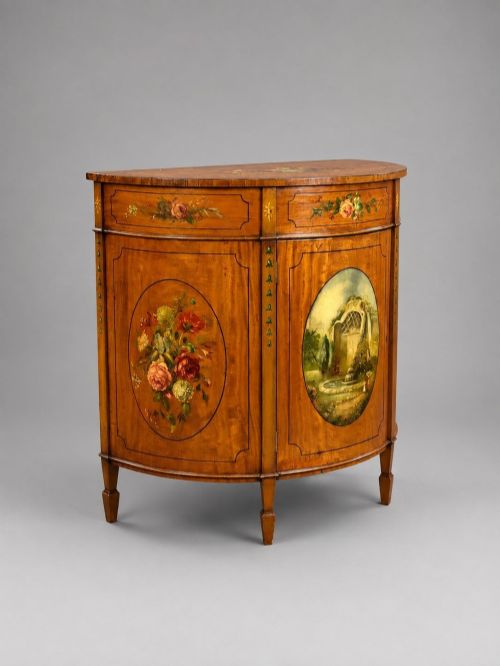
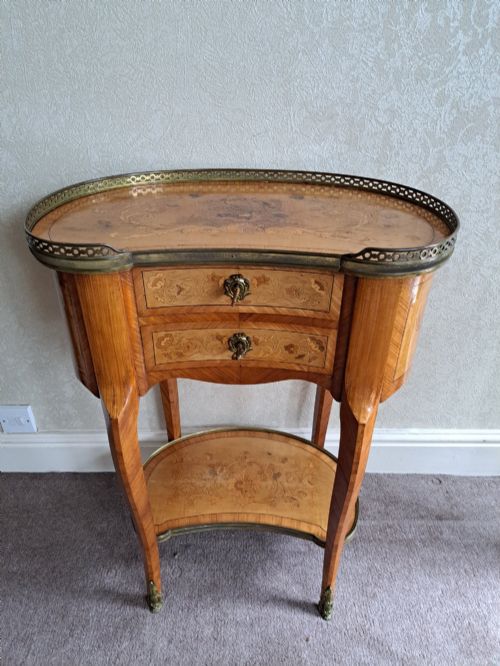
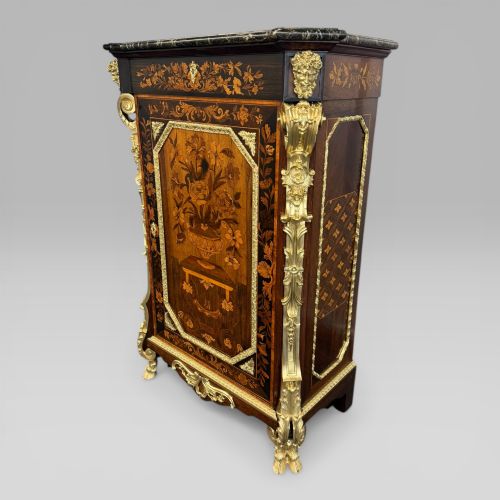
An antique floral side cabinet brings rich marquetry and polished timber together to anchor a room with period proportion.
Antique Floral Side Cabinet
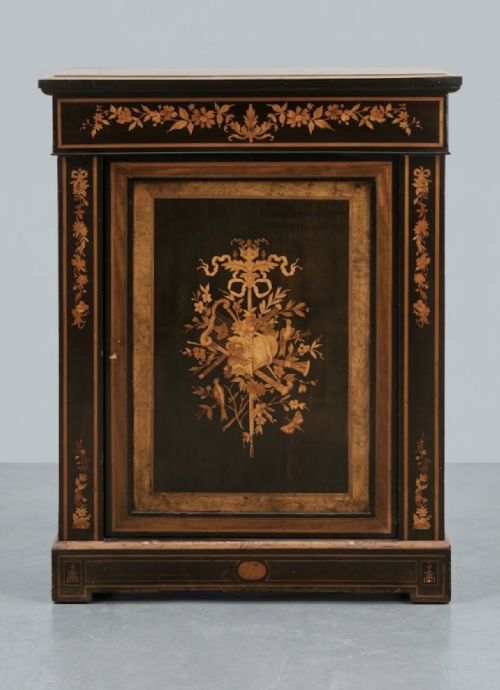
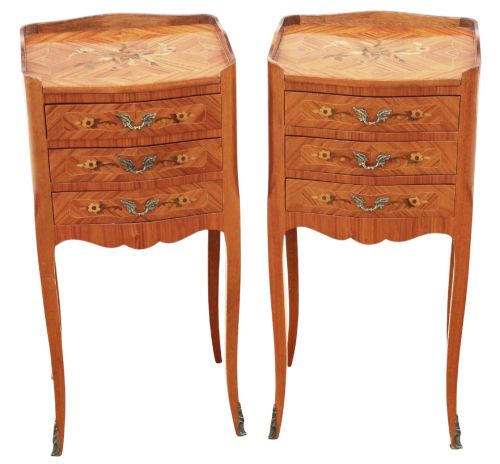
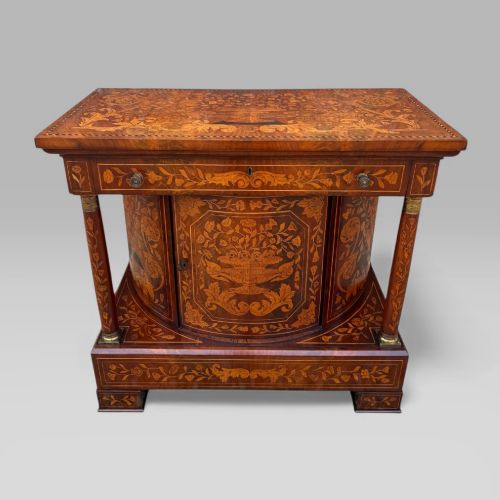
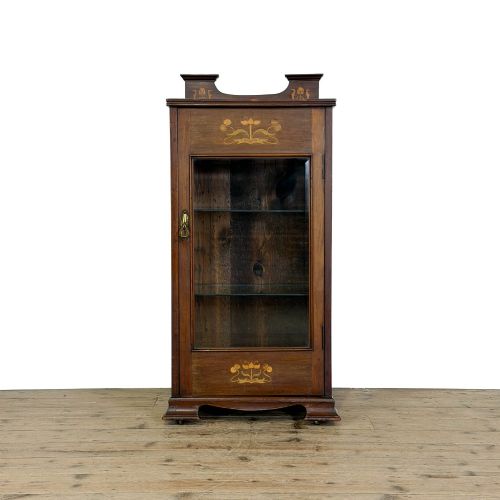
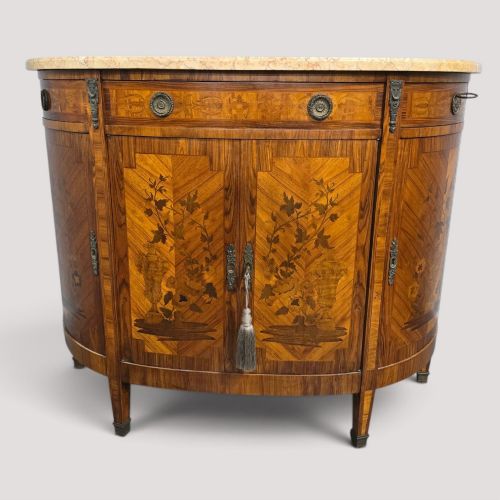
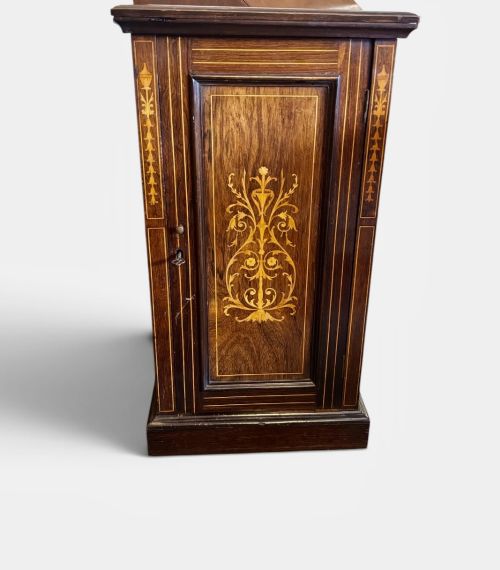
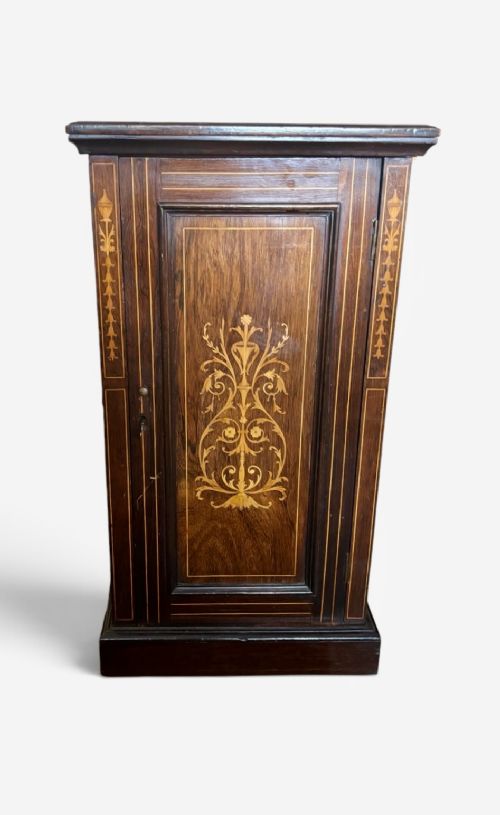
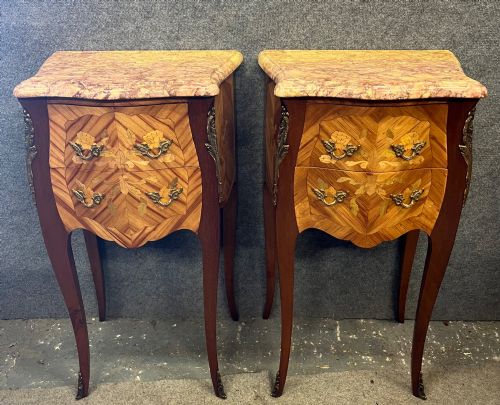
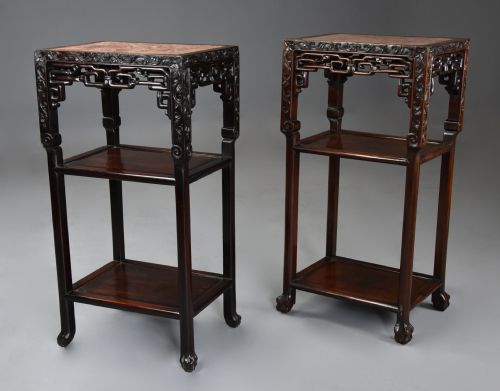
An antique floral side cabinet unites useful surface space with enclosed storage, drawing on centuries of cabinet-making traditions from Britain, France, and the Netherlands. The form encompasses low bedside chests, tall pier cabinets, and serpentine commodes that serve a similar domestic function.
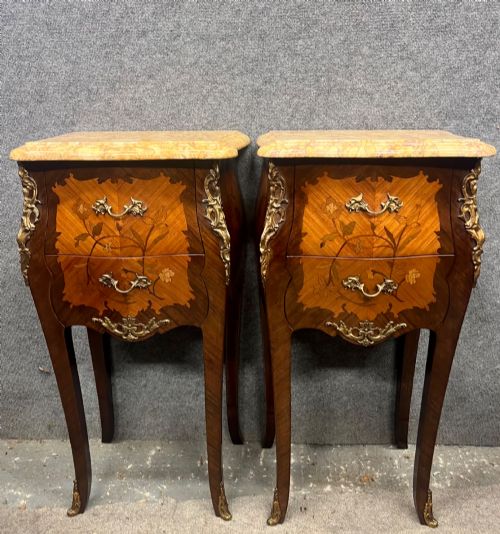
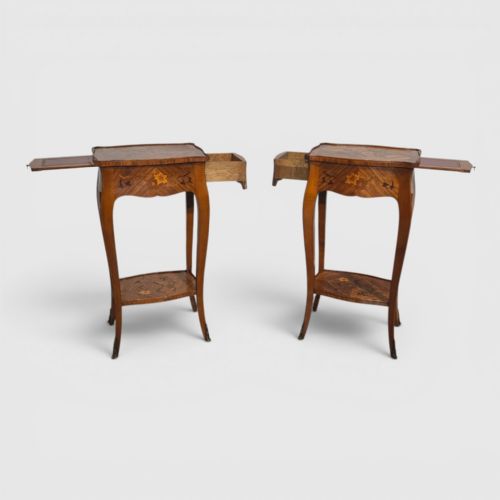
Victorian burr walnut examples featuring intricate floral marquetry panels dominate the archive records, whilst the broader selection spans eighteenth-century Dutch pieces to nineteen-thirties French designs. These works frequently arrive paired as bedside tables or stand alone as credenzas and console wall cabinets.
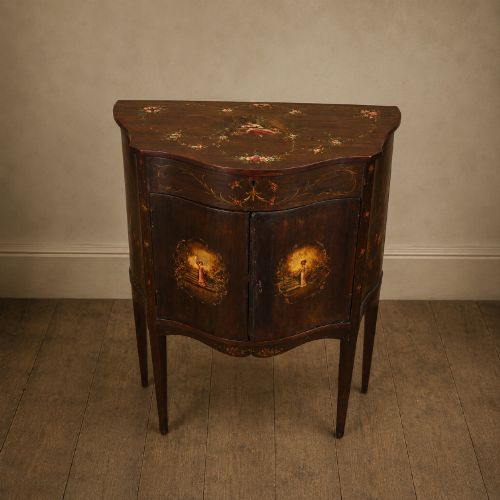
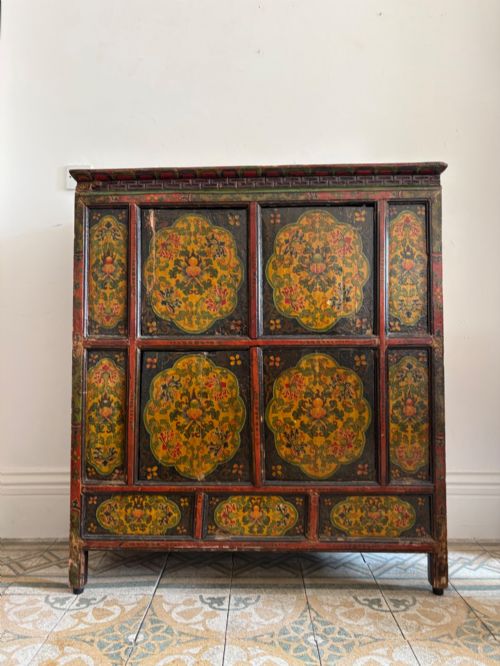
The decorative focus remains firmly on botanical motifs rendered in contrasting timbers or hand-painted panels. Such pieces functioned historically to display ornaments whilst keeping precious items hidden within compartmentalised interiors.
Evaluating workmanship
The distinction between ordinary and exceptional pieces lies in the precision of the veneer work and the depth of the timber grain. Superior examples display seamless joins within the floral marquetry where individual petals and leaves retain their crisp outlines without filler.
Heavier reliance on hand-painted detailing rather than inlaid wood changes the character of the surface, though quality is judged by the sureness of the brushwork and the preservation of the original ground. The weight of the Ormolu mounts and the clarity of the underlying walnut or rosewood figure separate standard production from masterworks.
The listings show a strong preference for Victorian burr walnut alongside eighteenth-century Dutch mahogany and French Kingwood.
Edward Holmes Baldock
The Antique Floral Side Cabinet Glossary
- Marquetry
- The art of creating decorative pictures or patterns by gluing different coloured veneers onto a structural carcass. This technique defines the floral surfaces seen across Victorian walnut and French cabinets.
- Ormolu
- Gilded bronze mounts applied to furniture edges, feet, and corners for ornamental effect. Makers used these cast metal elements to protect vulnerable corners and frame rich timber veneers.
- Demi-lune
- A half-moon shape characteristic of commodes and side tables designed to fit flush against a wall. This curved form provides a softer silhouette in a traditional interior.
- Credenza
- A decorative side cabinet featuring a central cupboard flanked by curved glass or panelled doors. These larger pieces often incorporate extensive marquetry and gilt highlights.
- Pier cabinet
- A tall, narrow piece built to stand against the solid wall space between windows. They typically house books, small collections, or display items behind glazed or panelled doors.
Antique Floral Side Cabinet: Frequently Asked Questions
What is an antique floral side cabinet?
An antique floral side cabinet is a decorative storage piece featuring inlaid wood or hand-painted botanical designs. These items range from Victorian pier cabinets to French bedside chests and Dutch commodes.
They combine practical shelving with intricate craftsmanship, using natural timber grains to render flowers, leaves, and classical panels across the exterior.
How do I date an antique cabinet?
Dating relies on identifying the underlying structural timbers, secondary woods, and prevailing stylistic influences. Victorian pieces often utilise burr walnut with dense floral marquetry, whereas earlier eighteenth-century examples lean towards mahogany and Dutch floral designs.
Later items from the nineteen-twenties and thirties frequently adopt lighter satinwood or French Louis-style proportions.
Where should I place a side cabinet?
These cabinets suit reception rooms, hallways, and bedrooms where their finished backs and decorative tops can be fully appreciated. Narrow pier cabinets and demi-lune commodes fit well into confined wall spaces without dominating a room.
Pairing matching bedside chests adds symmetry to sleeping quarters while providing surface space for lamps and small objects.
How do I care for wood and marquetry?
Protect antique veneers by keeping cabinets away from direct sunlight and steady sources of artificial heat. Sudden temperature shifts can cause the fine woods used in floral marquetry to dry out and lift from the carcass.
Apply traditional wax sparingly and buff gently with a soft cloth to maintain the natural lustre of the walnut, rosewood, or satinwood surface.