


Antique Floral Mug
These antique floral mugs bring hand-painted botanicals and centuries of ceramic craft straight to the table.
Antique Floral Mug
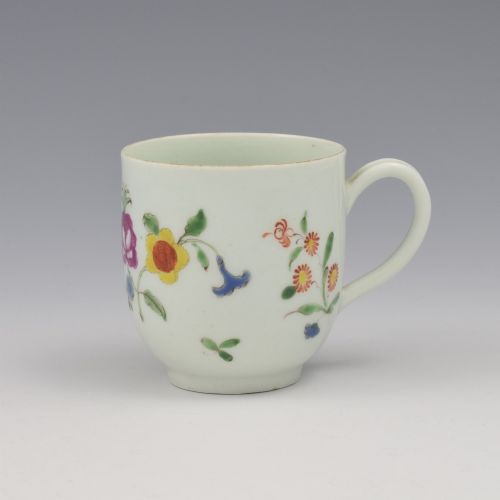
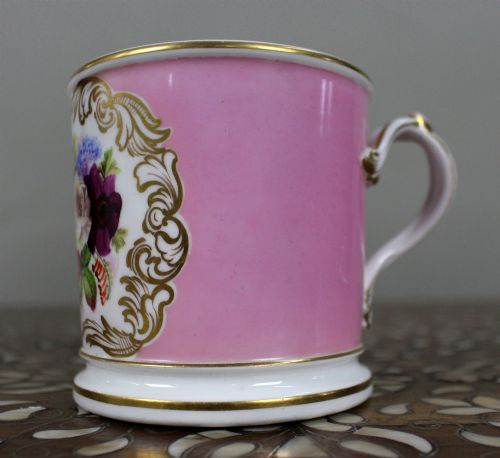
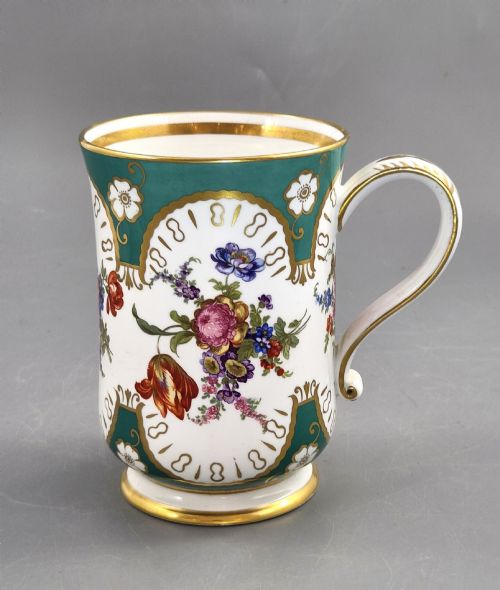
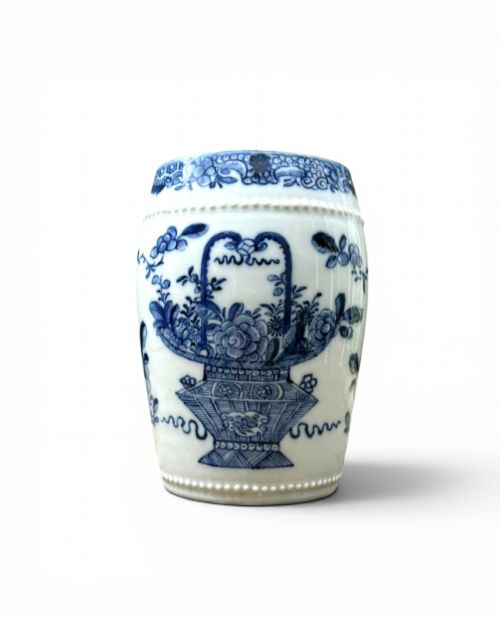
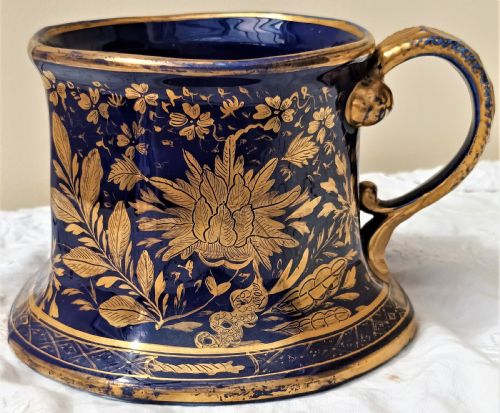
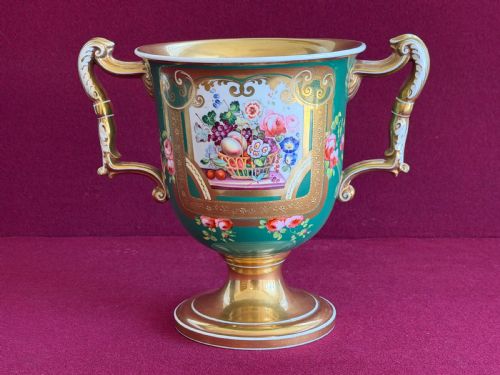
An antique floral mug spans centuries of domestic and display ceramics, taking shapes from barrel-shaped vessels to cabinet cups and massive loving cups. You will frequently encounter nineteenth-century pieces alongside eighteenth-century porcelain and earthenware.
Makers utilised various forms such as tankards, christening mugs, and tygs, each decorated with botanical motifs ranging from British garden flowers to Chinese export porcelain designs.
Materials and construction
Potters relied upon porcelain, ironstone, creamware, and pearlware as foundations, applying glaze and hand-painted enamel colours directly to the body. Gilding with gold leaf frequently highlights the rims and handles of finer cabinet pieces.
Silver and silver plate also appear, shaped into tankards and christening mugs decorated with floral engraving and chased botanical scenes.
Look closely inside some nineteenth-century mugs to find a ceramic frog leaping up at the unsuspecting drinker.
Assessing quality and execution
The fineness of the potting and the skill in hand-painting botanical details separate standard utility vessels from high-status display pieces. Crisp execution of enamel colours and preserved gold leaf indicate superior workshop output.
The inclusion of specific naming, dates, or complex grounds such as Rose Pompadour distinguishes exceptional cabinet mugs and loving cups from ordinary production.
Richard Chaffers·Grainger Worcester·H & R Daniel·Royal Worcester·Mason's·Lowestoft
The Antique Floral Mug Glossary
- Loving cup
- A large drinking vessel featuring multiple handles, traditionally passed around among guests at banquets and celebrations.
- Tyg
- A heavy earthenware or porcelain drinking vessel with three or more handles.
- Pearlware
- A refined earthenware developed in the late eighteenth century featuring a subtle bluish glaze that pooled in crevices.
- Ironstone
- A durable heavy earthenware patent pottery introduced in the nineteenth century to rival true porcelain.
- Chased
- Metalwork decorated by hammering patterns into the surface from the front rather than cutting the metal away.
Antique Floral Mug: Frequently Asked Questions
What is a tyg?
A tyg is a sturdy drinking vessel designed with multiple handles so several people could hold it during communal toasts.
These multi-handled mugs frequently appear in pottery and porcelain across the nineteenth and early twentieth centuries.
How do I date an antique mug?
Dating relies upon identifying the ceramic body, glaze characteristics, and any factory marks stamped or painted on the base.
Stylistic clues like French Rococo Revival curves or Art Nouveau motifs also help place the piece in its correct period.
Were these mugs used for drinking?
Many larger vessels served practical roles for ale or cider at table, while smaller porcelain examples functioned as cabinet cups.
Christening mugs were presented as gifts to mark the birth or baptism of a child rather than for everyday use.
What is a frog mug?
A frog mug contains a small ceramic figure of a frog placed inside the bottom, intended to surprise the drinker as the liquid drained.
These novelty vessels date primarily to the nineteenth century and often feature hand-painted details or personal inscriptions.