

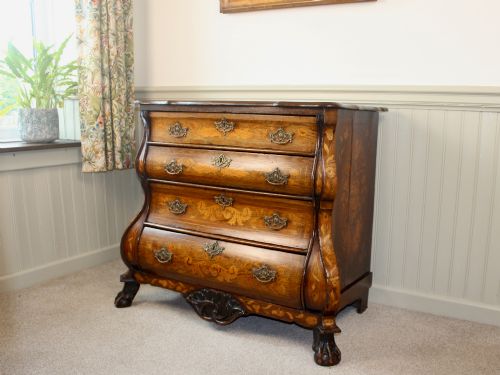


Antique Floral Marquetry Drawers
These antique floral marquetry drawers bring complex botanical imagery to timber surfaces, offering storage formed through centuries of woodworking tradition.
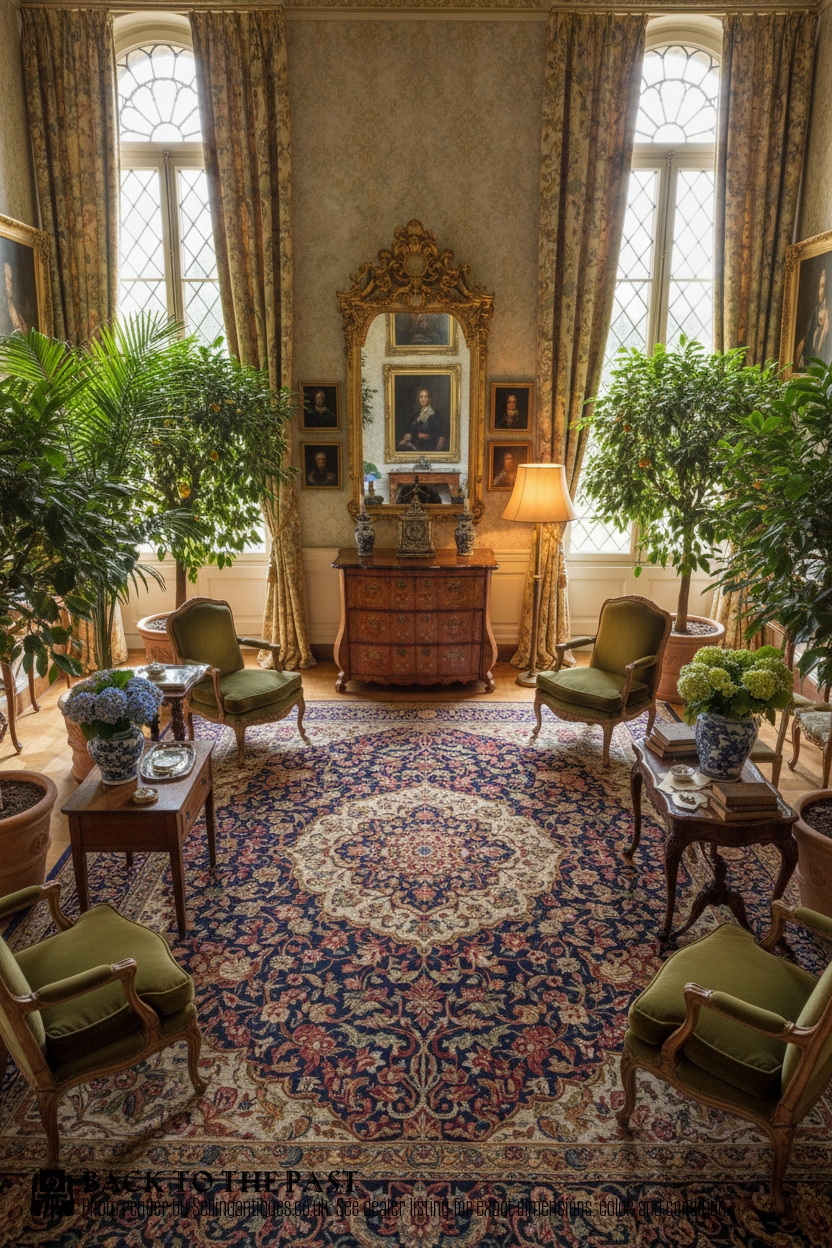
Antique Floral Marquetry Drawers
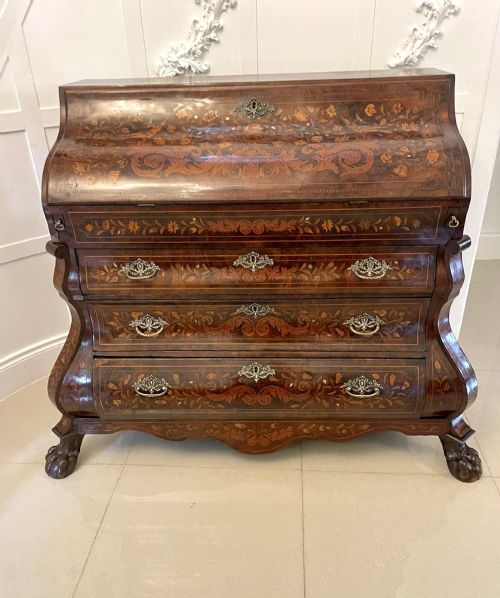
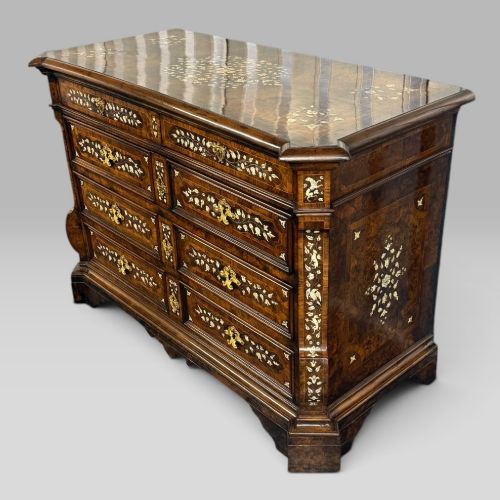
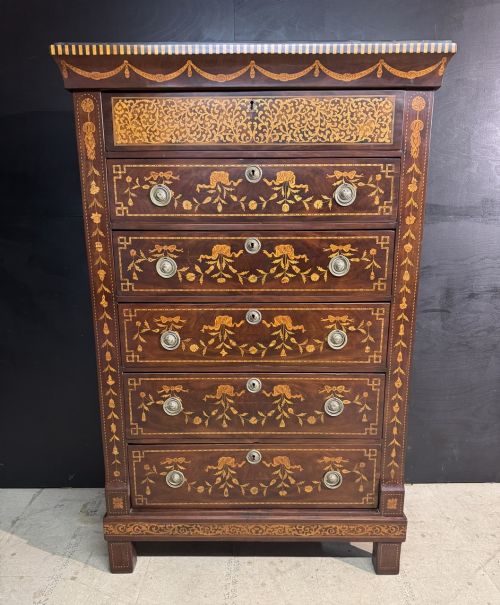
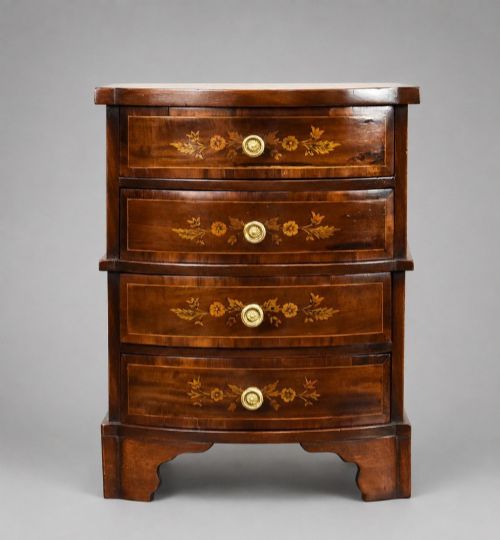
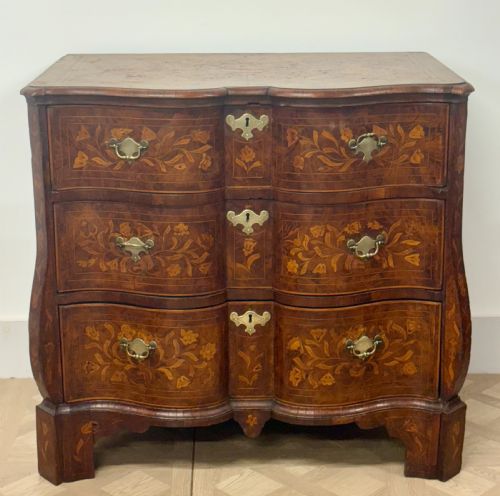
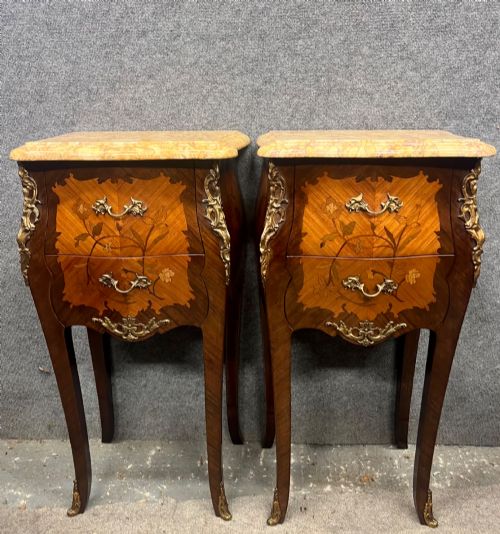
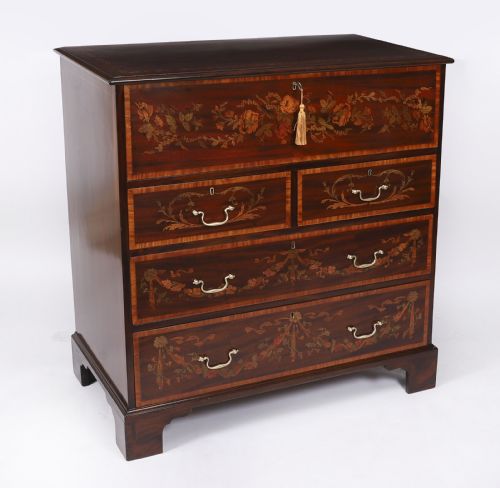
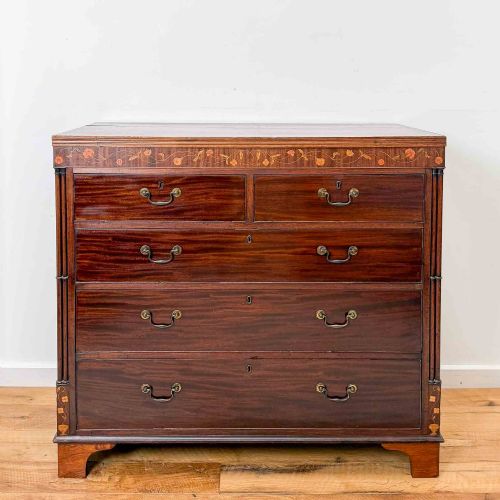
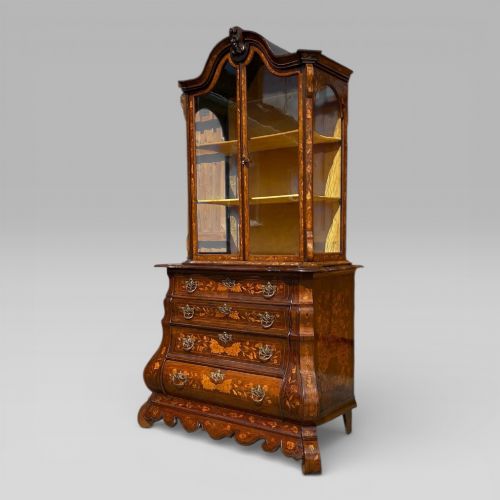
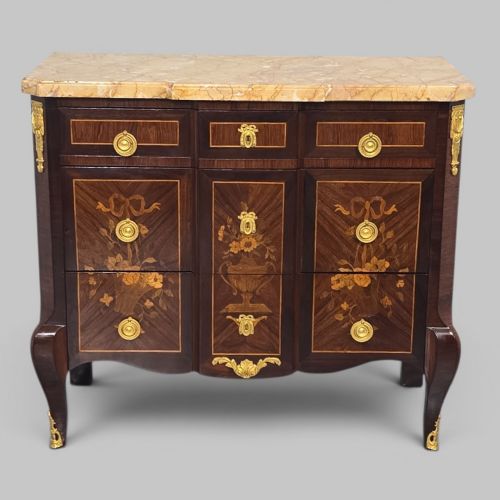
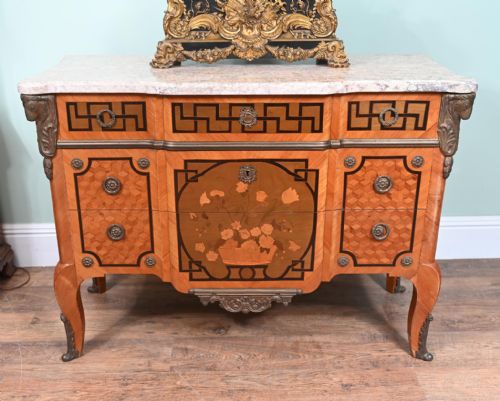
Buyers examining antique floral marquetry drawers encounter chests of drawers, tallboys, commodes, and writing bureaux constructed across several hundred years. The most frequently met examples originate from Dutch and French workshops, utilising rich woods like walnut, mahogany, and kingwood as a base for intricate botanical compositions.
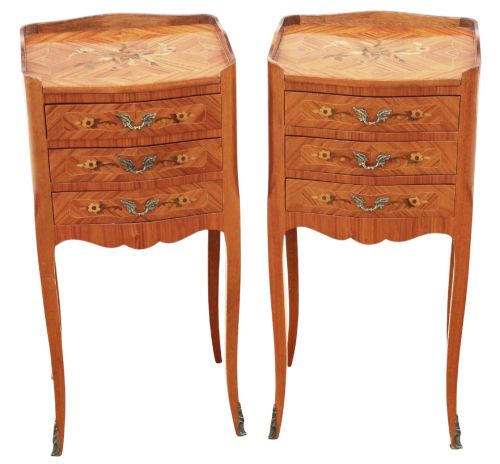
Forms range from straight-fronted seventieth and eighteenth-century carcases to pronounced bombe shapes and serpentine fronts. Alongside larger chests, smaller bedside cabinets, dressing table mirrors, and display cabinets appear regularly within these styles.
Periods represented span from the seventeenth century through the William and Mary era, the Louis XV revival, and into early twentieth-century revivals. Each piece relies on the contrast between dark background timbers and lighter fruitwood inlays to render vases, urns, and sprawling floral stems across the drawer fronts.
Materials and technique
Cabinet makers constructed the primary carcases using native and imported timbers, applying fine veneers of walnut, mahogany, or rosewood to flat and curved surfaces. Onto these grounds, they sliced thin sections of fruitwood and other contrasting light and dark materials to form the marquetry patterns.
The floral motifs were cut using a fret saw, assembling multiple wood layers simultaneously to ensure tight, seamless fits between the petals, leaves, and background veneer. Craftsmen then engraved fine details directly onto the wood surface with hot sand shading or sharp gravers to create depth before gluing the completed panel to the drawer fronts.
The furniture forms include straight chests, serpentine cabinets, and bombe bureaux originating primarily from Dutch and French traditions.
Judging quality in marquetry furniture
Quality rests primarily on the precision of the veneer cutting and the complexity of the botanical design. Superior examples display tight joints between individual leaves and petals without excessive filler, maintaining crisp engraving lines that define the floral stems even as the timber ages.
The choice of foundational timber and secondary woods elevates a piece significantly, with burr walnut and master-carved carcases commanding greater attention than plain grounds. Proportions, structural integrity of the bombe curves, and the survival of original brass hardware or mounts further separate standard production from exceptional work.
Grand Ducal Workshops·Edwards and Roberts
The Antique Floral Marquetry Drawers Glossary
- Marquetry
- The art of applying decorative veneer pieces to a structural carcase to form pictorial designs. This technique differs from inlay by assembling the entire pattern before adhering it to the surface.
- Bombe
- A swelling, bulging contour found on the sides and drawer fronts of case furniture. This curvilinear form requires advanced cabinet making skill to veneer successfully.
- Burr walnut
- Wood taken from the abnormal growth of a walnut tree, producing highly figured, swirling grain patterns. It provides a dramatic background for floral marquetry panels.
- Ormolu
- Gilded bronze mounts applied to furniture edges, corners, and feet. These metal elements protect vulnerable areas and complement the wooden imagery.
- Tallboy
- A tall chest of drawers constructed in two stacked sections, often combining a set of drawers with a cabinet or smaller upper drawers.
Antique Floral Marquetry Drawers: Frequently Asked Questions
What is floral marquetry?
Floral marquetry is a decorative technique where thin slices of various woods are fitted together to create pictorial arrangements of flowers and foliage on furniture surfaces.
Craftsmen glue these assembled wood veneers onto the drawer fronts and carcases of chests, creating lasting botanical imagery using only natural timber tones.
How do I care for walnut furniture?
Walnut furniture requires stable indoor humidity levels and protection from direct sunlight to prevent the timber and delicate veneers from drying out or fading over time.
Regular dusting with a dry, soft cloth and occasional applications of appropriate furniture wax help maintain the lustre of the wood and protect the marquetry.
How do I distinguish 17th century pieces?
Seventeenth century pieces often display William and Mary styling, characterised by geometric framing, dense walnut grounds, and simpler, stiffer floral marquetry motifs compared to later curves. Nail construction, secondary woods like oak, and the specific thickness of the primary timber veneers also point directly to earlier workshop methods.
Where were bombe chests made?
Bombe chests with floral marquetry were predominantly produced in Dutch and French workshops during the eighteenth century and subsequent revival periods.
Master cabinet makers in these regions specialised in shaping the multi-directional curves of the carcase while maintaining the alignment of delicate fruitwood inlays.