

Antique Floral Holder
An antique floral holder supports stems or blooms using centuries of ceramic, metal and glass craft.
Antique Floral Holder
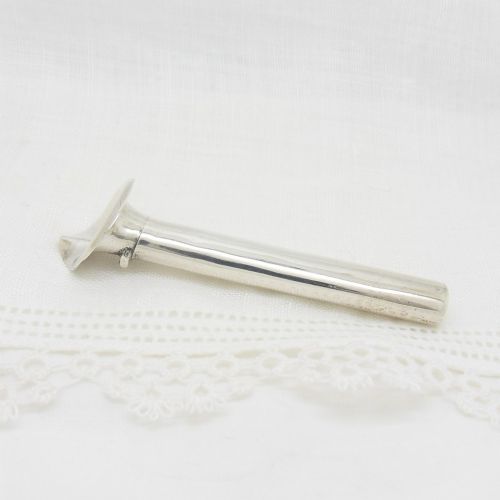
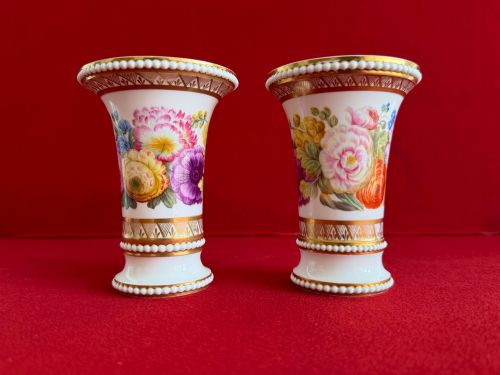
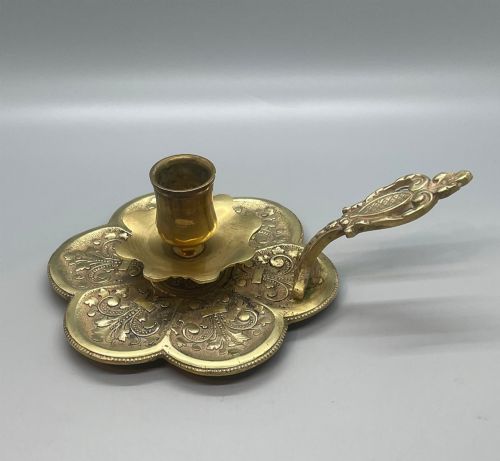
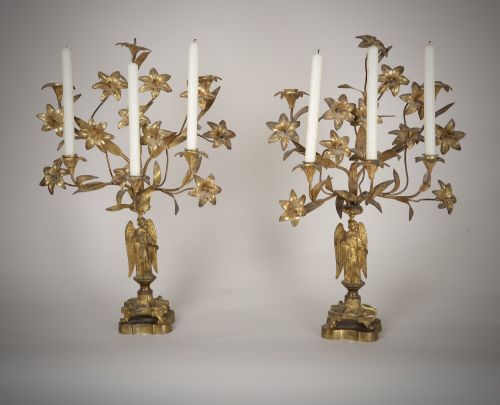
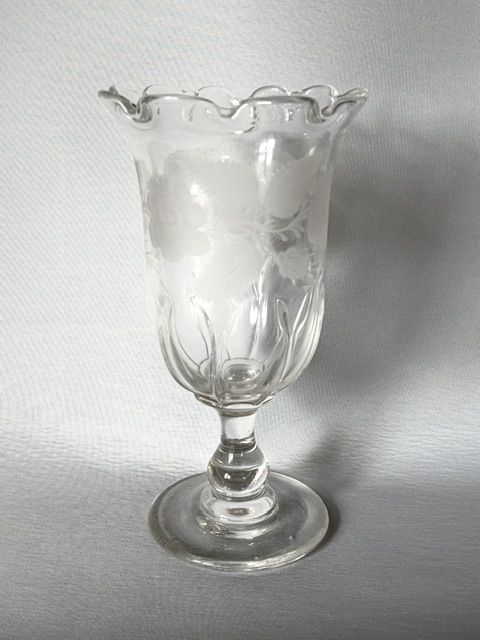
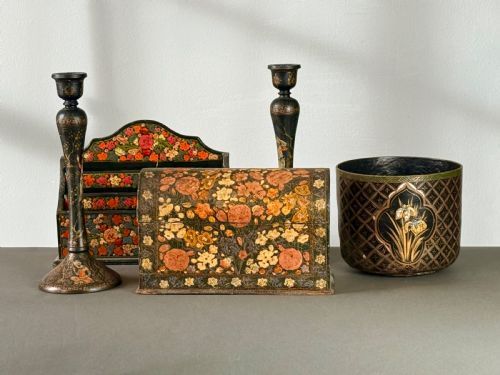
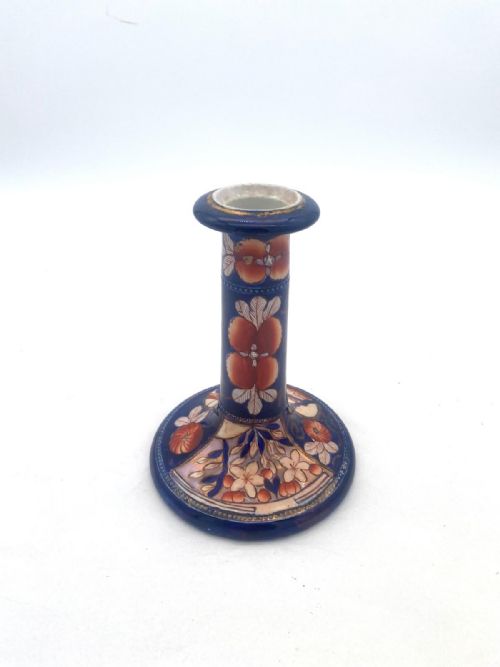
When you search for an antique floral holder, you encounter items designed to display stems, including bough pots, spill vases, cachepots, and chambersticks. These pieces span from the Georgian period through the Victorian, Edwardian, and Art Nouveau eras, appearing in both porcelain and various metals.
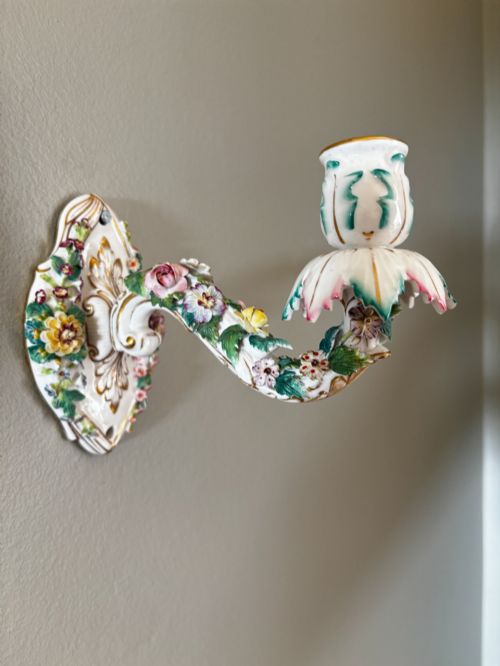
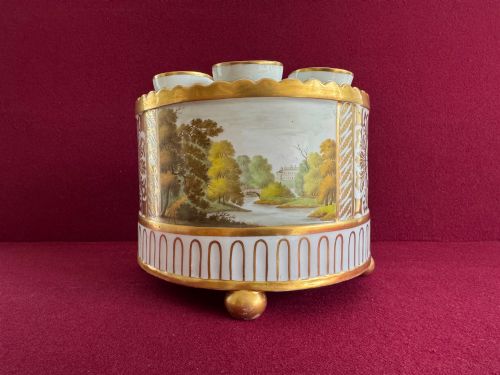
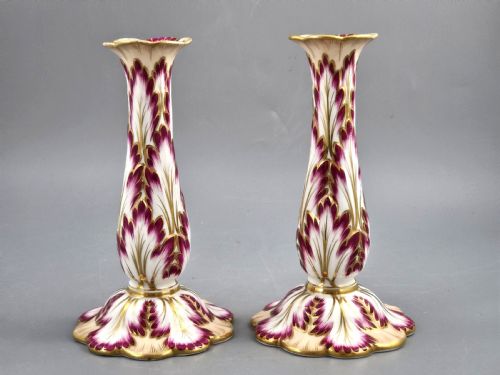
The most common forms on this page include porcelain vases and holders adorned with painted botanical motifs or modelled foliage. Makers such as Spode, Derby, and Meissen contributed significantly to this tradition, producing items intended to bring cut flowers into domestic interiors.
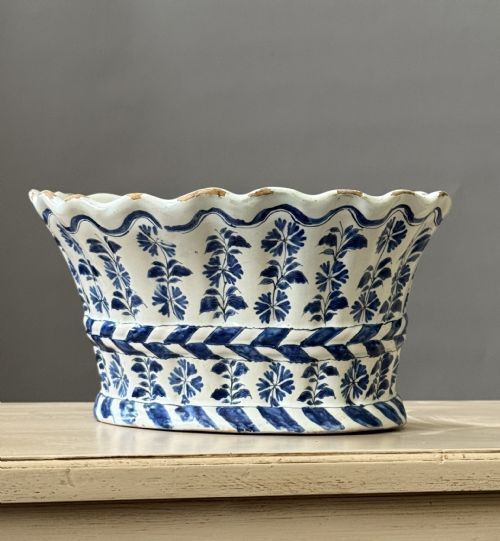
Beyond dedicated vases, related vessels such as ironstone posy vases and earthenware jardiniere containers serve the same botanical function. Each item reflects the period taste for arranging and showcasing fresh flowers within the home.
Materials and construction
Pottery items rely on fine porcelain, ironstone, and earthenware bodies shaped by hand or in moulds, then finished with hand-painted glazes, transfer printing, or applied bocage floral elements.
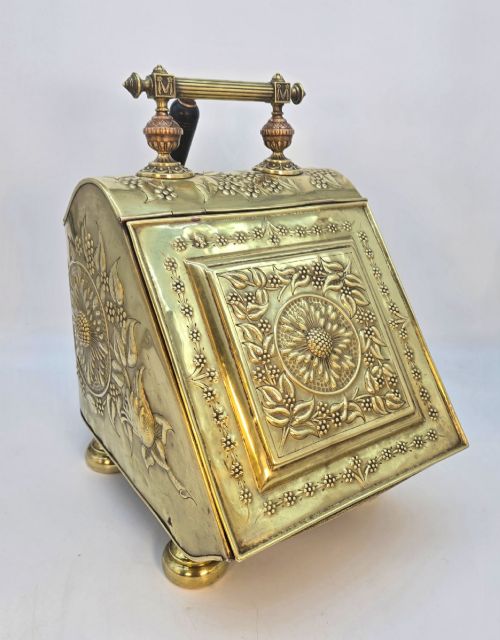
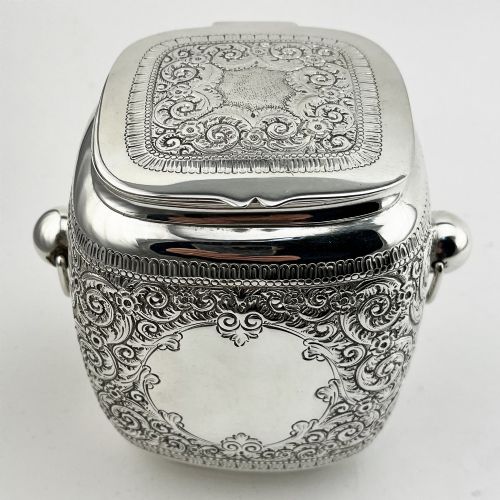
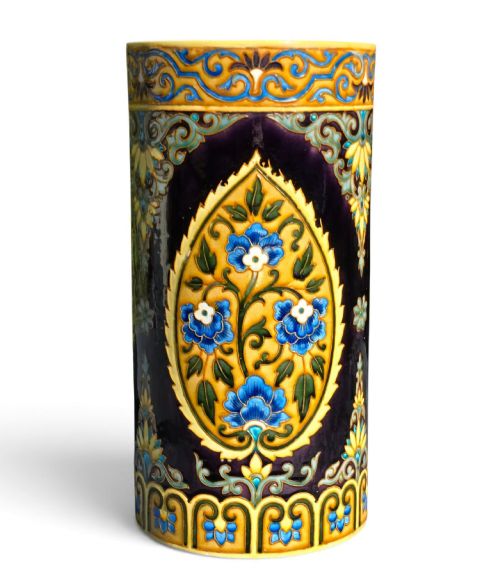
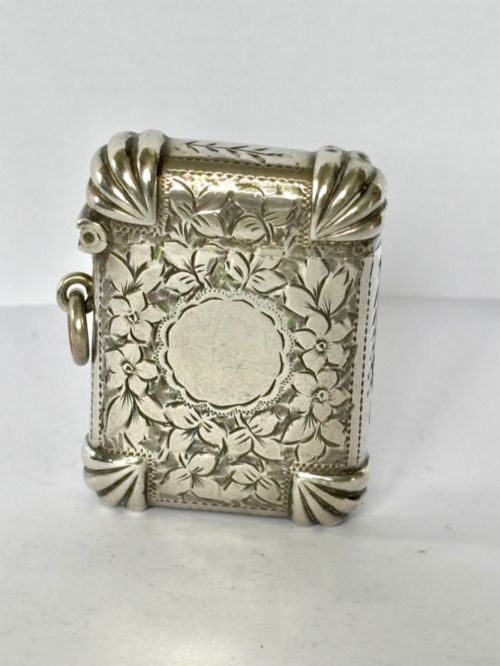
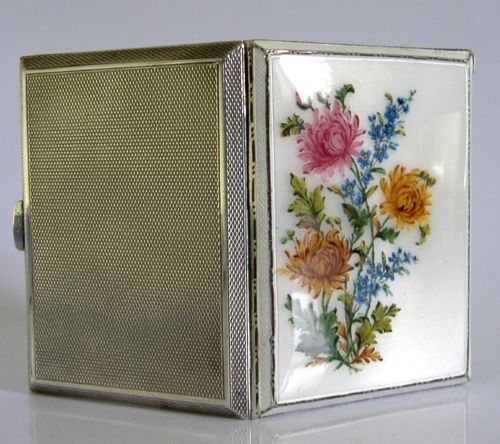
Metal pieces utilise sterling silver, silver plate, brass, and gilt bronze, frequently shaped through casting, engraving, or champlevé enamel work to incorporate plant motifs.
Additional textures arrive through the inclusion of organic components like tortoiseshell, mother of pearl, velvet, and onyx, combined with structural brass or precious metals.
Antique Floral Holder Retail Price Guide 2026
Typical asking prices for floral holder among the pieces listed under this phrase on Sellingantiques today, from the lower quarter to the upper quarter. They describe what is for sale here now, not the wider market.
Several Victorian pieces proudly bear the motto Dinna Forget, ensuring your floral arrangements carry a direct botanical plea.
Distinctions in execution
The standard of a piece rests upon the crispness of its modelling and the precision of its hand-painted decoration, where factory attribution like Meissen or Derby signals elevated capability.
Detailing on metalwork and ceramics separates mass production from finer studio output, seen in deeply chased silver mounts, carefully fired enamel colours, and intricate porcelain foliage.
EV Pledge & Son·Martin Hall & Co·Théodore Deck·Abel Landry·William Neale
The Antique Floral Holder Glossary
- Bocage
- Applied ceramic foliage and floral background work common on figures and candlesticks from eighteenth and nineteenth-century factories.
- Bough pot
- A vessel designed specifically for holding branches of flowers or greenery within a domestic room.
- Champlevé
- An enamelling technique where troughs are carved into a metal surface and filled with vitreous enamel before firing.
- Cachepot
- An ornamental flowerpot outer container designed to hide a plain plant pot underneath.
- Spill vase
- A narrow upright container intended to hold wooden spills used for lighting fires or candles.
Antique Floral Holder: Frequently Asked Questions
How do I use an antique floral holder?
These pieces accommodate short-stemmed blooms, dried botanicals, or decorative spills depending on their specific form and depth.
Water-tight ceramic vessels receive fresh water directly, while open-work or metal variants require discreet interior containers for live arrangements.
What periods do these pieces represent?
The inventory spans the Georgian, Victorian, and Edwardian eras, reaching from the eighteenth century into the early twentieth century.
Art Nouveau and Rococo Revival aesthetics heavily influence the decorative styles found across these decades.
How should I clean antique porcelain?
Gentle dusting with a soft brush preserves delicate applied elements like porcelain flowers and leaves.
Avoid soaking items with gilt highlights or fragile hand-painted surfaces in water.
How can I tell porcelain factories apart?
Factories stamp, paint, or impress specific marks onto the unglazed bases of their ceramic wares.
Stylistic markers such as Derby bocage work or Meissen modelling also indicate the originating workshop.