


Antique Floral Cream Pitcher
An antique floral cream pitcher brings hand-painted botanical charm to the table, uniting practical service with centuries of ceramic artistry.
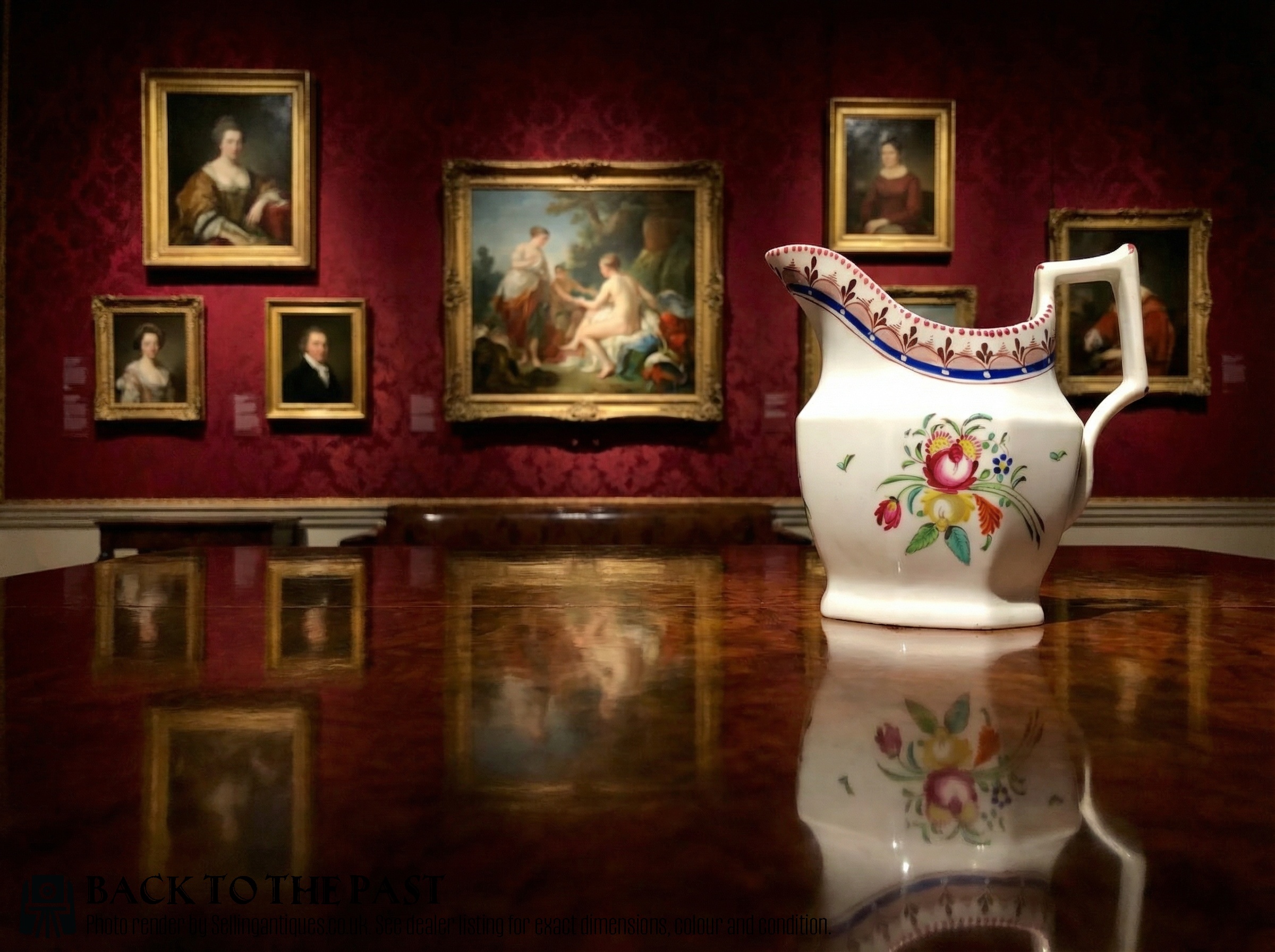
Antique Floral Cream Pitcher
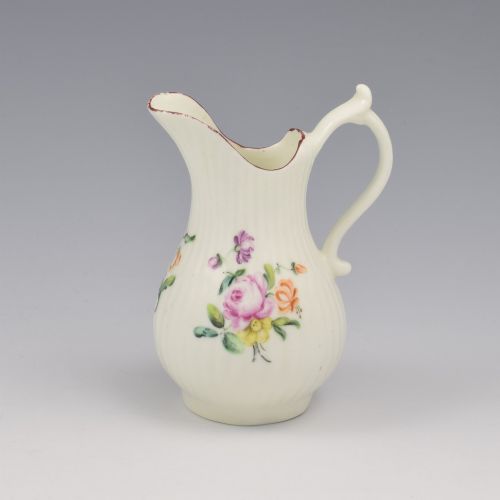
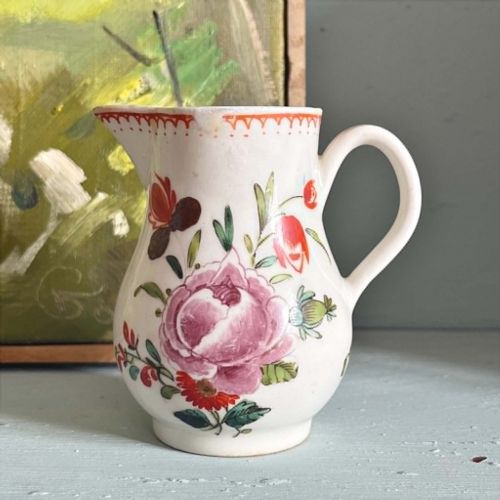
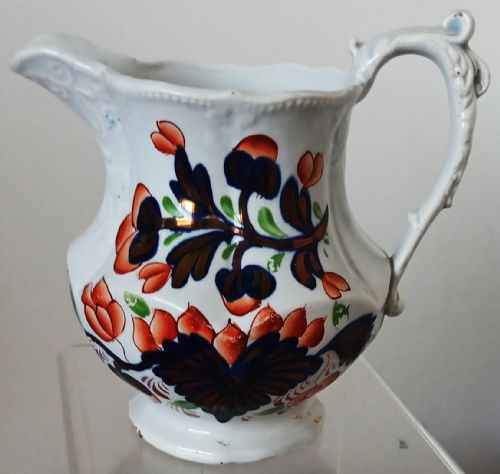
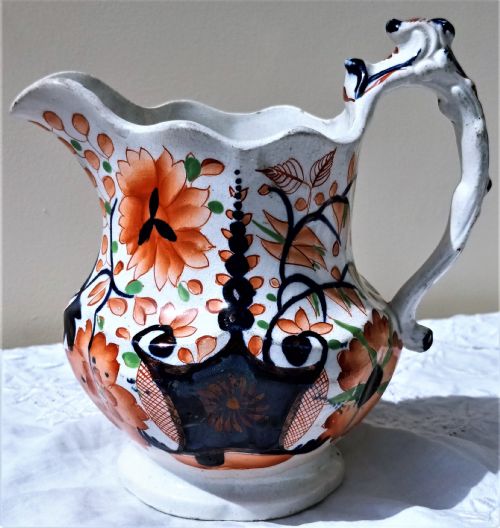
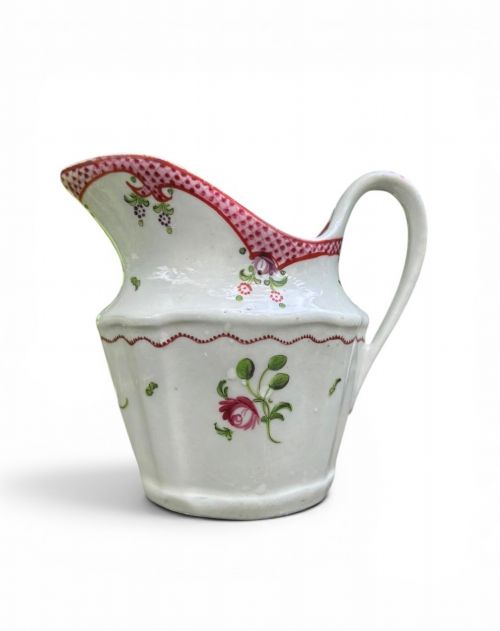
An antique floral cream pitcher is a small pouring vessel designed for milk or cream, featuring painted or transferred botanical motifs. The listings here reveal examples ranging from eighteenth-century soft-paste porcelain to nineteenth-century earthenware and pottery.
Buyers will encounter various forms under this search, including sparrow-beak creamers, baluster jugs, and ewers. These pieces originate from notable factories and periods spanning the Georgian, Victorian, and Edwardian eras.
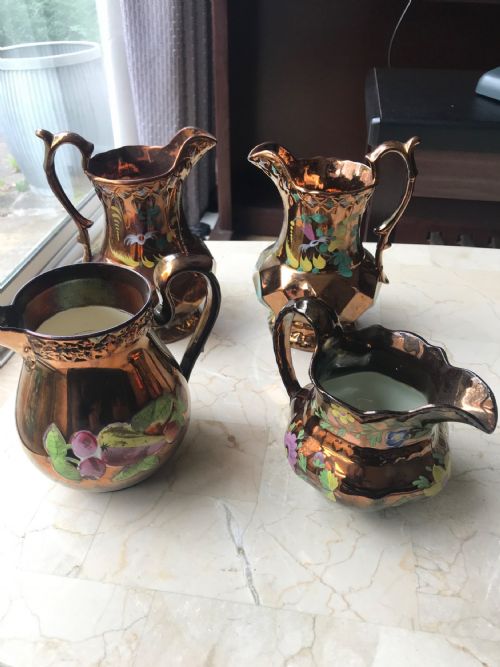
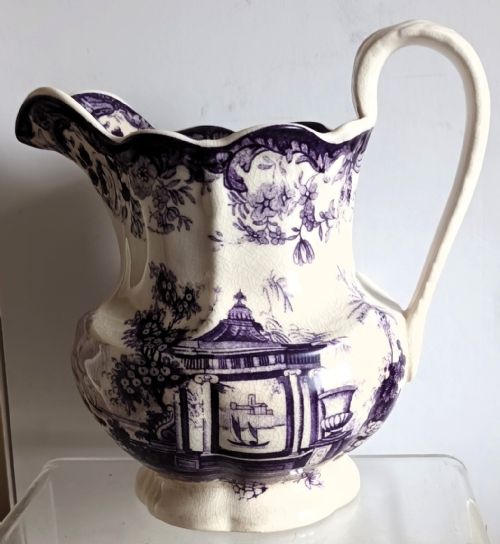
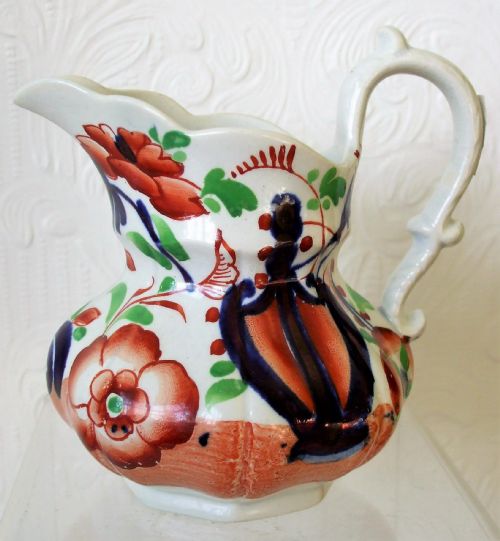
The decorative schemes rely heavily on floral and fruit subjects, rendered through hand-painting, transfer printing, or polychrome enamel work. Many pieces show influences from Rococo revival designs or regional pottery traditions like Gaudy Welsh.
How They Were Made
Potters and ceramists shaped these pitchers using materials such as porcelain, hard-paste porcelain, earthenware, and pearlware. Moulded elements like cabbage leaf patterns or fluted baluster bodies added texture before glazing and firing.
Decoration required skilled hand-painting with polychrome enamels, copper lustre applications, or magenta transfer printing. Gilding with gold leaf frequently accented handles, rims, and floral panels on finer porcelain bodies.
The selection spans from Georgian porcelain creamers to Victorian earthenware jugs and Edwardian blush ivory ewers.
What Varies in Quality
The fineness of the ceramic body distinguishes standard domestic pottery from superior porcelain productions. Thin-walled bodies, crisp moulding, and precise potting indicate higher craftsmanship in eighteenth-century and nineteenth-century pieces.
The execution of the floral decoration dictates visual appeal, separating hasty factory production from delicate, detailed brushwork. Hand-painted polychrome enamel work and well-preserved gilding or copper lustre elevate the standing of a pitcher.
Derby Porcelain·Bow porcelain·New Hall·Meissen·Royal Worcester·John Rose Coalport·Doulton Burslem
The Antique Floral Cream Pitcher Glossary
- Sparrowbeak
- A small eighteenth-century cream jug featuring a distinctive pinched spout resembling a bird's beak. These early pieces often display delicate polychrome floral painting.
- Pearlware
- A refined earthenware developed in the late eighteenth century featuring a pale bluish glaze that pooled slightly in crevices. It served as a popular canvas for transfer-printed and painted botanical patterns.
- Ewer
- A large jug with a wide spout and scroll handle, often treated as a decorative object rather than a functional vessel. Victorian examples frequently utilise blush ivory glaze and gilt accents.
- Soft-paste porcelain
- An artificial porcelain mixture fired at lower temperatures than hard-paste ceramic, common in early English factories. It presents a warm, slightly creamy body ideal for enamel painting.
- Copper lustre
- A metallic pottery glaze imparting a coppery, reflective sheen to jugs and pitchers. It is frequently paired with hand-decorated fruit and floral motifs.
Antique Floral Cream Pitcher: Frequently Asked Questions
What is a sparrowbeak cream jug?
A sparrowbeak cream jug is a small eighteenth-century vessel characterised by a short, pinched spout that resembles a bird's beak. These items were made to serve individual portions of cream at the tea table.
They frequently feature hand-painted polychrome flowers or Chinese export porcelain designs. Collectors value them for their diminutive scale and early potting techniques.
How do I identify a Georgian cream pitcher?
Georgian cream pitchers date from the mid-eighteenth to the early nineteenth century and typically display forms such as baluster bodies or sparrowbeak profiles. They utilise early ceramic bodies like soft-paste porcelain or pearlware.
Decoration on these pieces often includes hand-painted floral enamels, transfer printing, or moulded cabbage leaf details. Makers from this era include factories such as Derby, Bow, and New Hall.
How should I display antique floral cream pitchers?
Antique cream pitchers suit enclosed wooden cabinets where their painted floral designs remain protected from dust and accidental knocks. Grouping pieces by period or ceramic type highlights differences in glaze and form.
Ensuring stable shelving prevents tipping, especially with narrow-based pieces like baluster jugs or pedestal ewers. Indirect lighting helps reveal the subtle details of hand-painted enamels and copper lustre finishes.