


Antique Floral Chest
An antique floral chest brings intricate marquetry, painted blossoms, and substantial storage into a room.
Antique Floral Chest
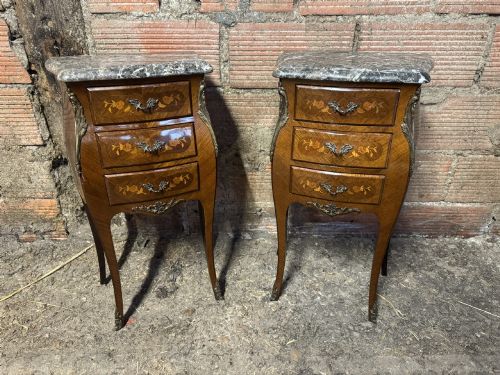
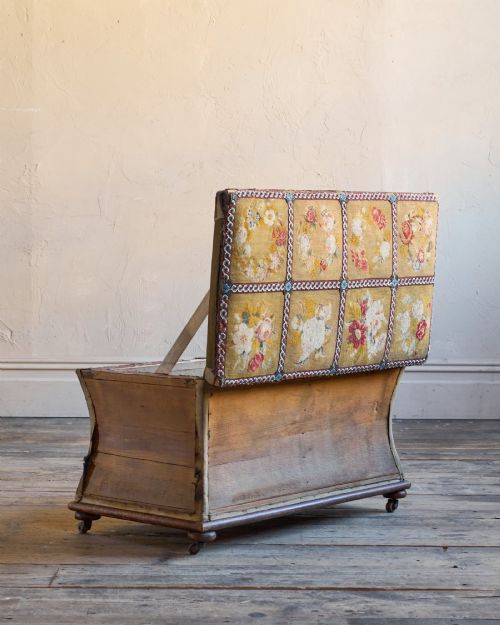
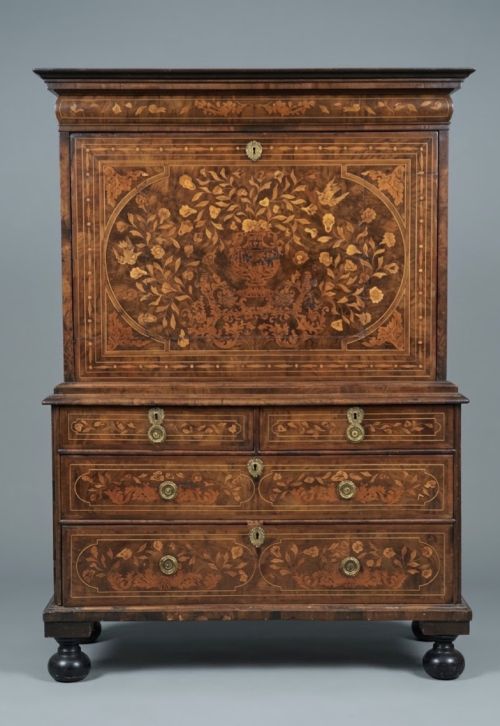
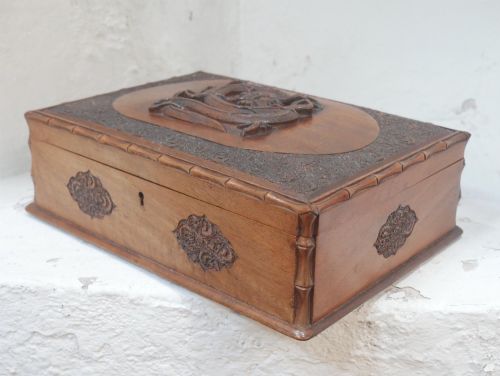
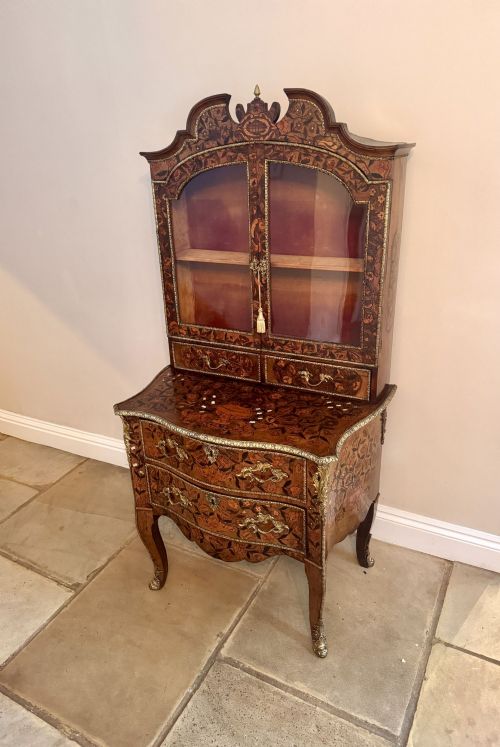
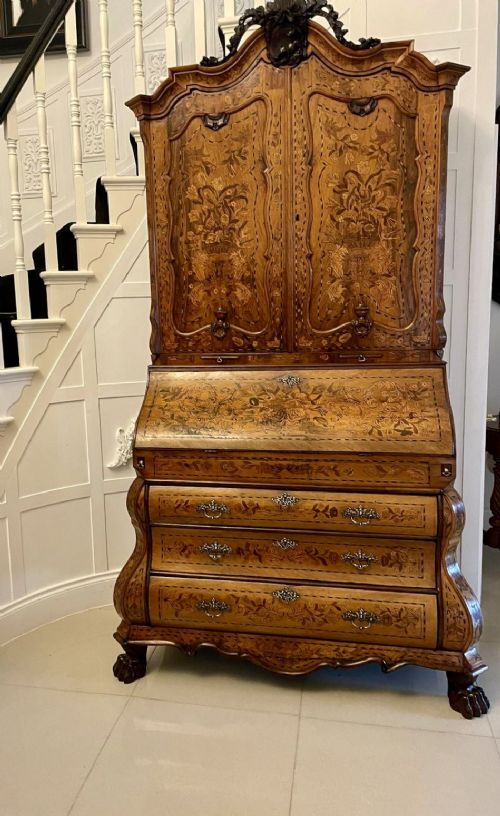
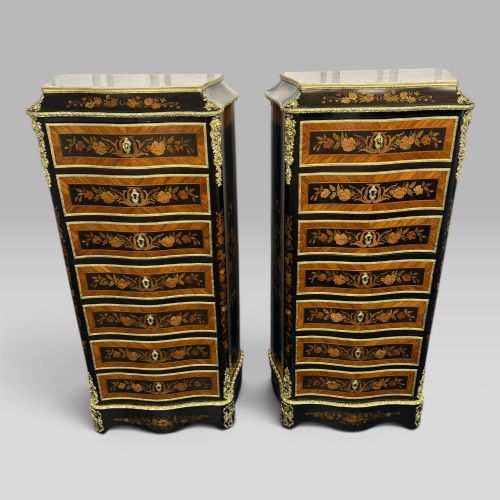
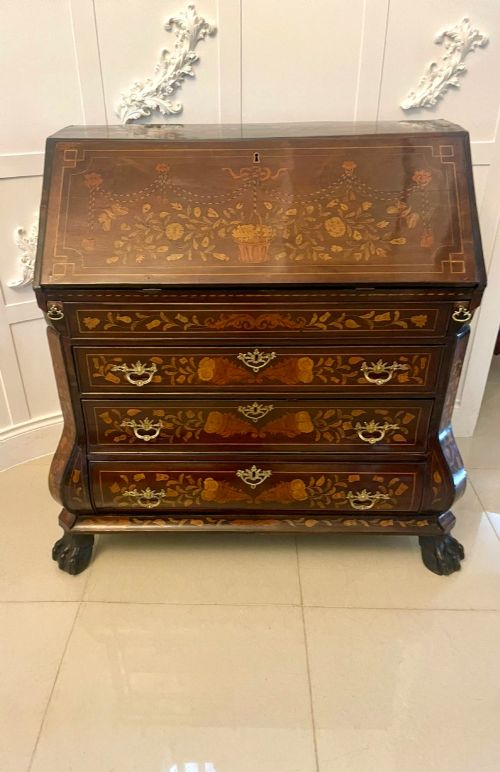
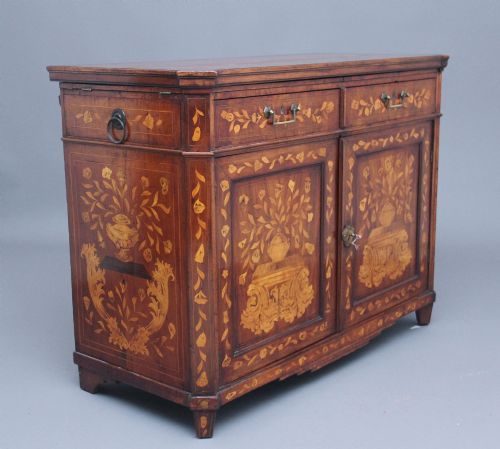
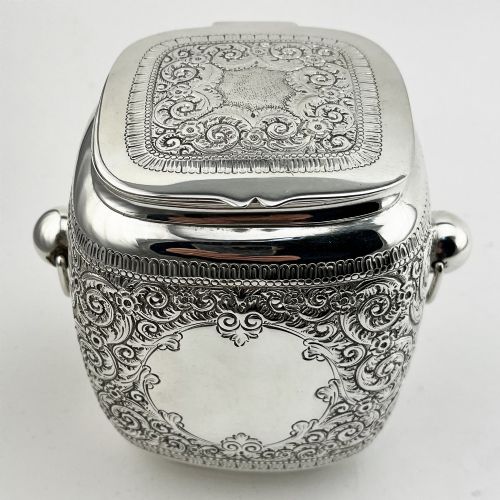
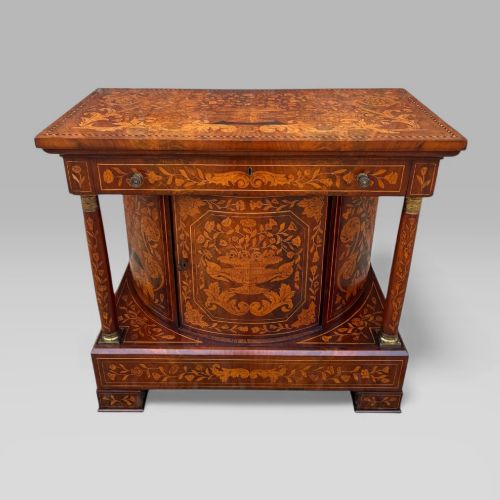
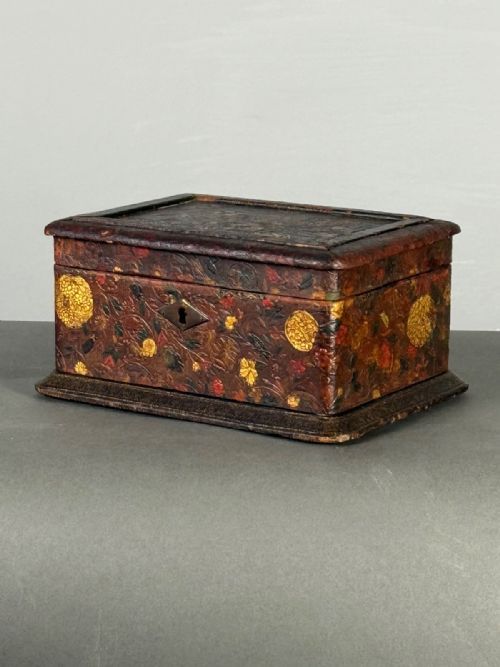
When searching for an antique floral chest, buyers encounter a variety of forms spanning several centuries, primarily featuring decorative marquetry, painted surfaces, or inlaid floral motifs. These pieces range from eighteenth-century Dutch walnut bureaus and tall chests to later bedside cabinets, commodes, and tea caddies incorporating botanical details in wood, lacquer, or leather.
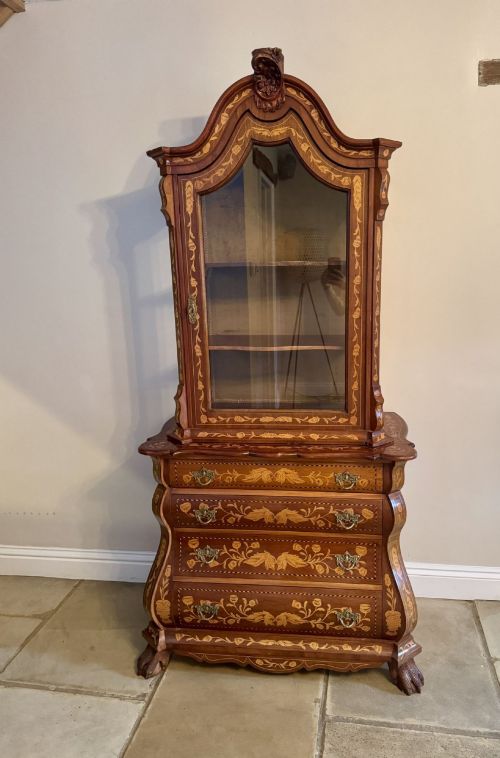
The selection on this page leans heavily toward eighteenth-century Dutch craftsmanship, alongside nineteenth-century pieces and later twentieth-century interpretations. Walnut, mahogany, and burr woods provide the primary grounds for elaborate floral inlay, while painted finishes appear on regional trunks and cabinets from diverse origins.
Assessing quality and execution
Quality reveals itself in the precision of the marquetry cutter and the selection of figured timber for the background. Superior examples display tight, seamless joints within the floral veneers and naturalistic shading achieved through the traditional sand-burning technique.
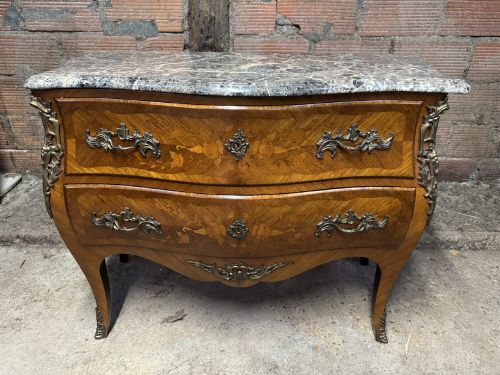
The architectural integration of the chest matters greatly, from the handling of bombe contours to the proportion of the drawers and the crispness of secondary brass or pewter inlays. Finer pieces maintain structural integrity alongside delicate ornamentation, whereas lesser examples rely on repetitive patterns and simpler carcase construction.
Antique Floral Chest Retail Price Guide 2026
Typical asking prices for floral chest among the pieces listed under this phrase on Sellingantiques today, from the lower quarter to the upper quarter. They describe what is for sale here now, not the wider market.
The documented periods stretch from the seventeenth century through the Georgian era to 1930s continental designs.
Susse Freres Paris·Martin Hall And Co·Edwards And Roberts
The Antique Floral Chest Glossary
- Marquetry
- A decorative technique where small pieces of veneer are assembled to form pictorial designs, such as floral bouquets, on a wooden background.
- Bombe
- A swollen or bulging contour typical of continental European furniture, particularly associated with eighteenth-century Dutch and French chests.
- Bureau
- A desk fitted with a sloping fall-front that opens to reveal a writing surface and small interior drawers or pigeonholes.
- Commode
- A low chest of drawers, generally of French or continental origin, designed with wide proportions and decorative mounts or inlay.
Antique Floral Chest: Frequently Asked Questions
How do I date an inlaid floral chest?
Dating relies on examining the secondary timbers used inside the drawers, the style of the hardware, and the construction methods of the carcase. Eighteenth-century pieces often feature hand-cut dovetails and distinct walnut or oak framing beneath the decorative veneers.
Changes in furniture fashion also help narrow the period. Earlier Dutch baroque and rococo pieces display deep, naturalistic floral marquetry, while later nineteenth and twentieth-century interpretations adopt different proportions and lighter satinwood or painted highlights.
Where were these chests made?
The pieces originate from various European and international workshops, with a strong concentration of walnut and mahogany examples coming from the Netherlands. Other items stem from French cabinetmakers, English workshops, and trade routes reaching China and Tibet.
Regional differences define the appearance. Dutch makers favoured complex floral marquetry on burr walnut, whereas Asian and Indian pieces often utilised painted lacquer or leather coverings.
How should I care for wood marquetry?
Protect the surface by keeping the chest away from direct sunlight and maintaining stable humidity levels in the room. Excessive heat can cause the fine wood veneers of the floral inlay to dry out and lift from the carcase.
Dust the piece regularly with a soft, dry cloth rather than applying modern chemical polishes. Occasional application of microcrystalline wax helps preserve the sheen of the timber without damaging old finishes.
What is the difference between a commode and a chest of drawers?
A commode typically refers to a low, decorative chest of drawers of continental European origin, often featuring elaborate curved fronts and marquetry. Standard chests of drawers encompass a broader range of upright storage furniture.
In practical terms, commodes frequently served formal reception rooms where appearance mattered as much as storage. Their proportions are generally wider and lower than traditional English tallboys or chest-on-chest forms.