


Antique Floral Candle Holder
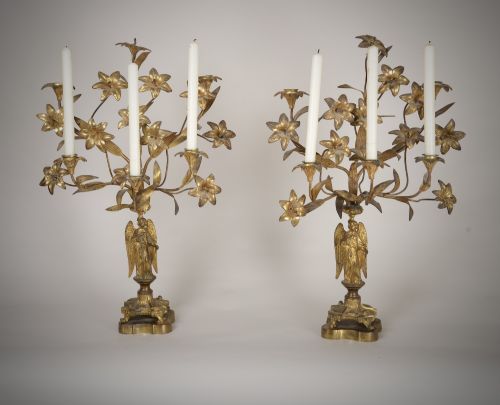
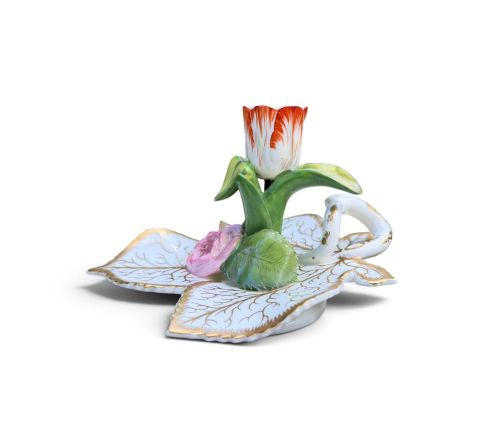
An antique floral candle holder brings together functional illumination and botanical detail, spanning porcelain chambersticks, gilt bronze candelabra and brass sconces from the eighteenth to the early twentieth century.
Antique Floral Candle Holder
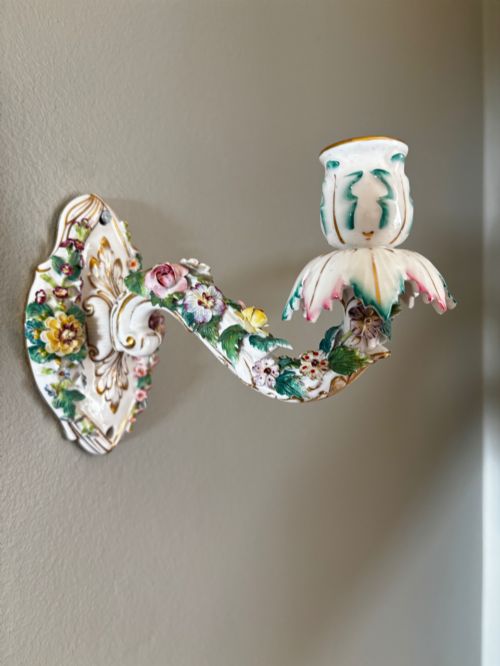
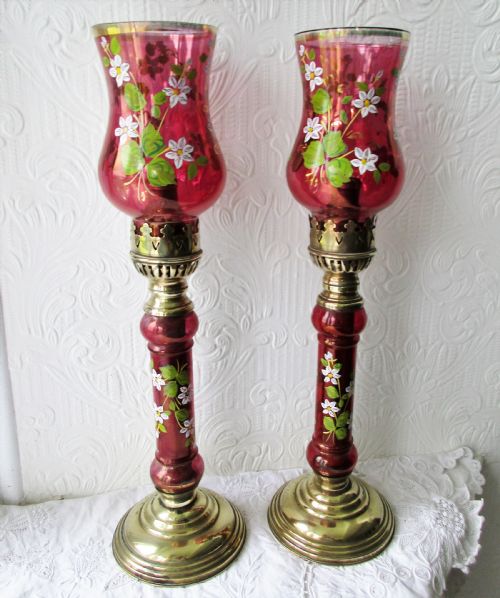
An antique floral candle holder encompasses candlesticks, candelabra, wall sconces and chambersticks designed with botanical motifs, foliage and porcelain flowers. These pieces emerge predominantly from nineteenth-century European factories and workshops, alongside Georgian English examples and occasional North Indian variations.
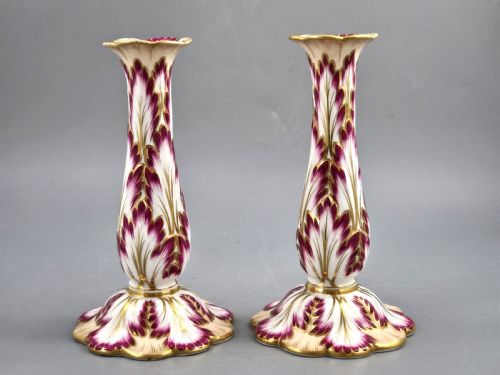
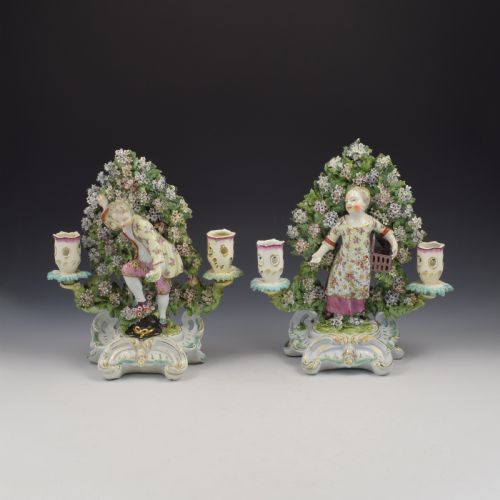
The most common forms on this page include porcelain figural pairs surrounded by ceramic bocage and enamel foliage, alongside brass, bronze and ironstone pieces cast or moulded with floral decoration. Makers ranged from major porcelain houses like Meissen, Sitzendorf and Derby to English makers producing ironstone and bone china.
Dating stretches from the mid eighteenth century through the Georgian and Victorian eras up to nineteen-hundred, incorporating styles from Rococo Revival and Louis XVI to Gothic Revival and Art Nouveau. Buyers encounter single chambersticks for bedside use as well as grand multi-arm candelabra intended for formal dining rooms and parlours.
How they were made
Porcelain floral holders rely on hand-modelled ceramic petals and leaves applied to the body or arranged as delicate bocage backgrounds around figures, fired at high temperatures and hand-painted with polychrome enamels and occasional gilt accents.
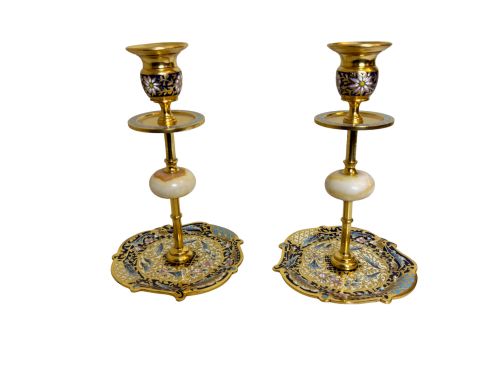
Metal versions utilise cast brass, bronze and ormolu, often combining patinated and gilt surfaces, sometimes mounted with onyx or marble bases and inset with glass or enamel components.
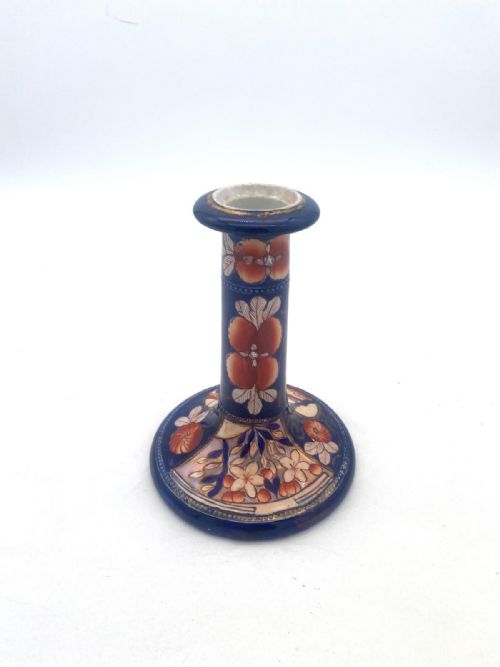
Ironstone and ceramic pieces combine moulded earthenware bodies with transfer-printed or hand-painted botanical patterns, occasionally paired with cast brass drip pans and holders.
Children dressed as gardeners and musicians permanently hold candles while standing amidst porcelain cabbage roses.
What varies in quality
In metalwork, the crispness of the chasing in gilt bronze and ormolu, the weight of the cast brass and the integration of secondary materials such as marble, onyx and mirrored glass define the standard of execution.
Completeness of delicate porcelain flowers and matching original components heavily influence desirability, as intricate floral elements frequently suffer losses over generations of use and handling.
Meissen·Sitzendorf·Derby·Minton·Spode·Mason s·Ridgway·Abel Landry·Helena Wolfsohn
The Antique Floral Candle Holder Glossary
- Bocage
- A decorative background of carved or modelled foliage and flowers encircling porcelain figures. It is frequently found on eighteenth and nineteenth century Continental and English figures.
- Chamberstick
- A low candlestick fitted with a saucer base and a handle, designed for carrying from room to room in a bedchamber. Many feature matching extinguishers.
- Ormolu
- Gilt bronze, where a layer of gold is applied to a bronze base using a mercury amalgam or electrical gilding process. It provides a rich golden finish on nineteenth-century French pieces.
- Ironstone
- A heavy, durable type of earthenware patented in nineteenth-century England to imitate porcelain. It readily accepts bright enamel colours and floral transfer prints.
- Sconce
- A wall-mounted lighting fixture designed to hold one or more candles. Backplates often incorporate mirrors or reflective brass to enhance the light.
Antique Floral Candle Holder: Frequently Asked Questions
How were chambersticks used?
A chamberstick provided portable lighting for navigating dark hallways and staircases in houses before electricity. The shallow tray caught dripping wax while the loop handle allowed safe carrying.
Servants prepared these holders each evening for family members to take to their bedrooms. Many retain small conical extinguishers designed to snuff out the flame without smoking.
What is porcelain bocage?
Bocage represents leafy thickets and flowering branches modelled in clay behind ceramic figures. It creates a lush garden backdrop derived from eighteenth-century pastoral aesthetics.
Because these delicate ceramic leaves and petals project outward from the main body, they require careful handling. Surviving examples often display minor professional restorations to this fragile foliage.
How do I date a brass candlestick?
Dating relies on manufacturing techniques, assembly methods and stylistic shifts between Georgian simplicity and Victorian ornamentation. Earlier pieces often feature distinct casting seams and heavier proportions.
Makers marks, registry diamonds and stylistic crossovers into Aesthetic Movement or Gothic Revival styles help narrow the decade of production.
Can I still burn candles in them?
Most antique holders accommodate standard modern taper candles, though base diameters vary slightly across different periods and manufacturing regions. Using beeswax or dripless candles minimises wax spillage.
Care must be taken with fragile porcelain arms and enamel decorations to avoid heat damage or accidental impact during placement.