


Antique Floral Arm Chair
These antique floral arm chairs bring pattern and comfort together, drawing on decades of revival styles and traditional seating forms.
Antique Floral Arm Chair
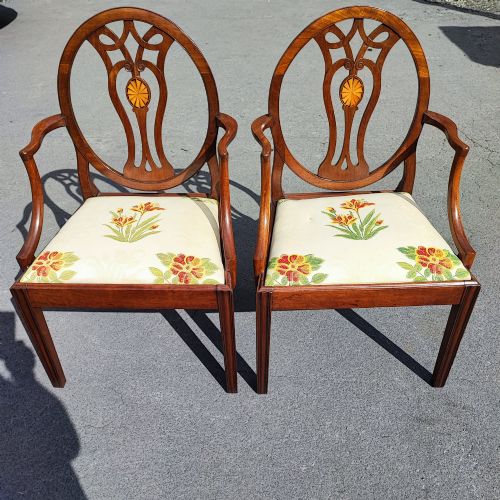
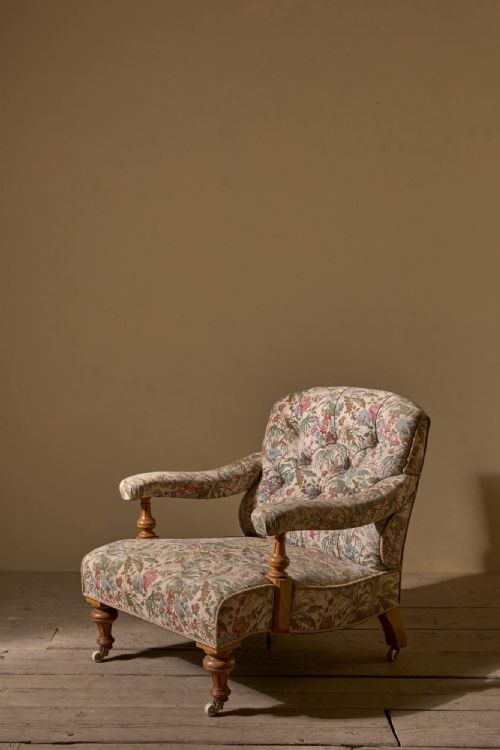
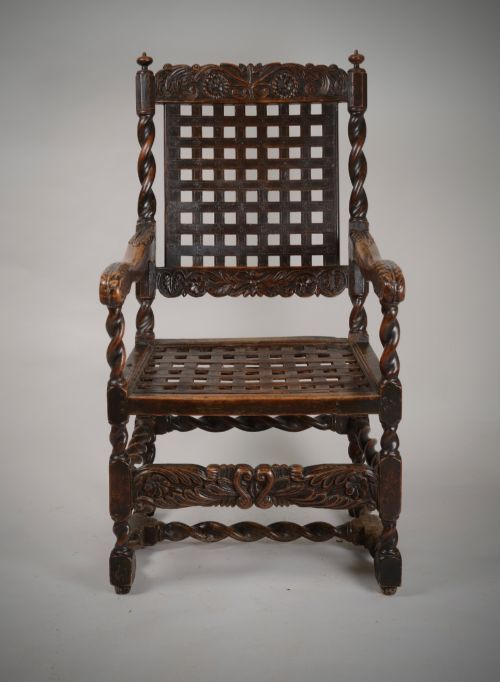
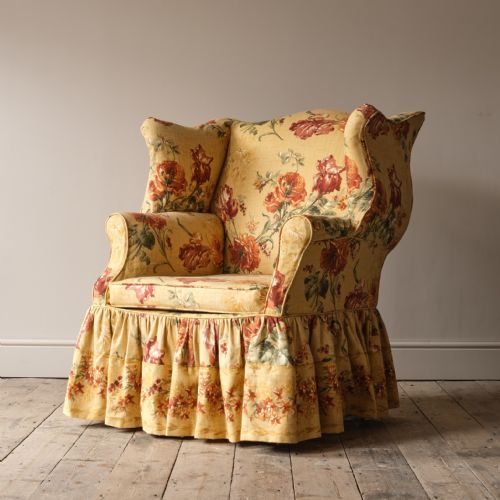
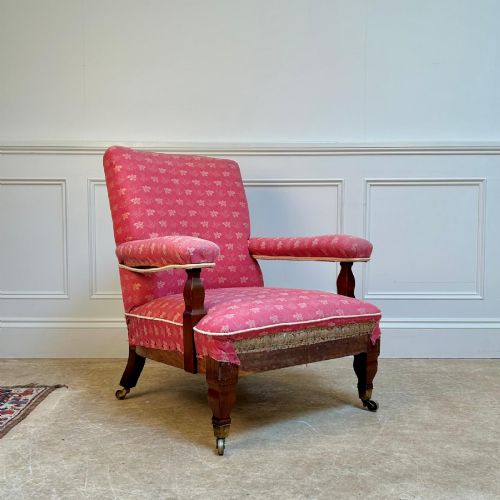
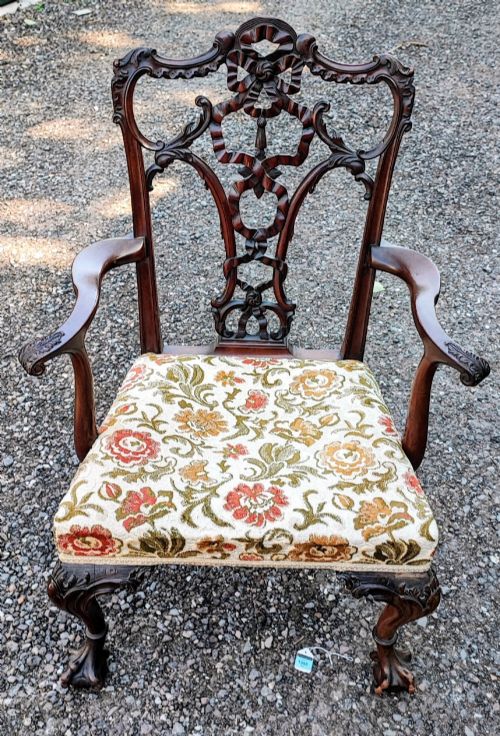
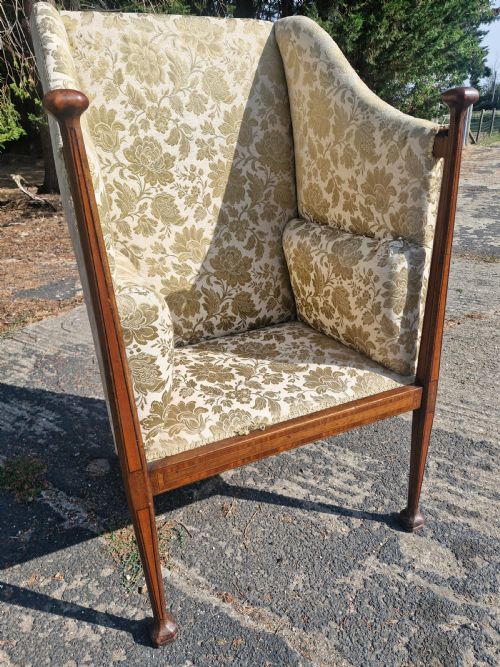
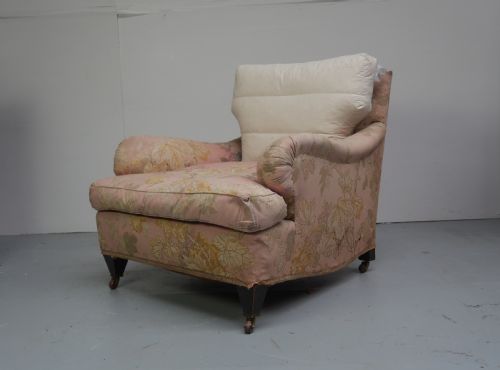
An antique floral arm chair spans several centuries of design, appearing as open armchairs, wingback forms, and deep country house seats. The pieces seen here range from Victorian and Edwardian examples to earlier Georgian and Regency designs.
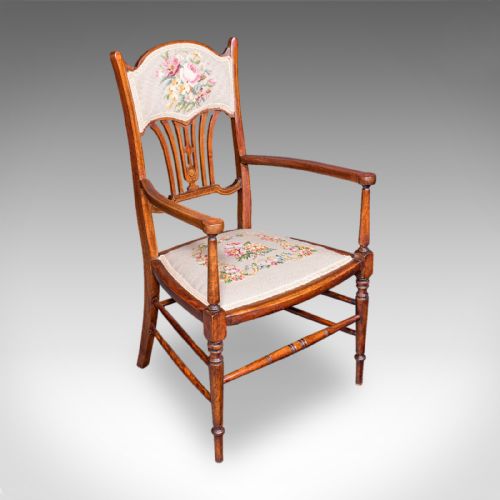
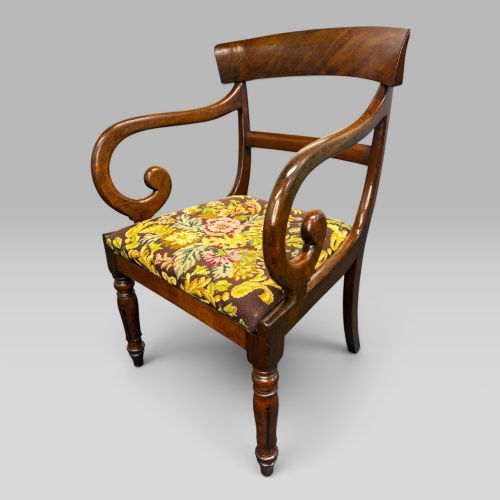
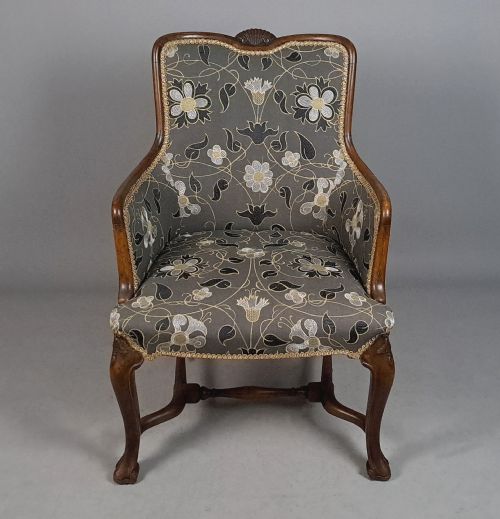
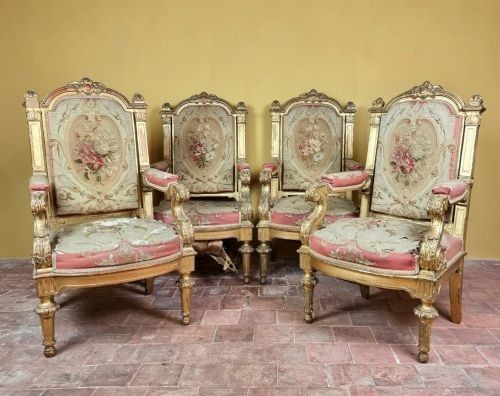
Buyers frequently encounter upholstered armchairs covered in floral fabrics, needlework, or tapestry, alongside wooden framed elbow chairs with patterned drop-in or fixed seats. The selection covers everything from formal parlour chairs to relaxed country house models.
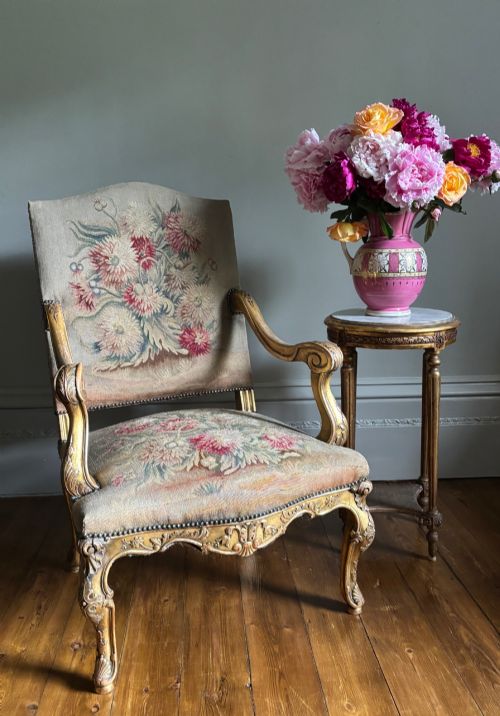
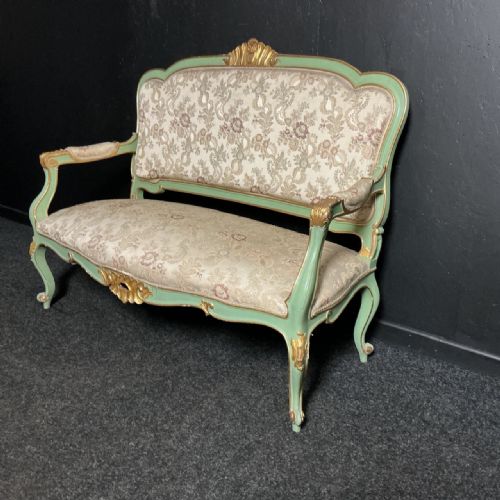
Makers and workshops from the nineteenth century onward interpreted earlier periods through Sheraton, Queen Anne, and Louis XV revivals, resulting in diverse interpretations of the floral arm chair.
Materials and Construction
The primary framing materials visible in these pieces include mahogany, walnut, oak, and beech, frequently shaped through carving, inlay, or gilding. Timber frames provide the structural core for padded seats and backs.
Upholstery relies on traditional textiles such as tapestry, needlepoint, and floral linen or chintz, secured over webbing and stuffing. Brass details appear occasionally in castors or decorative hardware on nineteenth-century frames.
Judging Quality
Quality rests in the crispness of the timber carving, the integrity of the frame joints, and the harmony of the upholstery proportions. Pieces with well-figured mahogany or walnut sit at a different level from standard beech frames.
The integration of the fabric with the chair's period style dictates the visual success of the piece, where hand-worked needlepoint or traditional chintz elevates the overall execution.
Morris And Co·Holland And Sons·Whytock And Reid·Beresford And Hicks
The Antique Floral Arm Chair Glossary
- Elbow Chair
- An armchair with wooden armrests, often used in studies or morning rooms. These seats typically feature open frames rather than fully upholstered sides.
- Wingback Armchair
- A high-backed chair with side panels designed to shield the sitter from draughts. This form dates back centuries and appears frequently in revival styles.
- Marquetry
- Decorative inlay work using various woods to create intricate patterns on the surface of the furniture. It is commonly found on eighteenth and nineteenth-century frames.
- Fauteuil
- An open-arm armchair originating in France, characterised by upholstered back and arm pads with exposed wooden framing. They are frequently associated with Louis styles.
- Needlepoint
- Stitched textile work using canvas as a base, often employed for durable and decorative chair covers. Pieces with original needlework carry distinct historical texture.
Antique Floral Arm Chair: Frequently Asked Questions
How do I choose the right floral armchair?
Consider the scale of the room and whether you want a formal parlour seat or a deep country house model. Look at the timber frame and the upholstery to ensure they suit your interior.
Matching the period style to your existing furniture helps the chair anchor the space effectively.
Were these chairs used in formal rooms?
Many examples served in morning rooms, libraries, or parlours where guests were received. Others originated as more private bedroom or dressing room seats.
Their placement depended heavily on the size and status of the household.
How should I clean upholstered antique chairs?
Gentle surface dusting and professional textile cleaning preserve the integrity of older fabrics. Avoid harsh chemical treatments that can weaken historical threads.
Regular care keeps the textile patterns clear and protects the underlying stuffing.
Can I mix different revival styles together?
Mixing pieces from Sheraton, Queen Anne, and Victorian revivals creates a layered interior. Nineteenth-century cabinetmakers frequently reinterpreted earlier centuries.
Focus on matching wood tones or complementary fabric palettes to tie disparate styles together.