

Antique Floor Light
An antique floor light brings height, warmth and focused illumination to a room, ranging from converted Victorian oil burners to towering Edwardian standard lamps.
Antique Floor Light
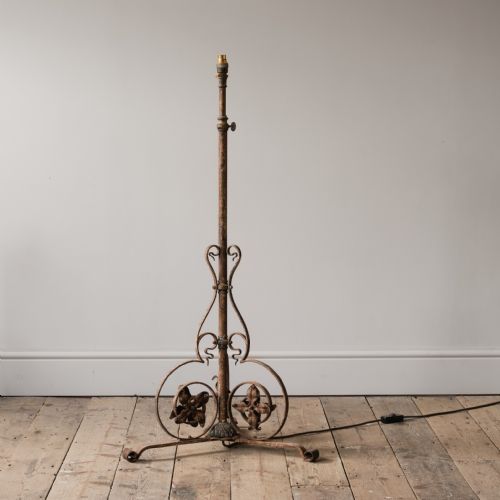
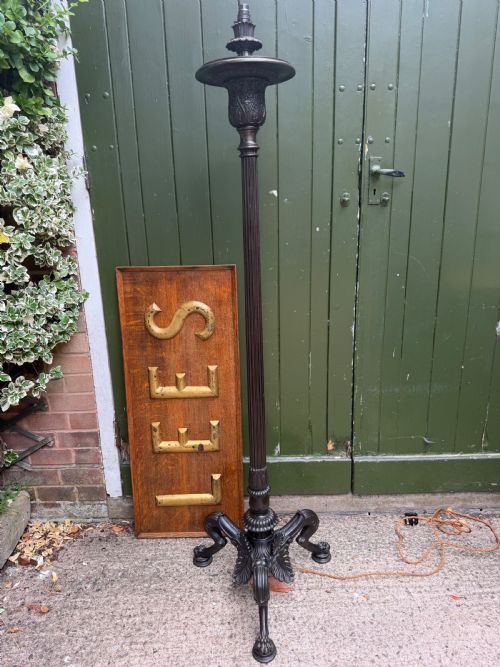
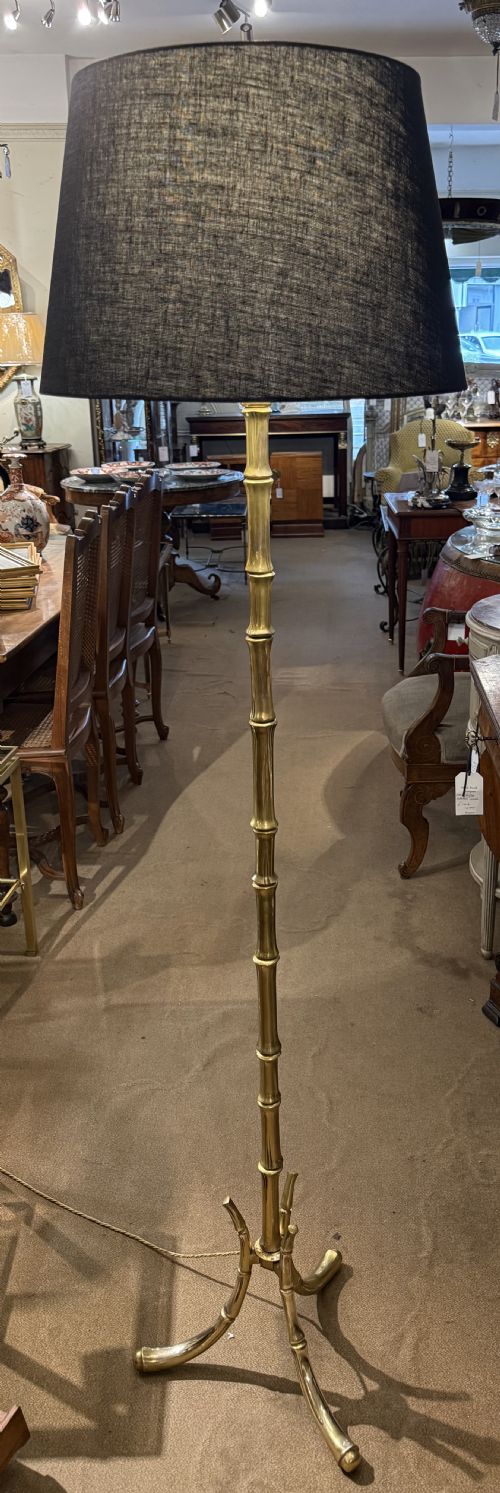
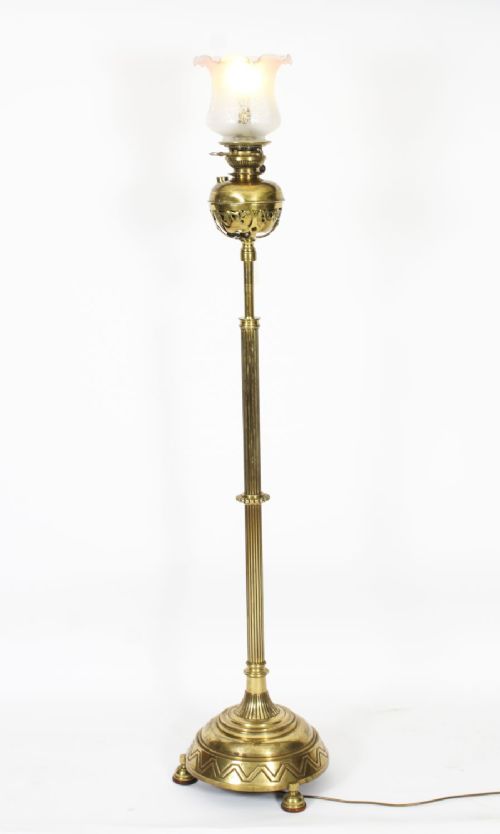
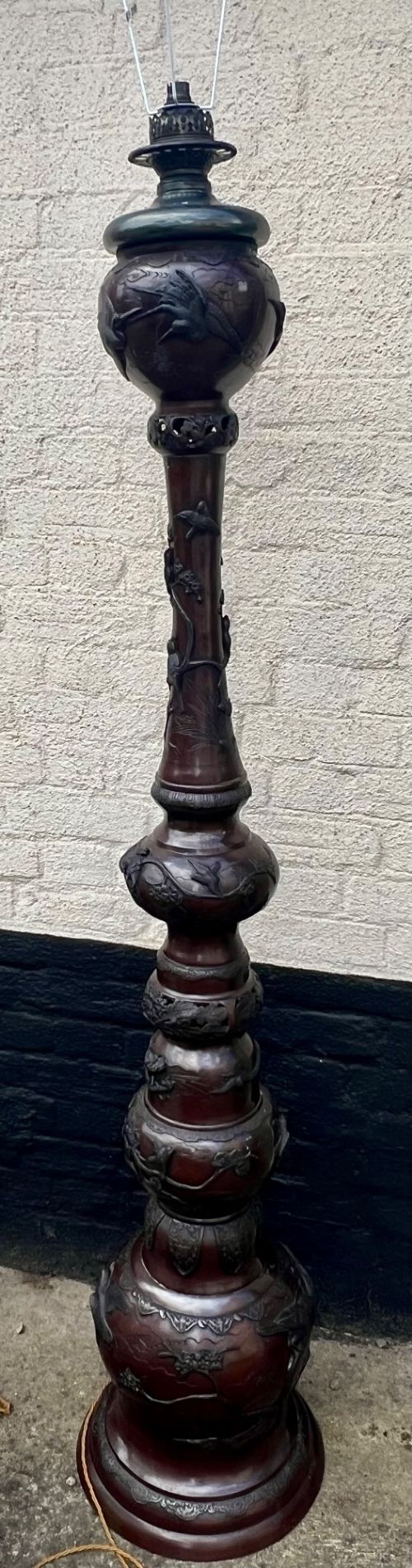
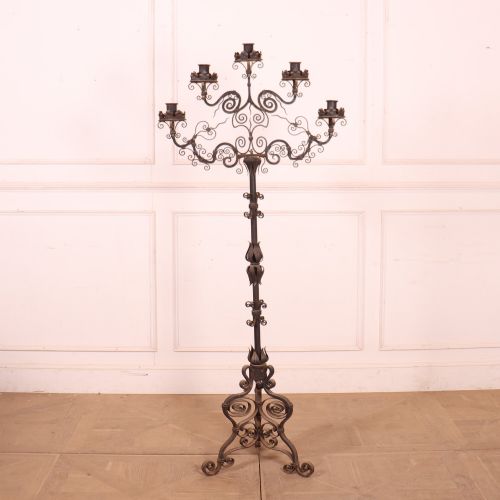
When you search for an antique floor light, you encounter tall upright lighting fixtures designed to stand on the floor and illuminate a space from above. These pieces include standard lamps, torcheres, candle stands and floor candelabras originating from periods spanning the eighteenth century through to the interwar decades.
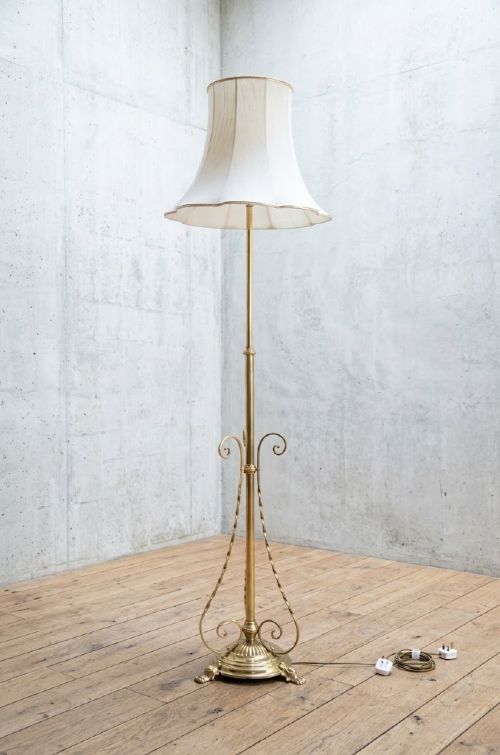
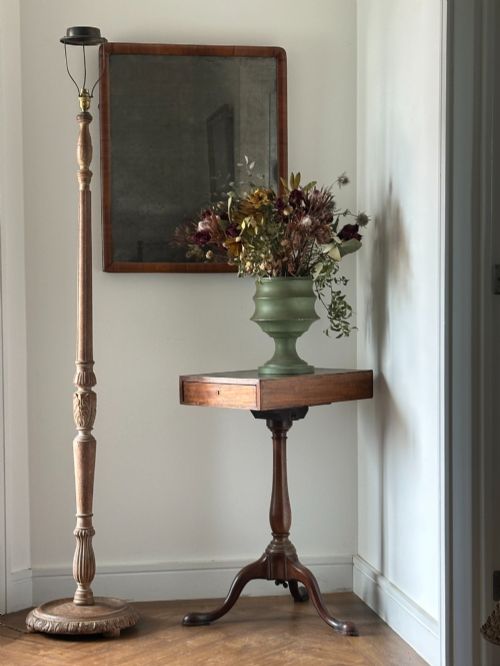
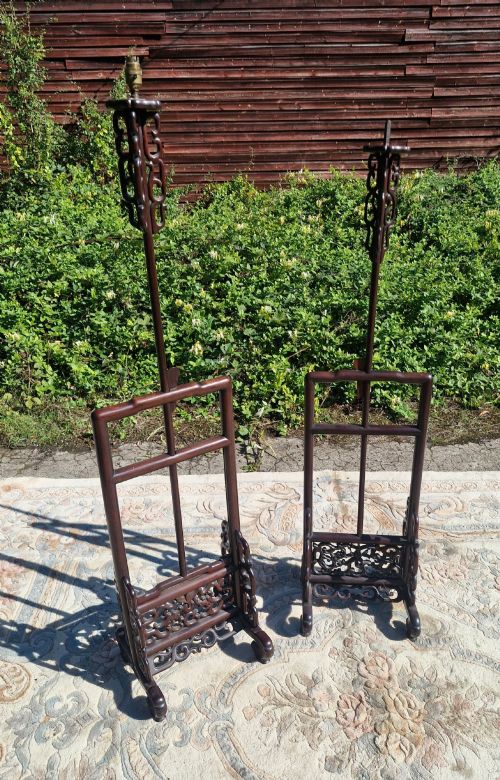
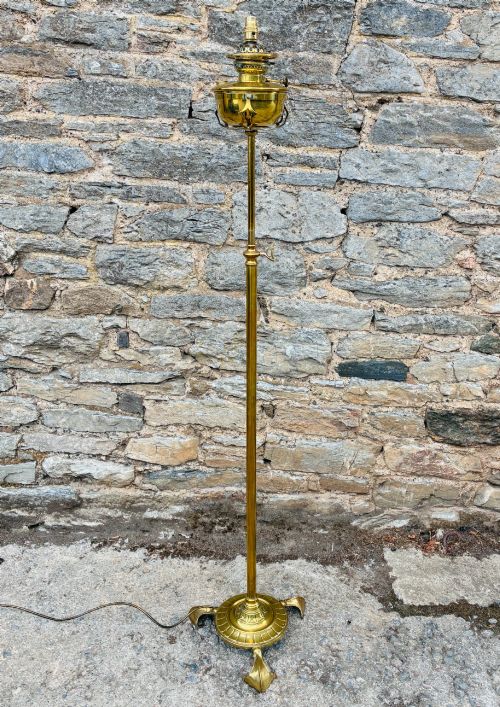
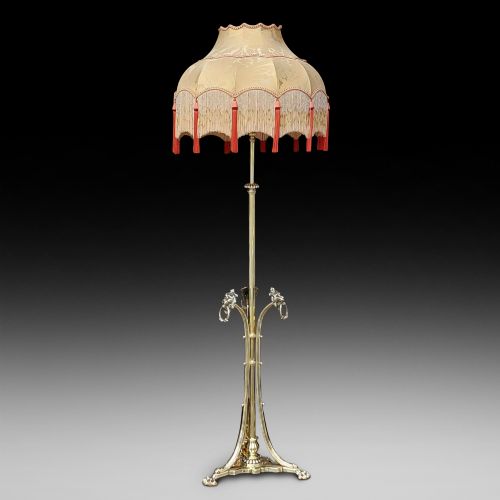
Victorian and Edwardian brass telescopic oil lamps converted to electricity appear frequently, alongside wooden standard lamps carved from oak, walnut, mahogany and satinwood. Many examples reflect historical revivals such as Gothic Revival, Neoclassical, French Empire and Chinoiserie decoration.
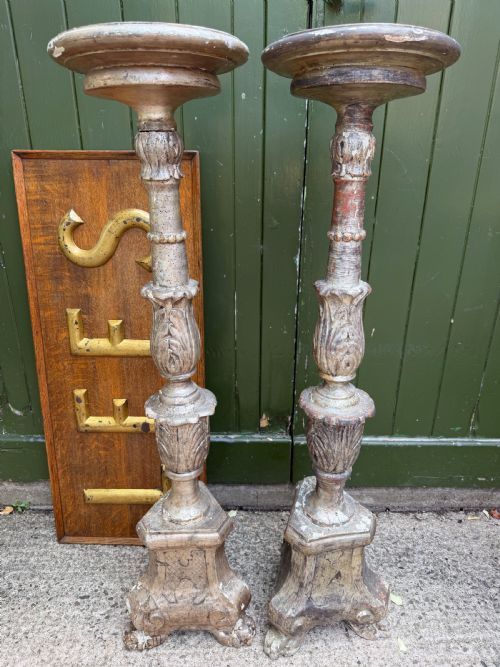
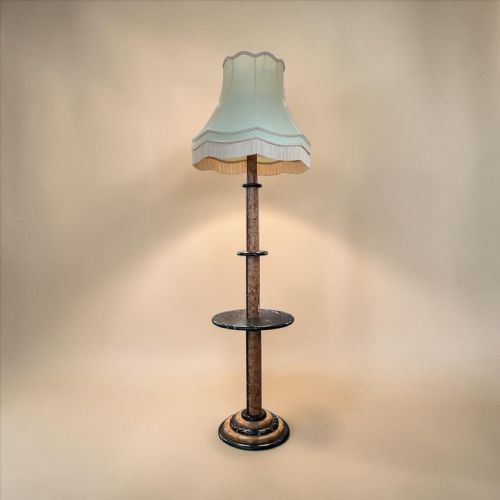
Early specimens include eighteenth-century Italian carved and silvered torcheres and British rush lights, while later twentieth-century pieces embrace Art Deco design and solid marble standard lamp tables.
Materials and Construction
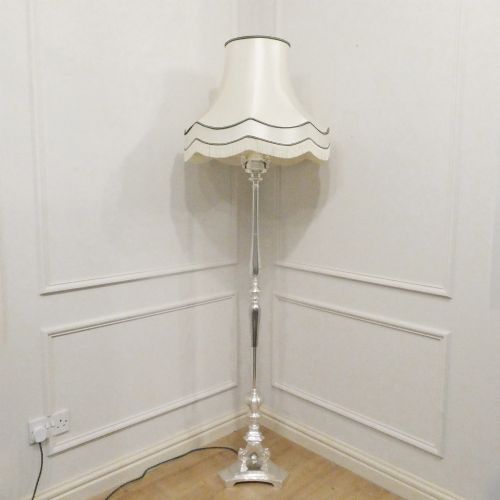
Metals form the structural core of many surviving pieces, utilising brass, bronze patinated cast iron, copper, silver plate and ormolu gilt bronze. Smiths and metalworkers forged, cast and turned these materials, often incorporating telescopic mechanisms for height adjustment.
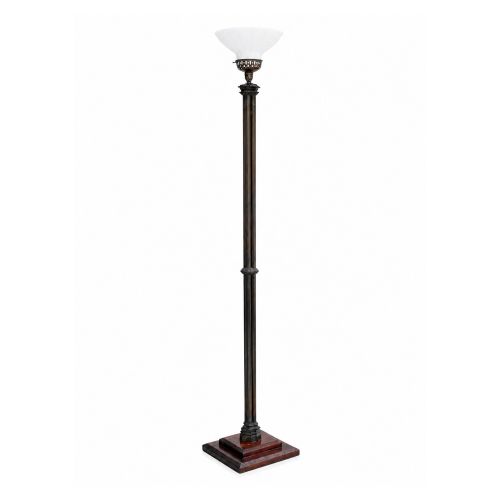
Woodworking traditions utilise solid and veneered timbers including oak, walnut, mahogany, satinwood and lacquered finishes decorated in the Chinoiserie manner. Carvers and joiners shaped these woods into fluted columns, pedestals and tripod bases to support the weight of the standard.
Antique Floor Light Retail Price Guide 2026
Typical asking prices for floor light among the pieces listed under this phrase on Sellingantiques today, from the lower quarter to the upper quarter. They describe what is for sale here now, not the wider market.
Some eighteenth-century floor lights began as humble rush holders, trading greasy wetland stems for grand silvered Italian columns.
Distinctions in Quality
The calibre of a standard lamp rests upon the weight and stability of its base, the crispness of hand-carved detail in wood or cast ornamentation in metal, and the integrity of its telescopic adjustment mechanism. Superior pieces display substantial cast bronze or heavy timber proportions that prevent tipping.
Artistic execution differentiates standard production from exceptional design, seen in the hand-painted lacquer of Chinoiserie decoration or the refined patination of antique brass and giltwood surfaces. Original components, such as weighted bases and maker markings, indicate superior manufacture.
Maison Bagues·WMF
The Antique Floor Light Glossary
- Standard Lamp
- A floor-standing lamp consisting of a vertical pole or column supported by a base, designed to hold an electric or oil lighting fixture at height.
- Torchere
- A tall ornamental stand or floor lamp, historically designed to carry a torch or candle, often carved from wood and finished with silvering or gilding.
- Telescopic
- Describing a standard lamp fitted with sliding tubular sections that allow the overall height of the light to be adjusted.
- Chinoiserie
- A decorative style reflecting European interpretations of Chinese artistic traditions, characterised by lacquered surfaces and painted motifs.
- Rush Light
- An early form of lighting consisting of a rush dipped in grease or pith and held in a metal clip on a tall floor-standing iron or wooden standard.
Antique Floor Light: Frequently Asked Questions
How do I convert an old oil lamp?
Many Victorian and Edwardian floor lights started life as oil-burning lamps before being converted to accept electrical fittings and modern wiring. This process typically involves routing a cord through the central column and fitting an appropriate lamp holder without altering the exterior metalwork.
Professional conversion preserves the telescopic adjustment mechanisms and weighted brass reservoirs while ensuring the piece meets contemporary safety standards for domestic illumination.
What is a torchere stand?
A torchere is a tall, slender floor stand originally built to hold a single candle or torch to illuminate dark corners of a room. Eighteenth-century examples often feature carved wooden columns with silvered or gilded finishes designed to reflect candlelight.
Over time, many of these tall stands were adapted to carry electrical lamp fittings while retaining their slender proportions and decorative tripod or circular bases.
How do I date an antique standard lamp?
Dating relies on examining the materials, manufacturing techniques, decorative styles and wiring remnants present in the piece. Heavy brass telescopic columns with ornate casting often point to the Victorian era, while lacquered Chinoiserie finishes and satinwood construction typically indicate Edwardian or 1930s origins.
Stylistic cues such as Gothic Revival motifs or Neoclassical Adam details align pieces with specific nineteenth and early twentieth-century design revivals.
Where should I place a floor lamp?
Floor lights suit corners, reading areas, and spaces beside armchairs where their height can cast ambient or task illumination downward. Tall standard lamps provide vertical presence in rooms with high ceilings, balancing furniture groupings without requiring tabletop space.
Consider the reach of the cord and the weight of the base to ensure the lamp stands stable on carpets or hardwood floors.