
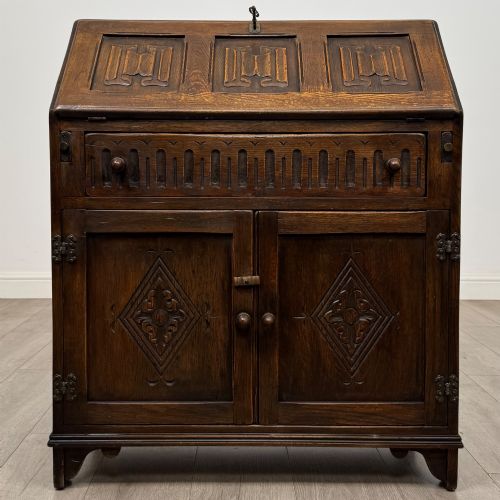
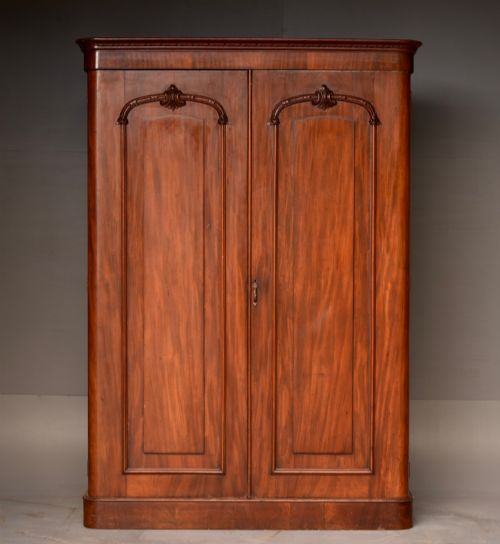
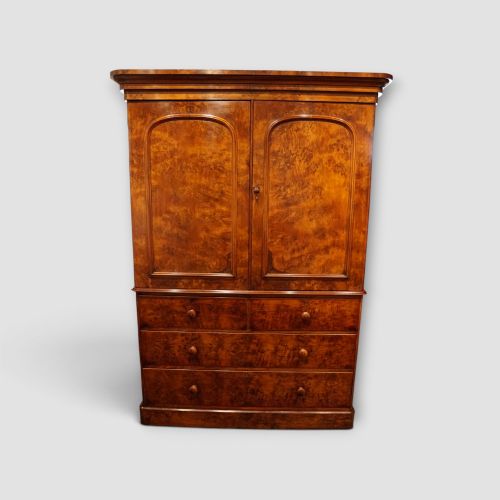
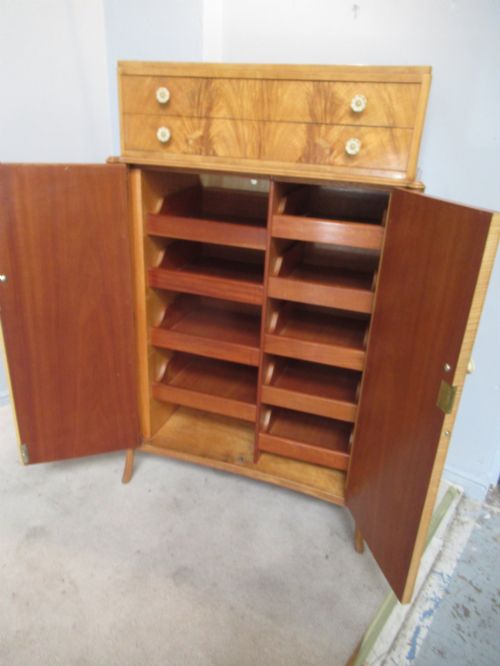
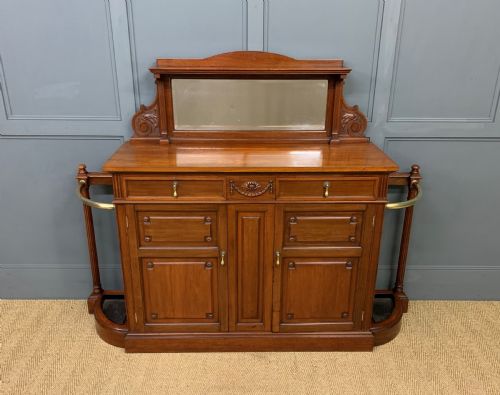
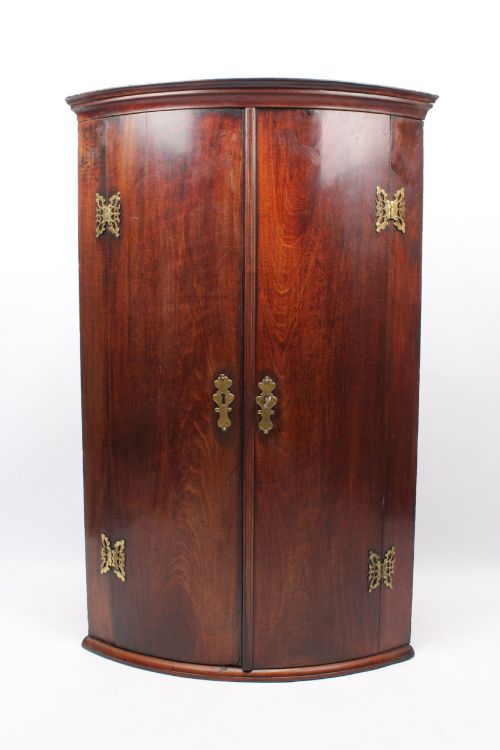
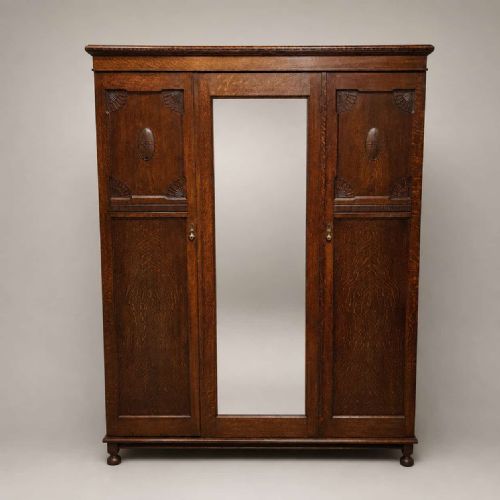
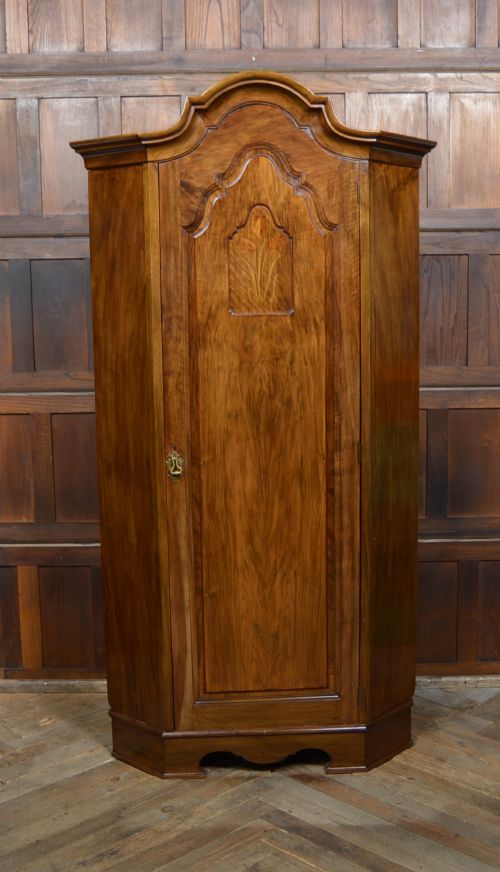
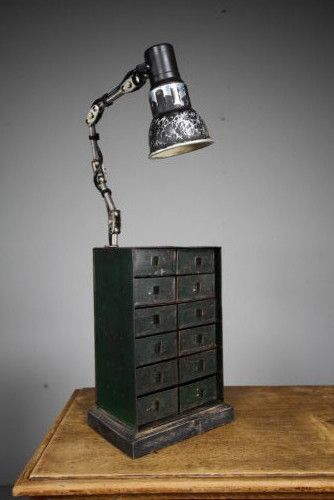
Antique Fitted Cupboard
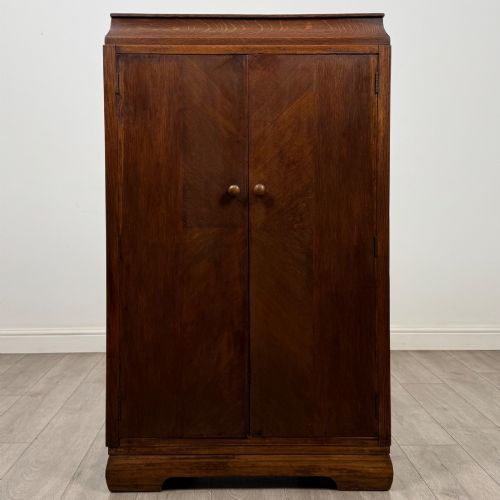
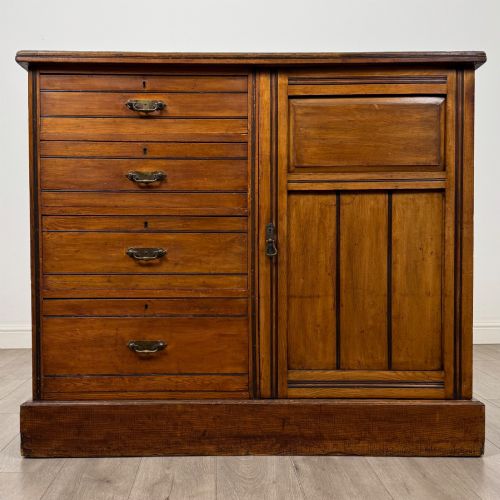
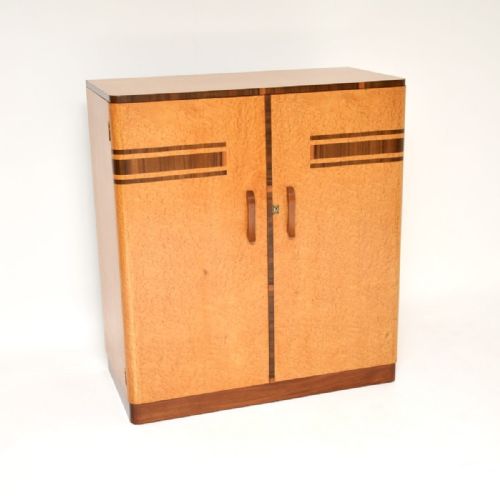
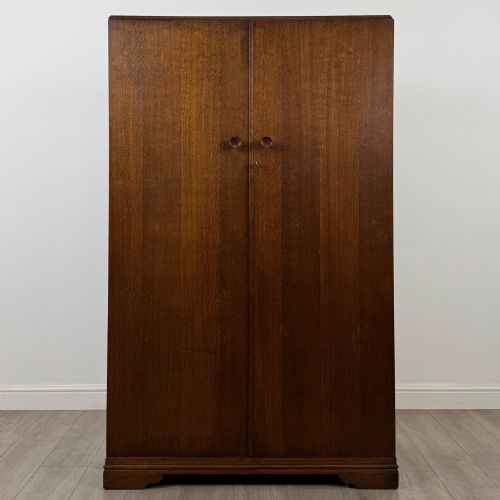
An antique fitted cupboard provides practical internal organisation within a substantial timber carcass, combining traditional craftsmanship with period character.
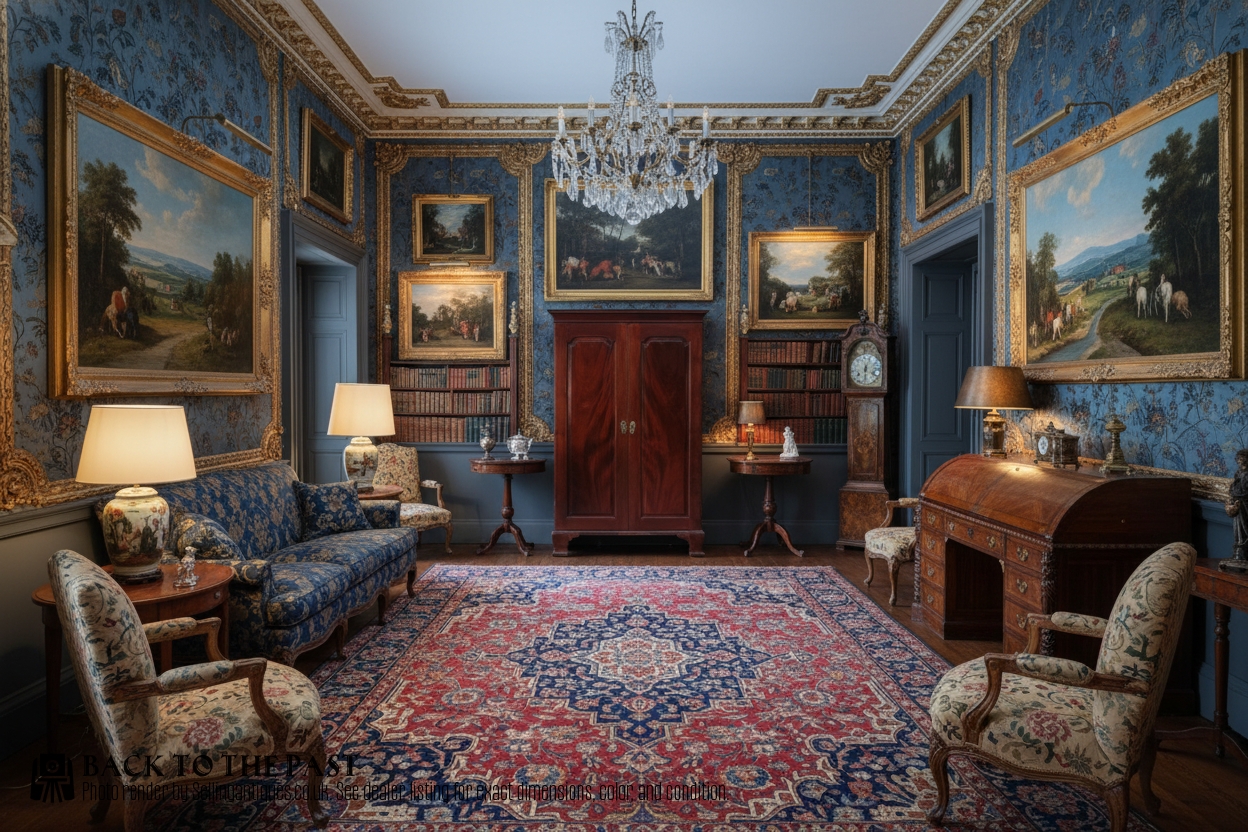
Antique Fitted Cupboard
An antique fitted cupboard encompasses various large storage pieces designed with internal shelving, drawers, or hanging space. The selection spans robust Victorian and Edwardian pine or oak cupboards alongside elegant Georgian and Regency mahogany linen presses.
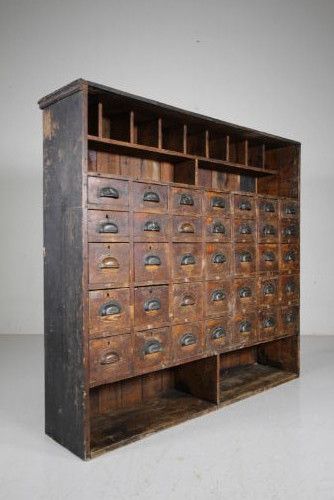
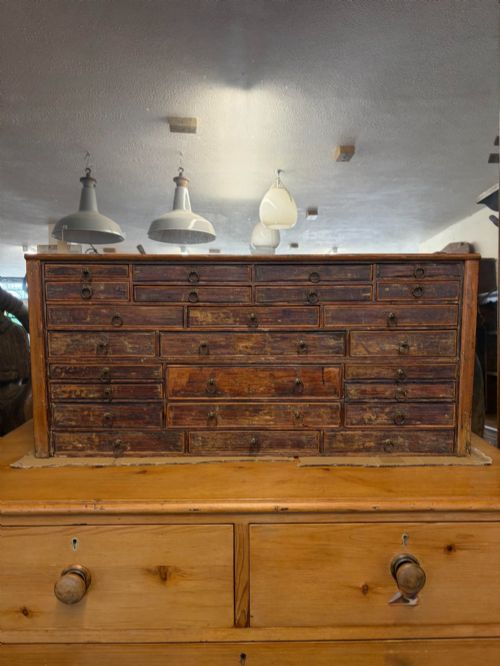
Buyers frequently encounter substantial wardrobes, compactums, corner cupboards, and multi-drawer banks within this category. These forms reflect centuries of domestic storage needs, utilising fitted interiors to maximise utility in bedrooms, hallways, and living spaces.
Originating from diverse periods including the seventeenth, eighteenth, nineteenth, and early twentieth centuries, these pieces demonstrate how historical makers adapted cabinet work to domestic organisation.
Assessing the craftsmanship
Quality in an antique fitted cupboard rests upon the selection of timber and the preservation of the original internal configuration. Pieces retaining their fitted shelves, sliding trays, or compartmented drawers demonstrate superior original utility.
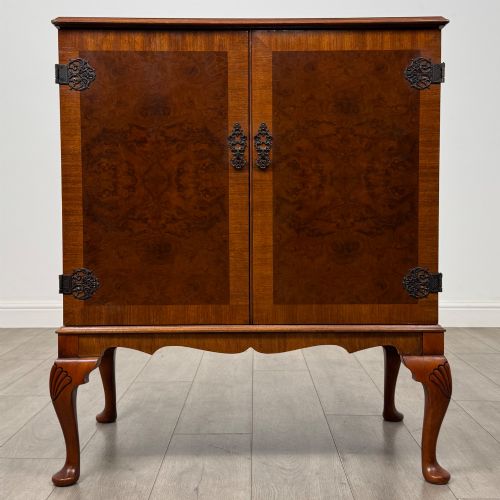
The execution of the timber veneers and the precision of the joinery distinguish higher tier examples from utilitarian workshop output. Hardware integrity and the smooth operation of doors and fitted drawers further indicate the standard of production.
Some nineteenth-century tool chests retain their original portable candle holders for working down dark mine shafts.
Shoolbred & Co.·Maples & Co.·Heals·Howard & Sons
The Antique Fitted Cupboard Glossary
- Compactum
- A multi-functional wardrobe featuring a combination of hanging space, shelves, and internal drawers. This form became particularly popular during the Victorian and Edwardian eras for efficient bedroom storage.
- Linen Press
- A tall storage piece containing sliding trays or shelves in the upper section and multiple drawers below. Originally designed for storing household textiles flat.
- Dovetail
- A traditional wood joint formed by interlocking wedge-shaped fingers. Hand-cut dovetails indicate older cabinet making methods.
- Escutcheon
- A protective plate surrounding a keyhole. These fittings are commonly cast in brass and match the hinges of the piece.
Antique Fitted Cupboard: Frequently Asked Questions
How do I clean timber?
Dust the surfaces regularly with a soft, dry cloth to prevent dirt accumulation. Avoid modern silicone polishes that can degrade historical finishes.
Apply a traditional beeswax sparingly when the timber appears dry, buffing gently to maintain the natural lustre of the wood.
Can shelves be adjusted?
Most historical pieces feature fixed internal shelving integrated into the original carcase construction. Altering these supports can compromise the structural integrity of the interior.
Later adaptations may include adjustable shelf pins, though surviving pieces generally preserve their fixed partitions.
Where should I place it?
Position wooden furniture away from direct heat sources and strong sunlight to prevent timber warping or veneer cracking. Consistent indoor temperatures preserve the stability of the antique joinery.
Ensure adequate clearance for doors and internal drawers to open fully without obstruction in your chosen room.
How do I date a piece?
Examine the secondary timbers used inside drawers and back panels, as these often reveal regional working methods. Construction marks and the style of brass hardware offer further chronological clues.
Compare the overall proportions and decorative veneer choices against documented examples from specific stylistic periods.