



Antique Fishing Wall Art
Antique fishing wall art brings the colour of coastal harbours and open seas into a room through watercolours, oils, and engravings.
Antique Fishing Wall Art
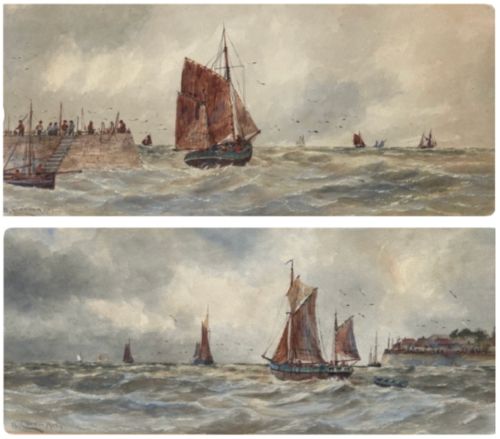
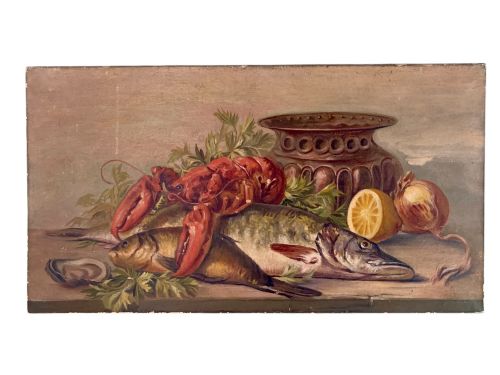
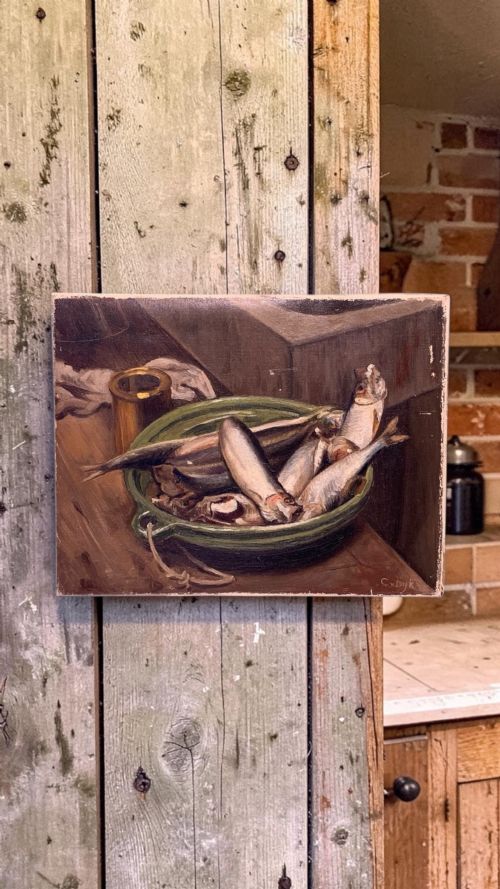
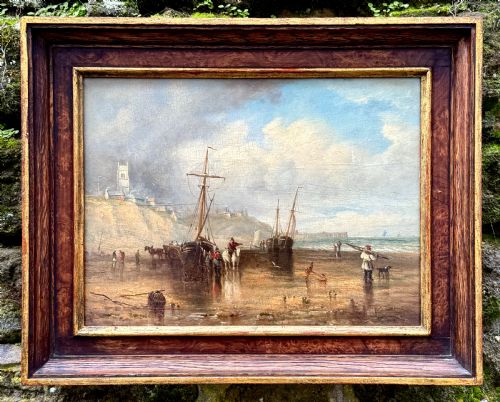
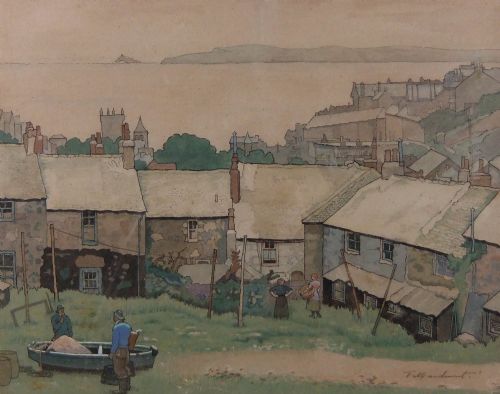
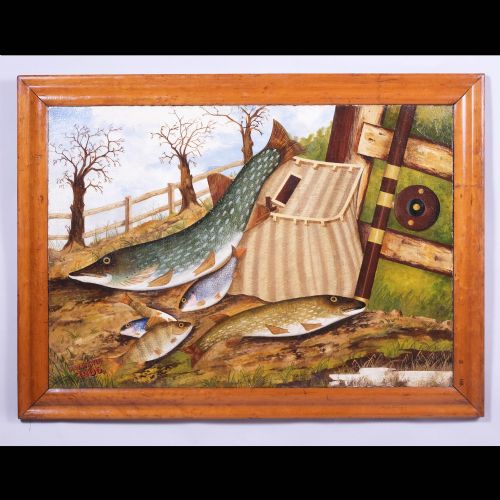
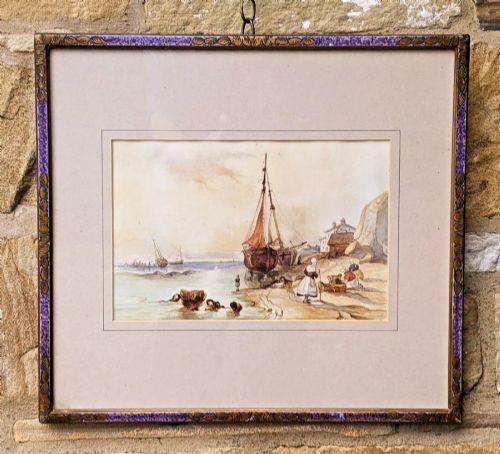
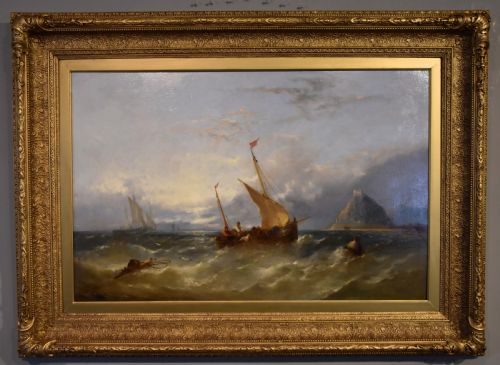
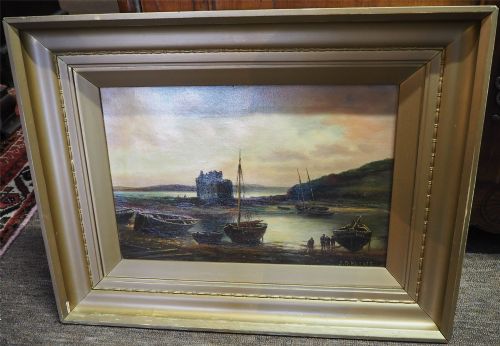
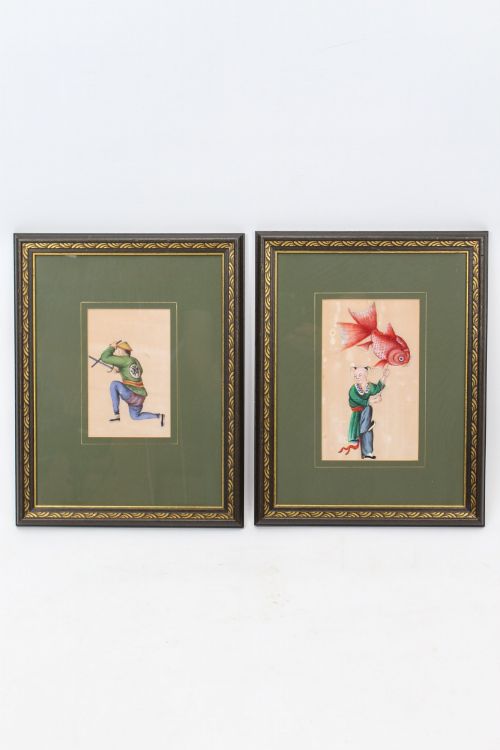
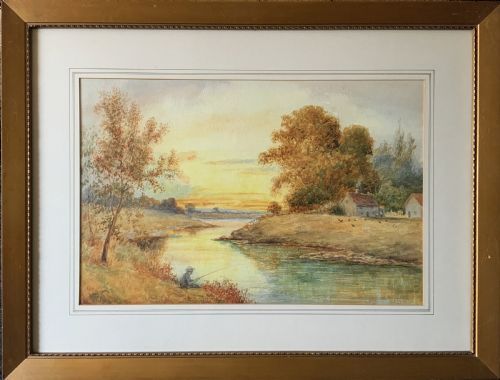
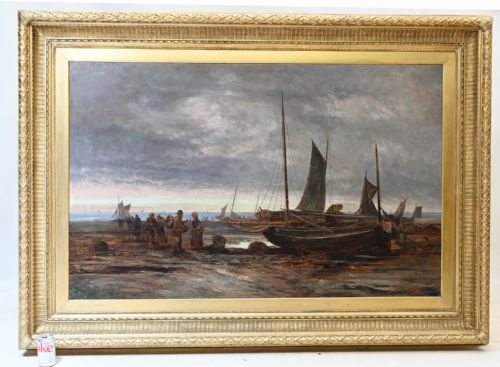
When you search for antique fishing wall art, you find works capturing maritime life, coastal harbours, and fishermen across the nineteenth and twentieth centuries. The selection on this page consists mainly of framed watercolours, oil paintings on canvas, and detailed engravings depicting boats and seaside scenes.
British and French schools dominate the works, alongside regional depictions of Cornish harbours and Norfolk coasts. Most pieces date from the Victorian period through to the mid-century, reflecting a sustained artistic interest in maritime subjects.
How they were made
Artists painted primarily with oil on canvas or applied watercolour to paper, capturing the movement of water and the detail of fishing vessels. Engravings provide an alternative medium, using inked plates to transfer precise illustrations of marine life onto paper.
Surviving works usually retain their original framing materials, whether carved wood or glazed surrounds that protect the delicate paper or canvas within.
Regional coastal views from Cornwall, Norfolk, and French ports appear frequently across the available paintings.
What varies in quality
Quality rests on the sureness of the brushwork and the artist's ability to render light upon water and sky. Stronger pieces display confident handling of atmosphere and proportion, particularly in complex harbour views and stormy seas.
The condition of the medium also distinguishes works, with clean, unfaded watercolours and stable oil canvases representing the upper tier of the selection.
James Orrock·William Cannon·Thomas Creswick·Thomas Maidment·William Henry Williamson·Florence Adelina Hess·George Stanfield Walters·Edward Matthew Elliott·Charles Napier Hemy·William Lee Hankey·Gustave De Bréanski·Pieter Cornelis Dommersen·Jonathan Couch·Robert Leslie Howey·T.S. Wallis·George Gregory·Frank Hyde·Frederick William Hattersley·Ernest F. Hill·George Henry Knight
The Antique Fishing Wall Art Glossary
- Watercolour
- A painting method where fine pigment is suspended in a water-based, translucent solution. It is typically applied to heavy paper stock to create luminous seascapes.
- Oil on Canvas
- Pigment mixed with drying oil applied to a stretched woven fabric surface. This technique allows for rich texture and deep tonal variation in maritime scenes.
- Engraving
- A printmaking process where an image is incised into a metal plate to hold ink. These prints offer sharp botanical or zoological detail.
- Seascape
- A work of art depicting the sea, coastal views, or marine vessels. This genre forms the core of the available collection.
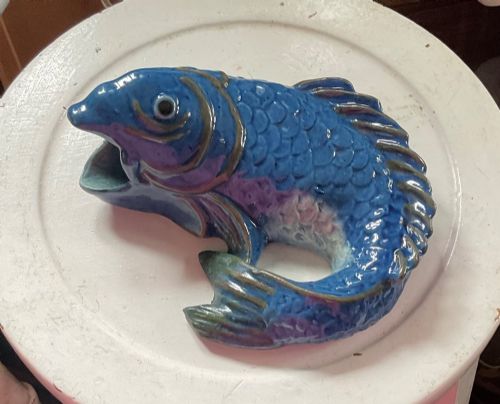
- Wall Pocket
- A ceramic vessel designed to hang flat against a vertical surface to hold dried flowers or small items. Examples from potteries like Lauder appear among the diverse decorative objects.
Antique Fishing Wall Art: Frequently Asked Questions
How do I date an oil painting?
Dating relies on stylistic clues, framing methods, and the canvas stretcher construction used during specific periods. Signatures and exhibition labels on the reverse also help narrow down the decade of creation.
Comparison with documented works by the same artist provides the most secure chronological anchor for nineteenth and early twentieth-century pieces.
Where should I hang maritime art?
These works suit dining rooms, studies, or hallways where natural light enhances the tones of the watercolours and oils. Keeping them away from direct sunlight preserves the paper and pigments.
Pairing framed watercolours with simple period surrounds allows the coastal subject matter to remain the visual focus of the wall.
What is the difference between an oil and a watercolour?
Oils use pigment suspended in drying oil on a canvas or panel, yielding thick textures and deep, layered colours. Watercolours employ water-soluble pigments on paper, resulting in a lighter, more translucent finish.
Both techniques were utilised extensively to capture coastal scenes but create entirely different surface textures.
Are engravings original works?
Engravings are printed from hand-carved plates rather than painted directly by hand. They represent original printed editions from the period rather than unique compositions.
Authors and naturalists utilised them to document marine life and fish species with scientific accuracy.