




Antique Fish Canvas Painting
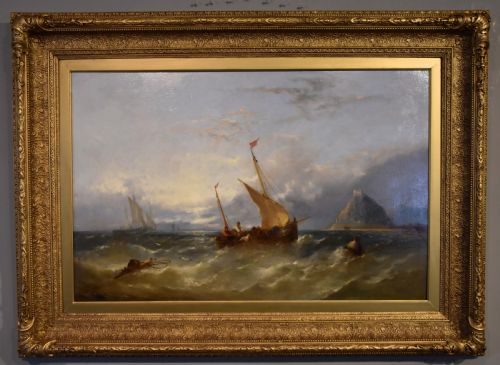
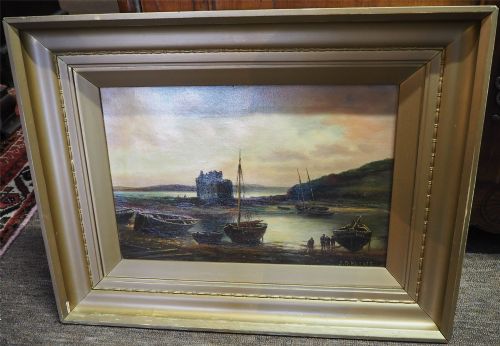
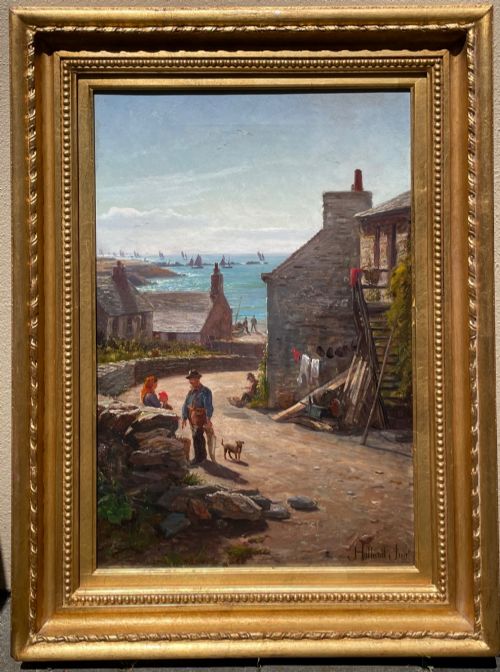
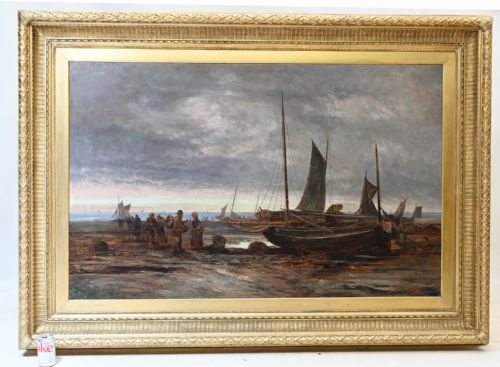
An antique fish canvas painting captures coastal trades and quiet riverbanks through oil and brush.
Antique Fish Canvas Painting
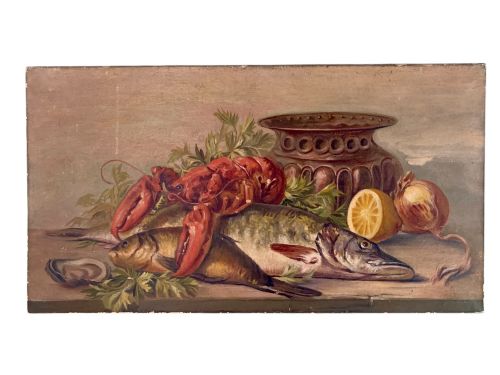
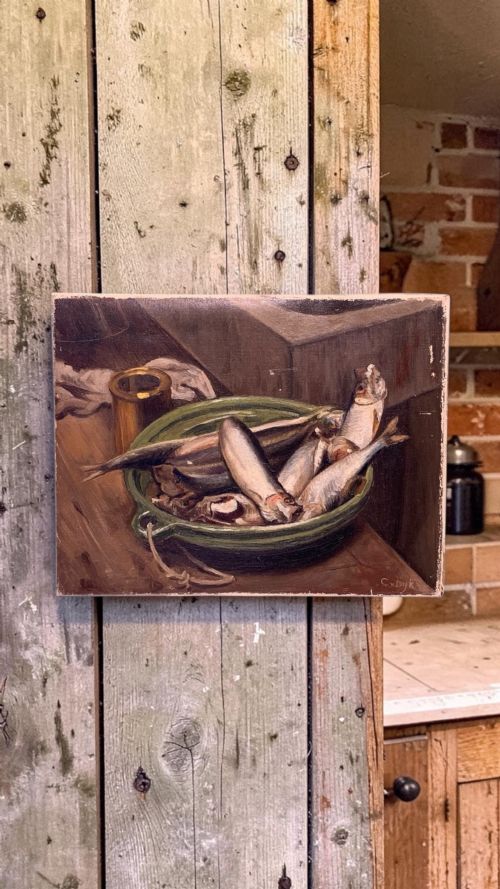
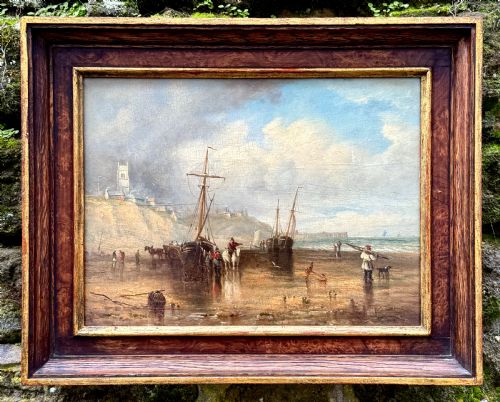
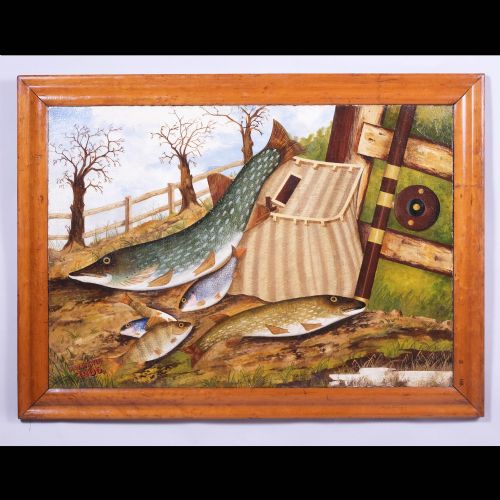
An antique fish canvas painting covers works depicting angling, marine fishing vessels, and still lifes involving fish or fishermen. These pieces span the eighteenth, nineteenth, and early twentieth centuries, reflecting rural pastimes and bustling maritime ports.
The buyer encounters coastal views with fishing trawlers, river landscapes with anglers, and intimate depictions of daily catches. Common origins include British, French, and Dutch schools working in styles from realism to impressionism.
Subjects range from tranquil river scenes with boys fishing under willow trees to dramatic seascapes featuring harbour walls and rolling waves. Each canvas serves as a visual record of historical fishing communities and leisure pursuits.
Materials and Construction
Artists painted primarily with oil paint applied to woven canvas stretched over wooden frames. These materials allowed for rich colour blending and textured brushwork suited to capturing water and light.
Many works retain their original giltwood or carved wood frames finished with gold leaf. The combination of canvas, oil, and period frames defines the physical structure of these surviving artworks.
Several canvases record monks admiring their catch or cats eyeing fresh fish with keen anticipation.
Markers of Distinction
Quality rests upon the artist's command of light, shadow, and anatomical or structural proportion within the scene. Superior works display confident brushwork that conveys movement in water and atmosphere in coastal skies.
Condition of the canvas surface, minimal retouching, and the presence of an appropriate period frame contribute significantly to the standing of an individual painting.
George Graham·Thomas Creswick·William Henry Williamson·John Holland·Edward Matthew Elliott·Charles Napier Hemy·Gustave De Bréanski·George Shaw·T S Wallis·George Gregory·George Morland·Frank Hyde·George Henry Knight·William Lambert Bell·Paul H Ellis·Pieter Claesz·Owen Bowen·William Shayer·John Arthur Lomax·Hendrik Yan Wolter·Horatio Henry Couldery·Henri Ottman·William Edward Webb·Edward William Cooke·Rowland Knight
The Antique Fish Canvas Painting Glossary
- Canvas
- A heavy woven fabric used as a surface for oil painting. It is typically stretched tightly over a wooden frame before application of the ground and pigment.
- Giltwood
- Wood carved and covered with a thin layer of gold leaf or gilt powder. This material frequently frames nineteenth-century marine and landscape paintings.
- Impressionism
- A nineteenth-century painting style characterised by relatively small, thin yet visible brush strokes and open composition. It emphasises accurate depiction of light in its changing qualities.
- Seascape
- A work of art depicting the sea, coastal views, or marine vessels. These compositions form a major category within historical oil paintings.
- Still life
- A painting featuring inanimate subject matter, typically commonplace objects which may be either natural or man-made. In this category, subjects include fish, lobsters, and kitchen interiors.
Antique Fish Canvas Painting: Frequently Asked Questions
How do I date an antique fish canvas painting?
Dating relies on stylistic clues, stretcher construction, and artist signatures recorded in historical records. Costume details and vessel types also provide reliable chronological markers.
Examining the canvas weave and framing techniques helps verify whether the work originates from the Georgian, Victorian, or Edwardian era.
Where were most of these marine paintings created?
Many works originate from coastal colonies and major fishing ports across Britain, France, and the Netherlands. Artists frequently set up easels in active harbours such as St Ives or Concarneau.
Inland river scenes often depict rural locations in Yorkshire, Scotland, or southern English counties where angling was popular.
How should I care for an oil painting on canvas?
Keep the canvas away from direct sunlight, high humidity, and rapid temperature fluctuations to prevent paint cracking and warping. Dust the surface gently with a soft, dry brush without applying pressure.
Avoid using water or chemical cleaners on the paint layer or the giltwood frame.
What is the difference between a marine painting and a river landscape?
Marine paintings focus on the sea, coastal waters, harbours, and fishing vessels operating in maritime environments. They often capture weather conditions and tidal movements.
River landscapes centre on freshwater settings, featuring banks, bridges, and individuals engaged in freshwater angling.