


Antique Fireside Settle
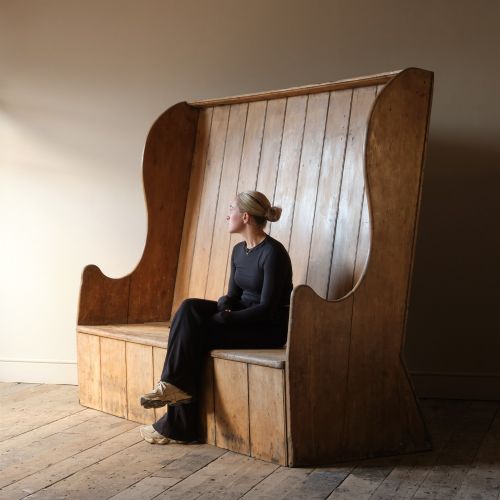
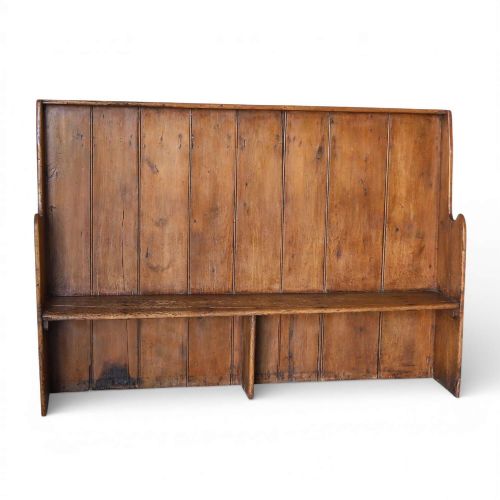
An antique fireside settle is a high-backed wooden bench built to keep draughts away from the hearth, offering sturdy seating with deep historical character.
Antique Fireside Settle
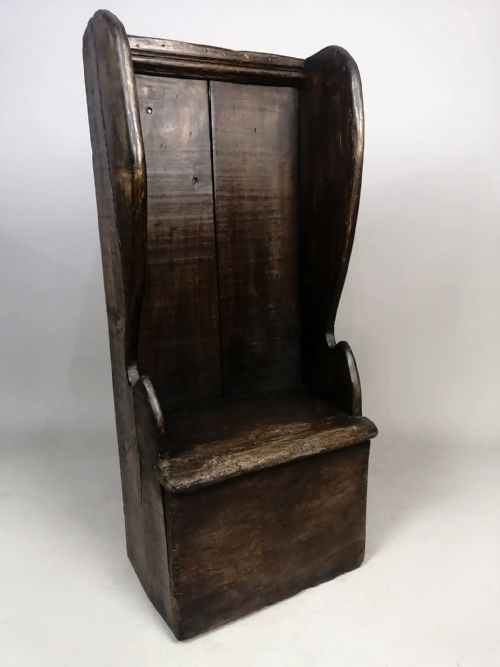
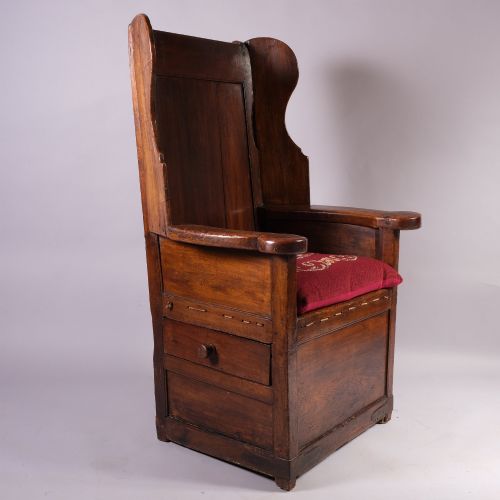
An antique fireside settle provides a traditional seating option designed to block cold air currents near an open fireplace. These pieces range from substantial wooden benches to enclosed barrel-backed chairs and lambing chairs.
The selections span multiple periods, featuring 17th Century and 18th Century examples alongside Georgian, 19th Century, and early 20th Century variants. Stylistic influences include rustic country, vernacular designs, and Arts and Crafts forms.
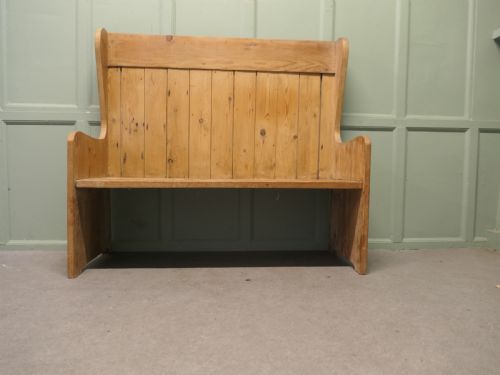
Most entries consist of oak, pine, and fruitwood builds, occasionally incorporating fabric, textile, brass, and painted finishes. Forms include high-back benches, pub benches, and child-sized lambing chairs.
How they were made
Makers constructed these settles primarily from solid native timbers such as oak, pine, and fruitwood, often selecting sturdy planks to withstand daily domestic or tavern use. Joinery relied on traditional carpentry methods suitable for heavy-duty vernacular furniture.
Surfaces developed distinctive patinas over generations, sometimes featuring honey brown tones, painted finishes, or natural grain weathering. Upholstery, where present, utilised simple fabrics and textiles to soften the high wooden backs.
The furniture styles represented include Georgian Country, Rustic Farmhouse, 17th Century Vernacular, and Arts and Crafts.
What varies in quality
Quality differences emerge in the integrity of the timber selection and the retention of original patination, such as honey brown surfaces or period paintwork. Finer examples show thoughtful proportion in high backs and barrel curves designed to deflect draughts effectively.
The Antique Fireside Settle Glossary
- Settle
- A wooden bench with a high back, solid arms, and often a storage box beneath the seat, designed to keep out cold draughts. These pieces formed the social centre of traditional rooms.
- Lambing chair
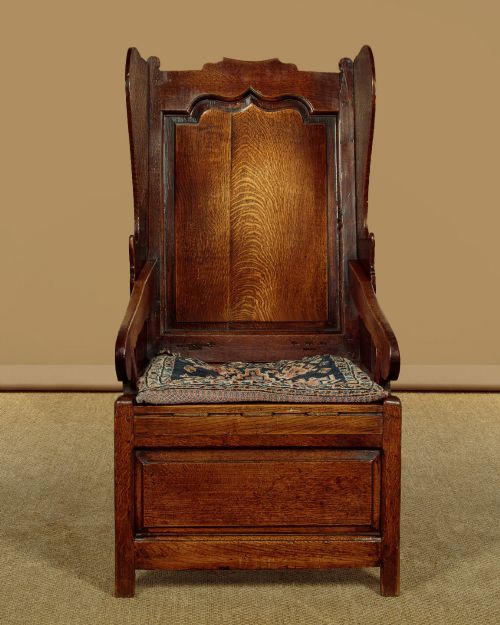
- An enclosed high-backed armchair, traditionally featuring wings to shield the sitter from wind and a compartment for warming bricks. They are closely associated with rural domestic life.
- Barrel back
- A curved, semi-circular back enclosing the sitter to maximise protection from cold air currents. This form wraps around the occupant for enhanced thermal comfort.
- Vernacular
- Furniture built by local tradesmen using regional traditions and readily available native timbers rather than following high-style metropolitan pattern books. These pieces reflect practical local needs.
- Patina
- The surface sheen and colour developed by wood over long periods of handling, exposure to light, and waxing. It serves as an indicator of age and continuous use.
Antique Fireside Settle: Frequently Asked Questions
What is an antique fireside settle?
An antique fireside settle is a high-backed wooden bench originally designed to block cold draughts near an open hearth. They served as primary seating in farmhouses, cottages, and country pubs.
These pieces range from tall pine and oak benches to curved barrel-backed designs and smaller lambing chairs. Their enclosed structures kept occupants warm before central heating existed.
How do I identify a lambing chair?
A lambing chair is a specialised form of armchair featuring a high, enclosed back and protective side wings. They often include a low seat and integrated storage beneath.
Historically used by shepherds or farmers tending newborn livestock near the fire, they are distinguished from standard settles by their single-seat armchair configuration.
Where were settles traditionally used?
Settles were standard fixtures in domestic kitchens, farmhouses, and rural taverns or pubs. Their high backs created a micro-climate by intercepting cold air currents moving across stone floors.
In public houses, long settles defined seating areas and provided sturdy, communal resting places near the main fireplace.
How do I care for a wooden settle?
Wooden settles require stable indoor humidity levels away from direct heat sources to prevent timber from drying out or splitting. Gentle dusting and occasional application of traditional wax help maintain the surface.
Avoiding excessive moisture protects original patinas, painted finishes, and any integrated fabric or textile elements.
What woods were used for settles?
Makers utilised robust native timbers readily available to regional carpenters, most commonly oak, pine, and various fruitwoods. Oak provided exceptional strength for early vernacular pieces.
Later regional variants often turned to pine or fruitwood, reflecting local material availability during the eighteenth and nineteenth centuries.