




Antique Fireplace Trivet
An antique fireplace trivet brings the genuine warmth and practical craftsmanship of past centuries straight to the hearth.
Antique Fireplace Trivet
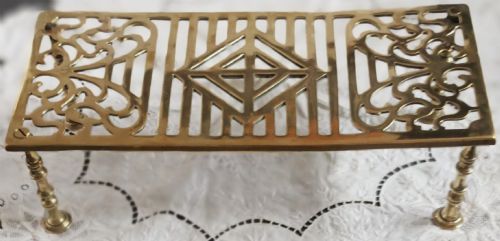
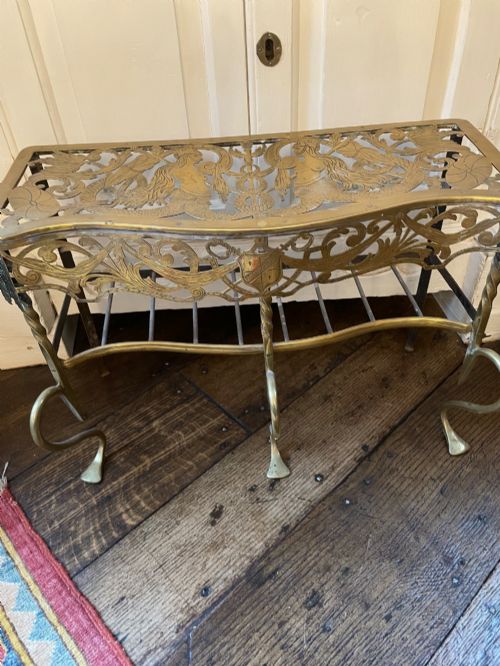
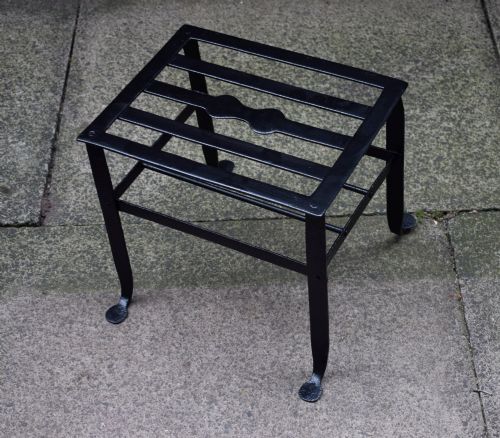
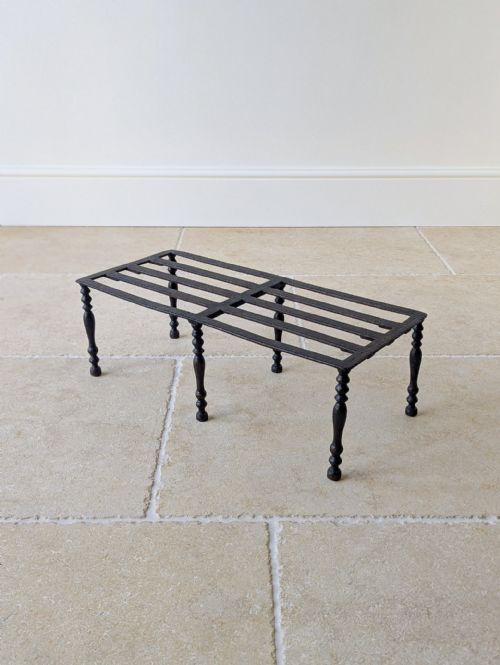
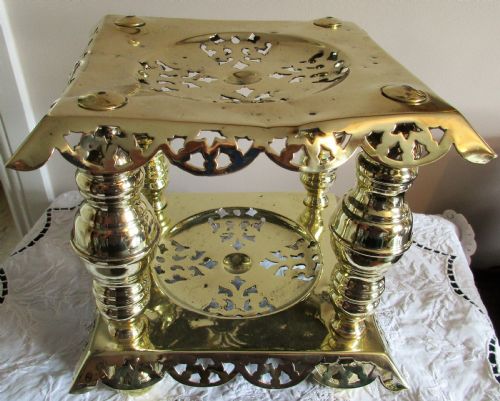
An antique fireplace trivet is a hearth accessory designed to hold kettles or warm dishes close to the fire. The pieces seen on this page span the Georgian, Regency, Victorian, and Edwardian periods.
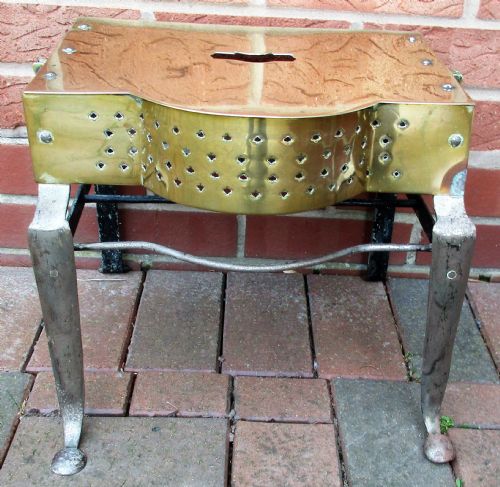
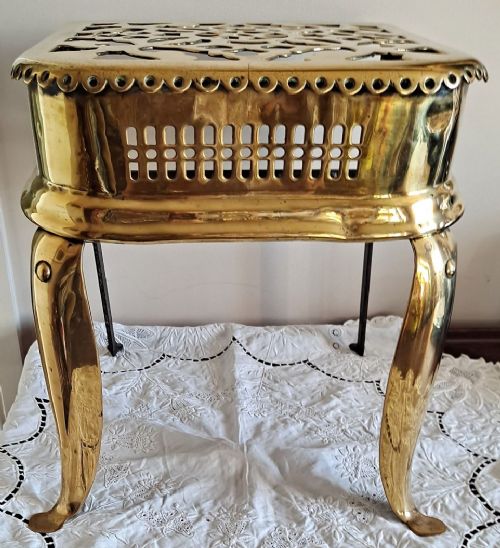
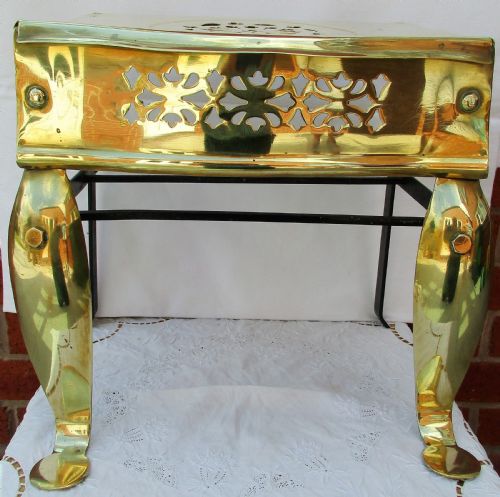
You will most frequently encounter brass and steel footmen alongside two-tier kettle stands and mahogany cat stands. These sturdy hearthware items served a daily domestic purpose in the country house and parlour alike.
Originating from English and Welsh workshops, these utilitarian objects reflect the changing interior styles of the eighteenth and nineteenth centuries. Each form adapts to the specific demands of coal or wood-burning hearths.
How they were made
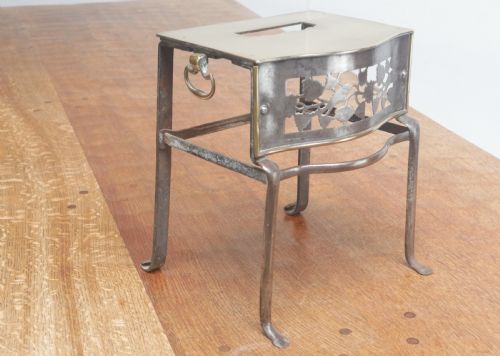
Makers utilised forged iron and wrought iron to construct the strong skeletal frames of footmen. Brass top plates and copper hearth plates were frequently combined with steel legs to balance durability with bright reflection near the fire.
Selected pieces incorporate turned hardwood and mahogany, notably in the construction of cat stands designed to hold plates. Metal components involved hand-beating, casting, and riveting rather than modern mass production.
Antique Fireplace Trivet Retail Price Guide 2026
Typical asking prices for fireplace trivet among the pieces listed under this phrase on Sellingantiques today, from the lower quarter to the upper quarter. They describe what is for sale here now, not the wider market.
Several items are historically termed cat stands, giving domestic fauna a curious architectural namesake by the fireside.
What varies in quality
The standard of an antique fireplace trivet depends on the weight of the metal and the crispness of the casting. Substantial brass plates and heavier steel frames denote a higher grade of domestic equipment intended for daily service.
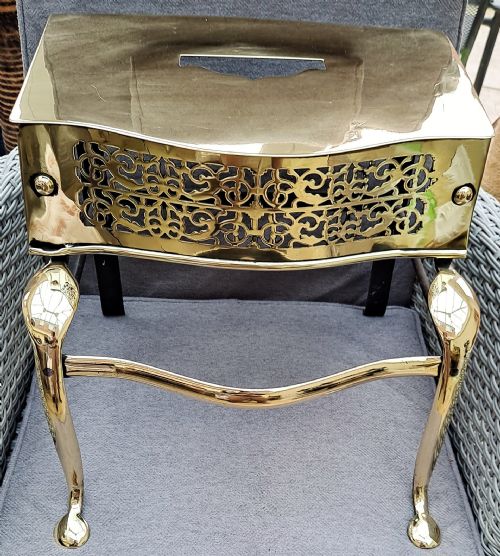
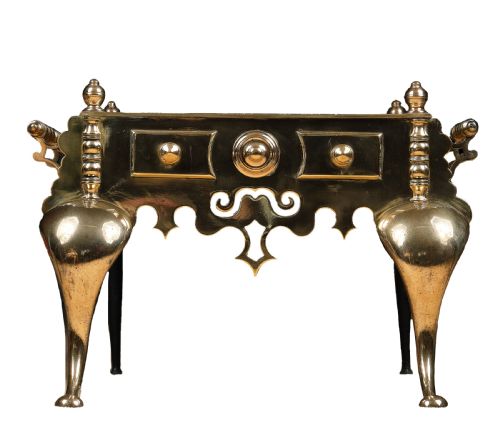
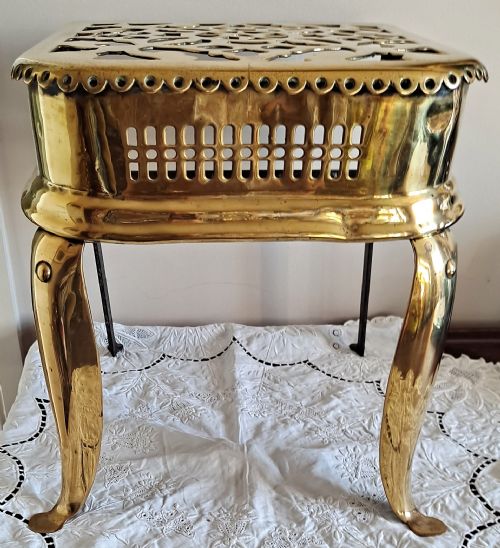
Design complexity also separates the range, from plain iron forms to footmen featuring cabriole legs and scalloped edges. Finer examples show careful attention to jointing between different metals such as brass and steel.
The Antique Fireplace Trivet Glossary
- Footman
- A metal stand placed before a fireplace to support kettles or warm food. These sturdy items typically combine brass tops with iron or steel legs.
- Cat stand
- A small stand, sometimes made of mahogany, used for holding plates or dishes near the fire. They earn their name from their stable, multi-legged posture.
- Hearth plate
- A flat metal surface placed by the fire for warming items. Copper and brass variants often display decorative borders like scalloped edges.
- Kettle stand
- A raised trivet designed specifically to support a boiling vessel over coals. Two-tier versions allow for varied heat exposure.
Antique Fireplace Trivet: Frequently Asked Questions
What is an antique fireplace trivet used for?
These pieces served as practical platforms near the fire for warming plates, keeping kettles hot, or heating food.
In period homes, they sat directly on the hearth stones within reach of the flames for daily meal preparation.
How do I date a brass footman?
Dating relies on observing the combination of materials, such as brass paired with wrought iron, and the prevailing style.
Georgian examples often display cabriole legs, while later Victorian and Edwardian pieces show shifts in casting techniques and overall proportions.
What is a cat stand?
A cat stand is a specific hearth or plate stand, occasionally constructed from mahogany or hardwood.
They provide a stable support surface for dishes close to the warmth of the fire.
Are these trivets safe to use on a modern hearth?
Most of these historic pieces remain structurally robust enough to sit beside a contemporary fireplace.
Their solid metal and hardwood construction allows them to function today much as they did in the nineteenth century.