


Antique Fireplace Mantel
When searching for an antique fireplace mantel, you discover architectural surrounds and reflective overmantels that anchor a hearth.
Antique Fireplace Mantel
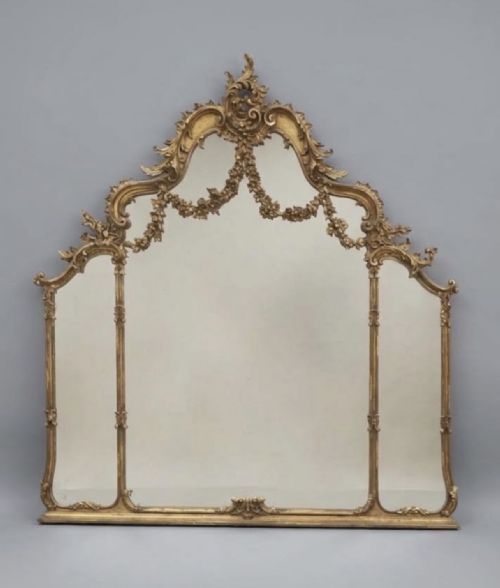
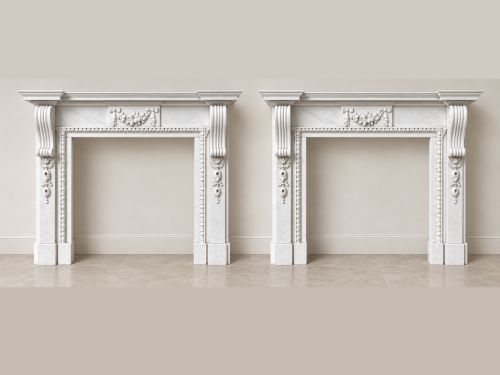
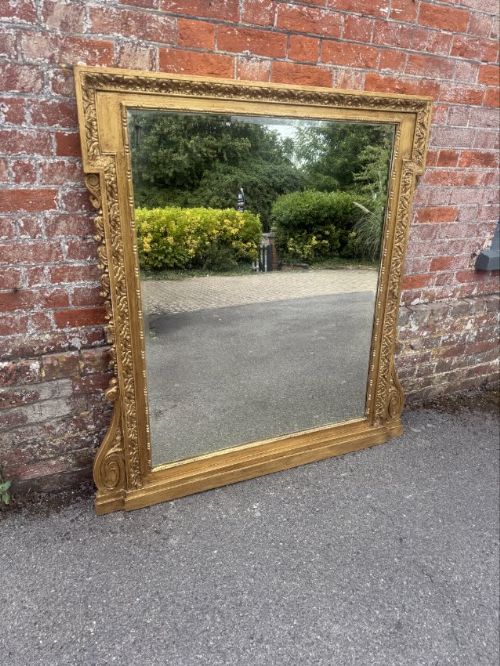
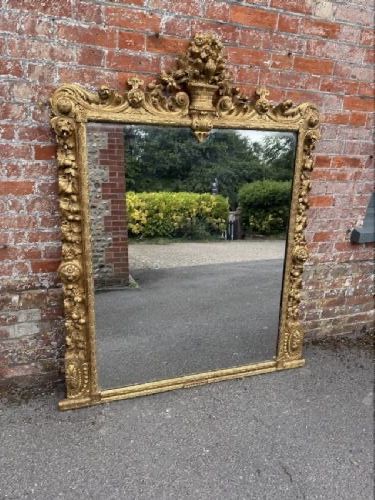
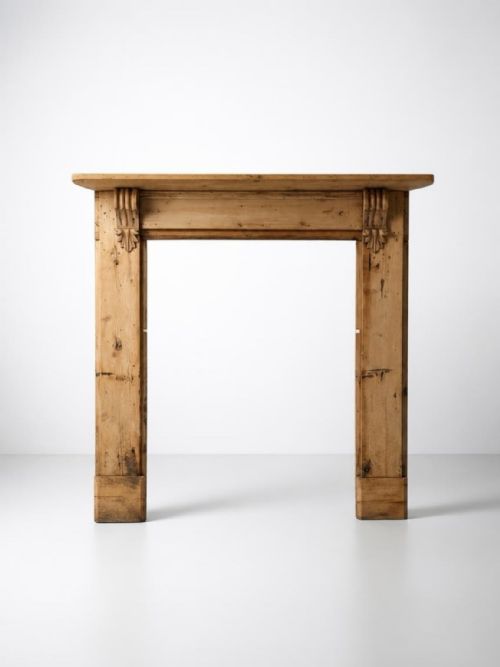
The search for an antique fireplace mantel brings together solid architectural surrounds and large overmantel mirrors designed to sit directly above the hearth. These pieces function as the central focal point of a room, framing the fireplace opening with substantial timber, stone, or marble structure.
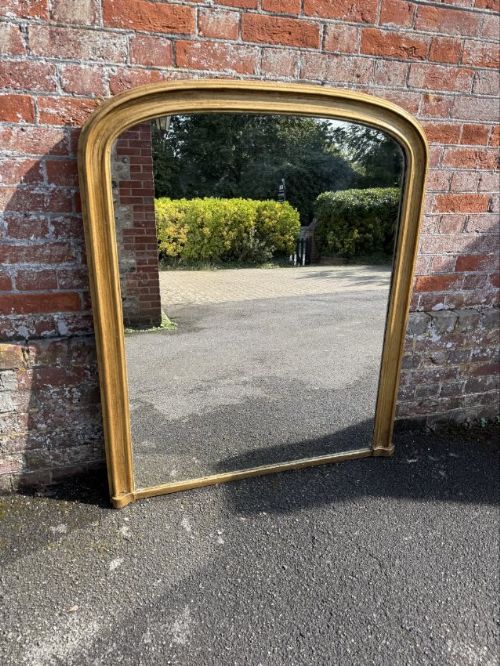
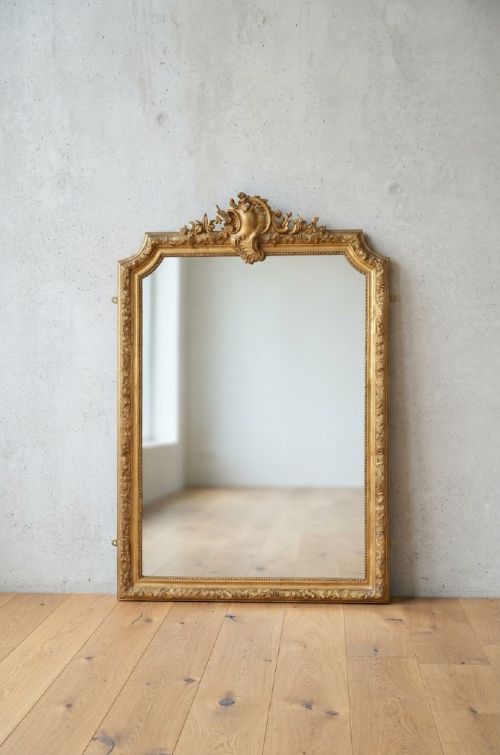
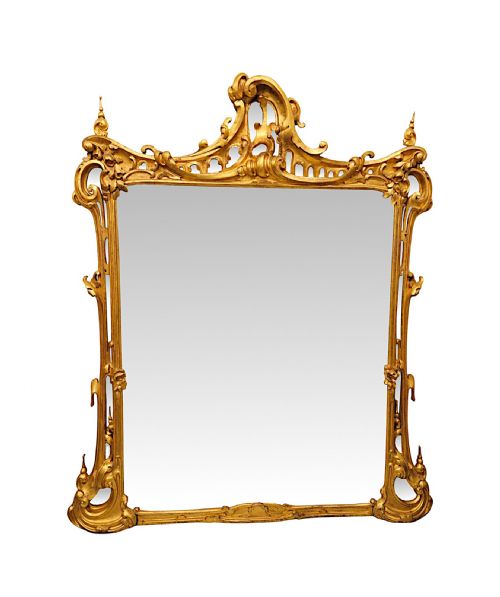
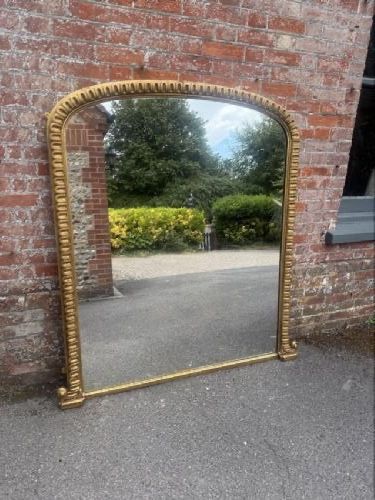
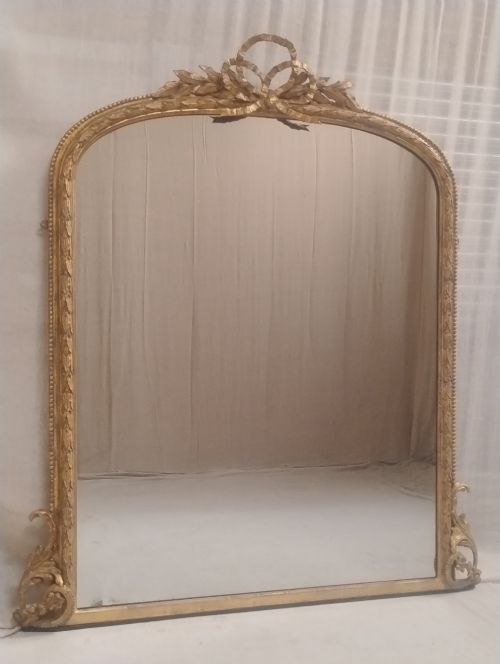
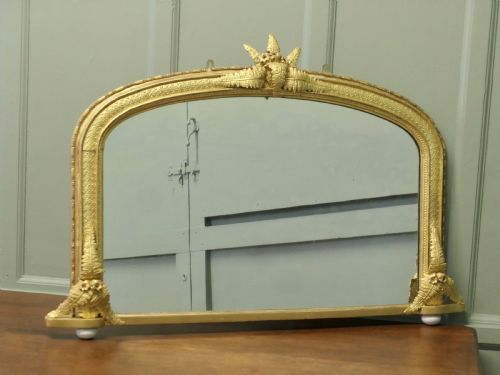
Most examples encountered here originate from the nineteenth century, spanning Victorian, Edwardian, and Regency periods. The forms range from plain pitch pine and carved oak surrounds to elaborate giltwood overmantel mirrors incorporating arched tops and decorative crestings.
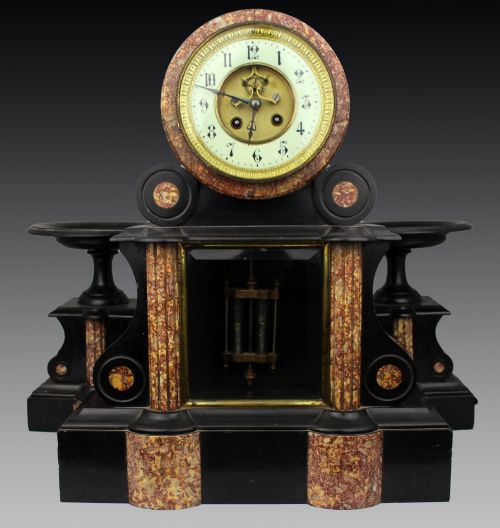
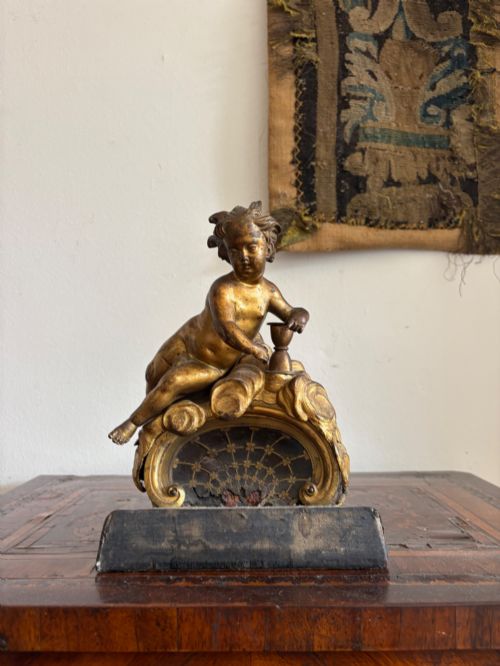
Beyond structural surrounds and mirrors, the category includes functional mantel accessories such as marble clock garniture sets, bronze ornaments, and brass candlesticks placed upon the shelf. These diverse objects share a direct association with the hearth as the domestic heart of the home.
How they were made
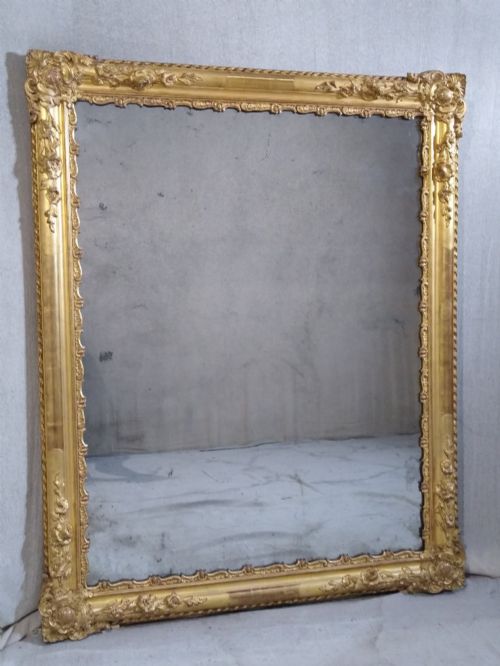
Makers constructed structural surrounds from solid hardwoods like oak, mahogany, walnut, and pine, often carving motifs directly into the timber or applying moulded gesso. Overmantel mirrors utilised layered wood frames finished with gold leaf, giltwood, or parcel-gilt details over a mirrored glass plate.
Clock garnitures and decorative mounts combined natural materials such as black marble, rouge marble, and bronze, utilising ormolu casting techniques. Metal components relied on traditional foundry work, pairing patinated bronze with polished brass elements.
Some Victorian overmantel mirrors retain whimsical details like carved Ho-Ho birds perched upon their wooden crestings.
What varies in quality
Quality rests in the crispness of the carved ornamentation and the depth of the gilding applied to wood and gesso frames. Superior architectural surrounds display balanced proportions and cleanly executed joinery rather than mass-produced uniformity.
The condition of the materials also dictates the standing of a piece, observable in the even ageing of mirror glass, the retention of original fire gilding on bronze, and the structural integrity of heavy marble and slate clock bodies.
Japy Frères·Siffel & Cartier
The Antique Fireplace Mantel Glossary
- Overmantel mirror
- A large mirror designed to hang specifically on the wall directly above a fireplace mantelpiece. These often feature architectural framing to match the room proportions.
- Giltwood
- Wood that has been coated with a thin layer of gold leaf or gold paint. This finish creates a bright, reflective surface popular in nineteenth-century formal interiors.
- Ormolu
- Finely ground high-carat gold applied to a bronze object through a mercury-gilding process. The technique produces a rich, durable metallic lustre found on decorative mounts and clock cases.
- Garniture set
- A matching group of ornamental objects, typically consisting of a central clock flanked by matching candelabra or vases. These units were arranged symmetrically on the mantel shelf.
- Foxed glass
- Mirror glass that shows age-related spots, discoloration, or minor oxidation behind the reflective coating. This natural degradation provides evidence of historical age.
Antique Fireplace Mantel: Frequently Asked Questions
What is an overmantel mirror?
An overmantel mirror is a large wall mirror specifically scaled to hang above a fireplace mantel. It visually expands the room and reflects light from the hearth.
These mirrors often feature horizontal orientations or arched tops designed to echo the architectural lines of the fireplace surround below them.
How do I style a mantel shelf?
Styling a mantel shelf involves balancing height and weight using traditional decorative objects like clocks, candlesticks, or bronze ornaments. Symmetrical arrangements often place a mantel clock at the centre flanked by matching items.
Leaving adequate space around the objects allows the surrounding timber or marble structure of the fireplace to remain visible.
How do I tell Victorian from Regency?
Regency pieces typically display classical restraint, clean architectural lines, and Neoclassical influences dating from the early nineteenth century. Victorian items often feature heavier carvings, darker woods like walnut, and more exuberant revival styles.
Examining the underlying materials and secondary woods helps confirm the specific period of manufacture.
Were mantel clocks meant to run?
Mantel clocks served as both accurate timekeepers and decorative centrepieces for the domestic hearth. Many house mechanical movements driven by springs or pendulums.
Today, collectors appreciate them for their decorative bronze, marble, and ormolu cases as much as their horological function.