



Victorian Chimneypiece
A victorian chimneypiece anchors the room with architectural weight, offering carved timber, marble or gilded glass that frames the hearth.
Victorian Chimneypiece
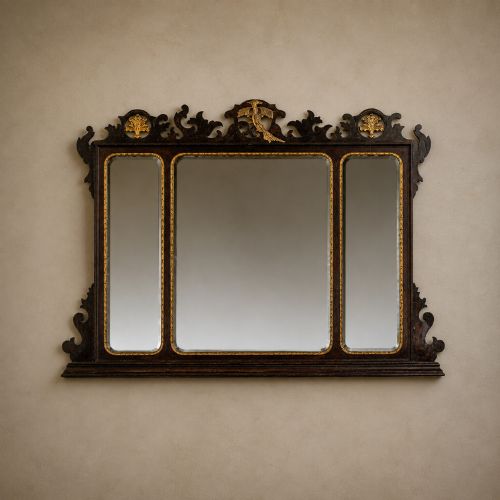
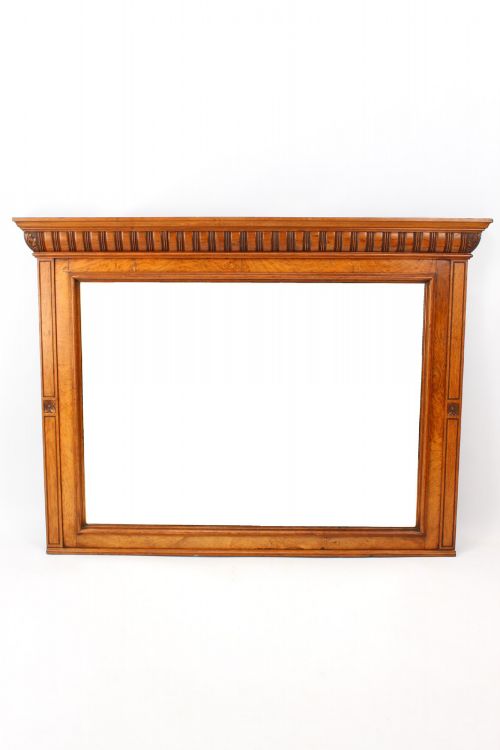
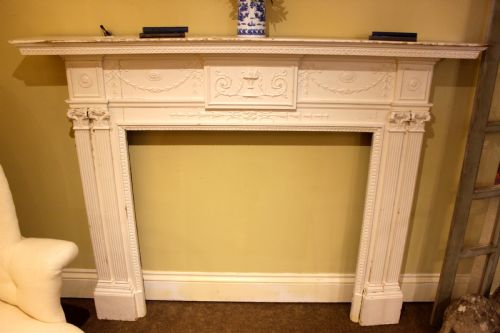
When searching for a victorian chimneypiece, a buyer looks at the focal point of nineteenth-century domestic interiors, encompassing both structural fire surrounds and grand overmantel mirrors designed to sit above the hearth.
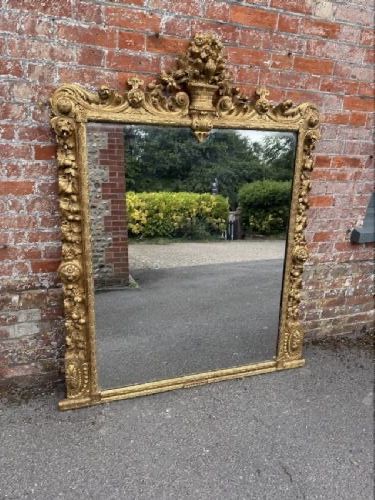
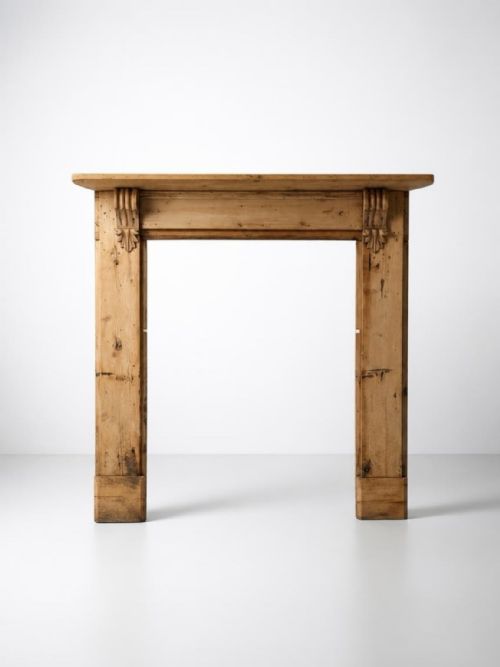
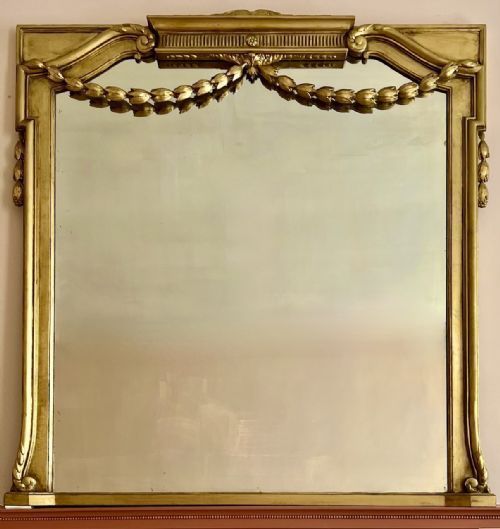
The versions met most often on this page include large overmantel mirrors in carved wood, gesso and giltwood alongside solid fire surrounds fashioned from oak, mahogany, pine and slate.
These pieces draw on revival styles ranging from Neoclassical and Rococo to Gothic and Chippendale, reflecting the eclectic taste of the period from the mid-nineteenth century onward.
How They Were Made
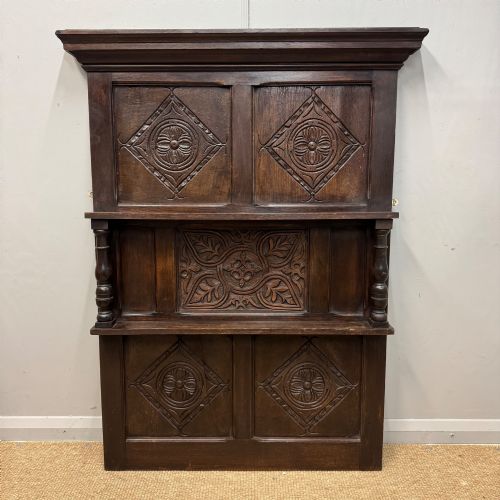
Joiners and carvers utilised dense hardwoods like mahogany and oak alongside softer pine and pitch pine, shaping structural surrounds and framing panels with hand-carved mouldings.
Gilded overmantel mirrors relied on composition and gesso applied over carved wooden bases, accepting layers of gold leaf or paint that created the bright or distressed finishes seen today.
Listings feature nineteenth-century forms including carved wood overmantel mirrors, oak fire surrounds and Welsh slate hearth pieces.
What Varies in Quality
The depth and crispness of the hand-carved detail separate standard joinery from exceptional craftsmanship, particularly in the rendering of crestings, rope twists and classical motifs.
The integrity of the original gilt surface or the restraint of later paint applications dictates the visual weight of the piece, alongside the clarity and preservation of the mercury or silvered glass within the mirror plates.
The Victorian Chimneypiece Glossary
- Overmantel mirror
- A large mirror designed to hang specifically on the wall directly above a fireplace mantelpiece. These pieces often incorporate arched tops and giltwood frames.
- Gesso
- A plaster-like mixture applied to wood surfaces and carved before gilding or painting. It provides a smooth base for intricate relief ornament.
- Giltwood
- Timber coated with gold leaf or metallic powder. This finish reflects candlelight and firelight within the nineteenth-century drawing room.
- Pier mirror
- A tall mirror placed on the wall between two windows or above a low pier table. They share construction methods with overmantel mirrors.
- Composition
- A moulded mixture of whiting, resin and oil used to create repeatable decorative ornaments on frames. It hardens to resemble carved wood.
Victorian Chimneypiece: Frequently Asked Questions
How do I measure for an overmantel mirror?
Measure the width of your existing fireplace surround to ensure the mirror proportions sit comfortably above the shelf without exceeding the footprint of the mantel.
Take note of the ceiling height and any architectural mouldings that might restrict the vertical clearance for arched or grandly crested designs.
What is the difference between a fire surround and an overmantel?
A fire surround forms the physical frame around the hearth opening itself, constructed from materials like marble, slate, stone or timber.
An overmantel is the decorative mirror or panel hung on the wall in the vertical space directly above that shelf.
How do I clean a gilded wood frame?
Dust the carved surfaces gently with a soft, dry brush to prevent abrasive particles from scratching the delicate gold leaf or composition ornament.
Avoid liquid cleaners entirely, as moisture penetrates aged gesso and lifts the historic gilding from the wooden substrate.
Can these fire surrounds be used with modern fires?
Many antique surrounds accommodate modern hearth inserts, provided the interior dimensions match the clearance requirements of your heat source.
Consult a qualified installer to verify thermal tolerances, especially when pairing historic timber or marble with high-output gas or electric fires.