




Antique Fireplace Footman
An antique fireplace footman sits by the hearth to warm plates or kettle water, offering sturdy iron and brass utility built for the Georgian or Victorian dining room.
Antique Fireplace Footman
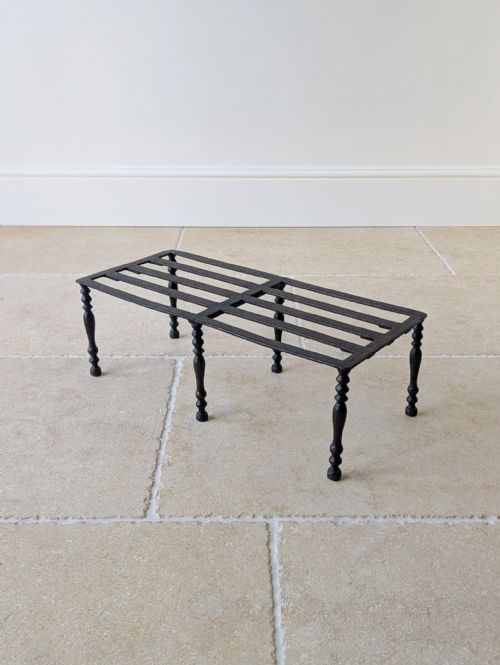
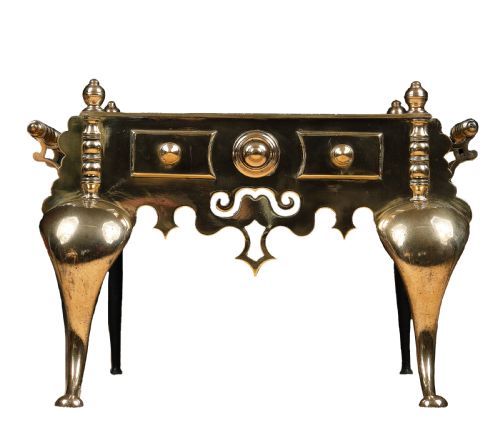
An antique fireplace footman stands as a traditional hearth accessory designed to sit near the fire for warming plates or keeping food hot. These pieces belong to the broader category of fireside accessories, appearing in forms like hearth trivets and porter stools.
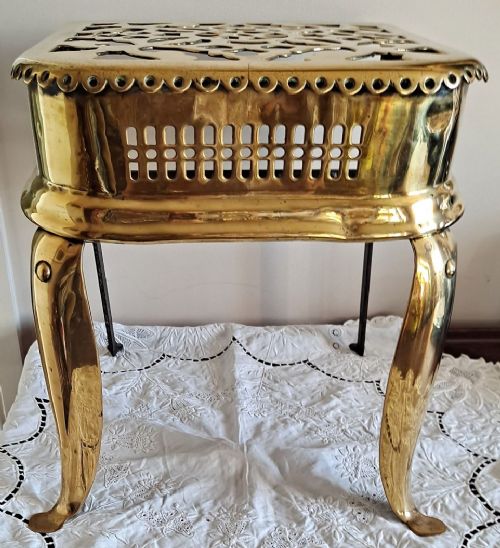
You are most likely to meet examples in brass and steel from the Georgian and Victorian periods, often styled with short legs and a flat top plate. The pieces recorded here span the eighteenth century through to the late nineteenth century, reflecting country-house kitchens and inglenook settings.
How they were made
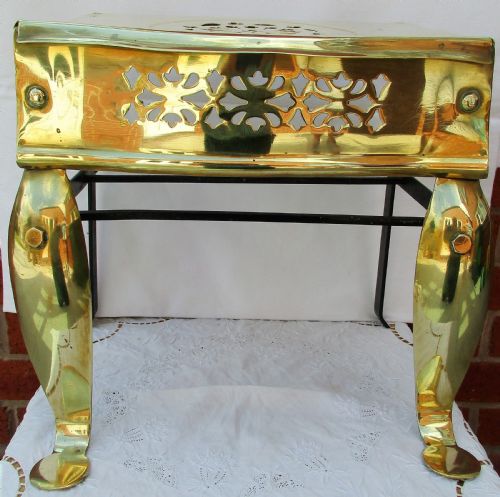
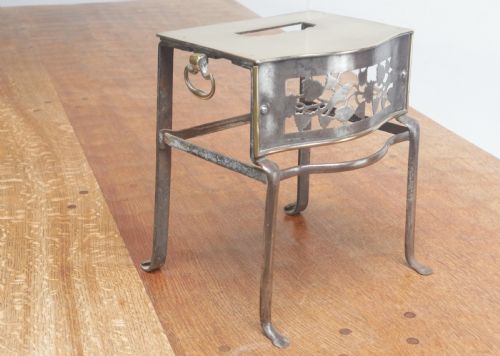
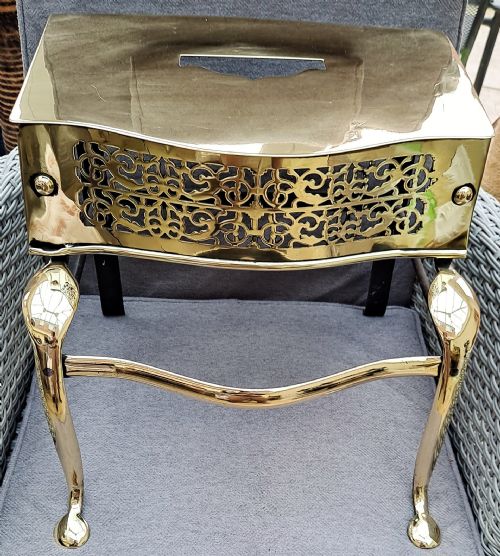
Makers built these stands using robust combinations of brass, steel, wrought iron, and plain iron to withstand intense hearth heat. The construction typically pairs a bright brass top plate with sturdy iron or steel legs designed to support heavy dishes.
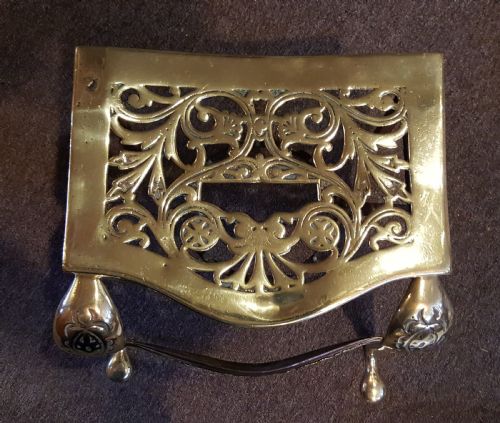
Blacksmiths and metalworkers shaped the wrought iron and steel components by hand, forging brackets and legs before attaching the polished brass front panels or pierced tops.
Some footmen doubled as porter stools, meaning the household staff might occasionally sit on them while waiting in drafts.
What varies in quality
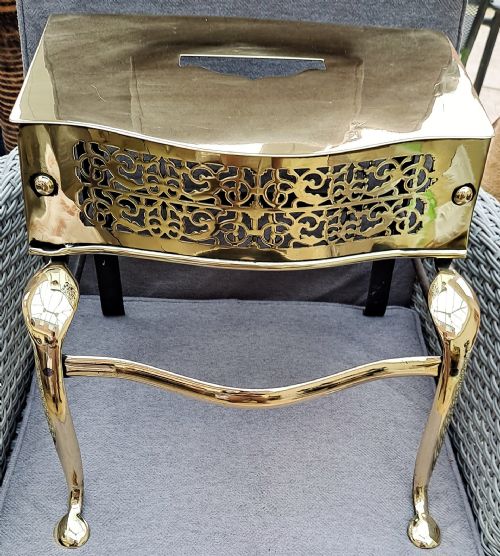
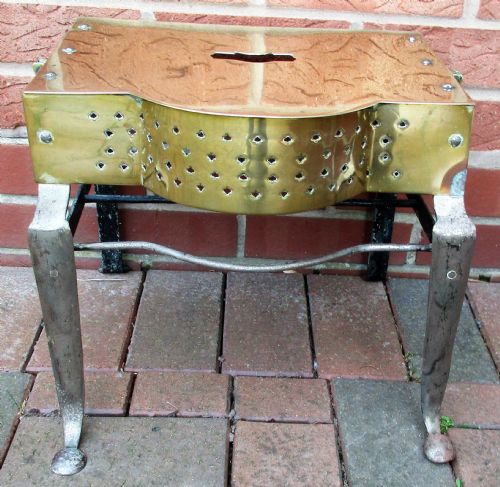
The distinction between standard examples and superior pieces rests on the weight of the metal and the intricacy of any pierced decoration on the top plate. Heavier gauge brass and solid wrought iron framing indicate a sturdier make intended for serious daily use rather than light display.
Proportion and form also divide the range, with well-balanced cabriole legs and clean lines separating refined parlour pieces from heavier, utilitarian kitchen items.
The Antique Fireplace Footman Glossary
- Footman
- A metal stand placed by the fireplace to hold plates or kettles near the heat. It usually stands on four legs with a flat top.
- Hearth Trivet
- A small three- or four-legged stand used interchangeably with a footman for keeping pots warm by the fire. These items form a core part of traditional fireside accessories.
- Inglenook
- A recessed space around a fireplace, often large enough to seat people or hold heavy warming equipment like a heavy antique footman.
- Cabriole Legs
- Legs that curve outward and then inward, seen on certain refined footman stools in the Georgian style. This shape mirrors furniture design of the period.
- Wrought Iron
- Iron that has been heated and shaped with tools by a blacksmith, providing the tough structural framework for many early footmen.
Antique Fireplace Footman: Frequently Asked Questions
What was a fireplace footman used for?
A fireplace footman served as a metal stand placed close to the hearth to warm plates, dishes, or water kettles before they went to the dining table. The elevated position kept food hot using the ambient heat of the coal or wood fire.
In larger country houses, these stands were essential kitchen and parlour equipment during the Georgian and Victorian eras, bridging the gap between the open fire and the serving table.
How do I tell a Georgian footman from a Victorian one?
Georgian footmen tend to display simpler, heavier wrought iron frames combined with brass tops, often dating from the eighteenth century or around eighteen hundred. Victorian examples from later in the nineteenth century frequently show brighter brass finishes and slightly more varied decorative piercing.
Examining the metalwork and construction marks helps separate the earlier hand-forged pieces from later nineteenth-century production methods.
Where should I place an antique footman in my home?
An antique footman finds a natural home beside an open fireplace, a wood burner, or even empty hearths as a decorative display piece. The sturdy brass and iron construction allows them to hold small plants, books, or decorative objects.
They also sit well in hallways or living rooms where their historic metal surfaces add texture to traditional interiors.
Are brass and steel footmen difficult to clean?
Brass and steel require gentle cleaning to preserve their historic surfaces and patina rather than achieving a bright modern shine. A soft cloth and mild metal cleaner remove dust without stripping away the age accumulated over the centuries.
Harsh abrasives should be avoided entirely, as they damage the original texture of the brass plates and iron legs.