



Antique Fire Accessories
These antique fire accessories bring warmth and character to the hearth through functional items shaped in brass, iron, steel, and copper.
Antique Fire Accessories
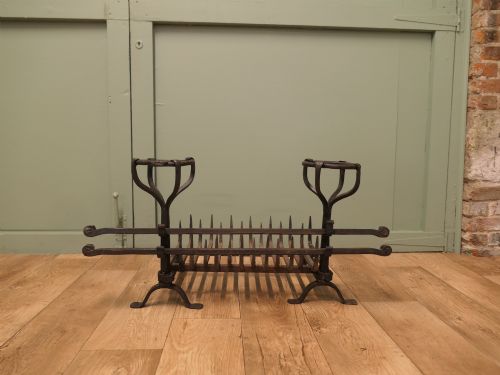
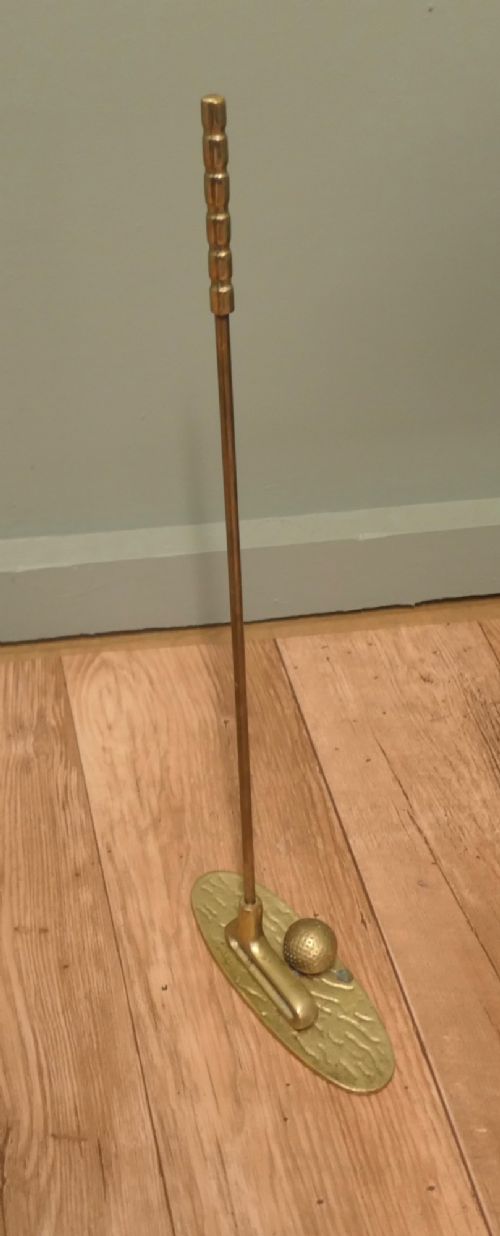
When someone searches for antique fire accessories, they find a diverse array of ironmongery and brassware designed to tend domestic hearths across centuries. The items range from utilitarian coal buckets and bellows to decorative fire dogs and fender rails.
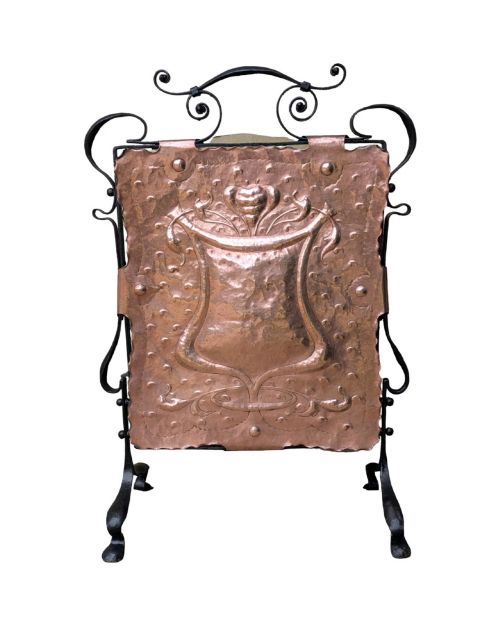
Victorian and nineteenth-century examples dominate the selections, alongside pieces spanning the Georgian, Regency, and Arts and Crafts eras. Buyers encounter everything from heavy wrought iron fire baskets to hand-painted bellows and pierced brass fenders.
Regional and continental pieces appear frequently, including French rococo fire dogs and Kashmiri bellows alongside English country-house ironwork. Each object served a practical purpose in managing solid fuel fires before central heating transformed domestic interiors.
How they were made
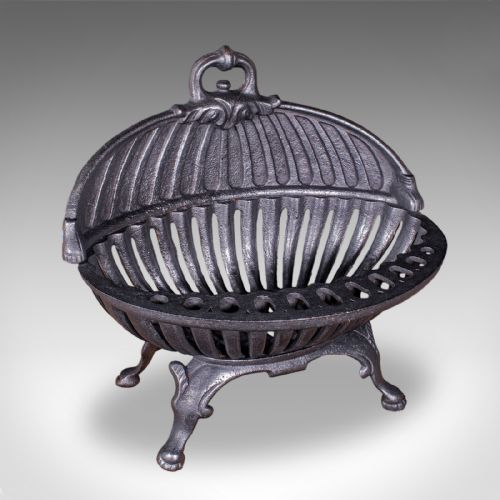
The construction relies heavily on durable metals including cast iron, wrought iron, and steel, shaped through traditional blacksmithing and foundry techniques. Blacksmiths hammered and bent wrought iron for fire dogs and baskets, while foundries cast intricate brass and iron components.
Complementary materials such as brass, copper, leather, and wood added contrasting texture and utility to companion sets, buckets, and bellows. Leather and wood were combined with brass studs and hand-painting for flexible items like fire bellows and log bins.
Antique Fire Accessories Retail Price Guide 2026
Typical asking prices for fire accessories among the pieces listed under this phrase on Sellingantiques today, from the lower quarter to the upper quarter. They describe what is for sale here now, not the wider market.
A painted metal knight stands ready to guard the hearth alongside more traditional pokers and tongs.
What varies in quality
Quality rests in the weight of the metal and the crispness of the casting or hand-forging. Heavy, solid brass and thick wrought iron distinguish substantial pieces from lighter, mass-produced items.
Artistic detail marks the upper tier of objects, seen in chased brass surfaces, hand-carved wooden elements, and refined motifs reflecting Gothic Revival, Neoclassical, or Arts and Crafts styles.
Thomas Jeckyll·William Tonks
The Antique Fire Accessories Glossary
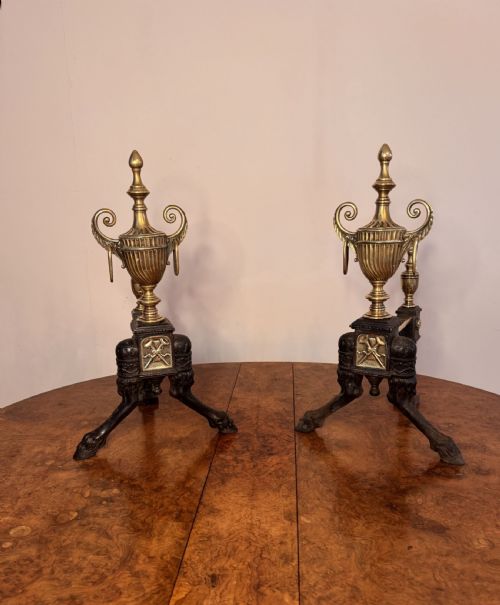
- Fire dogs
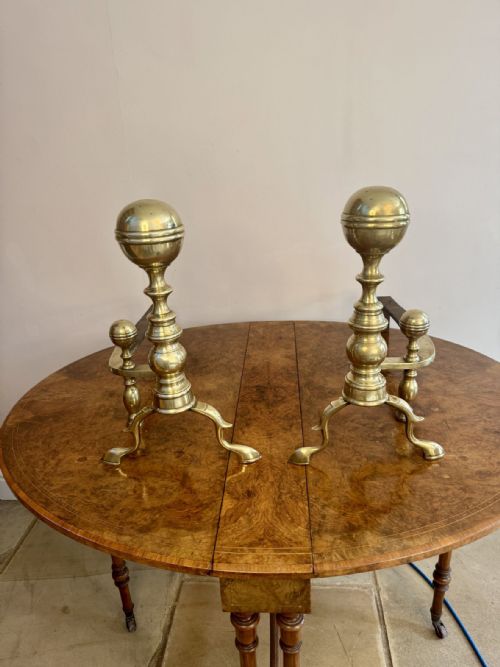
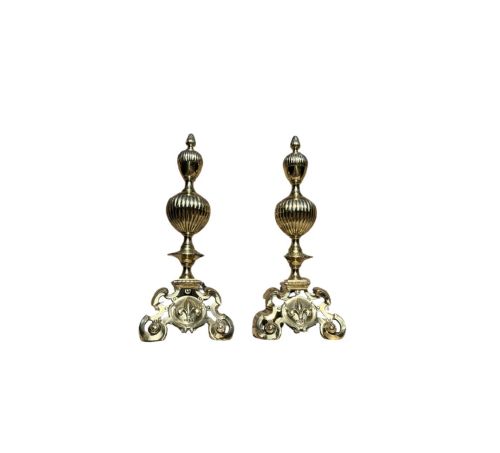
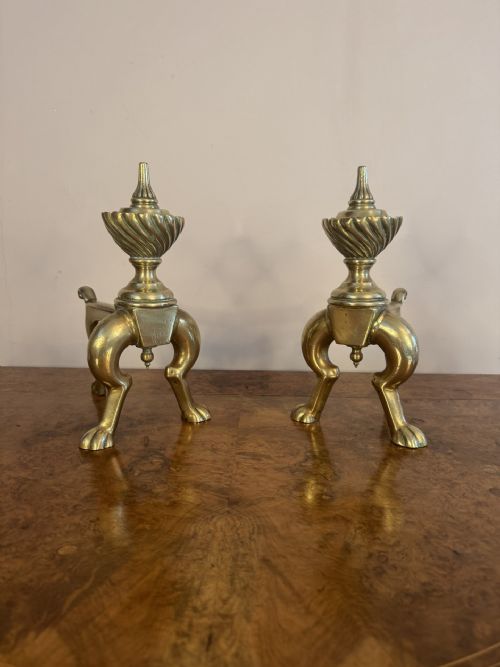
- Support irons placed in a hearth to hold logs above the floor for better airflow. They often feature decorative brass or iron fronts.
- Fender
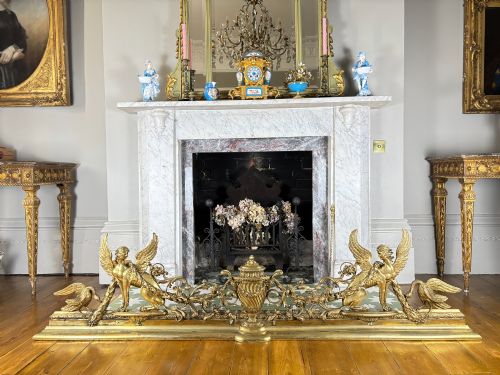
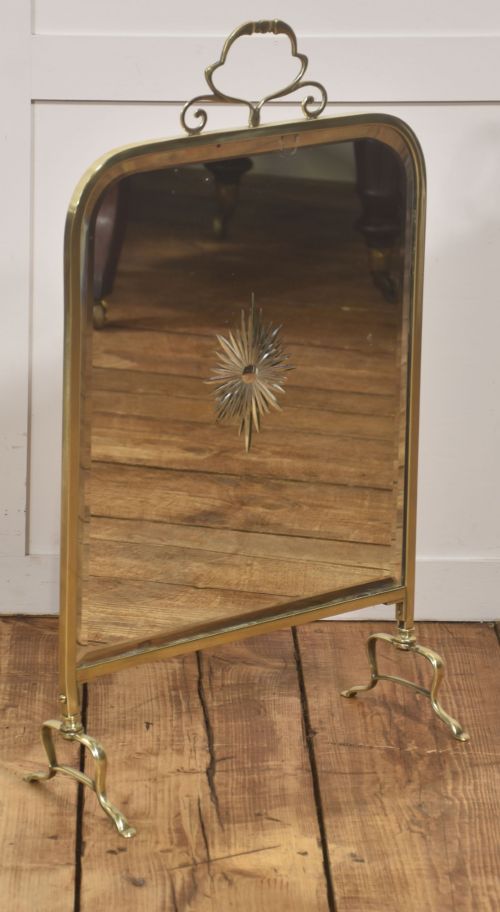
- A low metal guard placed around the hearth to contain ash and rolling embers. Pierced brass and iron designs are common.
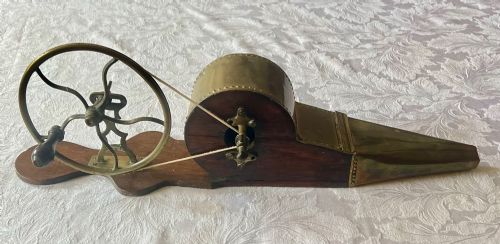
- Bellows
- A device with flexible leather sides and wooden handles used to pump air into a fire. Painted and decorated examples often hung beside the chimney.
- Companion set
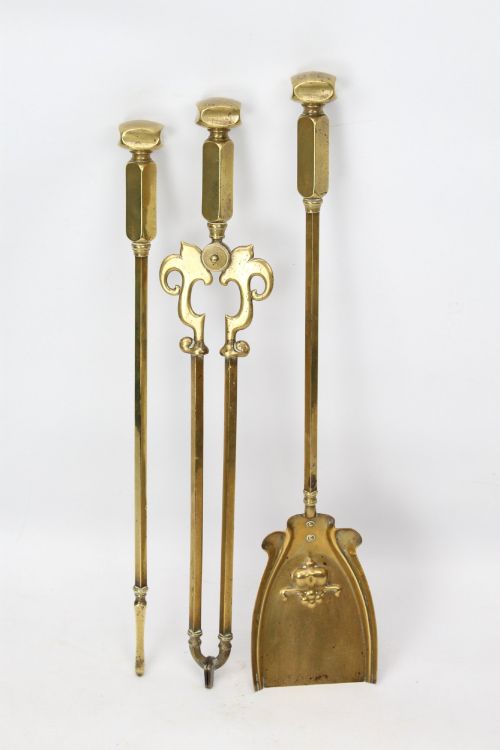
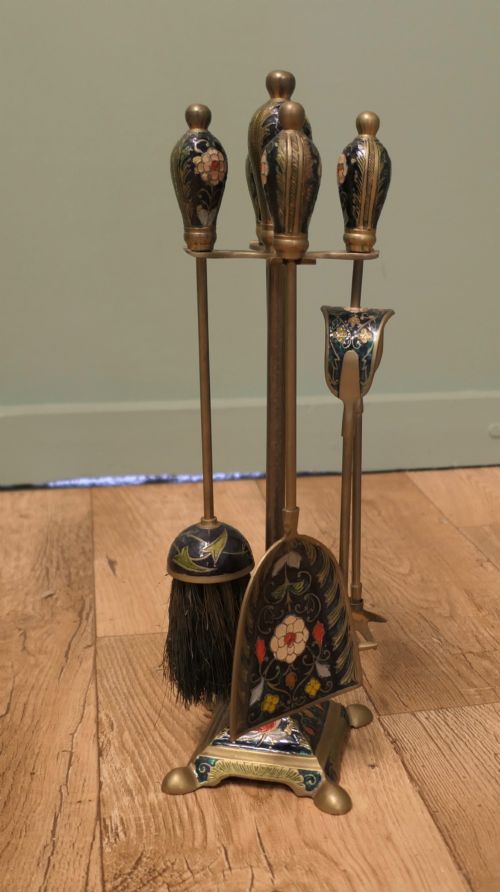
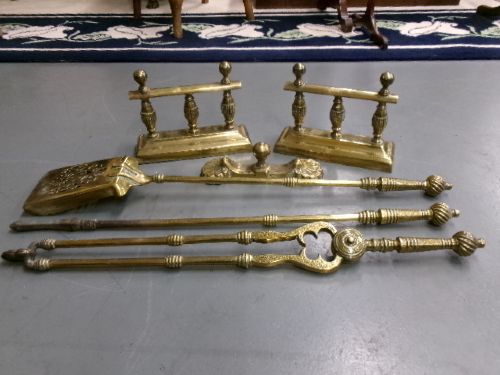
- A matched group of fireside tools usually comprising a poker, tongs, shovel, and brush. They frequently stand together on a dedicated rest or stand.
Antique Fire Accessories: Frequently Asked Questions
What are fire dogs used for?
Fire dogs support logs inside an open hearth to allow air to circulate underneath for a cleaner burn.
They also display decorative front terminals made from brass or iron that face into the room.
How do I clean brass fire accessories?
Maintenance depends on whether a bright polish or an aged patina is preferred for the metal.
Gentle wiping with a soft cloth removes dust without disturbing the historic surface of nineteenth-century brass.
What materials were used for fire irons?
Makers relied on durable metals like steel, iron, and brass to withstand intense hearth temperatures.
Sets often combined iron shafts with decorative brass handles to balance strength with visual appeal.
How do I identify a Victorian fender?
Victorian fenders often feature pierced sheet brass or cast iron with geometric or Gothic Revival patterns.
They sit directly on the hearth floor to frame the fireplace opening and protect the room from stray embers.