

Antique Finial
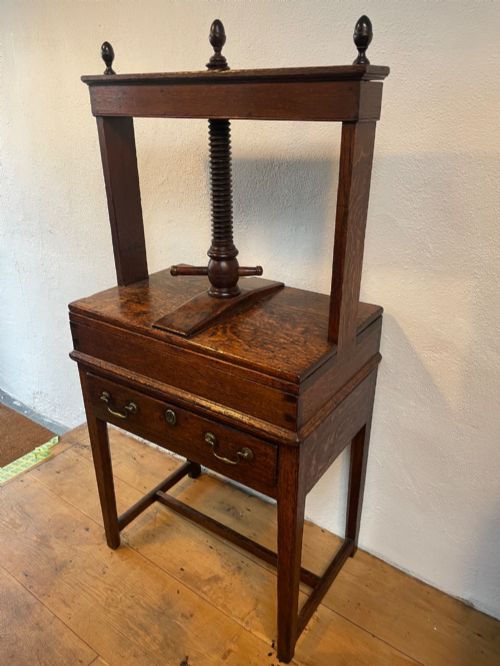
These pieces of antique finial metalwork, stone, and wood crown everything from furniture to architecture.
Antique Finial
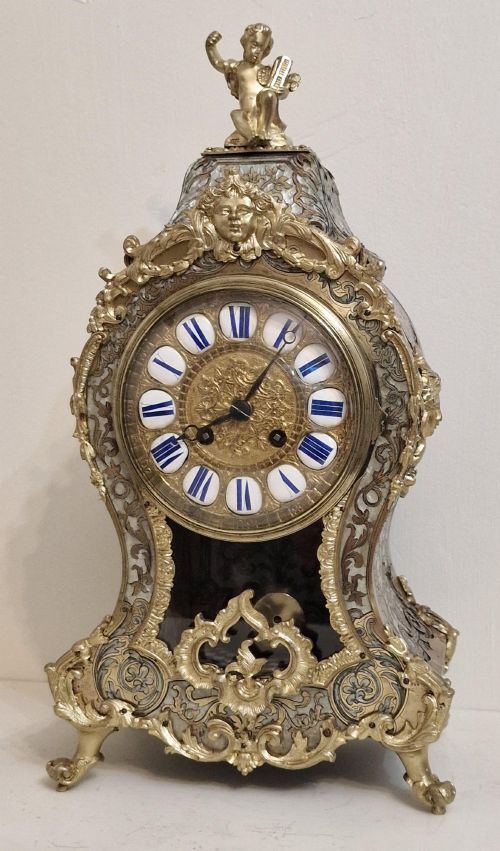
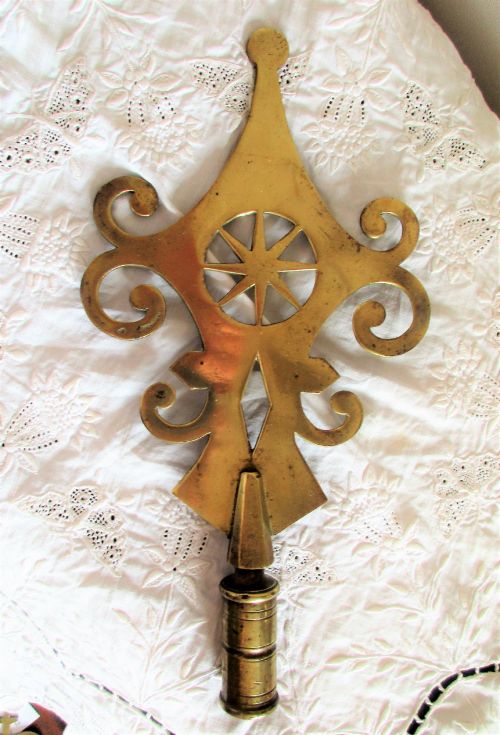
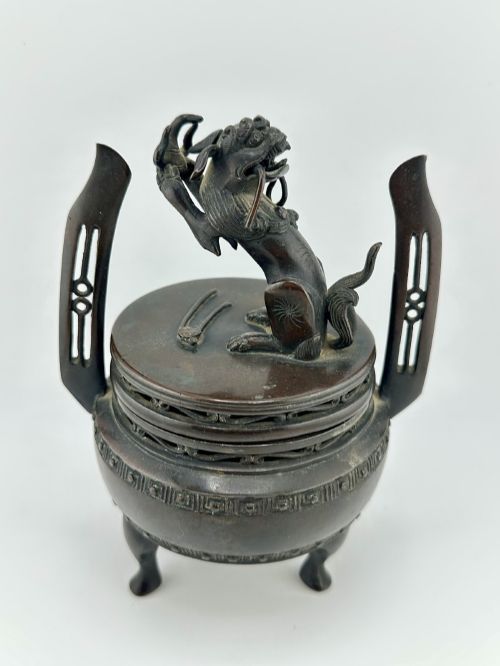
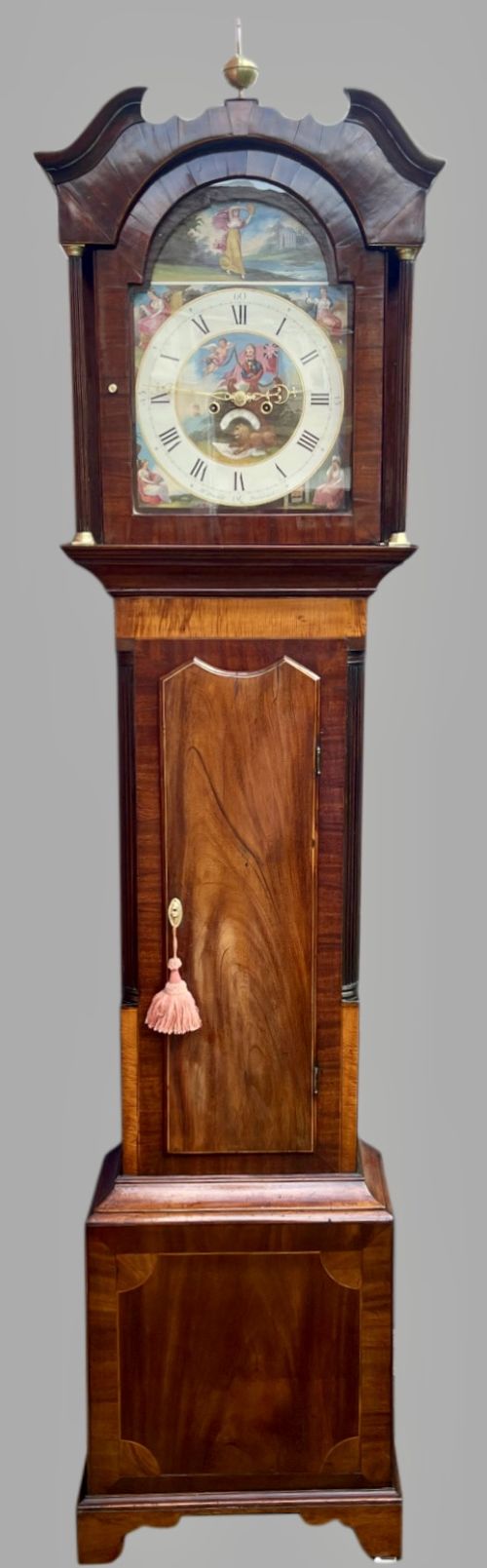
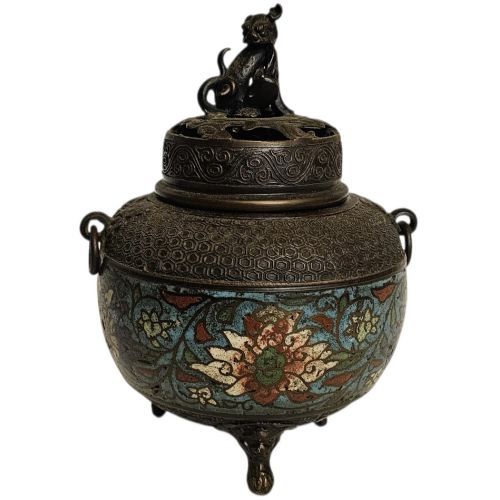
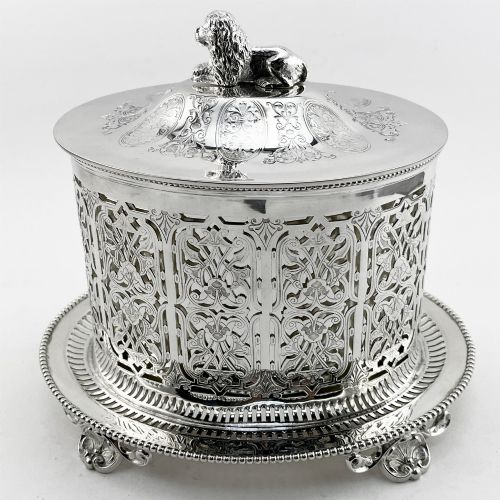
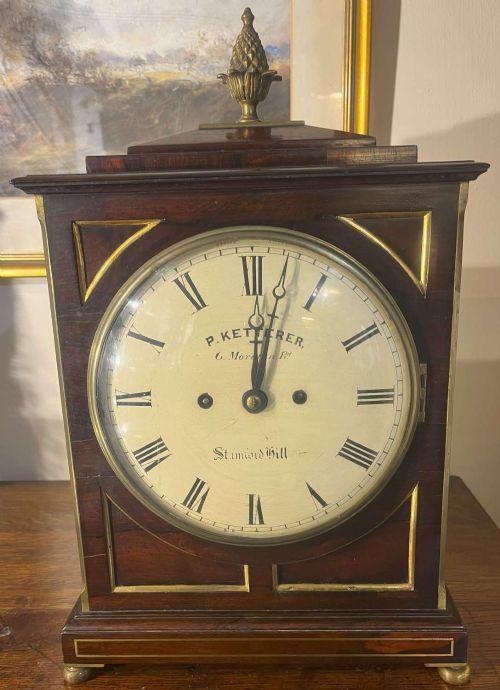
When searching for an antique finial, buyers encounter architectural ornaments, furniture tops, and decorative hardware from several centuries. The selection includes architectural salvage, pier finials, and sculptural elements attached to clocks, incense burners, and teapots.
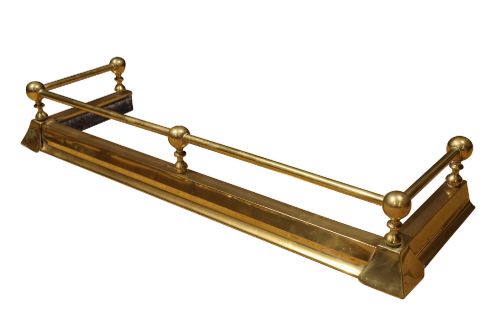
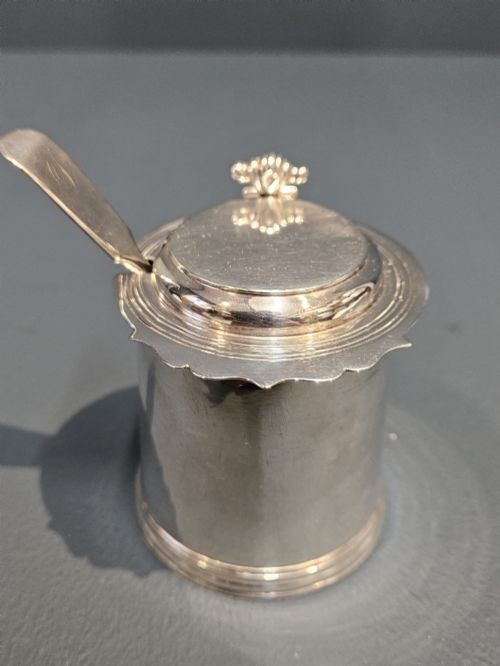
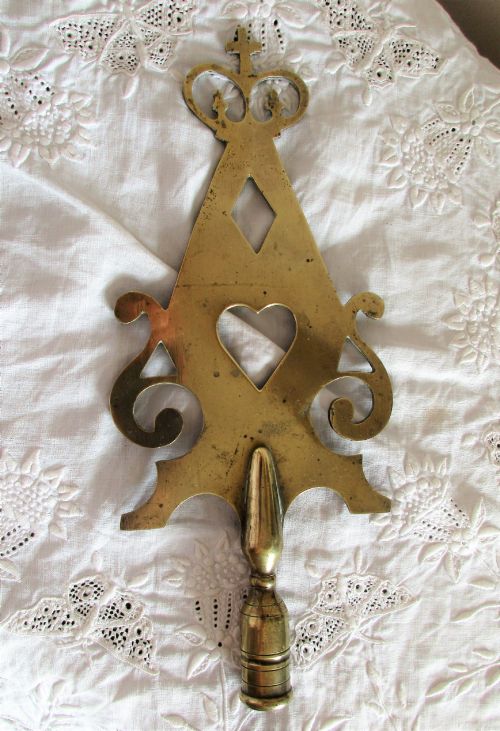
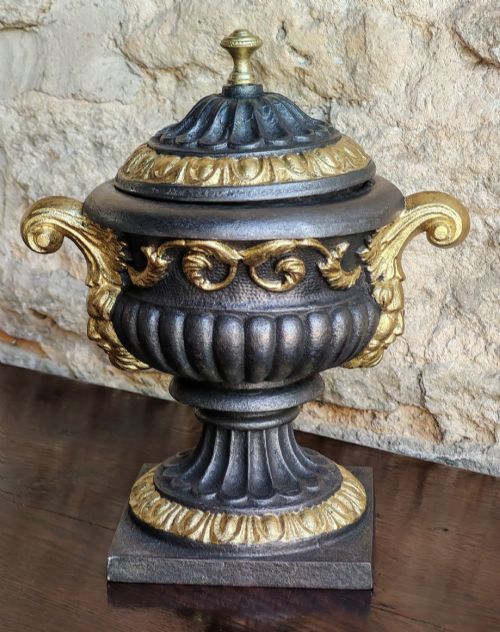
Most items on this page manifest as decorative terminal points cast, carved, or forged in materials ranging from composite stone to bronze and brass. They appear as standalone ornaments or as part of larger functional objects such as incense burners and lids.
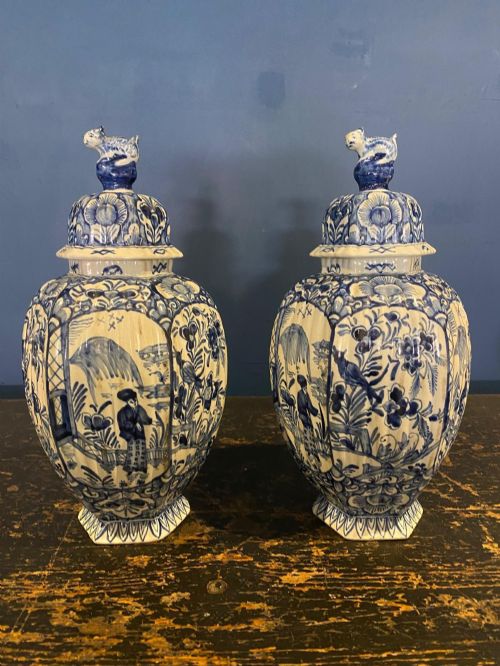
Origins span British, European, and Asian workshops, with periods stretching from the seventeenth century through the Victorian era and into the early twentieth century. Forms vary widely from architectural eagles and newel posts to intricate animal motifs on ceramic vessels.
How they were made
Metals such as brass, bronze, iron, and steel undergo casting, forging, and hand-finishing, sometimes incorporating parcel-gilt or ormolu surfaces. Bronze and brass items often utilise detailed mouldings or lost-wax casting methods to achieve crisp relief.
Wood and stone pieces rely on hand-carving or composite casting techniques. Oak, walnut, and mahogany items demonstrate traditional joinery and chisel work, while stone and terracotta examples employ moulds or stone-carving tools for outdoor and architectural placement.
Antique Finial Retail Price Guide 2026
Typical asking prices for finial among the pieces listed under this phrase on Sellingantiques today, from the lower quarter to the upper quarter. They describe what is for sale here now, not the wider market.
Animals rule the summit: ferocious eagles, crouching qilin, slumbering toads, and protective temple lions all take their turn keeping watch from the top.
What varies in quality
Material selection and structural integrity also separate tiers of quality. Heavy, solid metals, dense hardwoods, and well-preserved fire gilding or original patination hold greater material distinction than lighter, composite, or heavily restored surfaces.
The Antique Finial Glossary
- Finial
- A decorative ornament fixed to the apex of a roof, piece of furniture, clock, or ceramic lid. It serves to terminate a vertical line and add visual weight.
- Ormolu
- Finely ground high-carat gold applied to a bronze object through a mercury amalgam process. This technique imparts a durable, rich golden sheen to metalwork.
- Parcel-gilt
- Partially gilded metal or wood where only specific raised details or motifs receive a gold leaf or gilt treatment, contrasting with the untreated surface.
Antique Finial: Frequently Asked Questions
What is an antique finial used for?
These terminals decorate the uppermost points of furniture, clocks, architectural structures, and lidded vessels. They serve both a structural capping role and a decorative purpose.
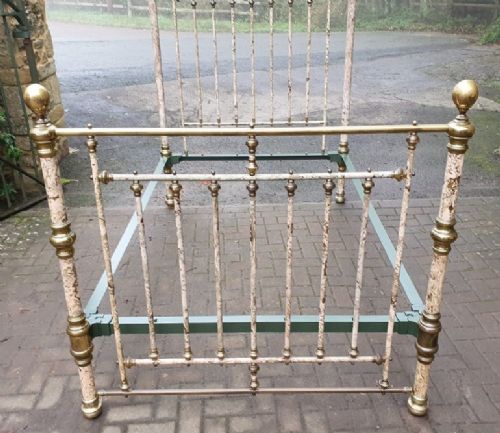
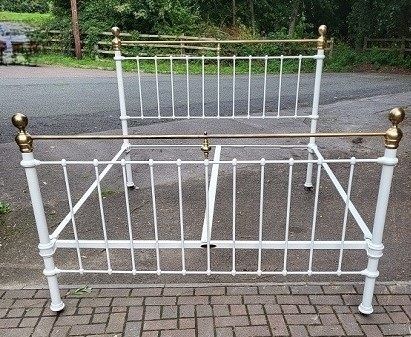
Historically, makers used them to draw the eye upward and finish the silhouette of large objects like gateposts, bedsteads, and ceremonial burners.
How do I date an antique finial?
Dating relies on identifying the material, manufacturing technique, and stylistic markers such as Victorian Gothic Revival or Neoclassical motifs. Tool marks, metal composition, and wear patterns also help narrow the period.
Comparing the finial to the object it accompanies, if original, provides the most reliable chronological context.
Are these finials made of solid metal?
Materials vary significantly across the listings, encompassing solid bronze, cast brass, wrought iron, and steel. Some items incorporate surface treatments like gold leaf or ormolu over a bronze base.
Other examples use composite stone, terracotta, carved walnut, or oak rather than metal.
Can I mount an antique finial outdoors?
Suitability for outdoor display depends entirely on the specific material and its historic treatment. Composite stone and robust iron pieces handle external environments well when properly secured.
Delicate gilt bronzes, carved woods, and antique ceramics require indoor conditions to prevent moisture damage and surface degradation.