



Antique Fine Art Pair
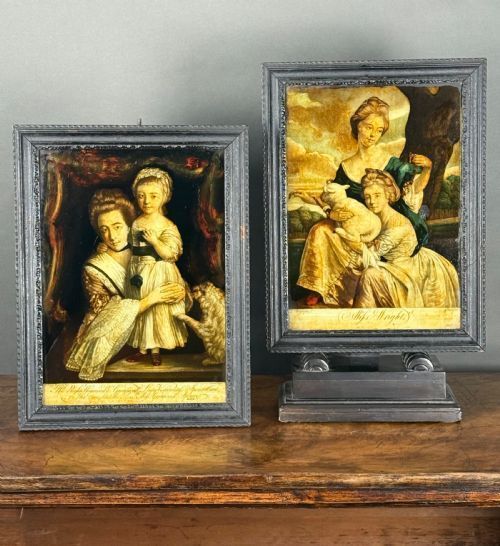
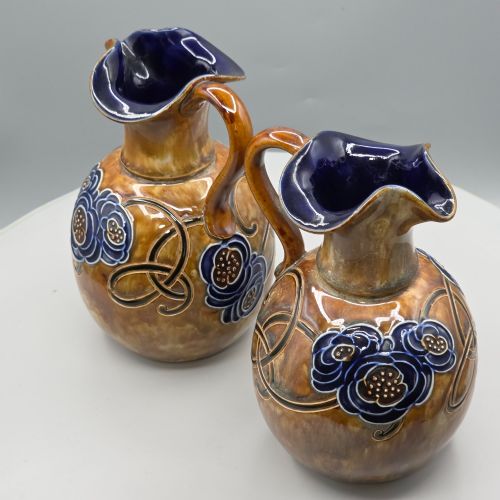
An antique fine art pair brings balance to a room, offering matching canvases, vases or chairs created as a single harmonious concept.
Antique Fine Art Pair
When searching for an antique fine art pair, buyers encounter matched sets designed to complement one another on opposite walls, mantels or within a shared space. These coordinated groupings reflect a deliberate artistic choice by the maker rather than a later assembly of unrelated items.
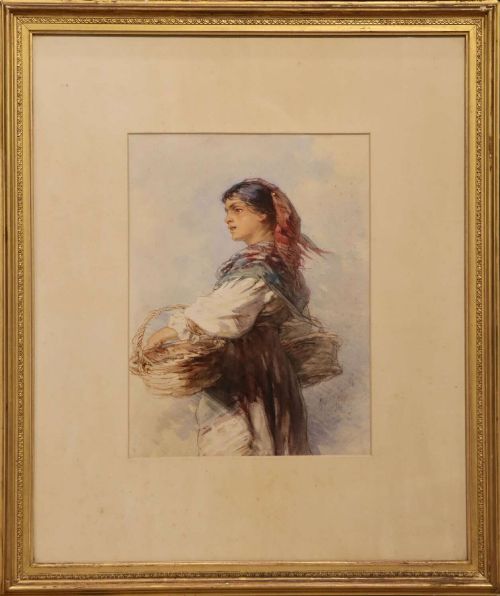
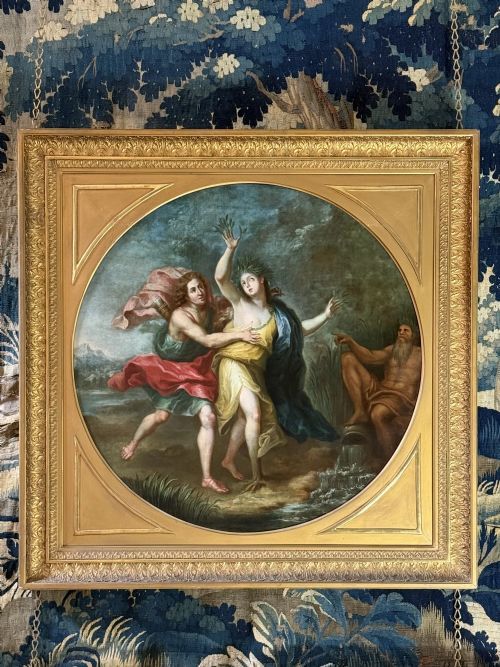
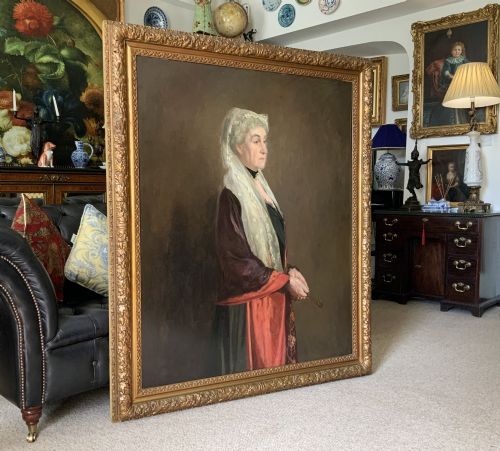
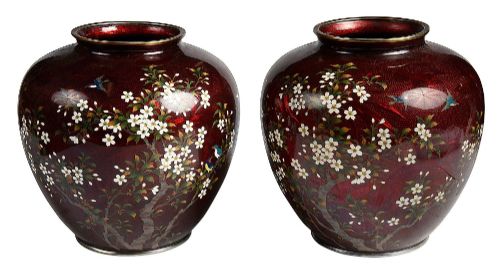
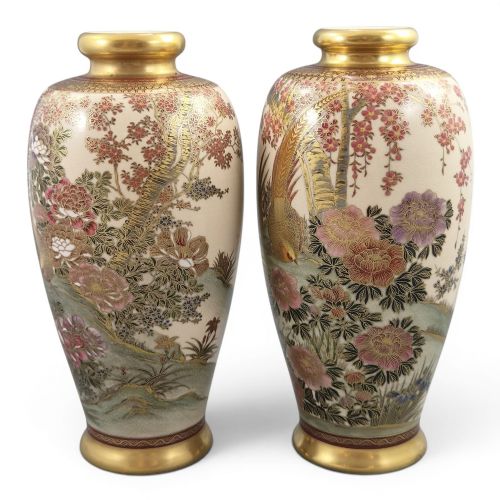
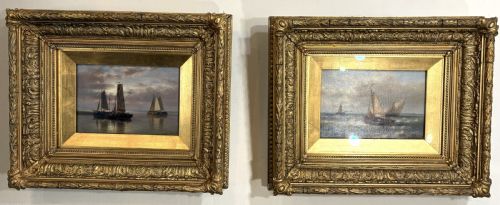
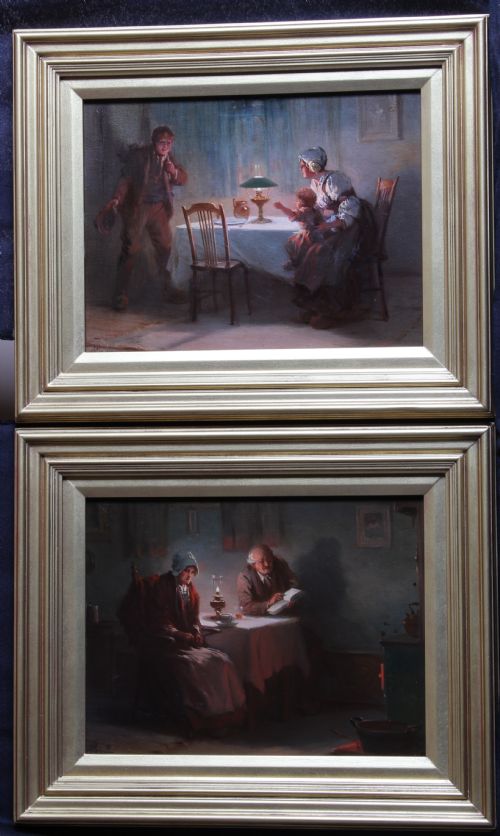
The selections range widely across periods and mediums, stretching from eighteenth-century oil portraits on canvas to nineteenth-century watercolours, decorative Japanese cloisonné vases and twentieth-century armchairs. Oil paintings and portrait miniatures dominate the available examples, frequently preserved in their original gilt frames.
Makers from various European and Asian traditions created these matched objects, spanning English school portraits, Dutch landscapes and Meiji period ceramics. Each matched set demonstrates a consistent palette and scale intended to be displayed together as a unified visual statement.
Materials and construction methods
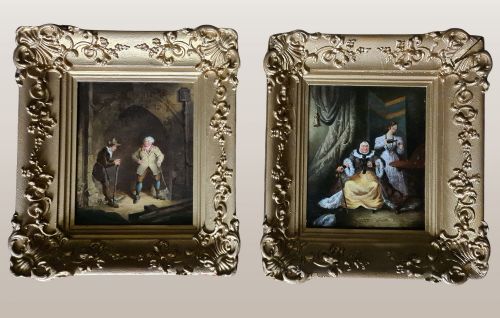
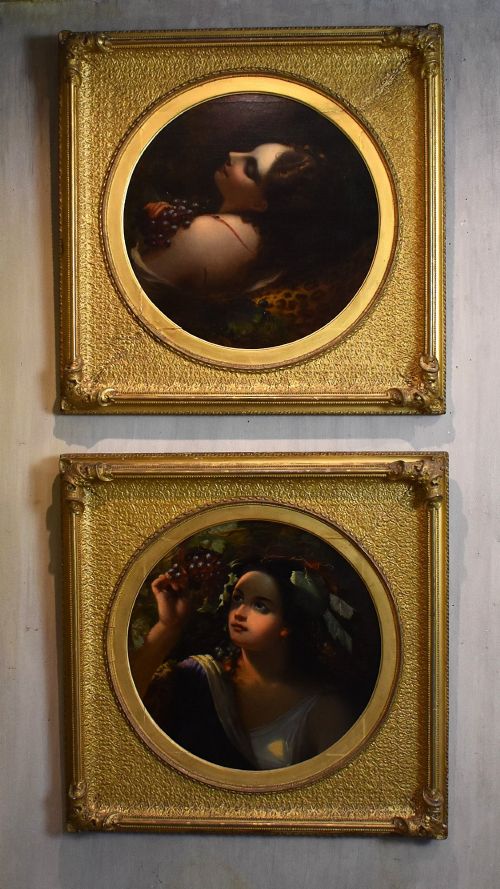
Oil paints applied to woven canvas or wood panels form the basis of the pictorial pieces, framed in carved and gilded wood or period giltwood mouldings. Artists relied on traditional pigments and oils that matured over centuries to maintain their depth and tonal balance.
Ceramic and glass works utilise specialised techniques such as cloisonne wirework on copper bodies, moulded crystal, and hand-painted porcelain glazes fired at high temperatures. Wood furniture pieces employ durable hardwoods like oak, elm and birch, shaped and finished with leather upholstery or polished surfaces.
The listings feature works spanning the 17th, 18th, 19th and 20th centuries, executed in oil, watercolour, ceramic, glass and wood.
Distinctions in craftsmanship and preservation
Superior examples display an exact symmetry in composition and brushwork across both items, ensuring neither piece overpowers the other when displayed side by side. The handling of fine details, such as facial expressions in portraits or intricate wire placement in cloisonne, dictates the standing of the work.
The integrity of original surfaces and matching frames plays a major role in establishing the standing of a set. Pieces that retain their untouched period frames and undamaged finishes demonstrate greater authenticity and surviving artistic intent.
Guido Bach·Charles Antoine Coypel·James Sharples·Royal Doulton·Abraham Hulk I·Pieter Cornelis Dommersen·Otto Prutscher·Francois Boucher·Nicolaes Maes
The Antique Fine Art Pair Glossary
- Cloisonné
- A decorative metalwork technique where thin metal wires are soldered onto a base to form compartments filled with enamel paste.
- Giltwood
- Wood that has been coated with a thin layer of gold leaf or metallic powder for a decorative finish.
- Portrait Miniature
- A small, highly detailed painting, usually executed on vellum, card or ivory, capturing the likeness of an individual.
- Meiji Period
- A Japanese era lasting from 1868 to 1912 noted for the opening of trade and the exceptional refinement of decorative arts.
- Provenance
- The documented history and ownership lineage of an artwork or object that helps verify its authenticity.
Antique Fine Art Pair: Frequently Asked Questions
Why were these items created as sets?
Makers designed matching pairs to satisfy domestic interior fashions that favoured symmetry and balance, particularly for flanking fireplaces, doorways or large windows.
Commissioning or purchasing works in tandem ensured uniform dimensions, framing and artistic execution within a single room.
How should I display them at home?
Matched paintings or decorative objects look best when hung or placed at identical eye levels to maintain the intended visual equilibrium.
Direct sunlight should be avoided to protect sensitive oil pigments, watercolours and delicate gilt frames from fading over time.
How do I identify the period of a set?
Stylistic clues, such as the clothing in portraits, framing techniques and ceramic body types, point directly to the era of manufacture.
Signatures, stamps and artist inscriptions often found on the reverse or base provide definitive dates and workshop origins.