




Antique Fine Art Oil
When acquiring antique fine art oil works, collectors secure historical painted canvases and panels originating from the seventeenth century onward.
Antique Fine Art Oil
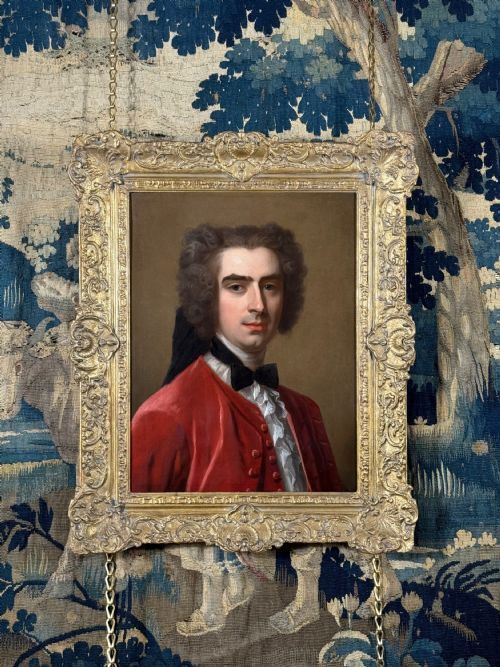
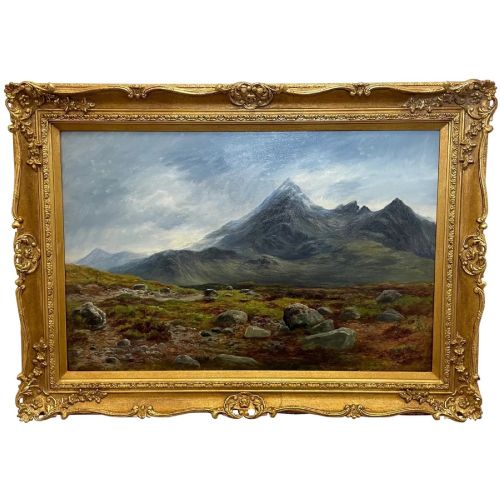
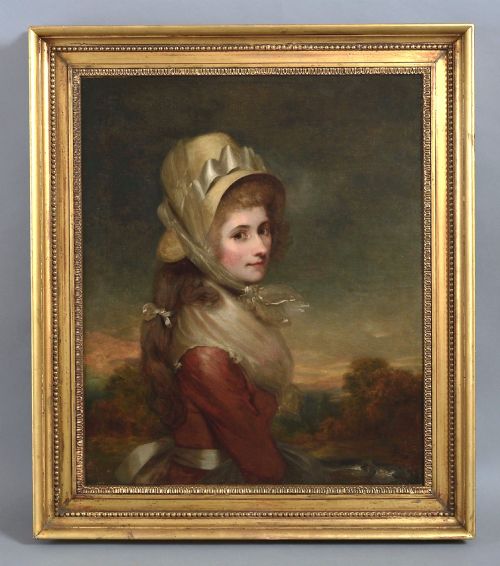
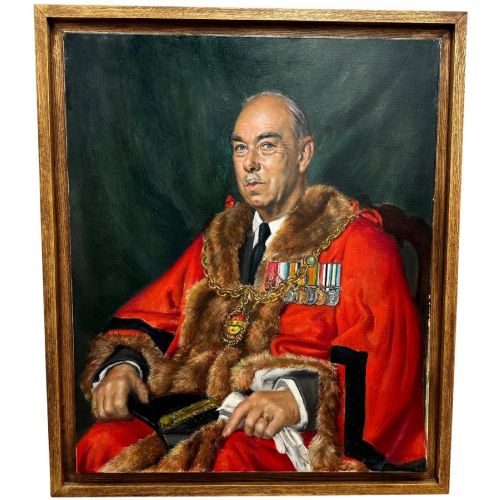
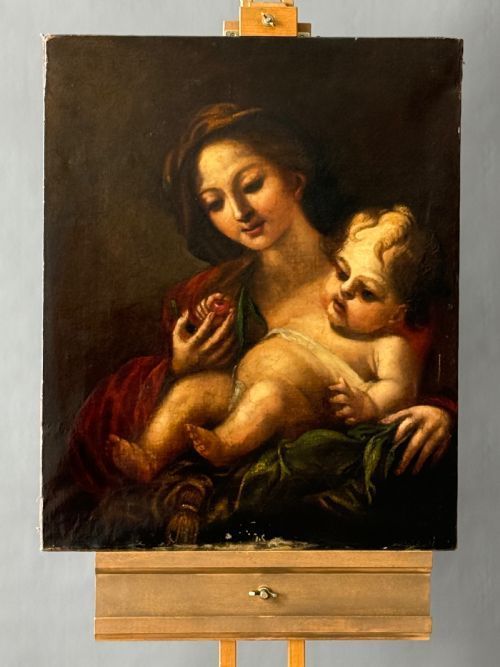
Antique fine art oil works encompass centuries of European painting tradition, ranging from seventeenth-century portraits to nineteenth-century landscapes. Buyers encounter formal portraiture, pastoral scenes, and classical compositions executed on canvas, wood panel, or board.
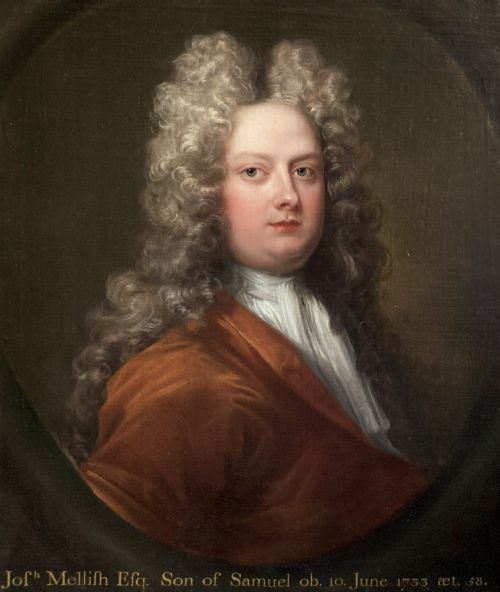
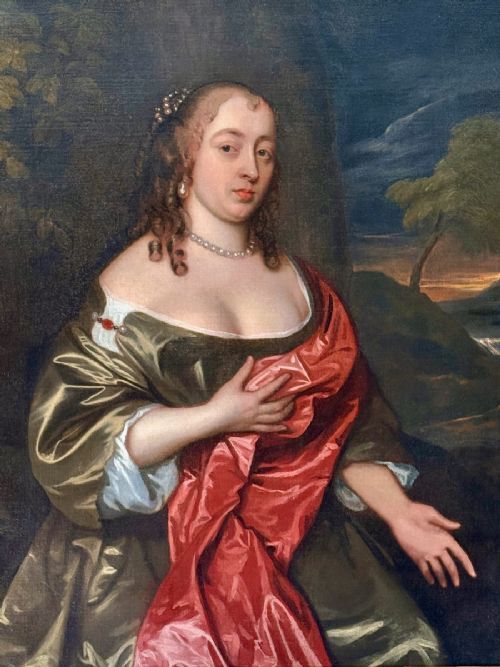
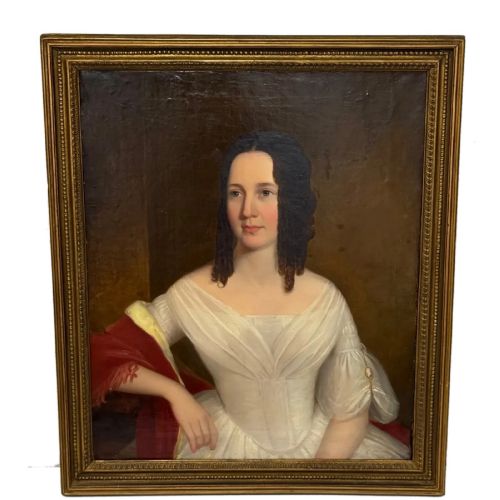
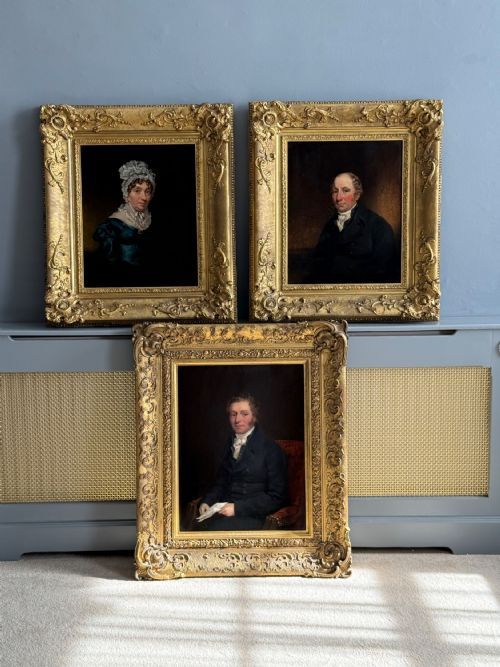
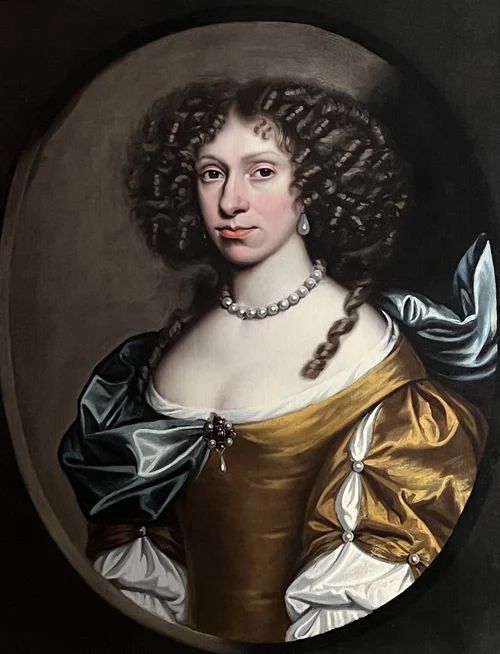
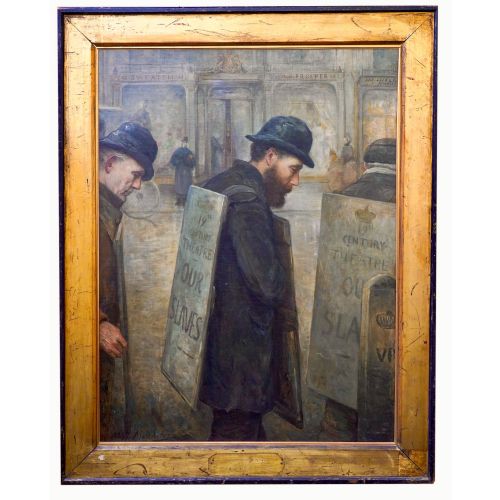
The material record spans the seventeenth, eighteenth, and nineteenth centuries, featuring British, Dutch, French, and Italian schools. Portraiture dominates the selection, alongside landscape and genre scenes depicting animals, figures, and architectural settings.
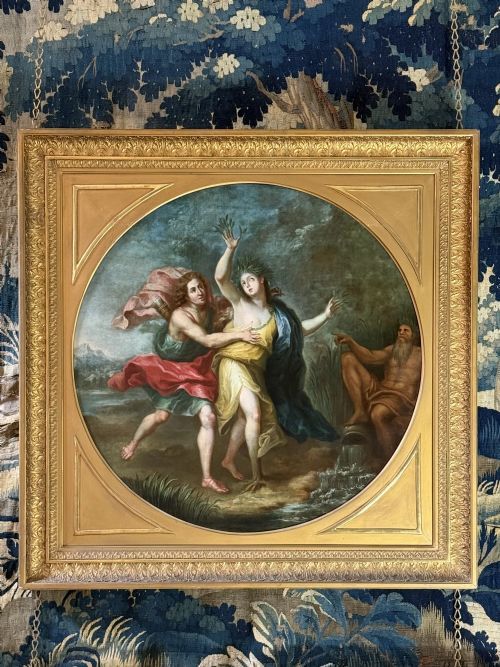
Works appear in original formats including stretchers, wood panels, and historic frames ornamented with gold leaf and giltwood. These pieces document changing aesthetic movements from Baroque and Rococo to Victorian realism and early twentieth-century impressionism.
How They Were Made
Painters applied oil paint formulated from ground pigments suspended in drying oils onto prepared surfaces of woven canvas or solid wood panels. Canvas supports required stretching over wooden frames and priming with gesso, while panels provided rigid foundations for detailed brushwork.
Framing utilised carved timber finished with gold leaf, giltwood, or silver to complement the pictorial depth of the painted surface. Historic frames frequently mirror the stylistic period of the artwork itself, ranging from ornate Baroque mouldings to simpler nineteenth-century profiles.
Several portraits preserve the intense gaze of seventeenth-century sitters who sat patiently while artists mixed oils by natural daylight.
What Varies in Quality
Execution and authorship distinguish standard decorative examples from masterworks, with attributed and signed pieces commanding greater attention. The precision of brushwork, anatomical accuracy in portraits, and atmospheric depth in landscapes reflect the capability of the artist.
Condition and originality dictate the integrity of each piece, encompassing the stability of the original canvas support and the preservation of pigment layers. Surviving historical frames matching the exact age of the painting contribute substantially to the unified character of the artwork.
Charles Jervas·John Hayls·Charles-Antoine Coypel·Eugène Verboeckhoven·Jean-Baptiste Van Loo·Joseph Clover·David Scougall·William Beattie-Brown·Sir Martin Archer Shee·Bernard Hailstone·Felix Stone Moscheles·George Graham·Sir Anthony van Dyck·Tom Campbell·John Maler Collier·Dumini Leopoldo·Frederick Marriott·George Willison·John Opie·Joshua Reynolds·Jeremiah Davison·Francois Boucher·John Horace Hooper·Robert Heinrich·Pierre Mignard
The Antique Fine Art Oil Glossary
- Oil on Canvas
- A traditional painting medium where pigment mixed with drying oil is applied to a woven fabric support stretched across a wooden frame. This technique allowed artists to create large-scale works with rich colour blending and texture.
- Giltwood
- Timber carved and coated with a thin layer of gold leaf or metallic powder to create an ornamental frame finish. It defines the decorative borders of many historic paintings from the seventeenth century onwards.
- Wood Panel
- A solid wooden board used as a rigid support for painting prior to the widespread adoption of canvas. Panels were often constructed from oak or mahogany and prepared with gesso grounds.
- Genre Painting
- Artwork depicting scenes from everyday life, ordinary people, and domestic interiors rather than formal portraits or historical narratives. These compositions provide insights into the social history of their respective eras.
- Old Master
- A term designating a European painter of skill working before about eighteen hundred. Such works demonstrate academic mastery of composition and lighting within classical or portrait traditions.
Antique Fine Art Oil: Frequently Asked Questions
What is the difference between canvas and panel paintings?
Canvas supports consist of woven fabric stretched over wooden frames, offering flexibility and suitability for larger compositions from the seventeenth century onward. Wood panels provide a rigid, smooth surface favoured in earlier periods for fine, highly detailed brushwork.
Both supports expand and contract with environmental changes, but panels are particularly sensitive to humidity fluctuations that can cause timber to split if conditions remain unregulated.
How do I identify the period of an antique frame?
Framing styles generally correspond to the era of the artwork they enclose, displaying distinct moulding profiles, carving motifs, and gilding techniques. Seventeenth and eighteenth-century frames feature elaborate hand-carved wooden ornament finished with genuine gold leaf.
Later Victorian and Edwardian examples often incorporate composition ornaments pressed onto wooden foundations. Examining the reverse of the frame often reveals historic construction methods and joinery indicative of age.
Where should I hang a historic oil painting at home?
Artworks executed in oil on canvas or panel need stable indoor environments away from direct sunlight, heating vents, and damp exterior walls. Excessive light fades pigments over time, while temperature swings cause supports to warp.
Secure hanging systems attached to wall studs are essential for heavier framed pieces, particularly large-scale portraits and monumental landscapes originating from the eighteenth and nineteenth centuries.