

Antique Figure Table Lamps
Antique figure table lamps combine sculpture and illumination, offering collectors expressive forms cast in bronze, carved in wood, or modelled in porcelain.
Antique Figure Table Lamps
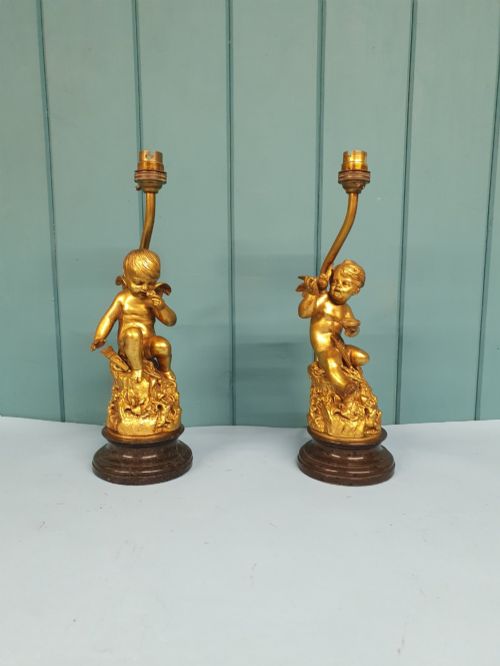
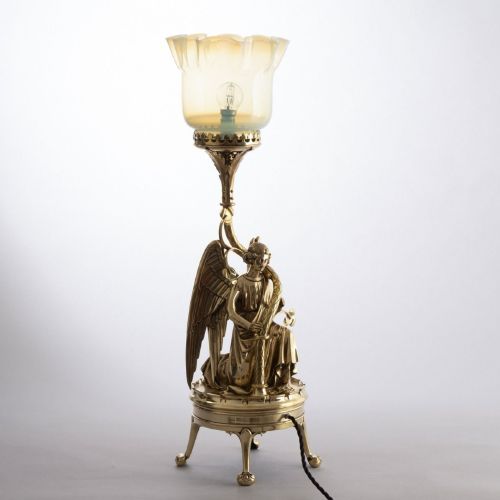
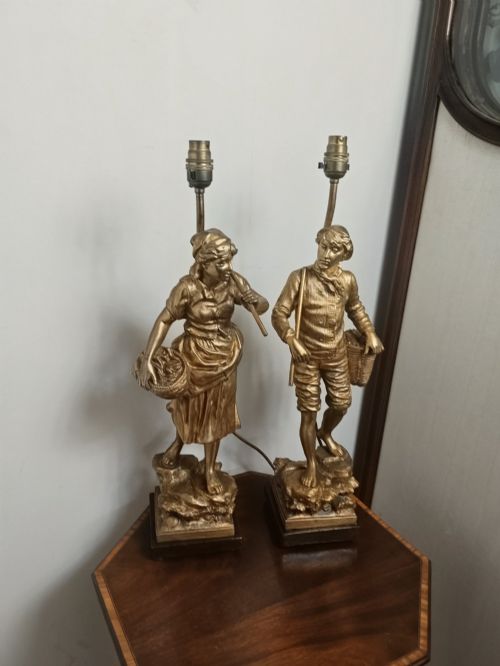
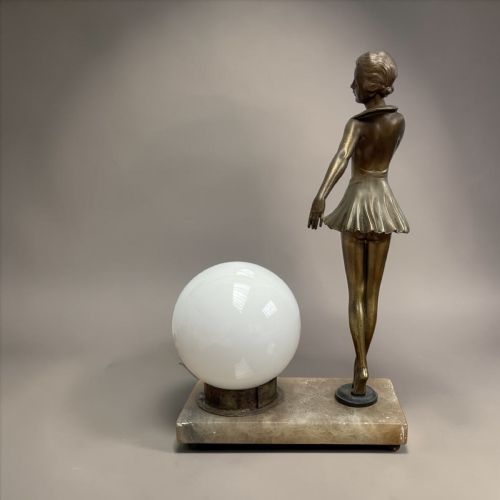
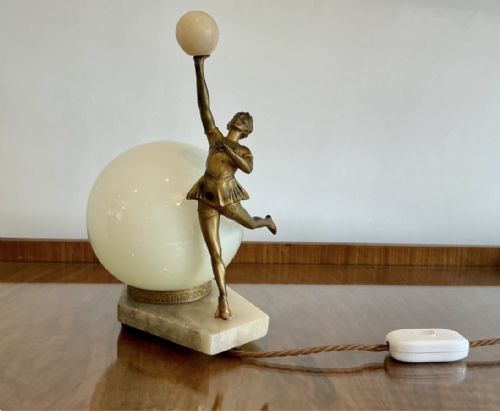
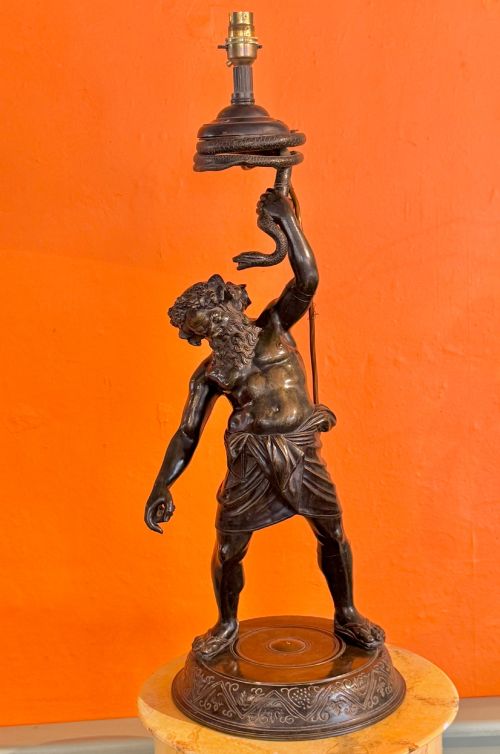
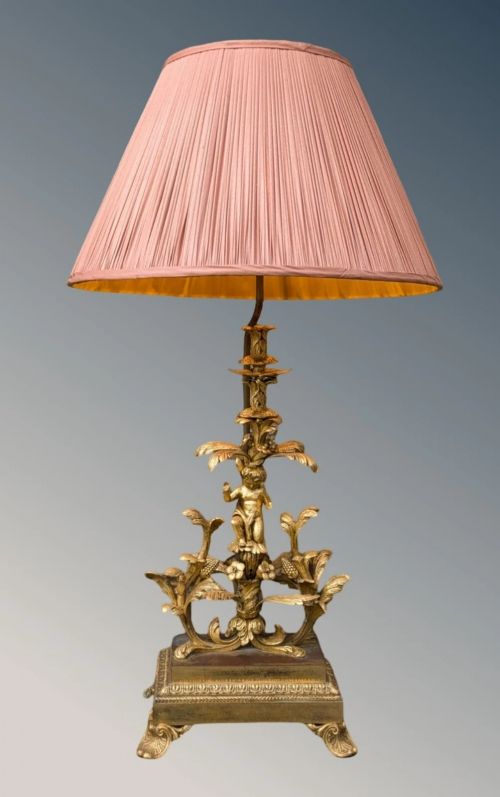
When you search for antique figure table lamps, you encounter sculptural bases depicting human figures, cherubs, angels, animals, and mythical characters. These objects often integrate figures cast in bronze or brass with classical motifs, alongside porcelain models from European factories and carved wooden subjects.
The selections span the nineteenth century through the art deco era, encompassing Victorian, Edwardian, and neo-classical tastes. Many surviving examples originate as oil lamps or bronze statuary subsequently adapted for electrical illumination.
Beyond straightforward lighting, these pieces function as decorative sculptures that reflect the stylistic preferences of periods such as the art deco movement and the late nineteenth century.
Materials and construction methods
Metal components rely on bronze casting, brass fabrication, and cold-painting techniques to achieve detailed finishes on figures and bases. Foundries utilise traditional lost-wax or sand-casting methods before applying patination or gilding.
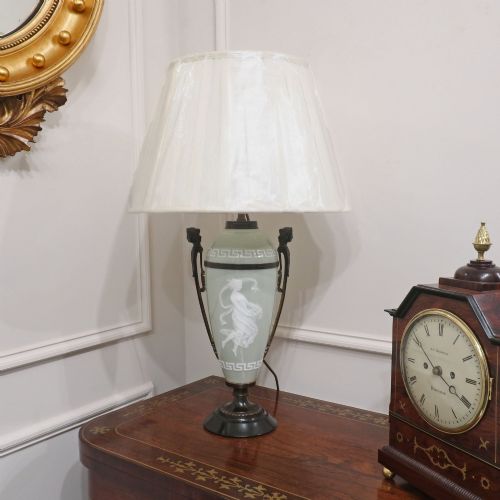
Ceramic elements involve porcelain bodies decorated with pate-sur-pate, underglaze painting, or hand-applied enamels. Stoneware and porcelain figures frequently combine with gilded mounts or glass shades.
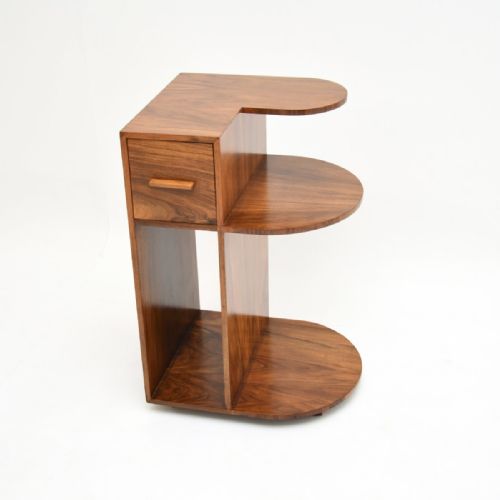
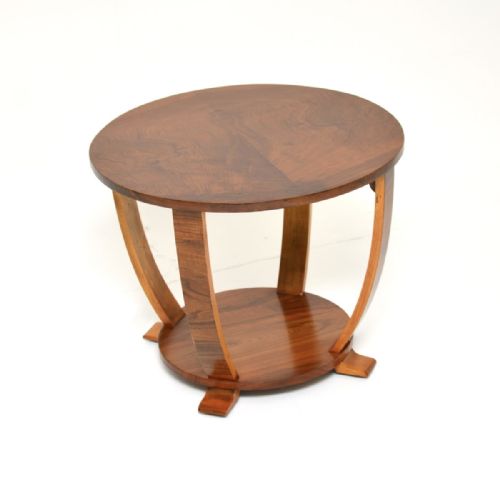
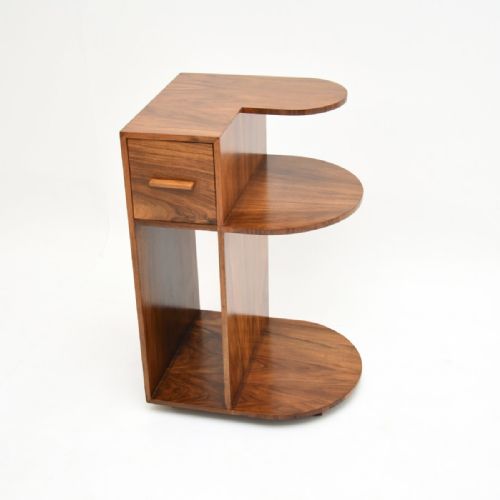
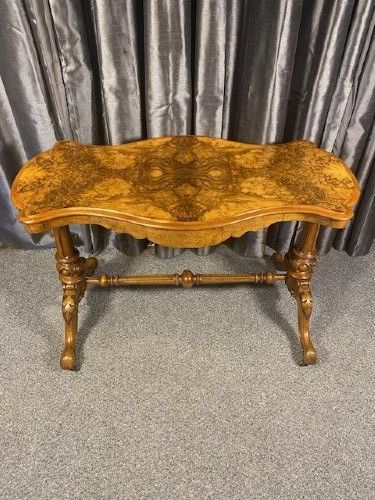
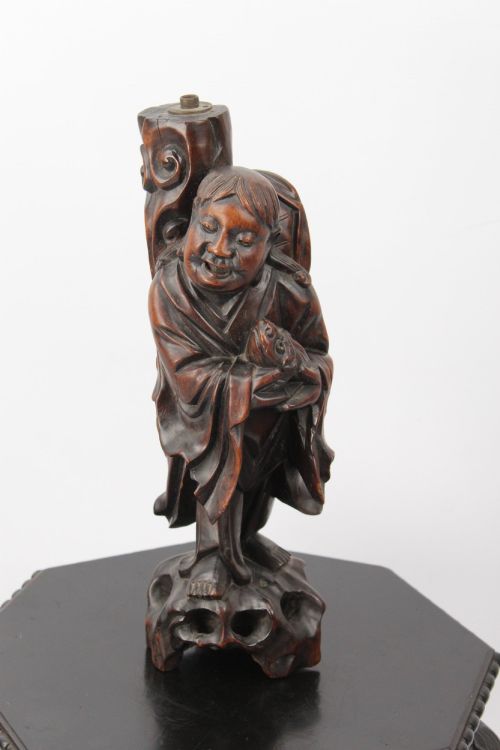
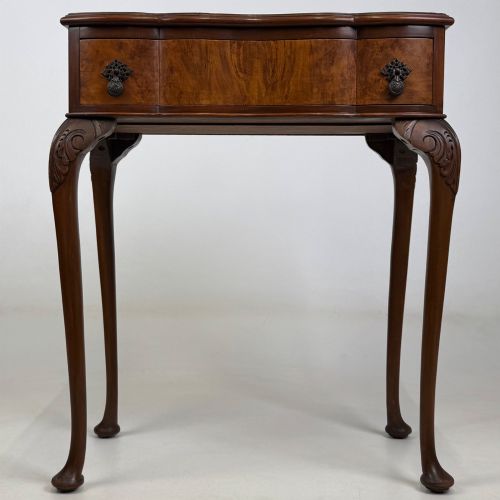
Wood elements incorporate figured walnut, mahogany, and carved root wood, often shaped into structural bases or associated lamp tables that support the figural components.
German porcelain includes an attentive Spitz dog lamp sitting quietly beside nineteenth-century mythical sirens and deities.
Judging quality in figural lighting
The integrity of the material combination dictates overall standard, observing how securely metal mounts attach to ceramic bodies or how skilfully natural grain is selected in wood components. Well-executed patination and original fire-gilding denote higher workshop standards.
Proportion and balance between the sculptural base and the lighting apparatus separate standard domestic pieces from works bearing distinct artistic attribution.
E Rousseau·G Amodio Naples·Franz Bergman·L and F Moreau·Sitzendorf·Royal Worcester·Karl Ens·Anton Buschelberger·Emile Picault·Baccarat
The Antique Figure Table Lamps Glossary
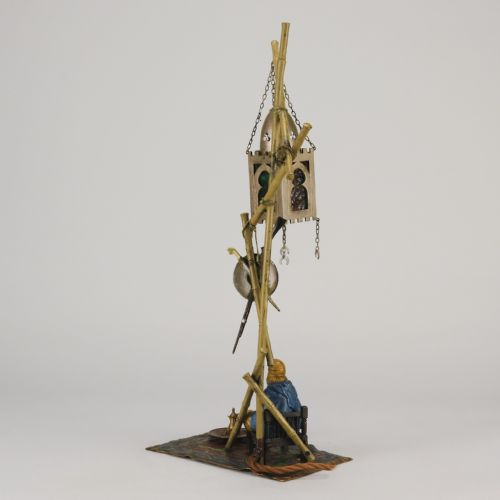
- Cold-painted bronze
- A technique where bronze sculptures are painted with oil or enamel paints after casting, rather than patinated through heat and chemicals. This method allows for vivid, multi-coloured depictions of clothing and natural details.
- Pate-sur-pate
- A ceramic decoration method where liquid porcelain clay is built up in successive layers on a contrasting body to create a low-relief cameo effect. The technique requires immense skill to achieve translucent gradations.
- Grand Tour
- A traditional trip through Europe undertaken by upper-class young men during the eighteenth and nineteenth centuries to study classical art. Souvenirs included small bronze sculptures and architectural models.
- Torch lamp
- A lighting form modelled to resemble a burning torch, often held aloft by a mythical figure or classical deity. These designs frequently incorporate rock crystal or frosted glass columns.
- Vaseline glass
- A type of glass coloured with uranium oxide that glows a distinctive fluorescent yellow-green under ultraviolet light. It is commonly found in Victorian lamps and decorative accessories.
Antique Figure Table Lamps: Frequently Asked Questions
Are these lamps converted from oil lamps?
Many examples from the nineteenth century originally functioned as oil lamps or kerosene burners before receiving modern electrical fittings. The conversion process typically preserves the original ceramic reservoirs or metal fonts.
Collectors encounter both period adaptations and contemporary wiring updates designed to meet modern safety standards while retaining the original sculptural base.
How do I identify art deco pieces?
Art deco items from the 1920s and 1930s display stylised human forms, geometric motifs, and sleek metallic finishes. Figures of dancers and ladies often feature alongside materials like figured walnut and frosted glass.
These designs move away from Victorian ornamentation in favour of streamlined silhouettes that reflect modernist aesthetics.
What is cold-painted bronze?
Cold-painted bronze refers to sculptures painted with oil or enamel colours after the casting process. Makers do not fire the paint, meaning the surfaces require gentle care to prevent flaking.
This technique produced vibrant figures of figures in traditional dress, particularly popular in Austrian workshops during the early twentieth century.
How do I clean porcelain lamp bases?
Porcelain lamp bases require careful dusting with a soft brush and mild soapy water applied sparingly with a cloth. Avoid submerging wired components or wetting vintage felt undersides.
Preserving hand-painted enamel and gilt details means avoiding harsh chemical cleaners and abrasive cloths.