
Antique Figurative Artwork
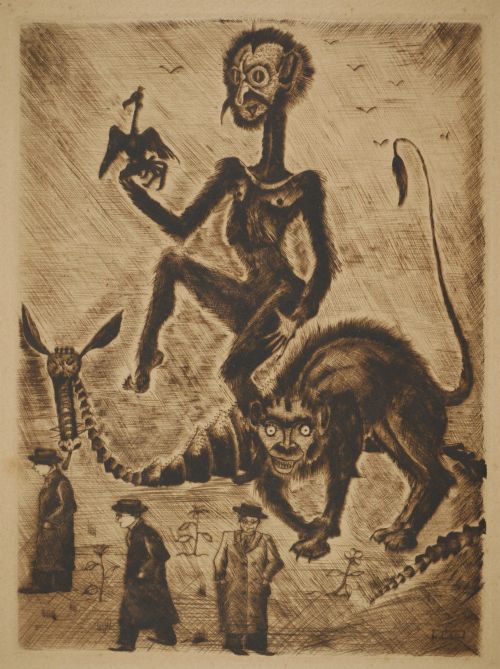
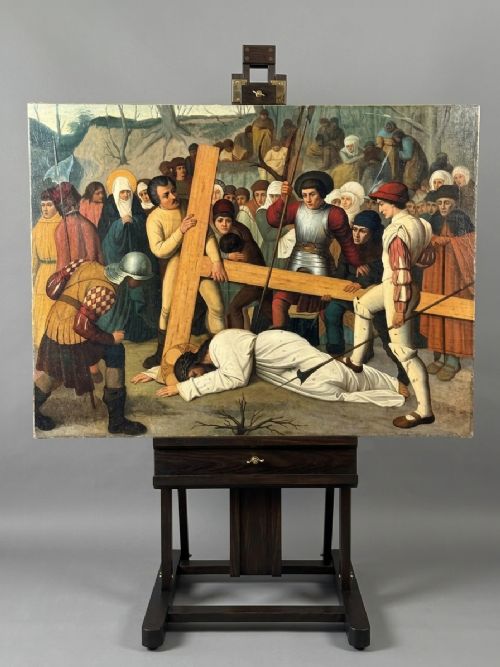
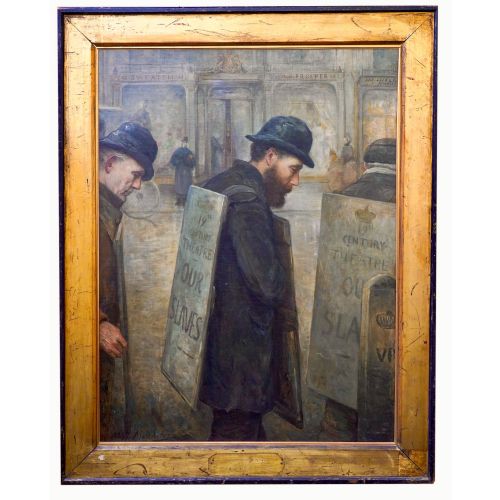
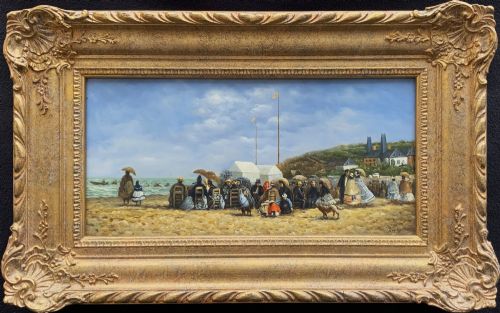
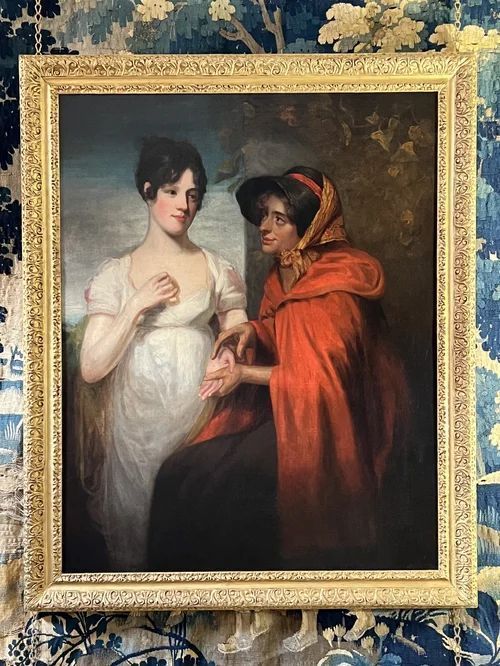
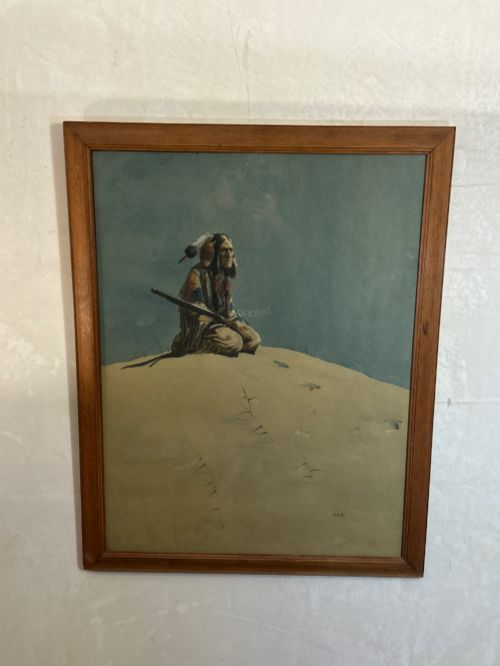
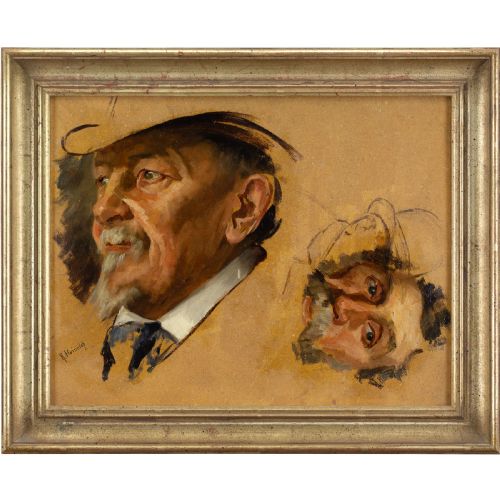
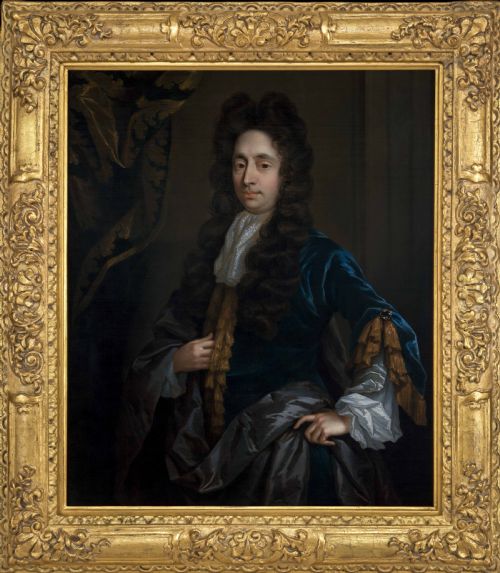
Antique figurative artwork captures the human form across centuries, offering collectors striking character studies and narrative scenes that bring deep historical presence into a room.
What antique figurative artwork is
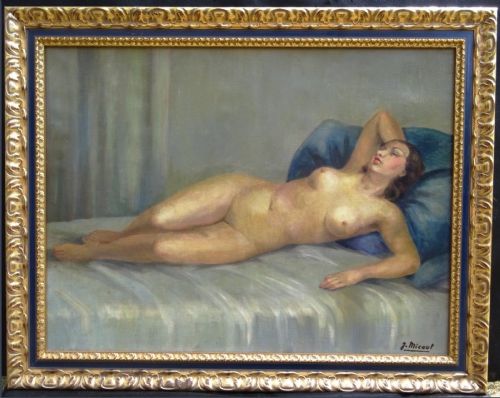
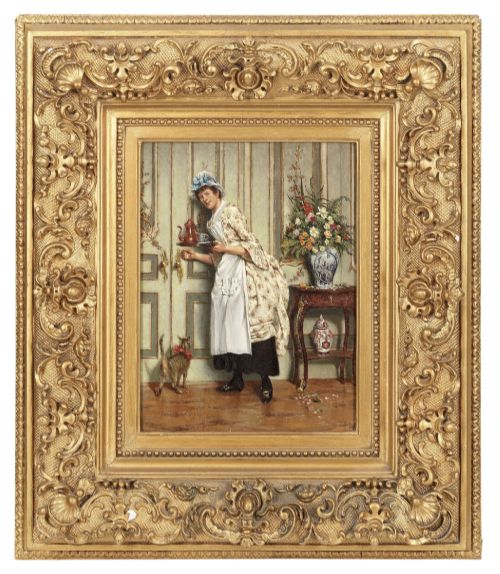
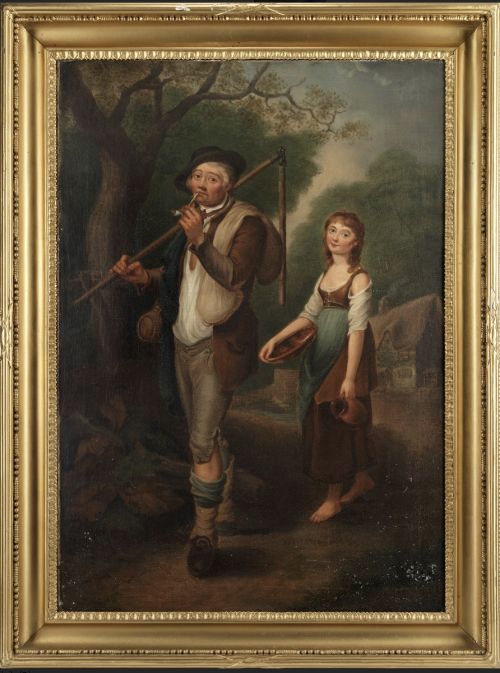
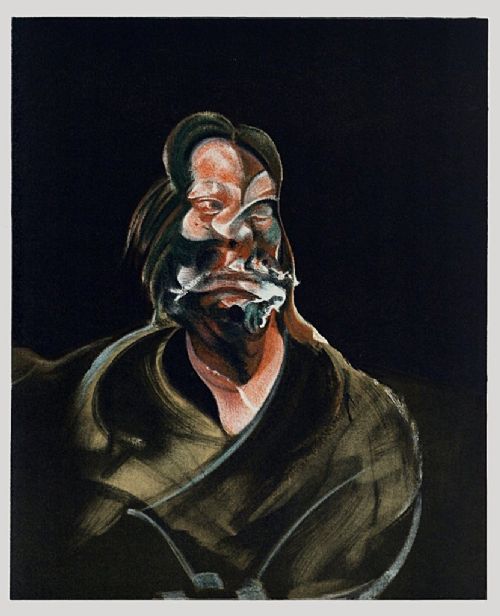
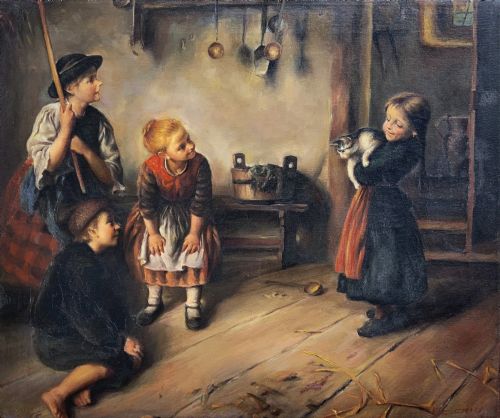
Antique figurative artwork encompasses oil paintings and portraits focusing on people, from intimate child studies to grand genre scenes. These pieces emerge primarily from the eighteenth and nineteenth centuries, alongside early twentieth-century examples.
Portraits of children and traditional genre subjects dominate the offerings, created by known painters working in oils on canvas, copper, and wood panels.
How they were made
Painters build these works using oil paint applied to prepared canvas, copper sheets, or wooden panels. Each material dictates the handling of pigment, with copper offering a luminous, smooth ground and canvas providing traditional texture.
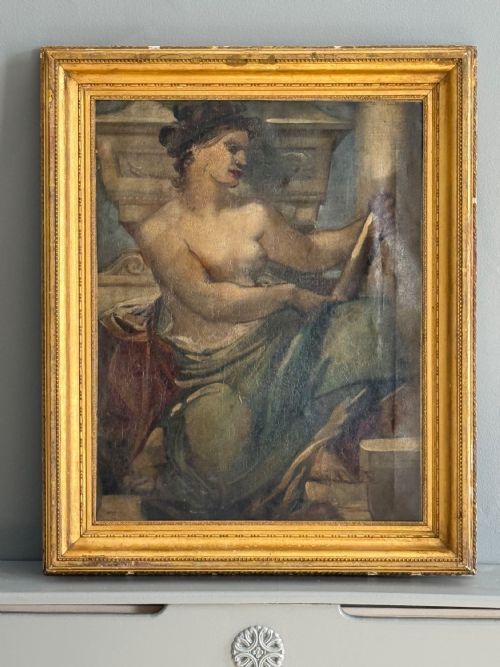
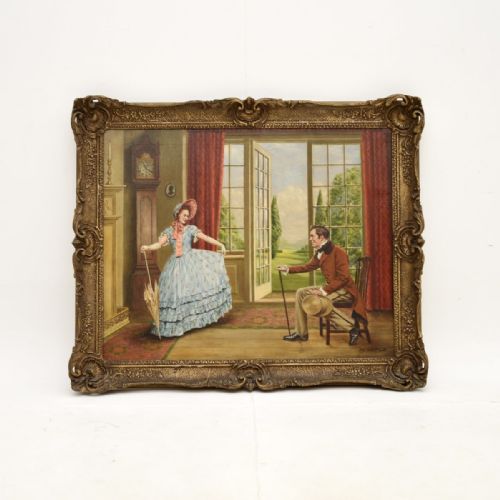
Many works retain their original giltwood and gesso frames, which utilise carved wooden ornamentation finished with metallic leaf. The construction of these frames mirrors the period of the painting they house, often featuring elaborate Rococo scrolling or classical moulding.
Retail Price Guide 2026
Typical UK retail prices for figurative artwork, calculated from the Sellingantiques database of over a million retail prices indexed since 2003. This retail price guide relies exclusively on Sellingantiques data; no external sources or auction records are used, so the figures do not describe the wider market.
Children at fairs and characters named Arthur keeping company with old boots appear among the daily cast.
What varies in quality
Execution of the human form dictates the standing of a piece, separating fluid, anatomically assured brushwork from stiff or formulaic rendering. The handling of light, shadow, and facial expression reveals the true hand of the painter.
The integrity of the physical medium matters greatly, particularly the stability of the oil paint and the condition of the support, whether canvas, wood, or copper. Original framing also elevates a piece, especially when the period giltwood and gesso remain intact and undisturbed.
C.S. Lidderdale·Fernand Jean Barbier·Andrew Young·Henry Charles Bryant
The Antique Figurative Artwork Glossary
- Genre painting
- Depictions of everyday life and ordinary people engaged in common activities. These works tell a story rather than recording a specific likeness.
- Oil on canvas
- A traditional painting technique utilising pigments suspended in drying oils applied to stretched woven fabric. This combination allows for rich blending and depth of colour.
- Giltwood
- Wood that has been coated with a thin layer of gold leaf or gold paint. It provides a luminous, decorative border for traditional paintings.
- Gesso
- A plaster mix used as a smooth base on wooden frames before gilding. Master framers carve intricate details into this layer.
Frequently Asked Questions
What is a genre painting?
A genre painting shows scenes from everyday life, featuring ordinary people in familiar settings rather than formal portrait subjects or historical events.
These works provide a window into past social habits, pastimes, and domestic environments through the specific narrative captured by the artist.
How do I care for oil paintings?
Oil paintings require stable indoor environments away from direct sunlight and extreme fluctuations in humidity and temperature. This prevents the canvas, wood, or copper support from warping and protects the oil pigment from cracking.
Dusting should be done gently with a soft, dry brush, avoiding any liquid cleaners or harsh chemicals on the painted surface.
Are original frames important?
Original frames complete the historical context of antique artwork, often sharing the exact period and craftsmanship of the painting inside. Giltwood and gesso frames designed specifically for the canvas enhance the visual presentation.
Matching frames preserve the integrity of the piece and often reflect the high status of the original commission.
What periods are represented here?
The selection spans the eighteenth, nineteenth, and early twentieth centuries, capturing shifts in artistic styles from Rococo to Victorian and Edwardian aesthetics.
French Academic traditions also appear, demonstrating the diverse regional approaches to figurative painting during these eras.