



Antique Figural Table Lamp
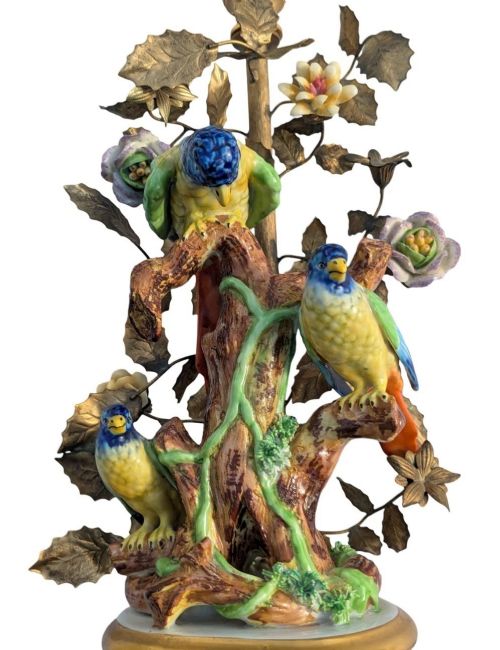
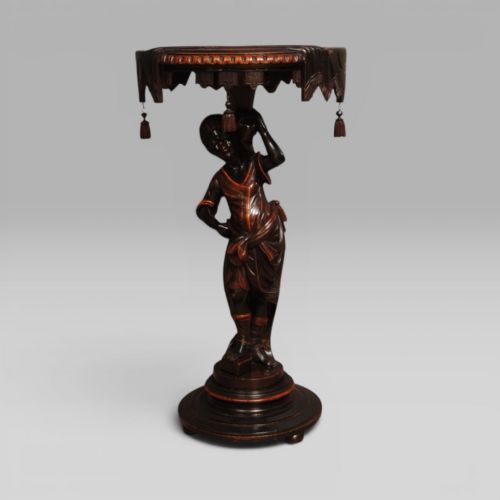
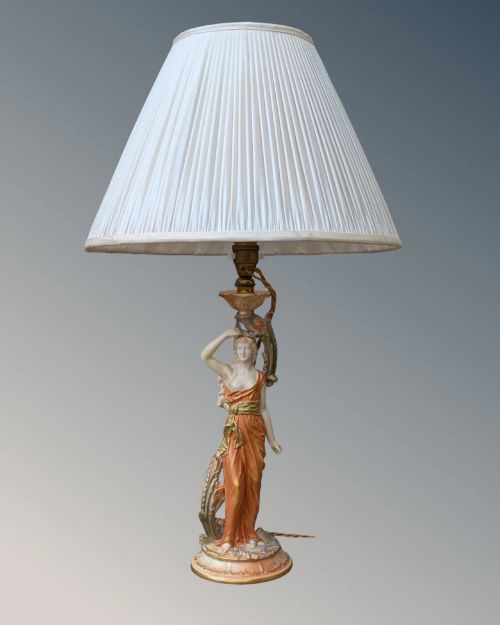
An antique figural table lamp brings character to a room, depicting human and mythical forms cast in bronze, carved in wood, or shaped in porcelain.
Antique Figural Table Lamp
An antique figural table lamp incorporates human, cherubic, or mythological figures into its primary structure, standing as both sculpture and lighting. These pieces span the Victorian, Edwardian, and Art Deco periods, drawing on French 19th Century, Art Nouveau, and Neoclassical styles.
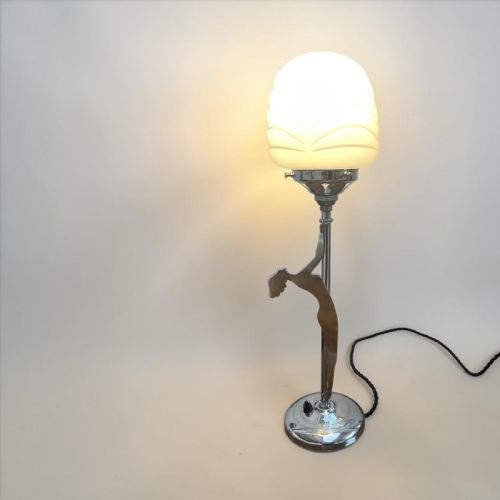
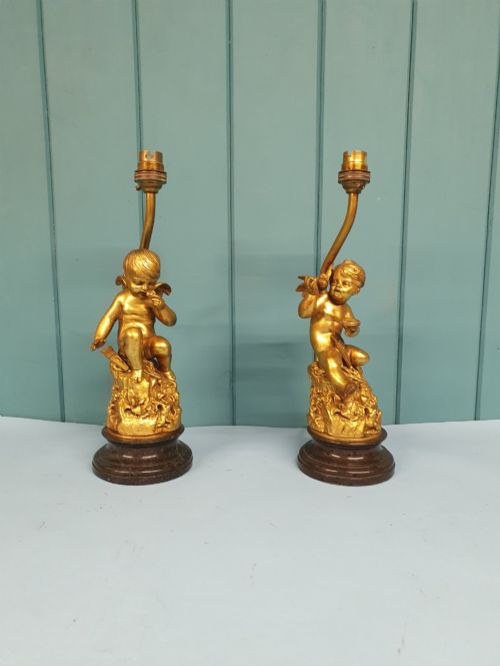
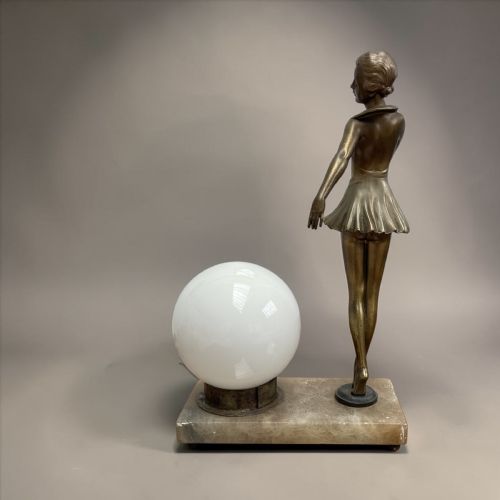
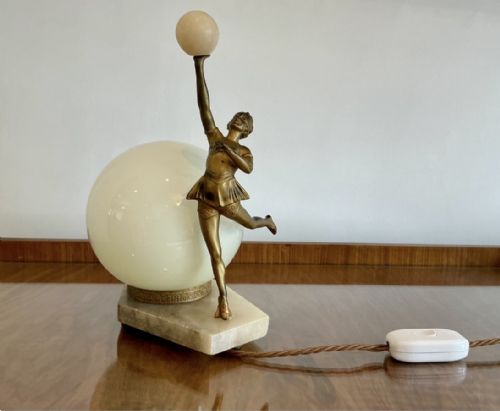
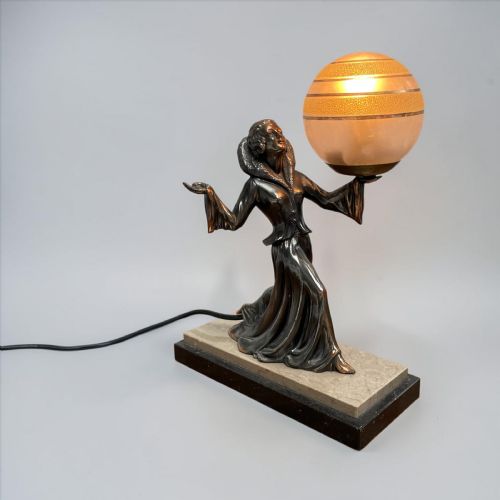
You will frequently meet variations featuring cherubs, classical heroines, and Art Deco ladies holding or supporting the lamp fittings. Materials range from cold-painted bronze and gilt brass to porcelain, marble, and carved wood.
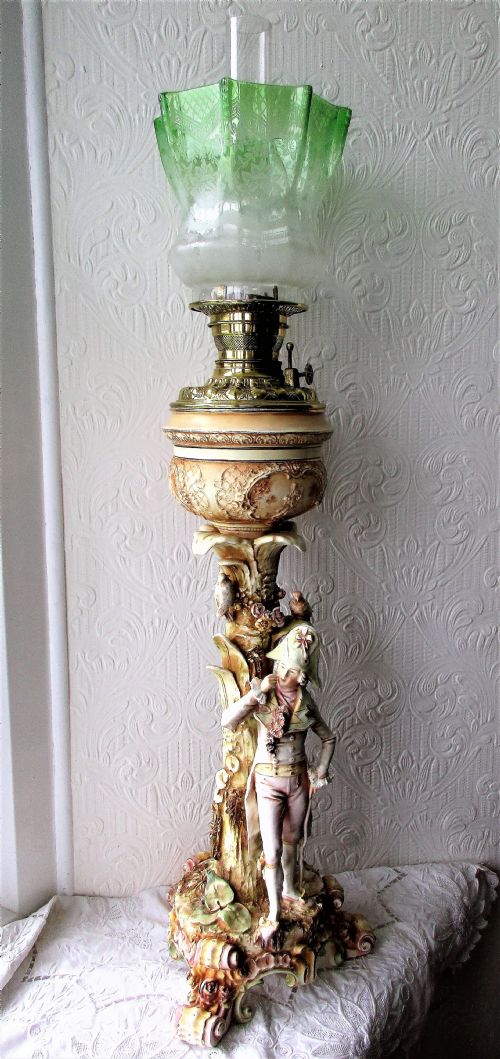
The selection includes both single examples and matched pairs, with origins spanning English, French, Italian, and Asian workshops. Many pieces began life as oil lamps or garnitures before conversion to electricity.
Materials and construction methods
Foundries produced metal figures through bronze casting, spelter work, or brass manipulation, often applying gilt finishes, cold-painting, or patination to heighten surface detail. Porcelain figures emerged from kilns in Europe and Asia, sometimes paired with gilt bronze mounts or toleware components.
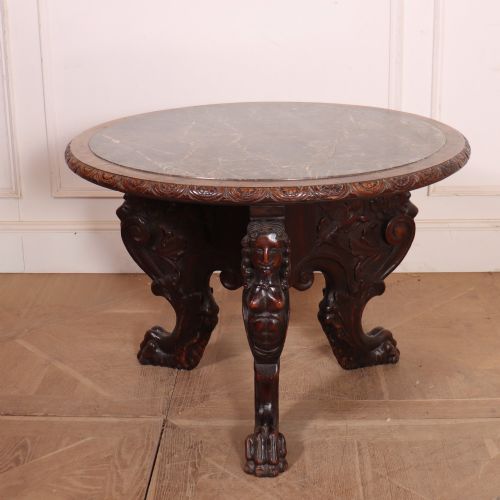
Carved wooden and root wood lamps utilised traditional joinery and hand-carving techniques, while marble and alabaster bases provided solid foundations for heavier figural compositions. Frosted glass and fabric shades completed the assembly, diffusing the light across the sculptural elements.
Antique Figural Table Lamp Retail Price Guide 2026
Typical asking prices for figural table lamp among the pieces listed under this phrase on Sellingantiques today, from the lower quarter to the upper quarter. They describe what is for sale here now, not the wider market.
Materials utilised across the inventory include bronze, brass, marble, alabaster, porcelain, frosted glass, fabric, wood, and root wood.
Separating the ordinary from the exceptional
The quality of an antique figural table lamp rests primarily on the crispness of the casting or carving in the human form. Finer examples display meticulous attention to facial expression, drapery folds, and anatomical proportion, whereas lesser pieces show softened details and simplified mass production.
The integration between the figural base and the lighting apparatus dictates the overall cohesion of the object. Superior pieces maintain a balanced composition where the electrical fittings complement rather than disrupt the sculptural integrity of the antique base.
E Rousseau·L & F Moreau·Karl Ens·Anton Buschelberger·Emile Picault·Jean-Jules Cambos·Ivan Zaiec·Ernst Seger
The Antique Figural Table Lamp Glossary
- Spelter
- A zinc alloy frequently used as a cheaper alternative to bronze in the manufacture of figural bases. It takes patination well but proves softer and more brittle than bronze.
- Torchère
- A stand or lamp modelled on a tall torch-bearer, often depicting a figure holding aloft one or more lights. These pieces frequently appear in pairs from the late nineteenth and early twentieth centuries.
- Cold-painted bronze
- A technique where bronze figures receive paint applications without subsequent firing in a kiln. This method allows for vivid polychrome details on garments and skin.
- Gilt bronze
- Bronze coated with a thin layer of gold, historically applied through mercury gilding or electroplating. It provides a lasting metallic sheen that resists tarnishing over decades.
Antique Figural Table Lamp: Frequently Asked Questions
How do I identify an Art Deco lady lamp?
Art Deco lady lamps typically feature stylized female figures with streamlined hair, flowing gowns, or geometric drapery typical of the nineteen-twenties and nineteen-thirties. They frequently incorporate materials like spelter, marble, or painted porcelain.
Look for design cues that emphasise motion, modernity, or theatricality in the pose, which distinguish these pieces from earlier Victorian or Art Nouveau examples.
Were these lamps originally electric?
Many older pieces began their existence as oil lamps, candlesticks, or decorative garnitures before being adapted for electricity at a later date. Conversion work is standard practice for lighting from the nineteenth and early twentieth centuries.
Buyers should examine the wiring pathway and interior fittings to understand how the original structure accommodates modern electrical components.
How should I clean a bronze figural lamp?
Dusting with a soft, dry cloth is usually sufficient for maintaining the surface of bronze and brass figures. Avoid using harsh chemical cleaners or abrasive polishes that can strip away the historical patination.
Preserving the original finish protects the character of the metal and maintains the integrity of cold-painted or gilt details.
Can I find matching pairs of lamps?
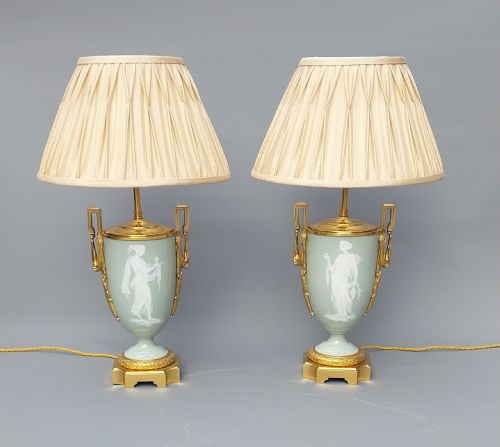
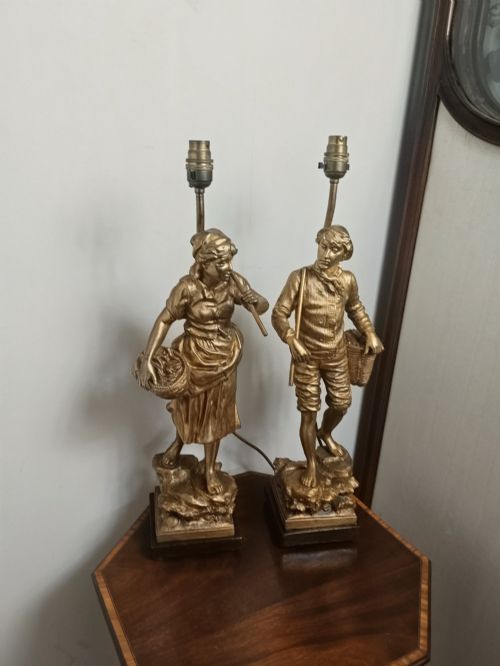
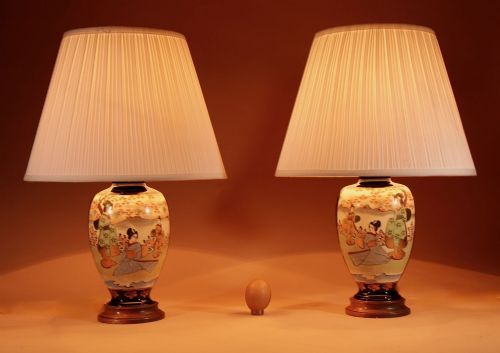
Matched pairs appear frequently in nineteenth-century and early twentieth-century inventory, particularly among cherub, torchère, and Satsuma porcelain designs. These were originally created to flank sideboards, mantels, or large pieces of furniture.
Verifying that both lamps share identical casting dimensions, patination, and mounting styles ensures a true pair rather than a later assembled matching set.