






Classical Sculpture Table Light
A classical sculpture table light brings mythology and antique patinated metalwork straight into the home.
Classical Sculpture Table Light
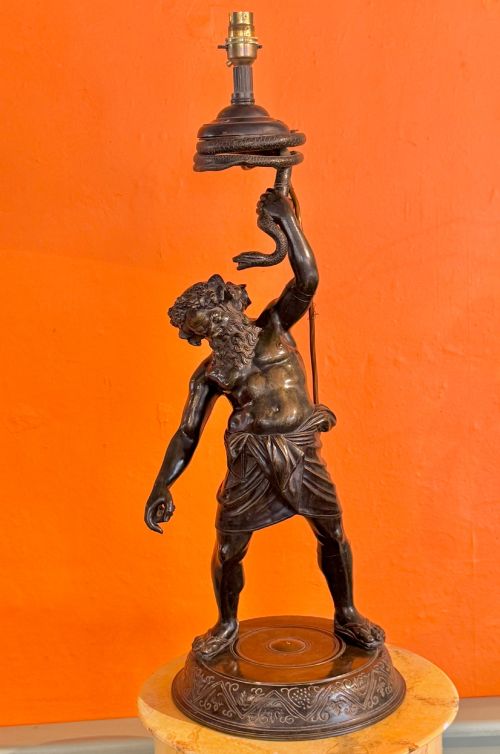
A classical sculpture table light marries figural art with functional illumination, drawing heavily on ancient mythological themes and historical figures. When searching for a classical sculpture table light, buyers encounter nineteenth-century European works that depict deities, cherubs, and heroic figures cast in metal.
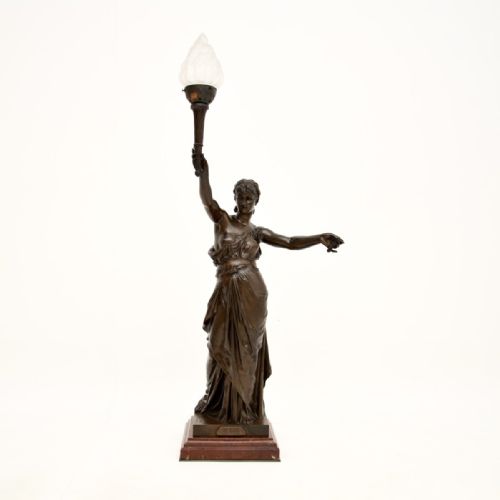
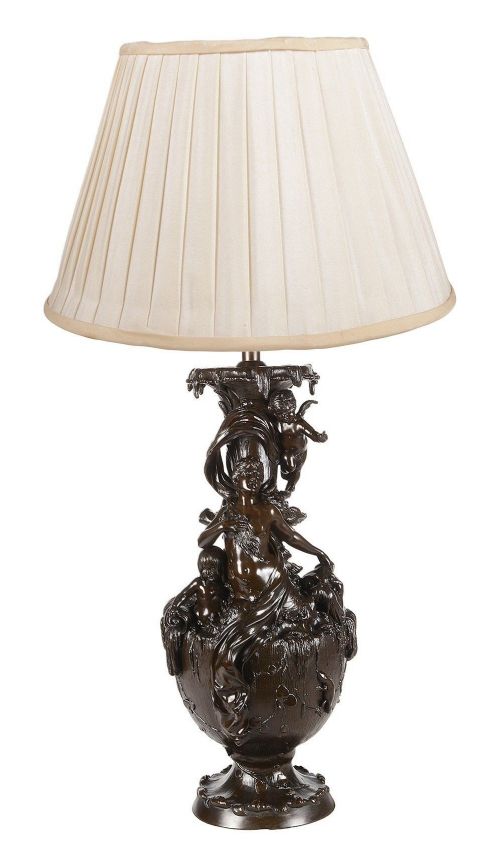
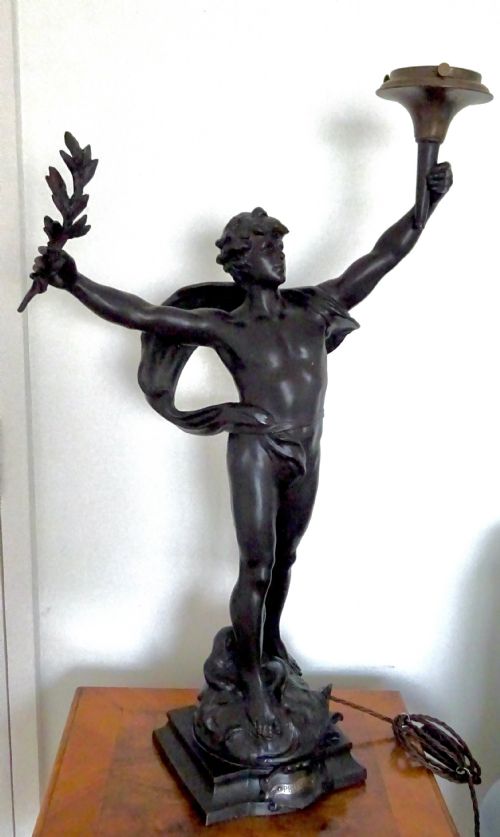
The prevalent forms on this page span French nineteenth-century and neoclassical aesthetics, often taking the shape of standing maiden statues, winged messengers, or allegorical figures. These pieces frequently incorporate classical plinths, vases, or torchere elements alongside their primary sculptural bodies.
Origins cluster around nineteenth-century French workshops and Grand Tour souvenirs from Italy, reflecting a deep historical fascination with antiquity. Makers utilised high-relief casting to render drapery, facial expressions, and symbolic objects with striking fidelity.
Materials and construction
Foundry work relied predominantly on bronze and spelter, often enhanced with ormolu highlights, silvering, or patinated finishes to create depth and contrast. Artisans mounted these heavy metal figures onto shaped marble plinths to ensure stability and visual balance.
Illumination hardware was integrated into the sculptural design, pairing cast metal figures with glass shades, frosted glass, or fabric elements. Surface finishing involved careful patination of the metal to simulate age and highlight the intricate modelling of hair, muscle, and fabric.
Listings span the nineteenth century into the Edwardian era, featuring bronze, spelter, marble, and frosted glass in neoclassical and art nouveau styles.
Distinctions in quality
The integrity of the material division also marks the better pieces, such as genuine bronze versus spelter, alongside the quality of the supporting marble plinth and the retention of signed foundry or artist details.
G. Amodio Naples·Emile Picault·Jean-Jules Cambos·H. Moreau·Henri Honore Ple·Auguste Moreau
The Classical Sculpture Table Light Glossary
- Spelter
- A zinc alloy commonly used as a cost-effective alternative to bronze in nineteenth-century figural casting. It accepts patination well but is softer than bronze.
- Ormolu
- Gilded bronze produced by applying a mercury-gold amalgam to base metal, creating a brilliant golden finish. This technique was widely employed in French neoclassical decorative arts.
- Grand Tour
- A traditional trip through Europe undertaken by upper-class young men in the eighteenth and nineteenth centuries to study classical art. Souvenirs included small bronzes and sculptural lamps.
- Neoclassical
- An artistic movement drawing inspiration from the classical art and culture of ancient Greece and Rome. It emphasises symmetry, proportion, and heroic subject matter.
- Patination
- The chemical or natural process that alters the surface colour of metals over time. Controlled patination is applied by makers to accentuate sculptural details.
Classical Sculpture Table Light: Frequently Asked Questions
What are classical sculpture table lights?
These pieces are nineteenth-century sculptural figures adapted to hold lighting, combining mythological or allegorical subjects with functional home illumination.
They originate primarily from French and Italian workshops, using cast metal to represent deities, cherubs, and classical heroes upon stone or marble plinths.
How do I distinguish bronze from spelter?
Bronze is a heavier, harder copper alloy that takes a deep, durable patina and shows crisp casting details. Spelter is a softer zinc alloy that feels lighter and can show wear or surface flaking more readily.
Examining the underside or base often reveals the heavier weight and distinct reddish-brown metal tone characteristic of genuine bronze.
Where were these lamps placed originally?
In nineteenth-century interiors, figural lamps stood upon side tables, mantelpieces, or pedestals in parlours and studies. They served both to illuminate dark corners and to display the owner's cultural education.
The inclusion of classical figures like Apollo, Atlas, or allegorical representations of peace and fortune suited formal reception rooms.
Are the shades original?
Many nineteenth-century figural lamps have lost their original glass or fabric shades over time due to fragility and breakage. Replacement shades are common, selected to match the period style of the metal base.
Frosted glass, torchere shades, and fabric covers are chosen to complement the proportion and aesthetic of the specific sculpture.