


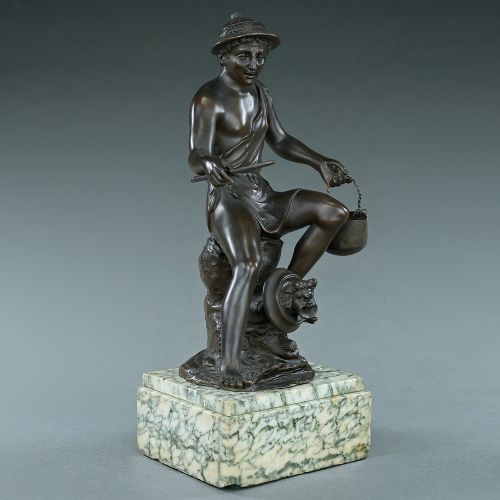
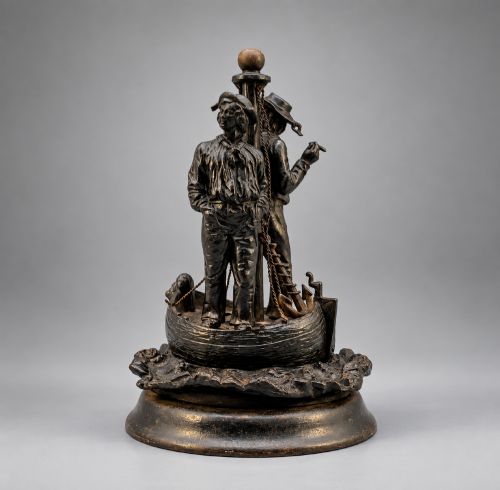
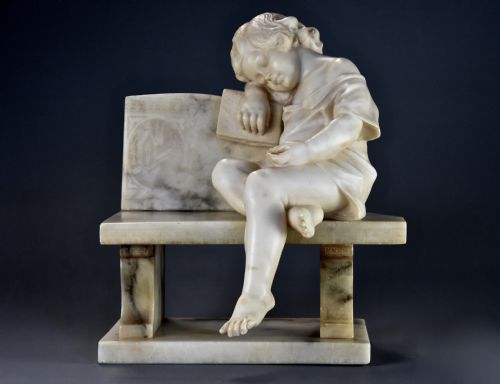
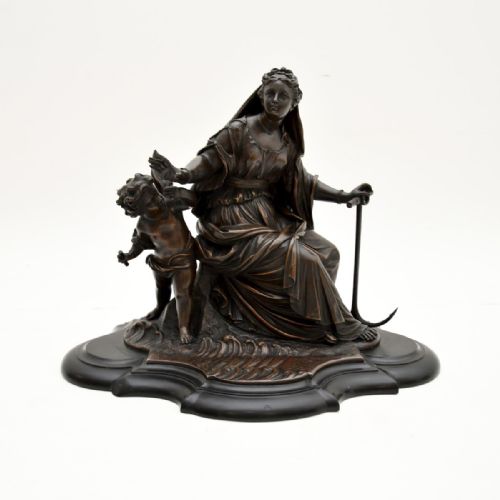
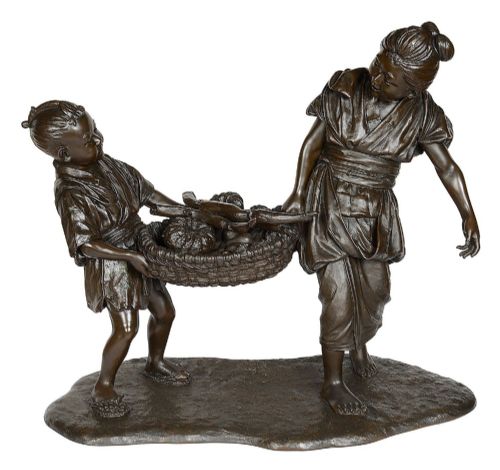
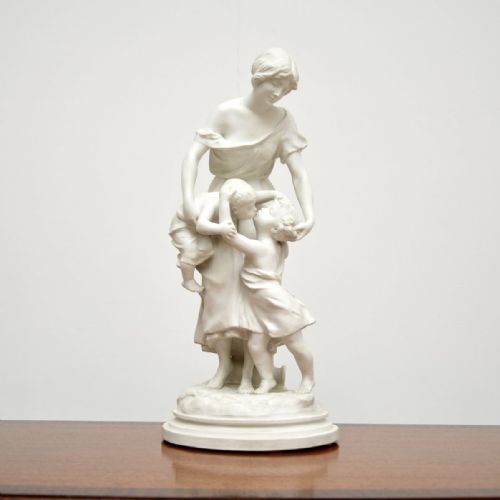
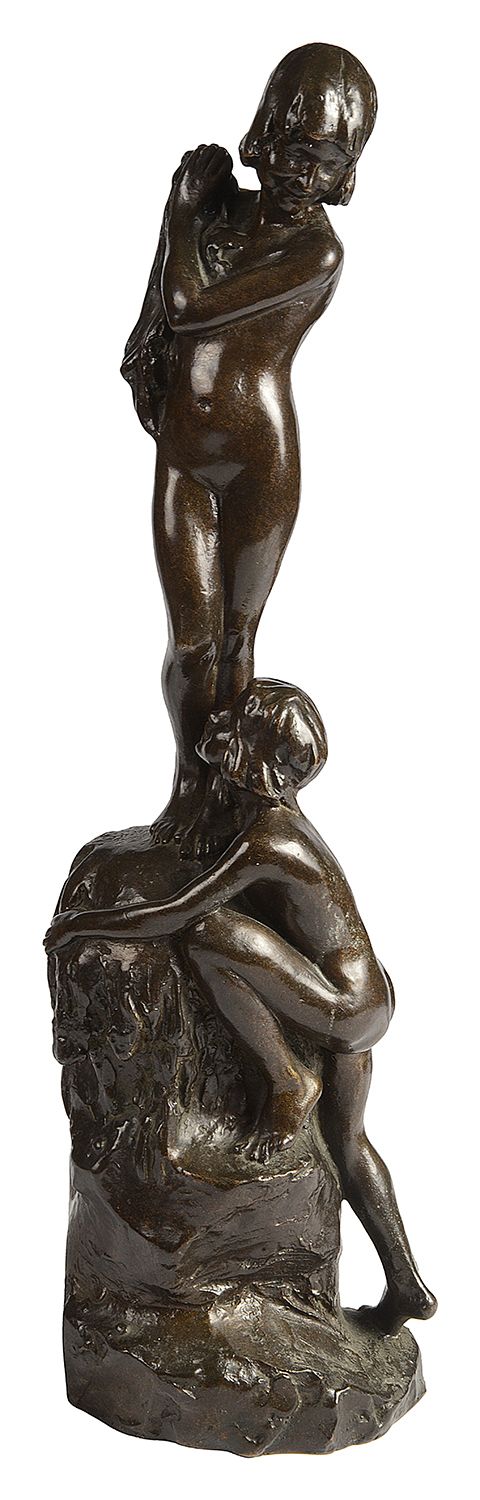
Antique Figural Statue
An antique figural statue brings sculptural presence into a room, capturing human and mythological forms in bronze, marble, and terracotta.
Antique Figural Statue
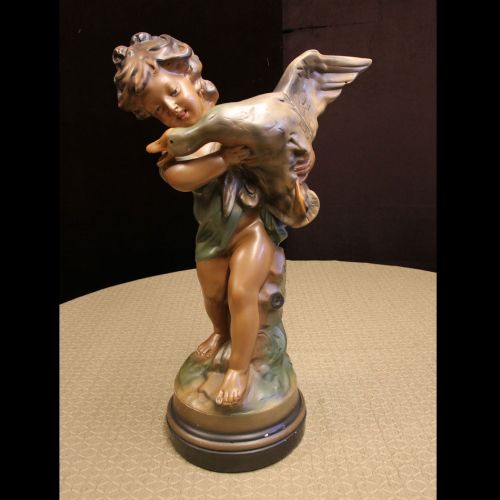
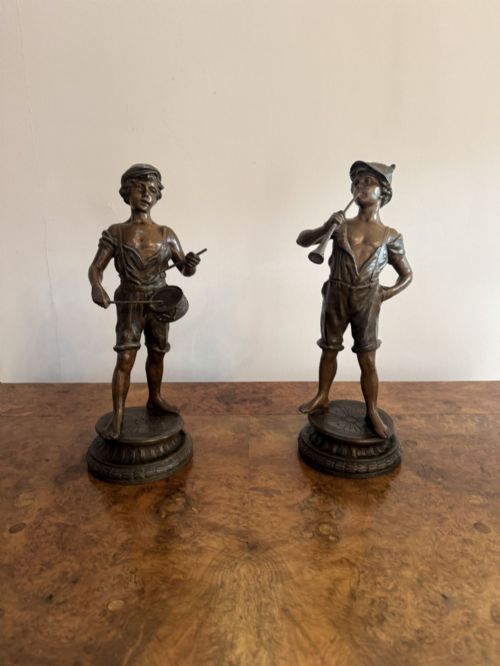
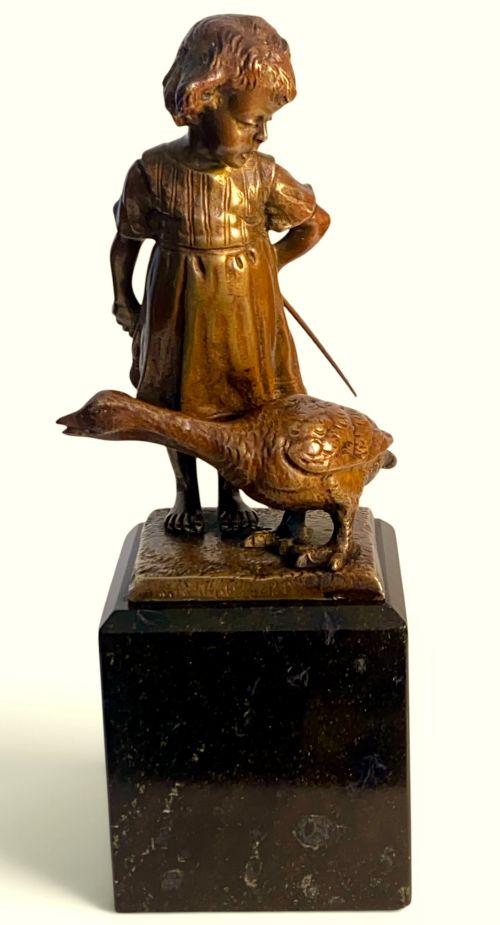
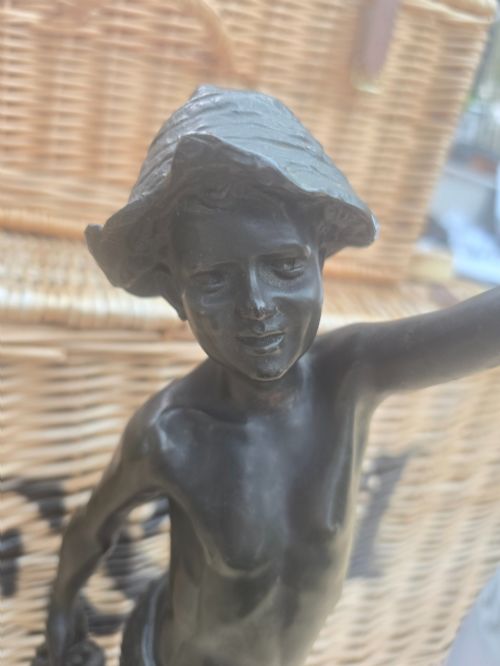
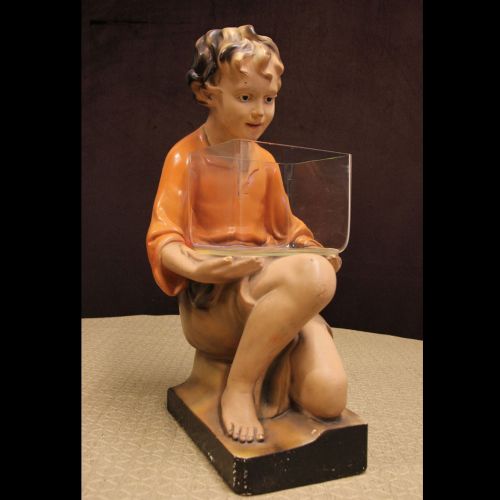
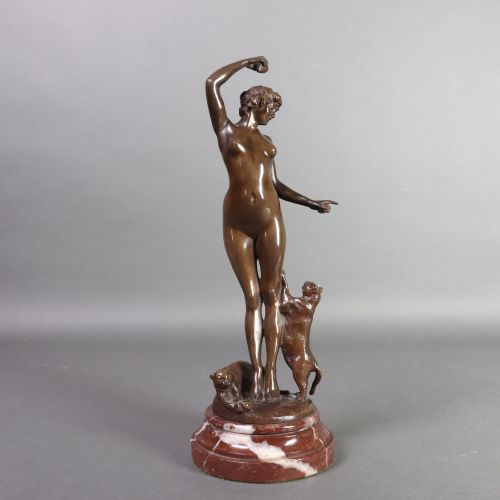
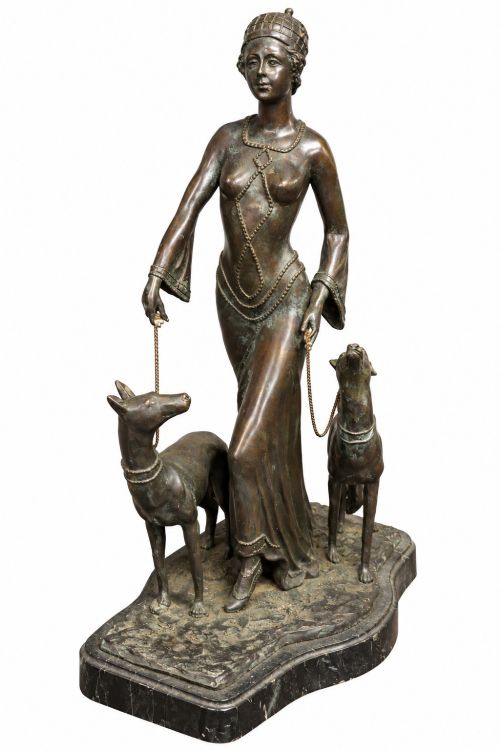
An antique figural statue encompasses a broad range of sculptural works, from classical figures and mythological subjects to genre scenes of daily life. Buyers searching for an antique figural statue encounter standalone sculptures, mantel clock figures, and integrated lamp standards.
The material palette spans cast bronze, carved marble, terracotta, and biscuit porcelain. Pieces emerge predominantly from nineteenth-century European workshops, with French casting and carving traditions heavily represented.
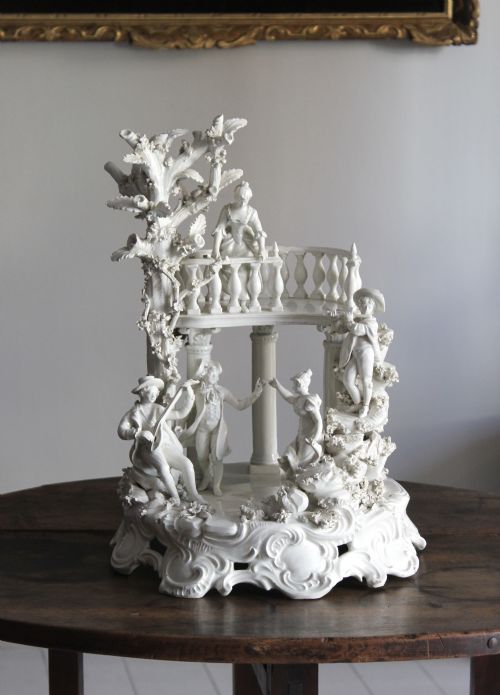
Forms vary from single allegorical figures to complex multi-figure groups. Works extend to functional decorative objects where the human figure forms the structural support of a candlestick or torchere.
How They Were Made
Metals such as bronze utilise the lost-wax casting method, allowing intricate detail in hair, drapery, and facial expression. Once cast, the surface receives chemical patination or mercury gilding to achieve varied tonal finishes.
Stone and ceramic pieces involve direct carving in marble or hand-modelling in terracotta and clay before kiln firing. Softer metals like spelter undergo similar casting processes but require cold-painted finishes for colour.
Antique Figural Statue Retail Price Guide 2026
Typical asking prices for figural statue among the pieces listed under this phrase on Sellingantiques today, from the lower quarter to the upper quarter. They describe what is for sale here now, not the wider market.
Materials represented include nephrite jade, porcelain, and silver-plated metal alongside traditional bronze and marble.
What Varies in Quality
Quality rests in the crispness of the chase work and the subtlety of the surface patina. Superior bronze castings retain fine chisel marks and naturalistic texture, whereas lower-grade pieces exhibit softened details and heavy, uniform factory patination.
Gustave Dussart·Luca Madrassi·E.A. Clapp·E Rousseau·Pierre-Augustin Caron de Beaumarchais·Goldscheider·Emile Carlier·Clodion·WMF·Jules Dalou·Carrier-Belleuse·Richard Avrilli·E. Drouot·Giambologna·Justo de Gandarias·Hector Lemaire·F. De Luca·P. Sega·Bernard Bloch·Emile Picault
The Antique Figural Statue Glossary
- Patina
- The surface coloration and sheen developed naturally over time or applied chemically by the foundry. It enhances the depth of cast metal and wood.
- Spelter
- A zinc alloy used as a less costly alternative to bronze in nineteenth-century decorative figures. It is frequently painted to imitate bronze.
- Lost-wax casting
- A metal-casting method where a wax model is melted from a mould and replaced with molten bronze. This technique permits high fidelity to the original model.
- Terracotta
- Fired unglazed clay used for sculptural models and finished figures. It ranges in colour from pale buff to deep reddish-brown.
- Ormolu
- Gilt bronze produced by applying a mixture of gold and mercury to a bronze base. The mercury is driven off by heat, leaving a bonded gold layer.
Antique Figural Statue: Frequently Asked Questions
How do I clean a bronze statue?
Dust the surface regularly with a soft, dry lint-free cloth to prevent particulate accumulation. Avoid using water, soap, or abrasive polishes, which strip the patination.
Apply a very thin coat of microcrystalline wax periodically to protect the metal from atmospheric moisture. Buff gently with a clean cloth to maintain a soft lustre.
How can I date an antique figure?
Examine the casting quality, foundry marks, and style of the base or signature. Nineteenth-century pieces frequently bear artist signatures and foundry cachets directly in the metal.
Consider the mounting hardware, screw types, and materials used in the construction. Style indicators such as Art Nouveau or Victorian revival provide a reliable chronological window.
Where should I display a heavy marble statue?
Place stone and marble figures on sturdy furniture or dedicated stone pedestals capable of supporting significant weight. Ensure the surface is level to prevent tipping.
Position the piece away from direct heat sources and strong sunlight, which can destabilize internal structures or fade surrounding materials.