

Antique Figural Lighting
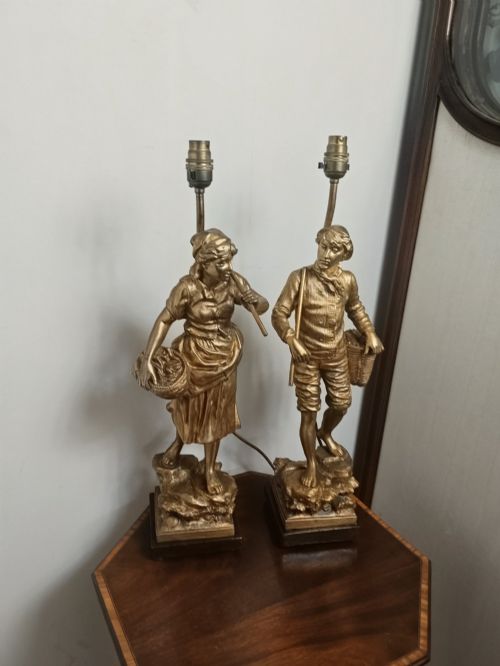
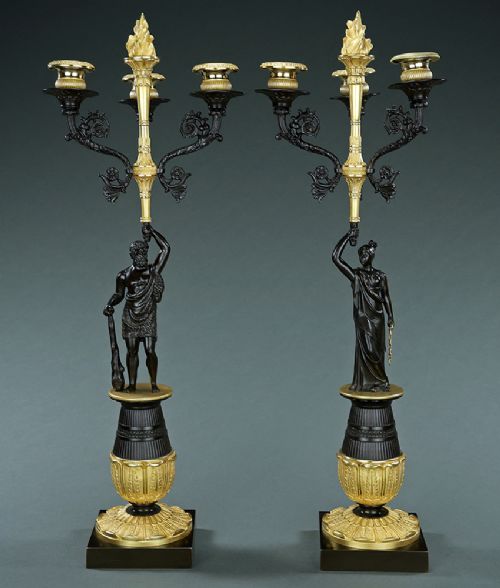
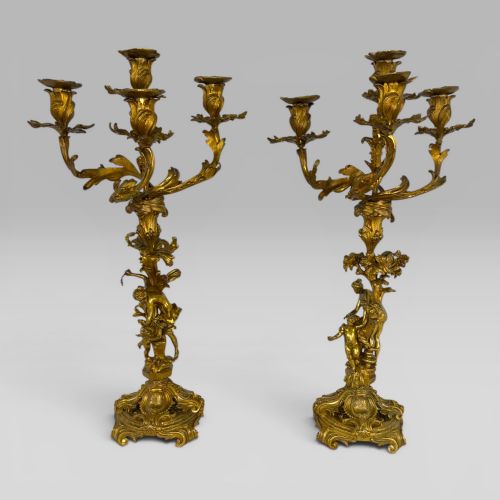
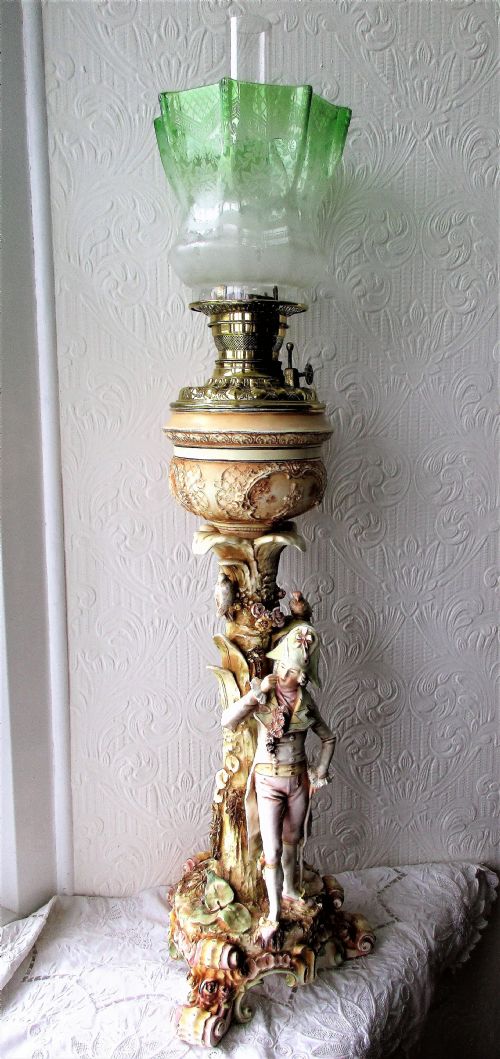
Antique figural lighting brings sculpted human, animal and mythical forms into domestic illumination through bronze, porcelain and spelter.
Antique Figural Lighting
Antique figural lighting combines functional illumination with sculptural human, animal or mythical subjects. Buyers encounter table lamps, candlesticks, candelabra, floor lamps, wall sconces and oil lamps shaped as figures. These objects span periods from the mid-nineteenth century through the Art Deco era.
Materials and construction
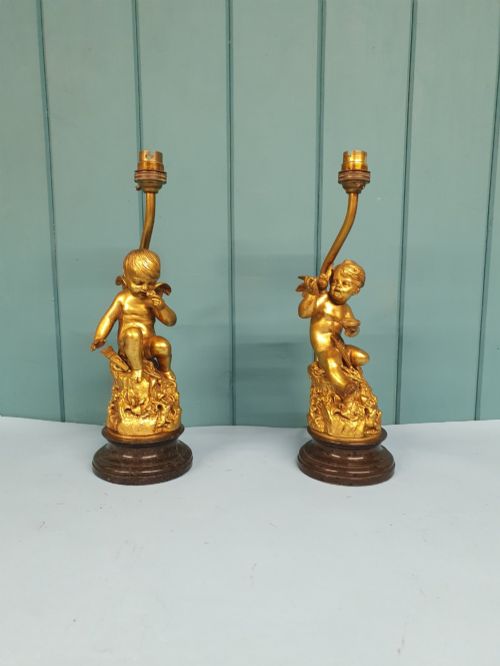
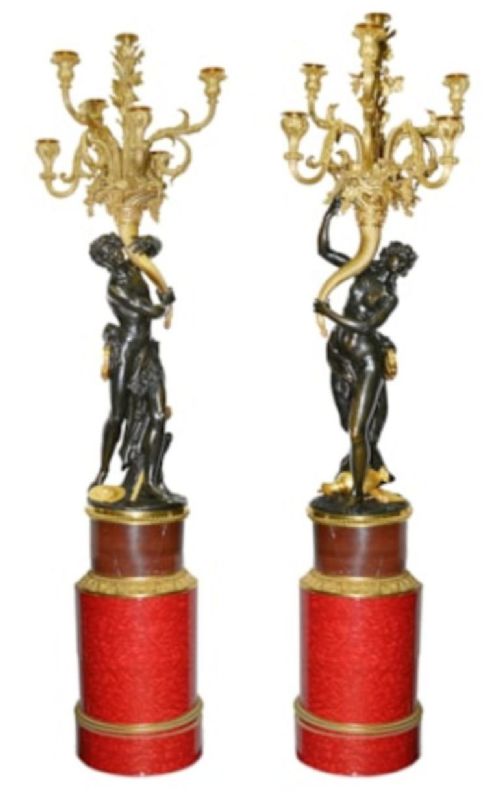
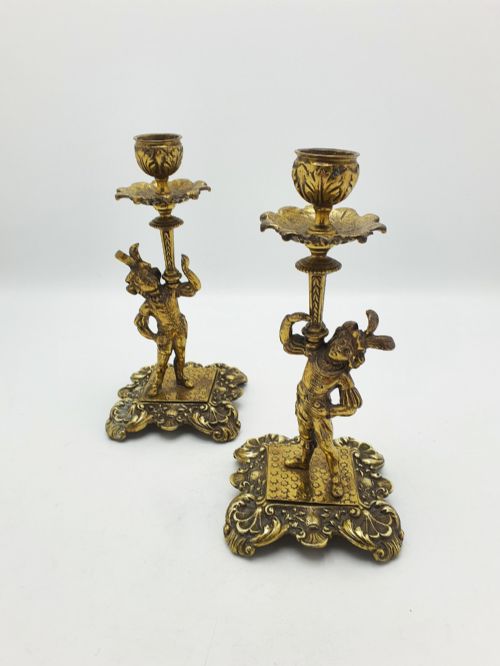
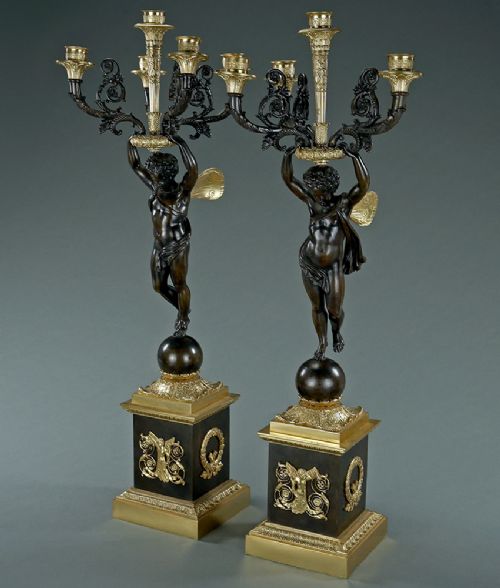
Foundry cast metals dominate the material record for these pieces. Bronze, brass, gilt bronze and spelter form the structural bodies of candelabra and figural lamp bases, often finished with cold painting or surface gilding.
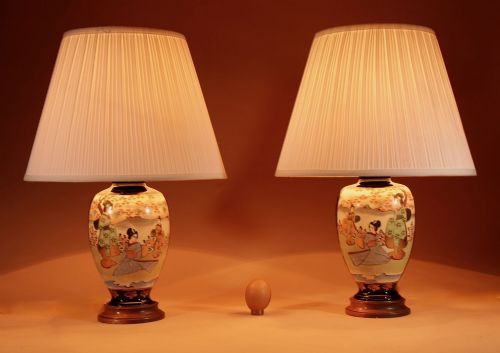
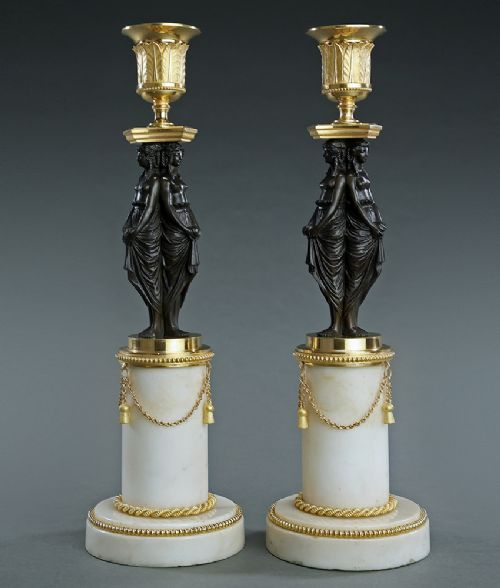
Ceramics and stone provide contrasting textures across the selection. Porcelain figures, Satsuma pottery and carved root wood integrate with metal mounts, marble plinths and onyx bases to support oil lamps and electric fittings.
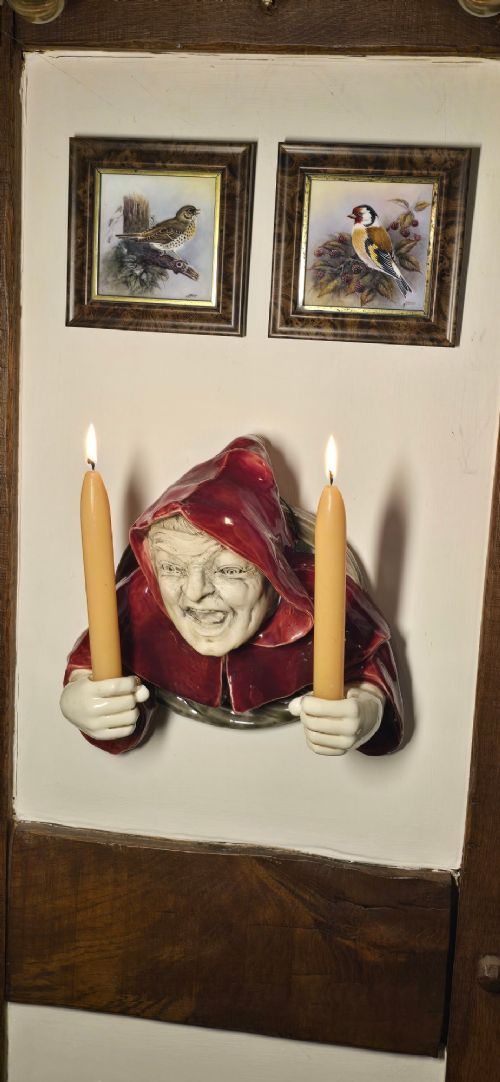
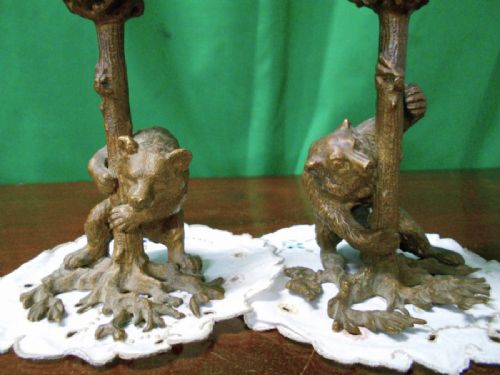
Monks, bears, cavaliers, and elephants join classical figures in holding up the lighting across these historical pieces.
Distinctions in craftsmanship
Sculptural definition separates standard domestic items from superior sculptural works. Finer examples display crisp chisel work on bronze, nuanced cold-painted details on metal figures, and high-grade porcelain bodies with hand-applied pigments.
Material integration also distinguishes the range. High-quality pieces feature secure mounting between heavy stone bases, fitted metal mounts and sculptural elements, maintaining stability and proportional balance.
E Rousseau·L & F Moreau·WMF·F De Luca·Karl Ens·Anton Buschelberger
The Antique Figural Lighting Glossary
- Candelabra
- A branched multi-light candleholder, often fitted with sculptural figures or central columns. These pieces appear in bronze, brass and gilt metal configurations.
- Spelter
- A zinc alloy used as a cost-effective alternative to bronze in nineteenth-century and early twentieth-century sculptural manufacturing. It frequently receives bronze or cold-painted surface finishes.
- Caryatid
- A sculpted female figure serving as an architectural support or pillar, frequently seen on classical revival candlesticks and torcheres. This form derives from ancient Greek architecture.
- Torchere
- A tall stand or floor lamp designed to hold a light source aloft. Examples in this category incorporate figural statues supporting torch or bowl fittings.
Antique Figural Lighting: Frequently Asked Questions
How do I wire an antique figural lamp safely?
Rewiring requires a qualified electrician to install modern flex and certified lamp holders that comply with current safety standards. This process preserves the original metal or ceramic body while ensuring domestic compliance.
Original wiring should be discarded to prevent electrical failure. Professional rewiring protects fragile antique components during installation and daily use.
What is the difference between spelter and bronze?
Bronze is an alloy of copper and tin that yields a heavy, durable sculpture with sharp cast details. Spelter is a softer zinc-based metal that feels lighter and often shows distinct casting seams beneath painted finishes.
Bronze sustains crisp chiselling after casting, whereas spelter wears down more easily. Magnification and weight help distinguish the two metals on figural bases.
How were figural oil lamps used?
Victorian oil lamps provided domestic illumination by burning whale oil or paraffin through a fabric wick submerged in a central reservoir. Figural bases incorporated the fuel container into the sculptural design.
Owners placed these lamps on side tables and mantelpieces for functional lighting before household electricity became widespread. Many survive today converted to electricity.
How do I identify Art Deco lady lamps?
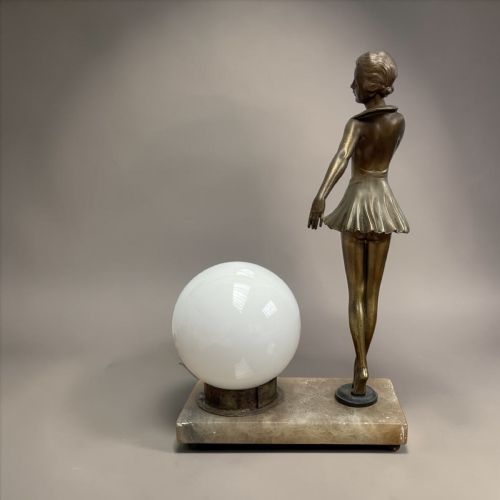
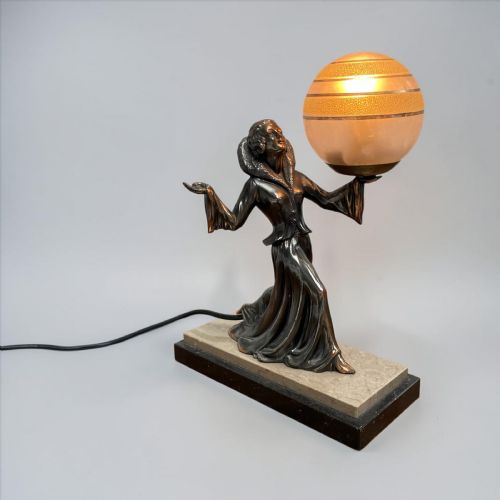
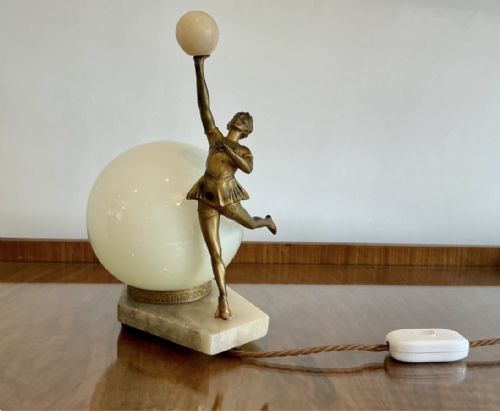
Art Deco lady lamps feature stylized female figures cast in spelter or carved from ceramic, typically dating from the 1920s and 1930s. Their geometry reflects the modernist aesthetic of the interwar period.
These pieces often incorporate glass shades or illuminated globes held by the central figure. Their forms rely on streamlined silhouettes rather than Victorian ornamentation.