



Antique Figural Container
These antique figural container pieces hold small treasures in animal and human shapes, offering charming utility for any collector.
Antique Figural Container
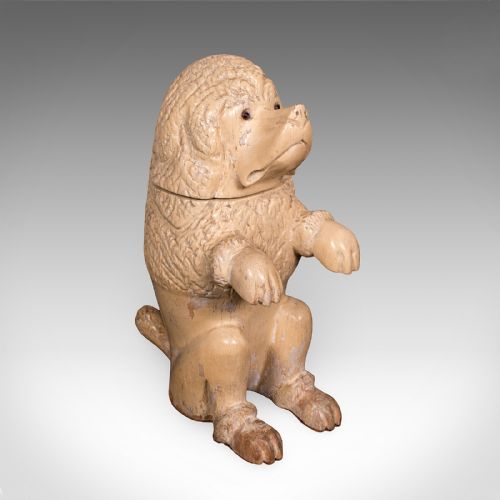
An antique figural container takes the form of animals, people, or scenes, blending sculptural art with practical storage. When you search for an antique figural container, you meet diverse objects ranging from carved wooden animals to moulded ceramic powder boxes.
The pieces on this page span the eighteenth, nineteenth, and twentieth centuries, originating from English, German, French, Chinese, and Japanese makers. Common forms include tobacco jars, trinket boxes, vesta cases, and powder boxes shaped like dogs, cats, and human figures.
Victorian, Edwardian, and Art Deco styles dominate the selection, showing how different eras interpreted functional sculpture. Whether carved from bamboo or shaped in solid silver, each antique figural container serves to conceal small everyday items inside a decorative body.
Materials and construction methods
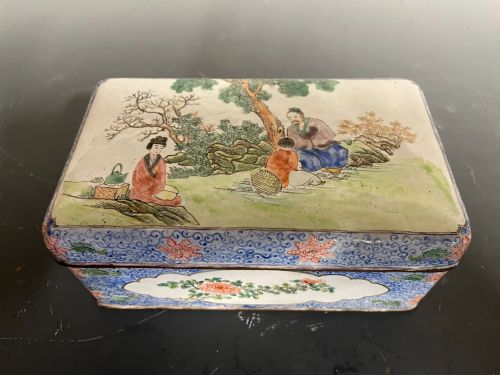
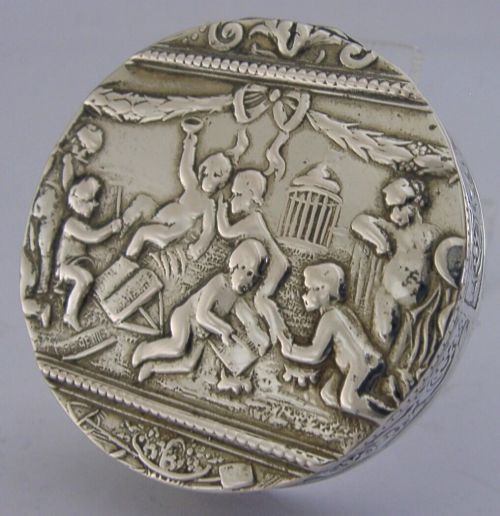
Solid silver and porcelain form the foundation of many pieces, often shaped with detailed chasing or moulded reliefs. Wood, fruitwood, and bamboo provide organic alternatives, shaped through hand carving to create textured surfaces like those seen on Chinese brush pots and boxes.
Enamel, paint, and glass add colour and surface detail to ceramics and metalwork. Carvers and metalsmiths worked these varied materials to ensure that lids fit seamlessly into the sculptural contours of the container.
Antique Figural Container Retail Price Guide 2026
Typical asking prices for figural container among the pieces listed under this phrase on Sellingantiques today, from the lower quarter to the upper quarter. They describe what is for sale here now, not the wider market.
Cats, dogs, cherubs, and legendary figures like Daruma stare out from these lids, guarding your odds and ends.
Markers of quality
The crispness of the carving or moulding defines the visual success of the piece, separating finely detailed work from simpler forms. In wooden and bamboo items, deep and deliberate incisions show the skill of the hand carver.
For silver and ceramic items, clear hallmarks and well-preserved paint or enamel indicate superior manufacture. The weight of the metal and the precision of the lid closure further distinguish the finer pieces in this group.
The Antique Figural Container Glossary
- Vesta case
- A small pocket container designed to hold matches, often hinged and shaped in figural forms such as animals.
- Treen
- Small handmade wooden objects for domestic use, encompassing carved boxes and figural containers.
- Tobacco jar
- A lidded vessel made to keep tobacco moist, frequently modelled as figural characters or animals in porcelain, wood, or metal.
- Toothpick holder
- A small vertical receptacle for toothpicks, sometimes executed in solid silver as a figural object.
- Powder box
- A cosmetic container with a fitted lid, popular during the Art Deco period in ceramic or porcelain.
- Cinnabar
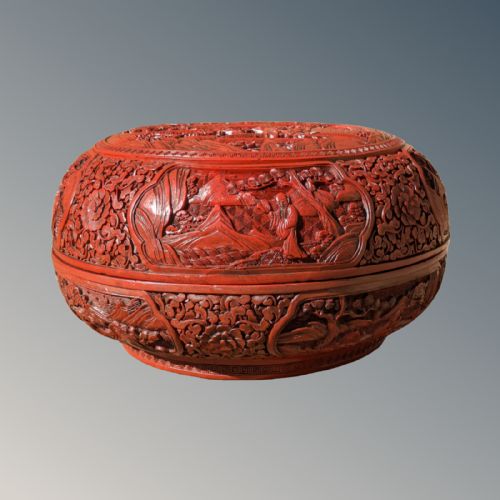
- Carved lacquer built up in multiple layers on a core material, seen on traditional Chinese lidded boxes.
Antique Figural Container: Frequently Asked Questions
What were antique figural containers used for?
These vessels held small personal items such as tobacco, toothpicks, matches, powder, or trinkets. Their dual nature allowed them to sit on desks, dressing tables, or mantlepieces as decorative sculptures.
By concealing their contents within the body of an animal or human figure, they kept private items close at hand while maintaining a tidy appearance in the room.
How do I tell different periods apart?
Periods reveal themselves through material choices and stylistic traits, such as the ornate Rococo Revival details of the nineteenth century or the geometric styling of Art Deco pieces from the nineteen thirties.
Early items often rely on hand-carved organic materials like bamboo and fruitwood, while twentieth-century examples frequently utilise moulded ceramics and marked silver.
Where were these containers made?
The pieces originate from across Europe and Asia, reflecting distinct regional craftsmanship and local materials. English and German workshops produced silver and wooden animal forms, while French makers focused on ceramic powder boxes.
Asian pieces from China and Japan showcase traditional carving techniques on bamboo and lacquer.
How do I live with these pieces?
Place them on side tables, dressing chests, or display shelves where their sculptural qualities can be appreciated up close. Their small scale allows them to fit easily into most interior spaces without dominating a room.
Use them to store modern small items like coins, pins, or rings, letting the historical objects continue their traditional function of holding small treasures.