


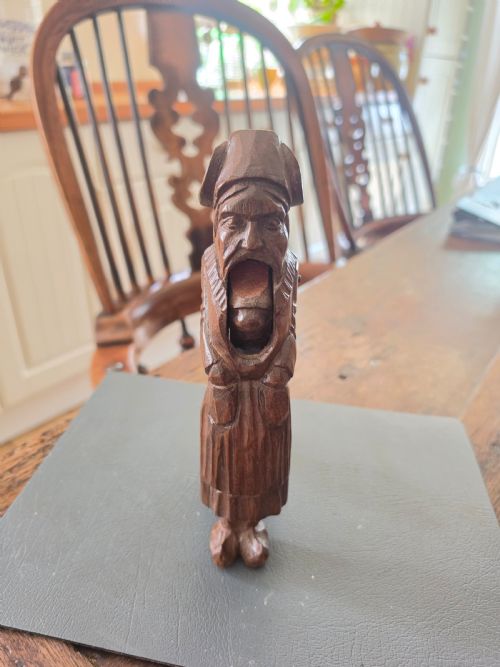

Antique Figural Carving
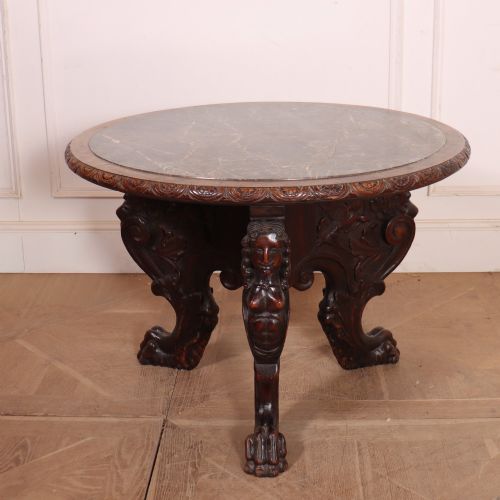
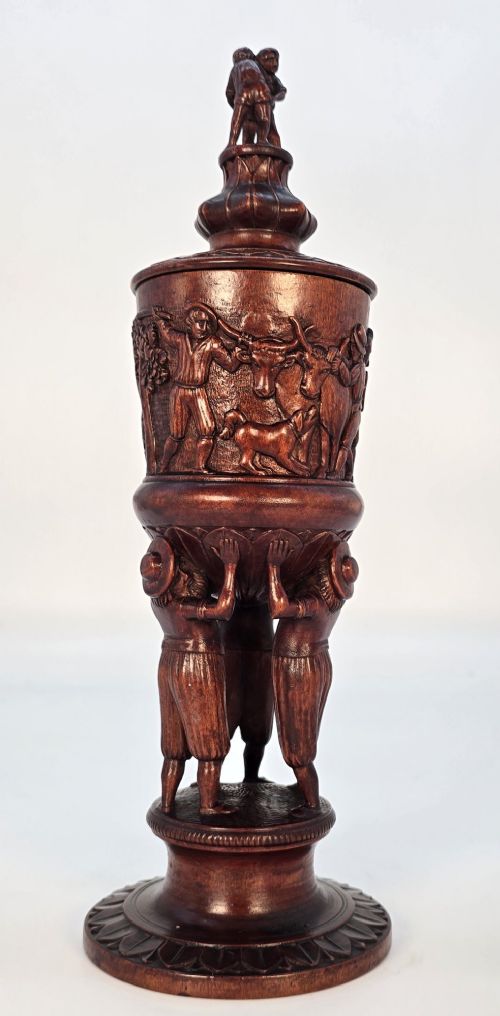
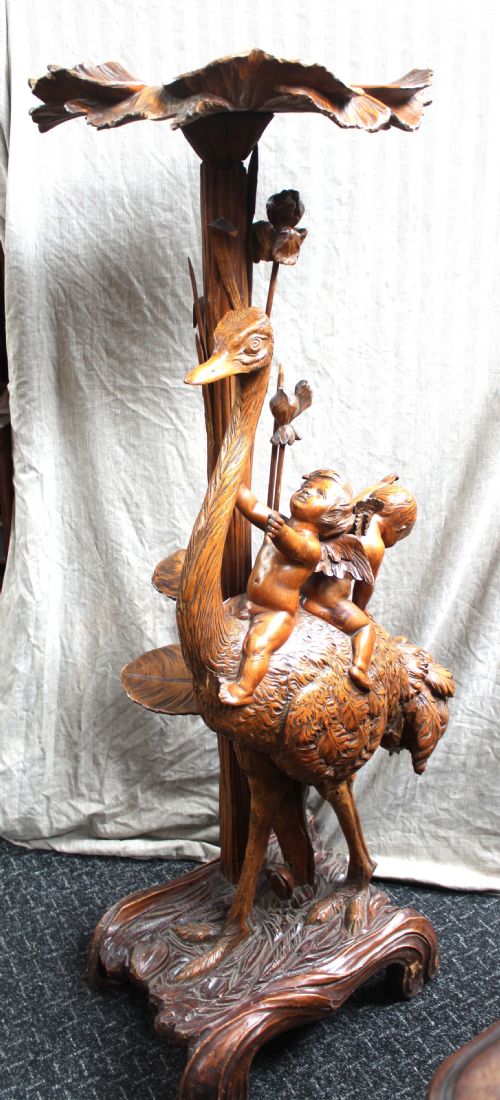
These pieces of antique figural carving bring human and animal forms straight into furniture, lighting and sculpture.
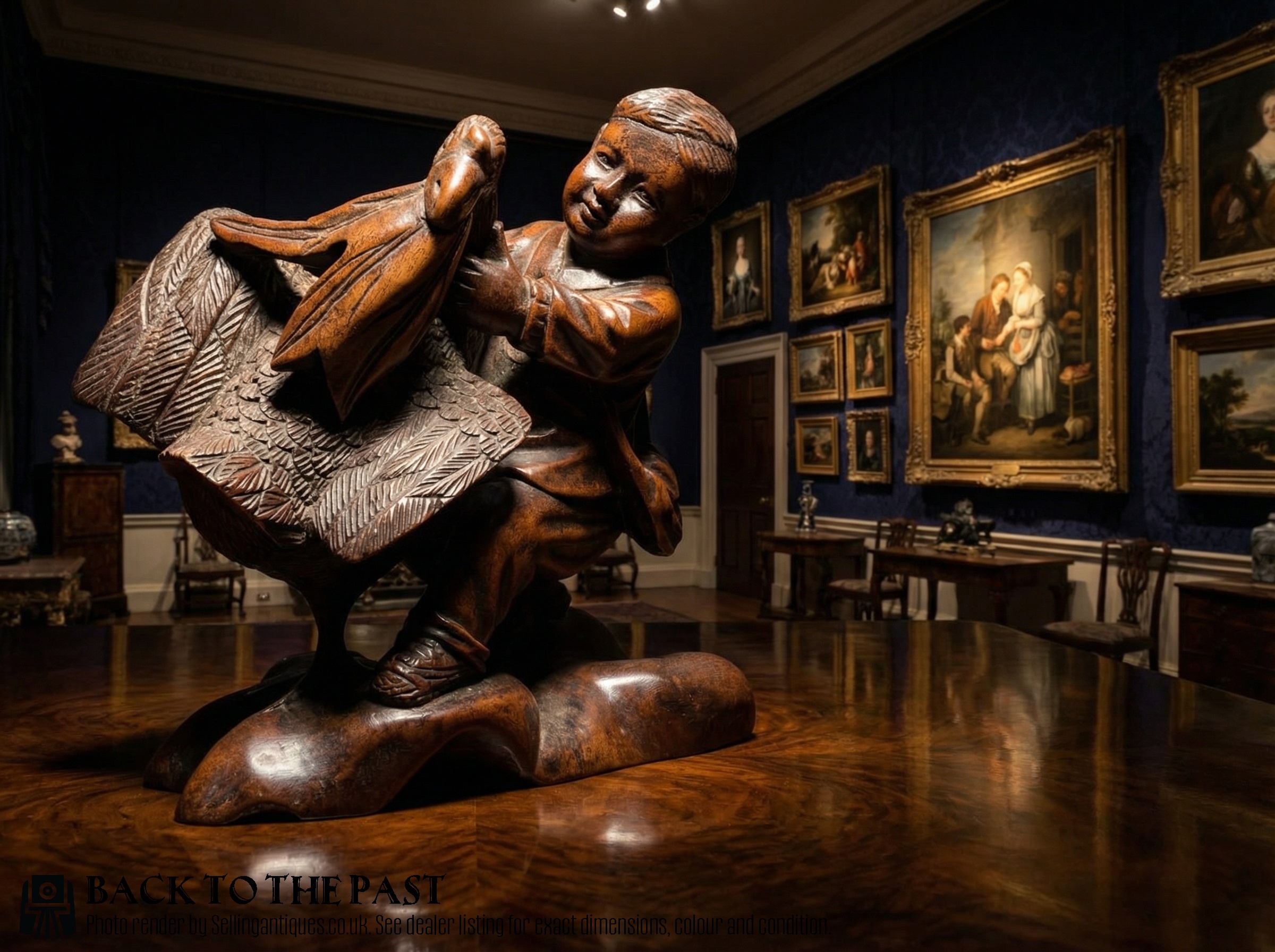
Antique Figural Carving
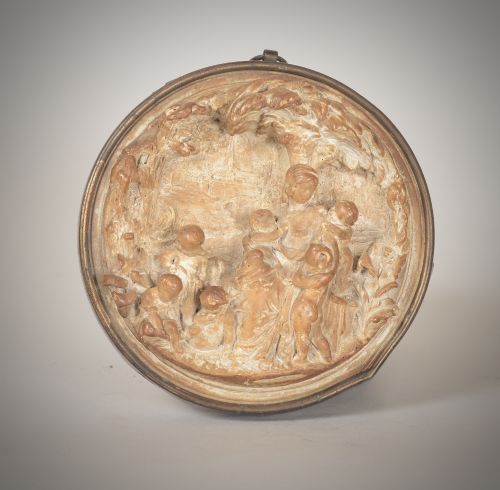
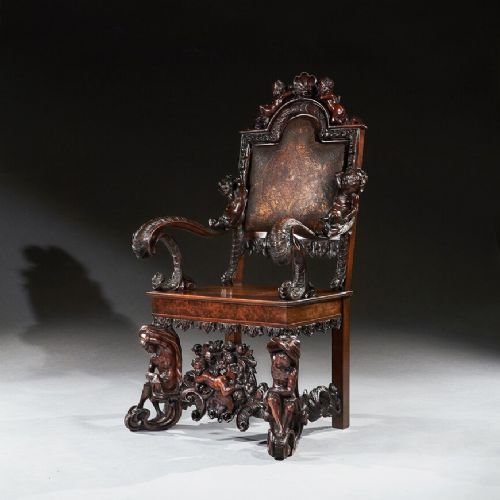
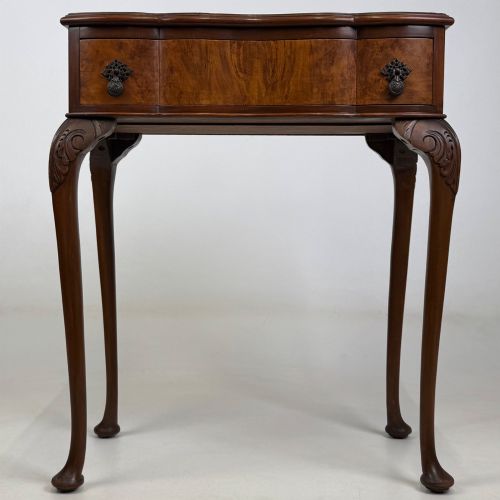
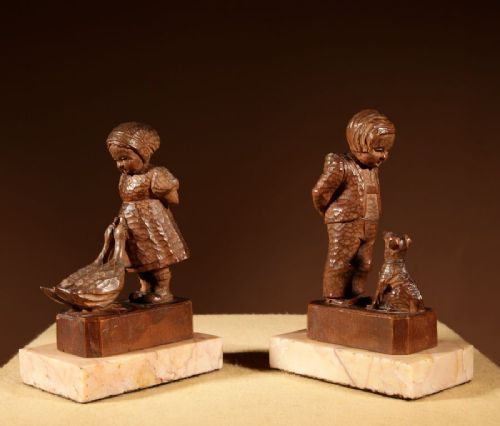
An antique figural carving incorporates human or animal representations into functional objects and decorative pieces, appearing frequently across the nineteenth century. These forms emerge on side tables, armchairs, pedestals, and mantel clocks, blending utility with sculptural detail.
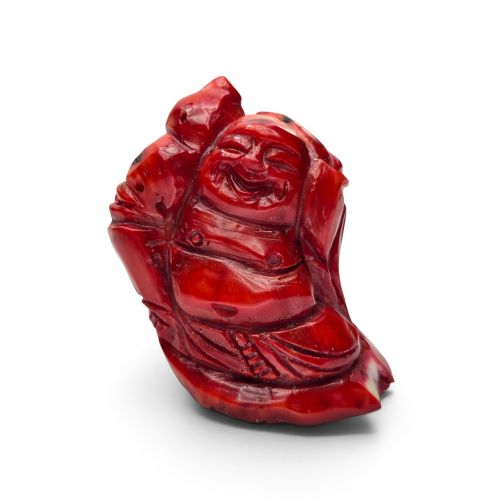
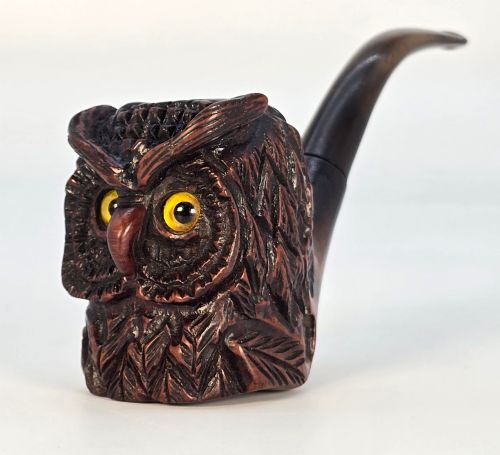
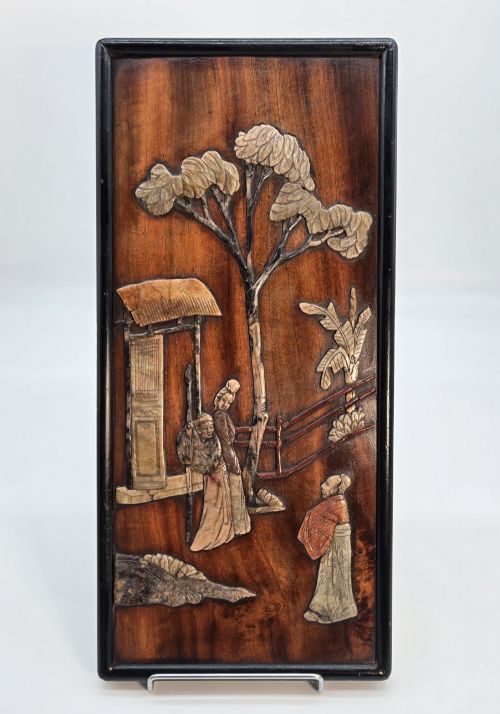
The selection ranges from Swiss Black Forest wooden animals and figures to Italian walnut armchairs and Chinese coral and bamboo objects. Buyers encounter domestic items like nutcrackers and tobacco jars alongside architectural panels and freestanding statues.
Earlier examples include seventeenth century oak panels and cupboards, while later Victorian, Edwardian, and early twentieth century pieces show diverse regional workshops. The unifying element across these periods remains the hand-carved depiction of figures within the design.
How they were made
Techniques varied from high relief panels and freestanding sculptures to applied elements on furniture frames and lamp bases. Polychrome painted finishes, stained surfaces, and polished wood grains highlighted the natural properties of the materials.
Object types span practical items like nutcrackers and pipes alongside large furniture such as side tables and armchairs.
What varies in quality
The integration of the figure into the object distinguishes superior pieces from standard production, as master carvers ensure the sculpture complements the structural form of the table, chair, or clock rather than appearing merely attached.
Andrea Brustolon·Carrier-Belleuse·Bergen and Co·Berthold Herman Muller·Butz Choquin
The Antique Figural Carving Glossary
- Black Forest
- A style of wood carving originating from the Swiss and German mountain regions, known for realistic animals and rustic motifs.
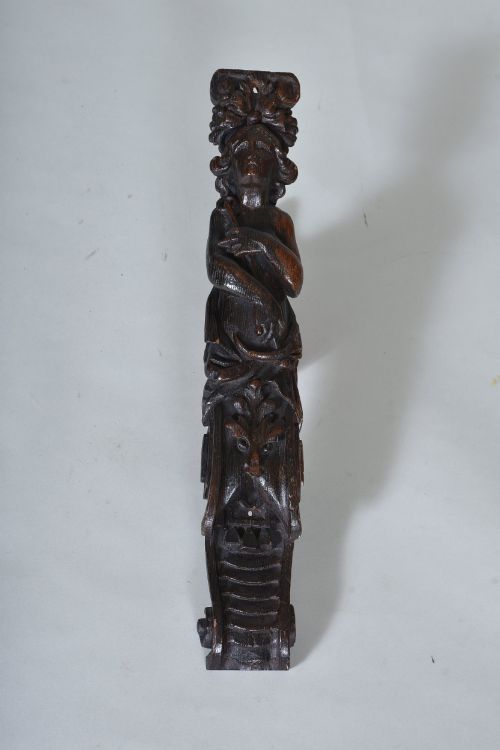
- Caryatid
- A sculpted female figure serving as an architectural support in place of a column or pier.
- Nutcracker
- A functional handheld or lever device often shaped into human or animal figures with hinged jaws.
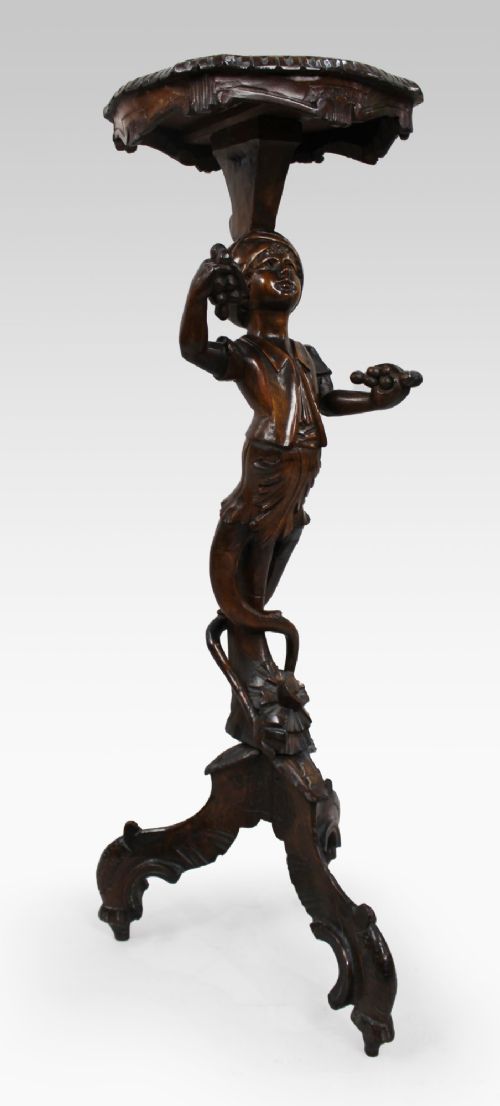
- Pedestal
- An upright architectural support or stand used to elevate sculptures, lamps, or urns.
- Polychromed
- Decorated or painted in several different colours, frequently applied to wood or plaster figures to enhance realism.
Antique Figural Carving: Frequently Asked Questions
What periods do these carvings come from?
The pieces span from the seventeenth century through the Victorian and Edwardian eras up to the early twentieth century.
Nineteenth-century examples dominate the selection, showing widespread European and Asian craftsmanship.
How were figural carvings used originally?
They served as functional furniture, lighting, and household items like tobacco jars, nutcrackers, and clocks.
Figures were integrated into tables, chairs, and architectural panels to display status and artistic skill.
What woods were commonly used?
Carvers utilised oak, walnut, fruitwood, linden wood, and bamboo depending on the regional style.
Softer woods allowed for deep, expressive detailing while dense hardwoods provided structural stability for furniture.
How do I distinguish regional styles?
Black Forest pieces focus on Swiss wildlife and rustic figures, whereas Asian works utilise coral, amber, and bamboo.
European revival styles often draw on Italian or French Baroque and Renaissance sculptural traditions.