






Antique Export China
Antique export china brings together porcelain, enamel, and gilt wares made in the East for Western markets during the eighteenth and nineteenth centuries.
Antique Export China
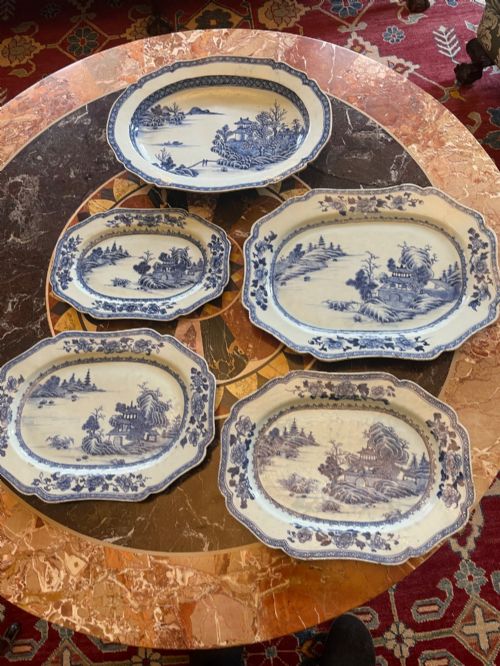
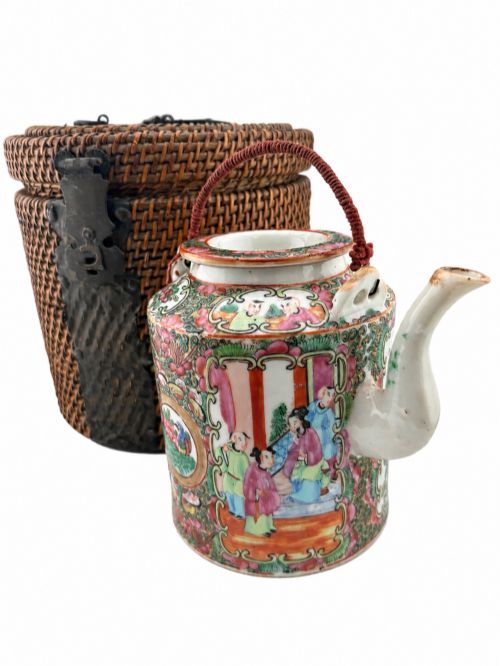
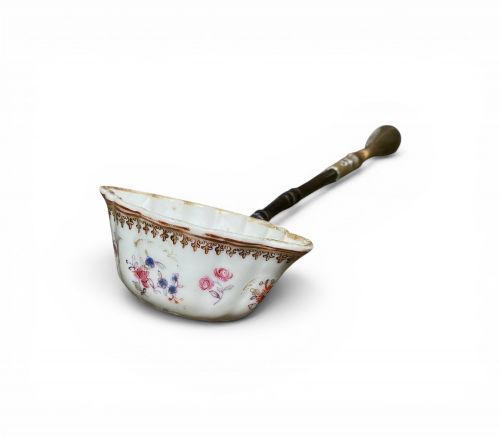
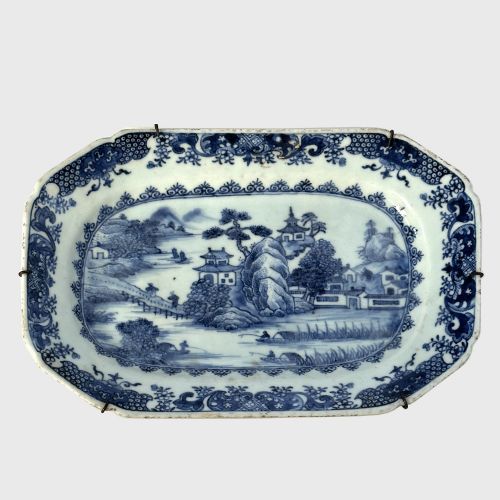
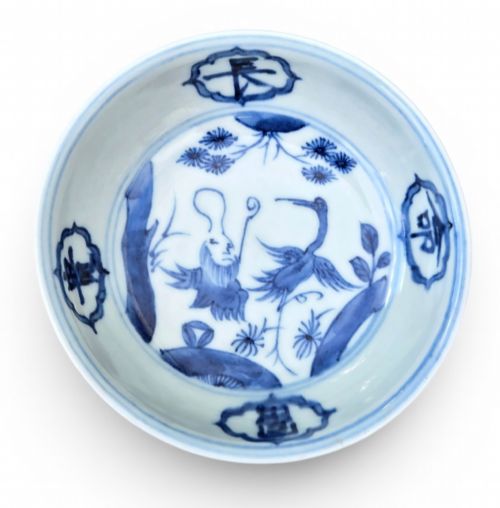
When buyers search for antique export china, they encounter decorative plates, punch bowls, service platters, and teacups originating from Chinese and Japanese kilns. The pieces on this page span the eighteenth and nineteenth centuries, including items from the Qianlong period and Qing dynasty alongside Japanese Imari wares.
Buyers will also find related material from the trade era, including red leather trunks and carved display cabinets. The core of the selection remains oriental porcelain decorated specifically for export trade.
How they were made
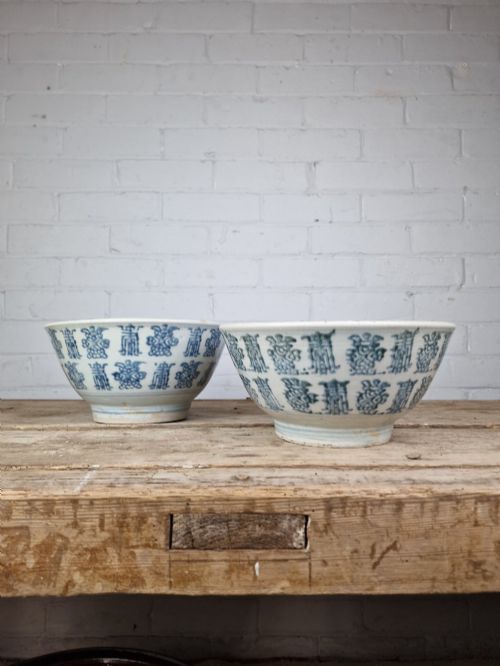
Potters utilised fine white porcelain bodies shaped into plates, bowls, and hollowware. These forms received hand-painted decoration using cobalt glaze, enamel pigments, and occasional gold leaf application.
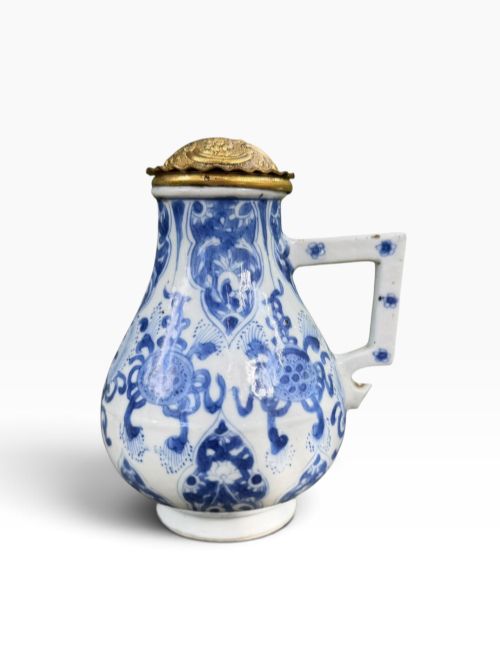
Kiln workers fired the pieces at high temperatures to vitrify the porcelain paste. Certain items incorporated metal mounts in brass or gilt bronze to secure lids and bases.
Antique Export China Retail Price Guide 2026
Typical asking prices for export china among the pieces listed under this phrase on Sellingantiques today, from the lower quarter to the upper quarter. They describe what is for sale here now, not the wider market.
Listings feature porcelain, enamel, gold leaf, and brass components across eighteenth and nineteenth-century periods.
What varies in quality
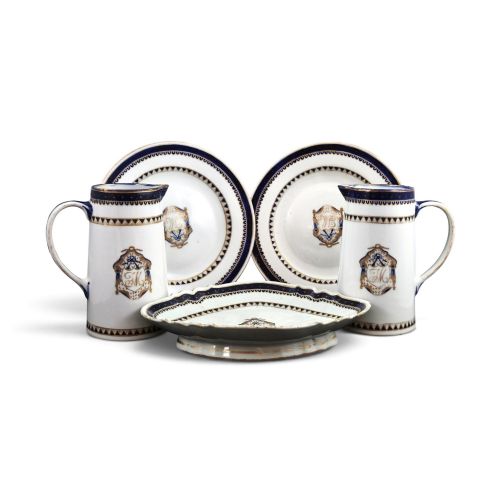
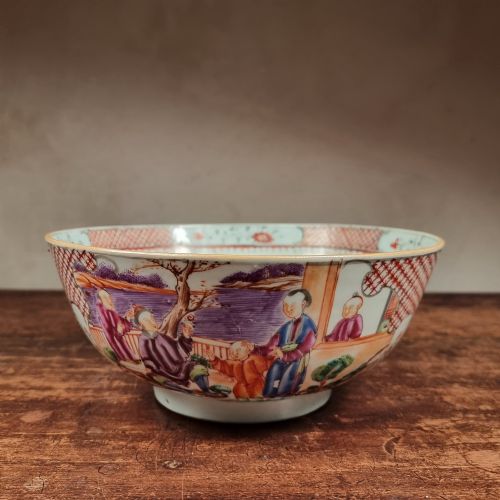
Quality rests upon the precision of the hand-painted brushwork and the complexity of the palette. Pieces decorated with armorial crests or detailed figurative scenes demonstrate superior artistic control compared to simpler floral motifs.
The crispness of the porcelain body and the stability of the glaze finish dictate the standard of the vessel. Intact armorial details and well-preserved enamel layers distinguish high-tier examples from heavily worn service items.
The Antique Export China Glossary
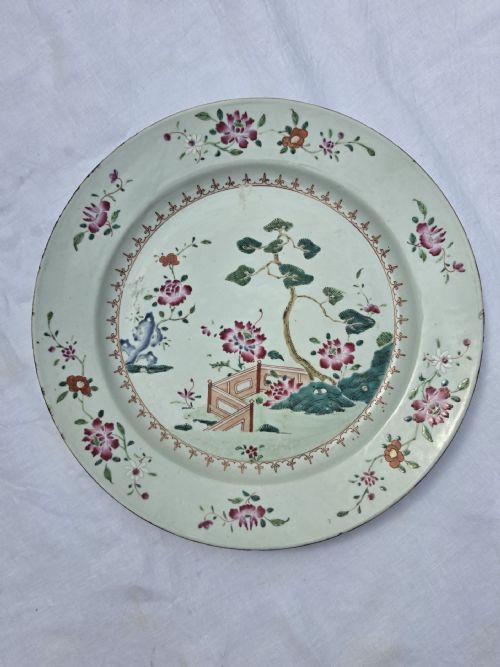
- Famille rose
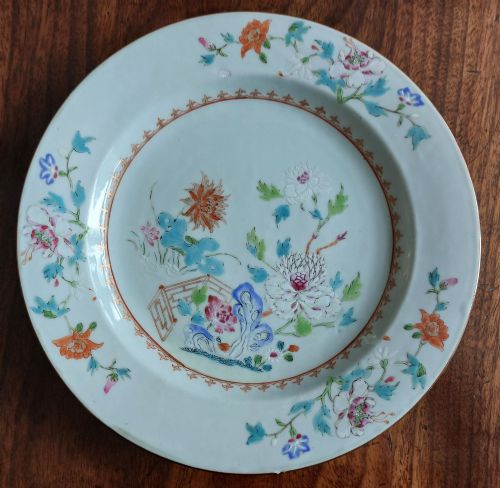
- A porcelain palette dominated by opaque pink enamel, introduced during the Qing dynasty and widely used in eighteenth-century export wares.
- Imari
- A style of Japanese export porcelain featuring underglaze blue and overglaze red, green, and gold ornamentation.
- Armorial
- Ceramic tableware painted with a specific European family coat of arms, commissioned specially through trade agents.
- Qianlong period
- The era of the Qing dynasty spanning from seventeen thirty-six to seventeen ninety-five, noted for prolific porcelain production.
- Mandarin palette
- Decoration style depicting interior scenes with human figures, rendered in rich enamels during the eighteenth century.
Antique Export China: Frequently Asked Questions
What is antique export china?
Antique export china refers to ceramic wares manufactured in Asia, primarily China and Japan, specifically for export to Western markets.
These pieces range from everyday tea sets to large armorial punch bowls commissioned by European families.
How do I date export porcelain?
Dating relies on stylistic markers, reign marks, and the specific palette used by the painters in the kilns.
Eighteenth-century pieces often feature Qianlong period characteristics, while nineteenth-century items display denser Canton rose medallion designs.
Were these pieces used daily?
Many export porcelain services were bought for dining and entertaining in stately European homes. Over time, surviving plates and bowls transitioned from dining tables into display cabinets.
What is an armorial service?
An armorial service is a custom-ordered set of porcelain painted with the specific heraldic crest of the buyer. These commissioned pieces formed an important part of the eighteenth-century China trade.