


Antique Export Ceramics
Antique export ceramics bring centuries of global trade into the home through finely painted porcelain vessels made for Western markets.
Antique Export Ceramics
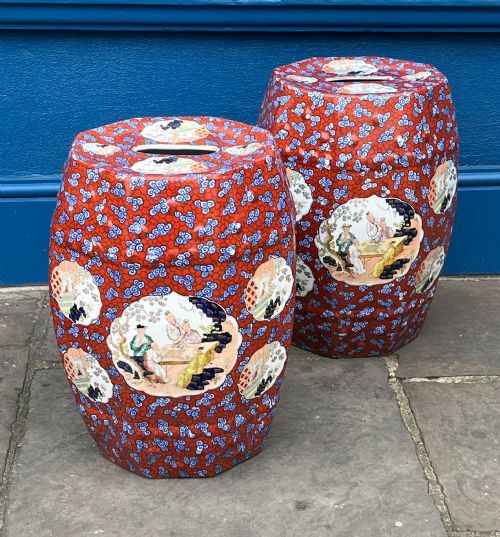
When a buyer investigates antique export ceramics, they encounter vessels and decorative tableware produced in Asia specifically for international trade and European courts. These items span multiple centuries, originating predominantly from Chinese kilns during the Ming and Qing dynasties as well as Japanese workshops in the Meiji period.
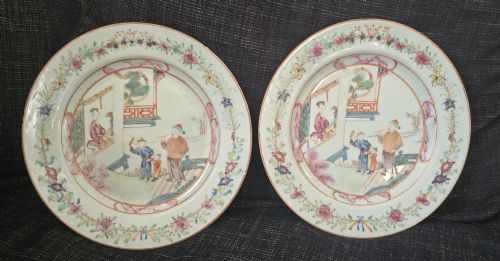
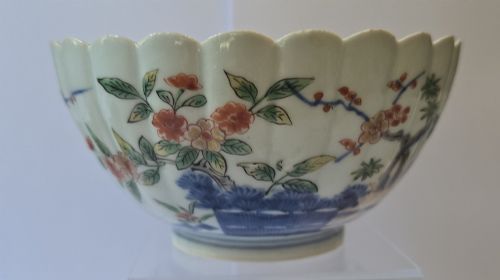
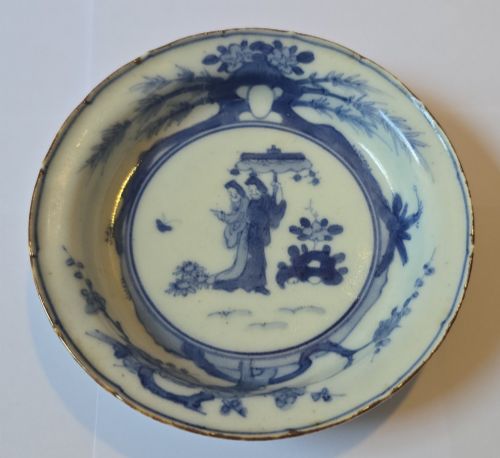
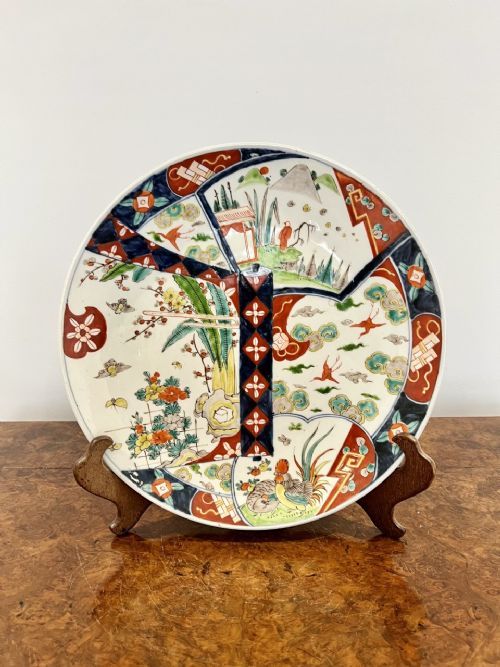
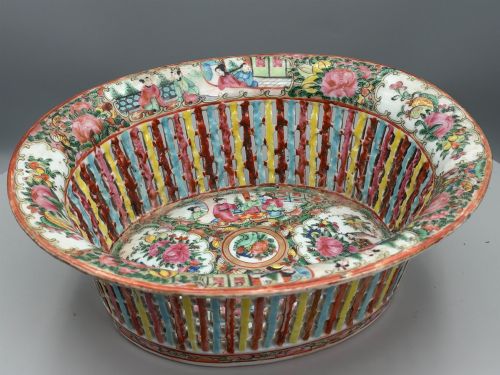
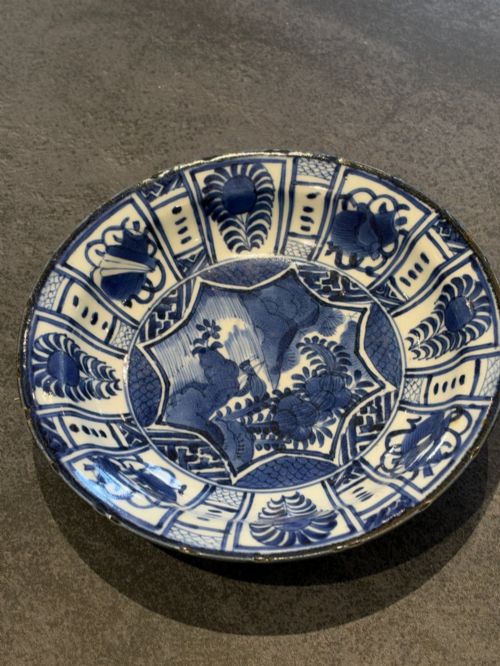
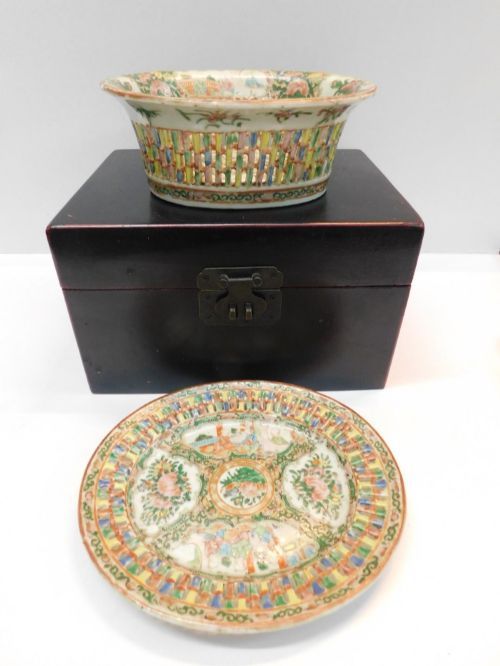
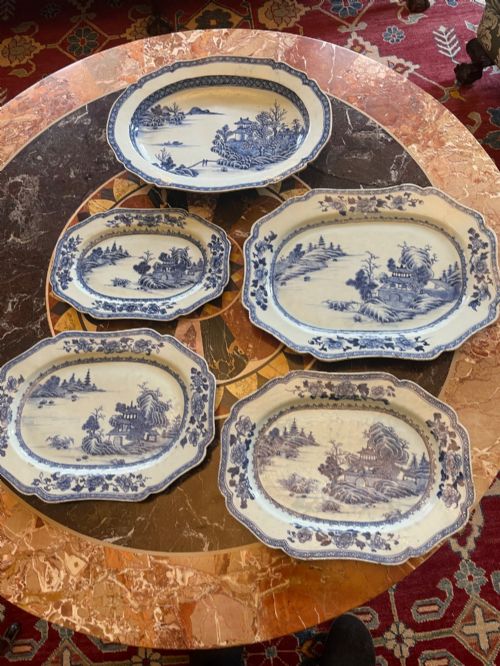
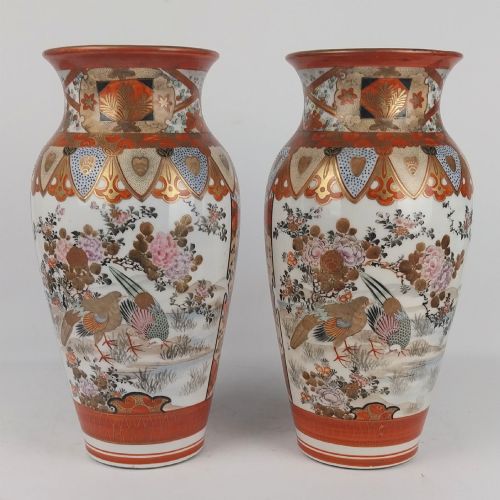
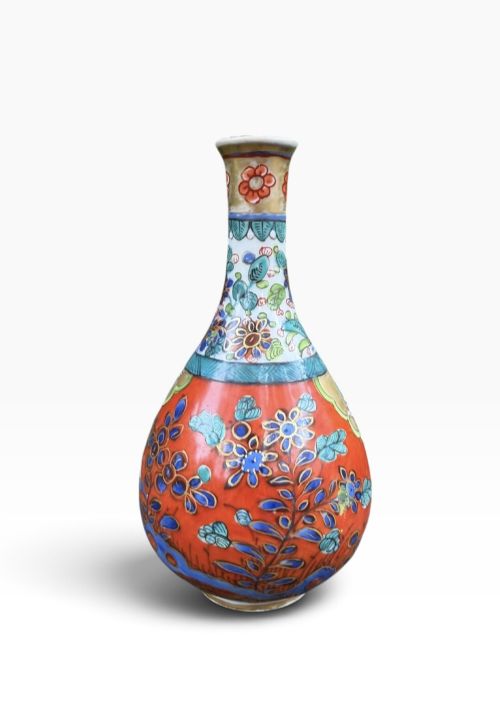
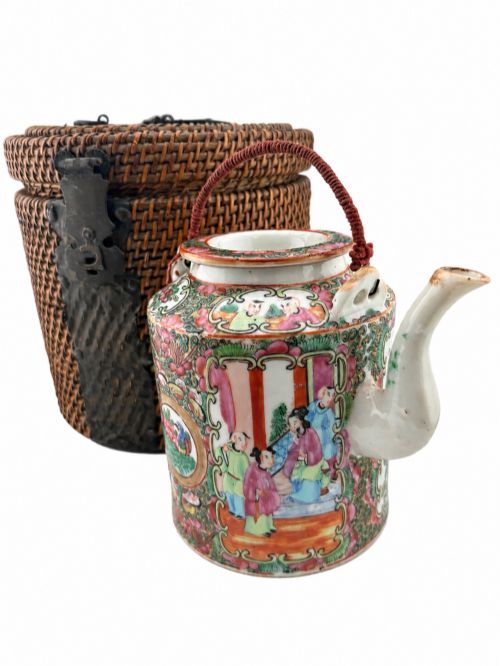
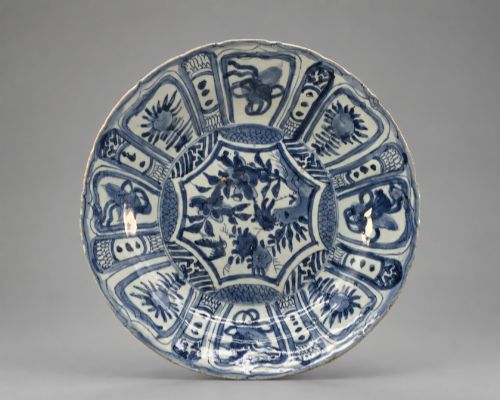
The most common examples on this page are blue and white chargers, famille rose dishes, and Imari bowls from the seventeenth and eighteenth centuries. Alongside these traditional forms, buyers also find later Japanese Satsuma vases and European revival pieces made by factories such as Edme Samson in Paris.
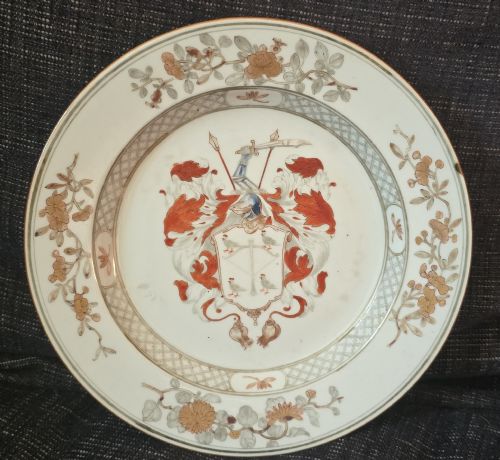
Objects range from robust Kraak porcelain plates salvaged from seventeenth-century shipwrecks to delicate armorial services bearing Western monograms. Each piece reflects the aesthetic preferences of the export market combined with traditional Asian potting techniques.
Materials and methods
The foundation of these works is high-fired porcelain, shaped on the wheel or moulded into forms like scalloped dishes, chestnut baskets, and lidded urns. Potters utilised cobalt underglaze for deep blue designs before applying a clear glaze and firing the pieces at high temperatures.
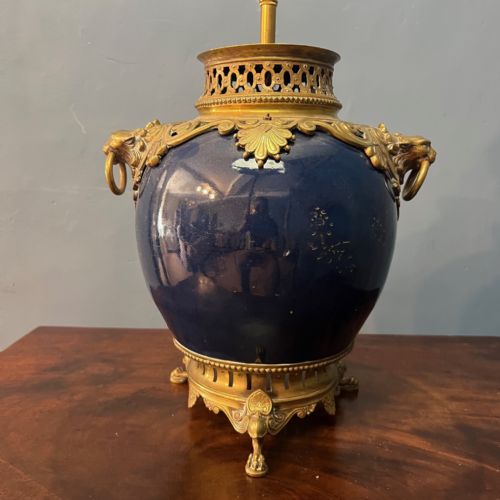
Overglaze enamel decoration, including the pinks of famille rose and the rich palettes of Japanese Imari, required a second, lower-temperature firing to fix the colours. Artisans frequently added gold leaf and gilding to highlight specific motifs, occasionally mounting completed porcelain bodies in gilt metal or ormolu.
Antique Export Ceramics Retail Price Guide 2026
Typical asking prices for export ceramics among the pieces listed under this phrase on Sellingantiques today, from the lower quarter to the upper quarter. They describe what is for sale here now, not the wider market.
Some seventeenth-century export dishes survived at the bottom of the sea for centuries inside sunken cargo ships before joining polite drawing rooms.
Distinctions in quality
The standard of antique export ceramics rests on the crispness of the potting and the precision of the hand-painted brushwork. Superior items display fluid, confident pigments and well-defined glaze surfaces, whereas lesser examples show muddied colours or coarse clay bodies.
Historical significance and provenance also elevate certain works, such as pieces carrying specific reign marks from the Kangxi or Qianlong periods, or documented cargo recoveries that verify an exact date of manufacture.
Takasaka Toemon·Edme Samson
The Antique Export Ceramics Glossary
- Kraak porcelain
- A type of Chinese export porcelain produced mainly during the Ming dynasty, characterised by panelled border designs and central aquatic or floral motifs. It frequently appeared in European still-life paintings.
- Famille Rose
- A palette of opaque enamels introduced in Chinese ceramics during the eighteenth century, dominated by pink and rose shades. This technique allowed for nuanced shading in floral and figural scenes.
- Imari
- A style of Japanese export porcelain featuring deep cobalt blue, iron red, and gilt highlights on a white ground. The style originated in Arita and was shipped extensively through the port of Imari.
- Clobbered
- Refers to older blue and white porcelain that was later decorated in Europe with additional overglaze colours and gilt. This secondary embellishment was often applied to enhance commercial appeal.
- Armorial
- Porcelain decorated with European family crests, coats of arms, or monograms. Wealthy families commissioned these custom services directly from Chinese kilns.
Antique Export Ceramics: Frequently Asked Questions
How do I date Chinese export porcelain?
Dating relies on stylistic shifts, reign marks, and the specific characteristics of the glaze and body clay. Pieces from the Kangxi period often feature vibrant cobalt tones, while eighteenth-century Qianlong examples frequently employ famille rose enamels.
Examining the foot ring and any wear patterns helps confirm the age of the piece. Cargo recoveries provide absolute terminal dates for items salvaged from dated shipwrecks.
What is the difference between Chinese and Japanese export wares?
Chinese export works from the seventeenth and eighteenth centuries typically focus on underglaze blue, armorial commissions, and finely detailed famille rose or verte enamel scenes. These items catered to the tastes of European trading companies.
Japanese export ceramics, particularly from the Meiji period or later Satsuma workshops, often display denser gilding, distinct crackled glazes, and heavily populated figural or landscape compositions.
Were these ceramics used daily or displayed?
Many export ceramics, such as punch bowls, tea pots, and dinner services, were created for active dining and entertaining in European and American households. Wealthy owners also displayed large chargers and lidded urns on sideboards or in specialised porcelain cabinets.
Over centuries of use, functional items were passed down as heirlooms. Today, survivors of cargo wrecks and domestic collections are handled primarily as decorative display pieces.
Why do some pieces feature European metal mounts?
European collectors frequently added gilt bronze, brass, or ormolu mounts to imported Asian porcelain vessels during the seventeenth and eighteenth centuries. These additions elevated the status of the object and repaired minor chips or rim damage.
Metalwork was tailored to current European interior fashions, turning simple bowls and jars into elaborate garniture pieces. These mounted items are now valued as hybrid works of art.